
Browse "Things"
-
Macleans
Westray Inquiry Winds Down
This article was originally published in Maclean’s magazine on July 15, 1996. Partner content is not updated.
"https://thecanadianencyclopedia.ca/images/tce_placeholder.jpg?v=e9dca980c9bdb3aa11e832e7ea94f5d9" // resources/views/front/categories/view.blade.php
https://thecanadianencyclopedia.ca/images/tce_placeholder.jpg?v=e9dca980c9bdb3aa11e832e7ea94f5d9
-
Macleans
Westray Miners Testify
Wayne Cheverie shifted uneasily in his chair as he waited to testify last week at a provincial inquiry into the fatal May 9, 1992, explosion at Nova Scotia's Westray coal mine.This article was originally published in Maclean's Magazine on January 29, 1996
"https://thecanadianencyclopedia.ca/images/tce_placeholder.jpg?v=e9dca980c9bdb3aa11e832e7ea94f5d9" // resources/views/front/categories/view.blade.php
https://thecanadianencyclopedia.ca/images/tce_placeholder.jpg?v=e9dca980c9bdb3aa11e832e7ea94f5d9
-
Macleans
Westray Verdict
This article was originally published in Maclean’s magazine on December 15, 1997. Partner content is not updated. Outside, a wet, heavy snowfall is turning rural Nova Scotia into a pre-Christmas postcard of frosted evergreens and rolling white fields. Inside, Allen and Debbie Martin sit at their kitchen table, sipping coffee and trying to put their feelings into words.
"https://thecanadianencyclopedia.ca/images/tce_placeholder.jpg?v=e9dca980c9bdb3aa11e832e7ea94f5d9" // resources/views/front/categories/view.blade.php
https://thecanadianencyclopedia.ca/images/tce_placeholder.jpg?v=e9dca980c9bdb3aa11e832e7ea94f5d9
-
Article
Wetlands in Canada
Wetlands are semi-aquatic ecosystems that are periodically or permanently saturated with water, such that the plants, animals and soils there have adapted to these conditions. Wetlands cover about 14 per cent of the land area of Canada, and are the natural habitat of over 600 species of plants and animals. In addition to providing a home for these plants and animals, wetlands are an essential part of the environment because they prevent flooding, filter toxins, store groundwater and limit erosion. The most common wetland habitats are swamps, marshes, bogs, fens and shallow open-water wetlands. While these five habitats share the water table at, near, or above the soil surface or the root layer of plants, they can also be distinguished by the characteristic plants found in each. Additional factors, such as moisture regime, water source, pH, hydrology, topography and nutrient status, can be used to further classify wetlands.
"https://d3d0lqu00lnqvz.cloudfront.net/algonquinprovincialpark/Wetland.jpg" // resources/views/front/categories/view.blade.php
https://d3d0lqu00lnqvz.cloudfront.net/algonquinprovincialpark/Wetland.jpg
-
List
Whale Species in Canada
Whale is the common name for large marine mammals of the order Cetartiodactyla (formerly Cetacea). They are subdivided into the Mysticeti, or baleen whales, and Odontoceti, or toothed whales. Smaller kinds of toothed whales are called dolphins or porpoises. Thirty-five whale species are found at least occasionally in Canadian waters — 9 species of baleen whales, and 26 species of toothed whales (mostly dolphins and porpoises). The commercial pursuit of whales was significant in early European exploration of Canada (see Whaling). Since the end of commercial whaling in Canada in 1972, whale watching has become popular. Whales found in Canada range in size from about 60 kg for the harbour porpoise to well over 100 tonnes for the blue whale, making it the largest animal ever known.
"https://d3d0lqu00lnqvz.cloudfront.net/WhaleSpeciesInCanada/HumpbackWhale.jpg" // resources/views/front/categories/view.blade.php
https://d3d0lqu00lnqvz.cloudfront.net/WhaleSpeciesInCanada/HumpbackWhale.jpg
-
Article
Whaling
Whaling, the practice of hunting whales, has a long history in the waters around Canada. Various Indigenous Peoples were the first to hunt whales in these areas. Later, European, American and Canadians hunted whales extensively. About 33 species of whales occur in Canadian waters, of which about 13 have been commercially significant. The species that were hunted the earliest were the easiest to hunt, such as the right whales, bowhead whales and grey whales. As the numbers of these species declined, humpback whales and sperm whales became the preferred prey. Later still, when technological advances made it feasible, the very fast blue whales, fin whales and sei whales were taken. This whaling also had a significant and largely negative impact on many Indigenous Peoples and nearly resulted in the extinction of various whale species. Today, all commercial whaling is banned in Canadian waters.
"https://d3d0lqu00lnqvz.cloudfront.net/whaling/Bowhead-Whale.jpg" // resources/views/front/categories/view.blade.php
https://d3d0lqu00lnqvz.cloudfront.net/whaling/Bowhead-Whale.jpg
-
Editorial
Alexander Graham Bell and the Invention of the Telephone
The following article is an editorial written by The Canadian Encyclopedia staff. Editorials are not usually updated.
"https://d3d0lqu00lnqvz.cloudfront.net/media/media/23f60faa-b05b-426a-8b92-44583cca654e.jpg" // resources/views/front/categories/view.blade.php
https://d3d0lqu00lnqvz.cloudfront.net/media/media/23f60faa-b05b-426a-8b92-44583cca654e.jpg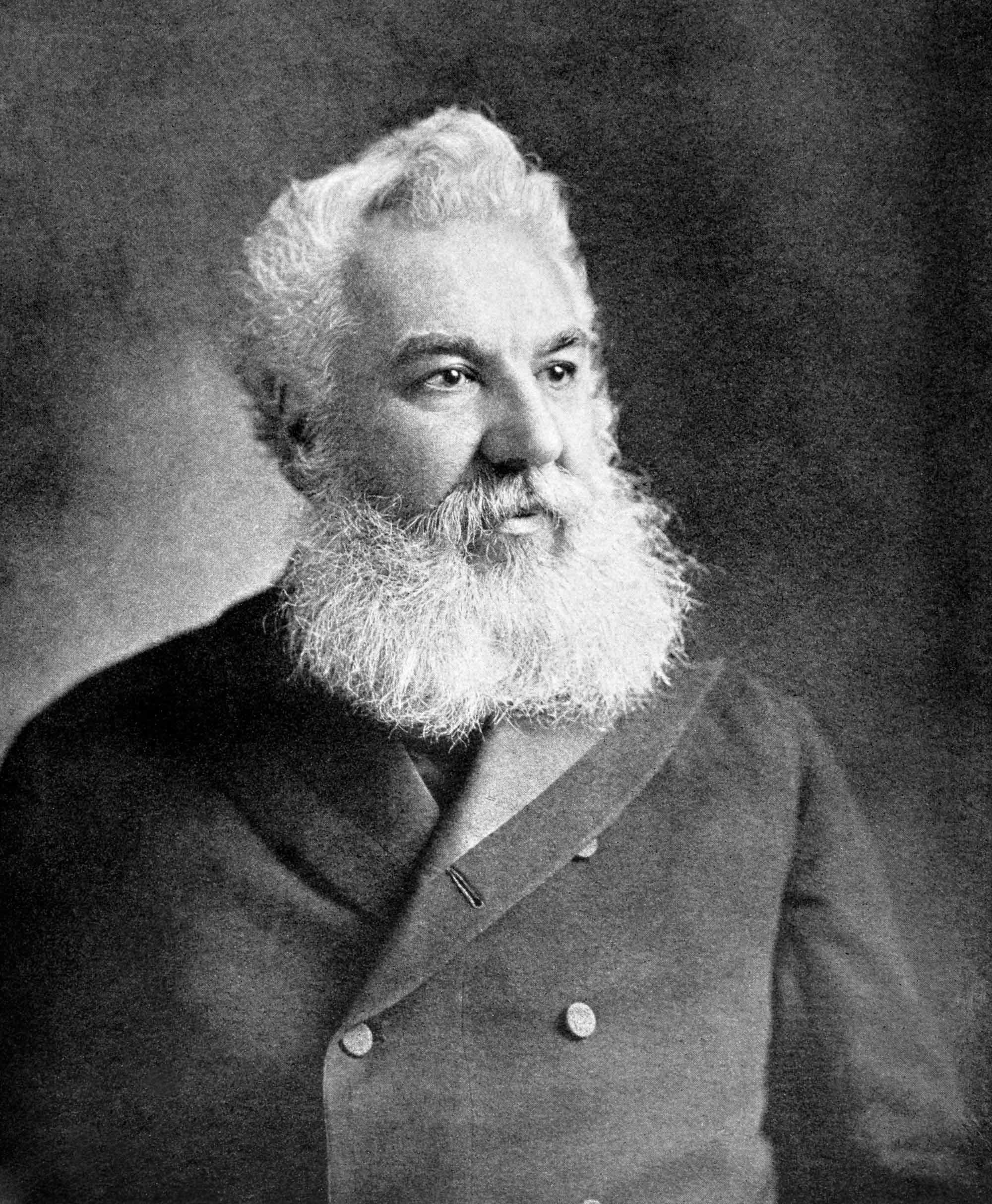
-
Article
Wheat
Wheat is the common name for members of genus Triticum of the grass family (Gramineae) and for the cereal grains produced by these grasses.
"https://d3d0lqu00lnqvz.cloudfront.net/media/media/ee4480f5-05e5-41fe-aa30-eb9cbf134135.jpg" // resources/views/front/categories/view.blade.php
https://d3d0lqu00lnqvz.cloudfront.net/media/media/ee4480f5-05e5-41fe-aa30-eb9cbf134135.jpg
-
Article
Wheelchair Basketball in Canada
Wheelchair basketball is one of the most popular team sports for athletes with disabilities. In 2014, over 2,500 Canadians were active in the sport as athletes, coaches, officials and administrators.
"https://thecanadianencyclopedia.ca/images/tce_placeholder.jpg?v=e9dca980c9bdb3aa11e832e7ea94f5d9" // resources/views/front/categories/view.blade.php
https://thecanadianencyclopedia.ca/images/tce_placeholder.jpg?v=e9dca980c9bdb3aa11e832e7ea94f5d9
-
Article
Whelk
Whelk is the common name for a carnivorous marine snail which may be included with the Buccinid, Muricid or Purpurid families.
"https://d3d0lqu00lnqvz.cloudfront.net/media/media/4853ce1f-32b2-4a69-86ed-b9af470cc9f3.jpg" // resources/views/front/categories/view.blade.php
https://d3d0lqu00lnqvz.cloudfront.net/media/media/4853ce1f-32b2-4a69-86ed-b9af470cc9f3.jpg
-
Editorial
The Last Voyage of the Karluk
The following article is an editorial written by The Canadian Encyclopedia staff. Editorials are not usually updated.
"https://thecanadianencyclopedia.ca/images/tce_placeholder.jpg?v=e9dca980c9bdb3aa11e832e7ea94f5d9" // resources/views/front/categories/view.blade.php
https://thecanadianencyclopedia.ca/images/tce_placeholder.jpg?v=e9dca980c9bdb3aa11e832e7ea94f5d9
-
Macleans
Whistler's Patience Rewarded with 2010 Winter Games
The road north from Vancouver to Whistler is paved with good intentions, but not nearly enough passing lanes. The Sea-to-Sky Highway winds high above Howe Sound, past Bowen, Gambier and Anvil islands; past ferries and freighters and barge-burdened tugs; past the chill plunge of Shannon Falls and fly-sized rock climbers high up the brooding face of the Stawamus Chief at Squamish.This article was originally published in Maclean's Magazine on July 14, 2003
"https://thecanadianencyclopedia.ca/images/tce_placeholder.jpg?v=e9dca980c9bdb3aa11e832e7ea94f5d9" // resources/views/front/categories/view.blade.php
https://thecanadianencyclopedia.ca/images/tce_placeholder.jpg?v=e9dca980c9bdb3aa11e832e7ea94f5d9
-
Article
White-Collar Crime
White-Collar Crime consists of occupational crime and corporate crime. Occupational crime refers to offences committed against legitimate institutions (businesses or government) by those with "respectable" social status.
"https://thecanadianencyclopedia.ca/images/tce_placeholder.jpg?v=e9dca980c9bdb3aa11e832e7ea94f5d9" // resources/views/front/categories/view.blade.php
https://thecanadianencyclopedia.ca/images/tce_placeholder.jpg?v=e9dca980c9bdb3aa11e832e7ea94f5d9
-
Article
White Fox
White Fox, Sask, incorporated as a village in 1941, population 364 (2011c), 348 (2006c). The Village of White Fox is located about 130 km east of Prince Albert, just north of Nipawin and the Saskatchewan River. The village is named for the White Fox River which flows through the district.
"https://thecanadianencyclopedia.ca/images/tce_placeholder.jpg?v=e9dca980c9bdb3aa11e832e7ea94f5d9" // resources/views/front/categories/view.blade.php
https://thecanadianencyclopedia.ca/images/tce_placeholder.jpg?v=e9dca980c9bdb3aa11e832e7ea94f5d9
-
Article
White Paper
A government white paper is a Cabinet-approved document that explains a political issue and proposed legislation to address it. The purpose of a white paper is to introduce a new government policy to test the public’s reaction to it. The name derives from the custom of binding the document in white paper, rather than using a cover page. White papers are different from green papers, which seek public reaction not to new policy but to more general proposals. The most controversial white paper in Canada was issued in 1969; it sought to redefine the relationship between the federal government and Indigenous peoples. (See The 1969 White Paper.)
"https://d3d0lqu00lnqvz.cloudfront.net/media/media/a9b09afc-fa9f-4e3d-a200-bb0fb6bbc844.jpg" // resources/views/front/categories/view.blade.php
https://d3d0lqu00lnqvz.cloudfront.net/media/media/a9b09afc-fa9f-4e3d-a200-bb0fb6bbc844.jpg