
Browse "Things"
-
Article
Waxwings in Canada
Waxwing (Bombycillidae) is a family of birds comprising eight species, including the true waxwings, the palmchat (Dulus dominicus) of Hispaniola and the silky-flycatchers of the southwestern US and Central America. The cedar waxwing (Bombycilla cedrorum) and the bohemian waxwing (B. garrulus) are native to Canada.
"https://d3d0lqu00lnqvz.cloudfront.net/waxwing/cedar-Waxwing-lia.jpg" // resources/views/front/categories/view.blade.php
https://d3d0lqu00lnqvz.cloudfront.net/waxwing/cedar-Waxwing-lia.jpg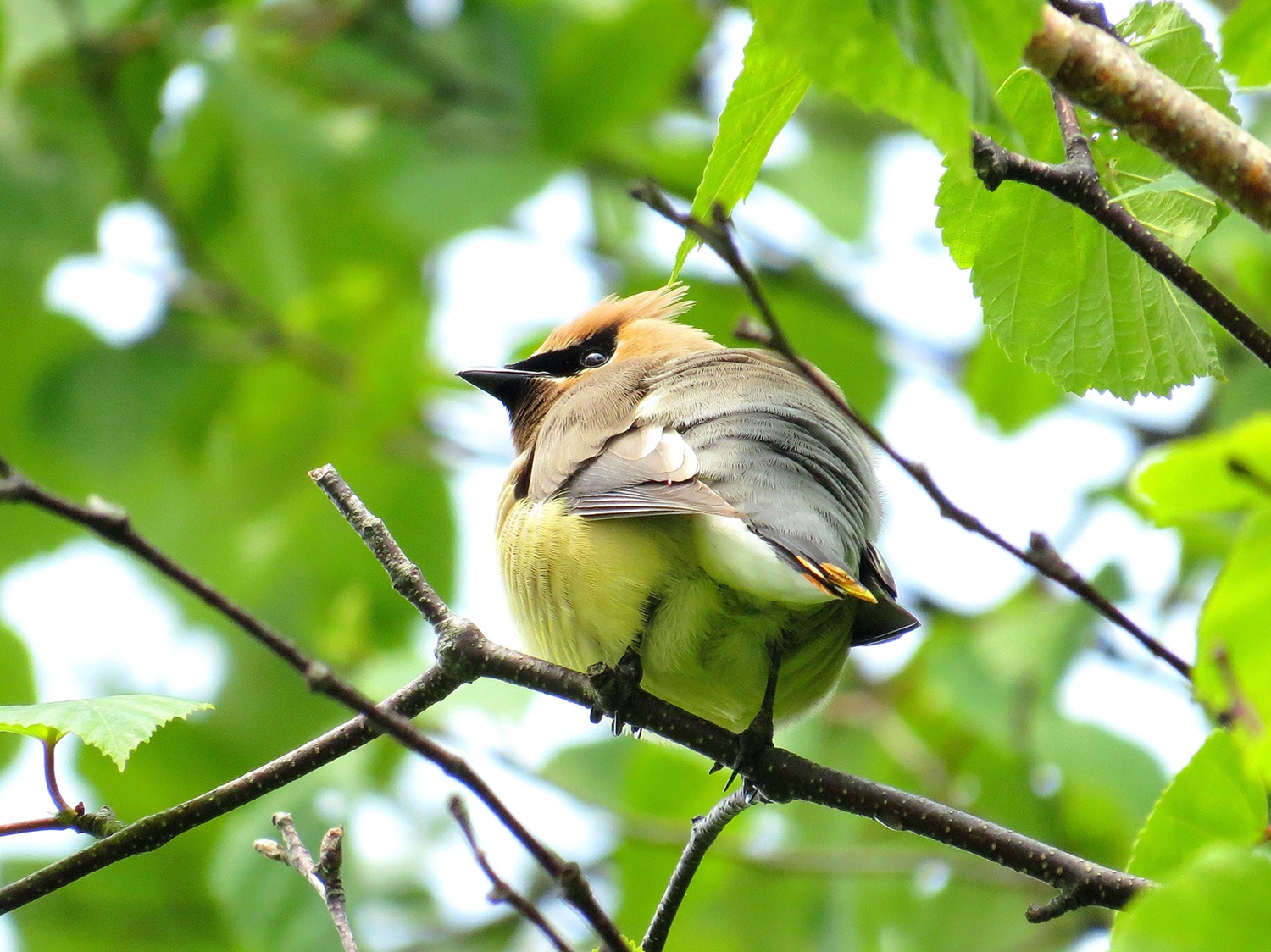
-
Article
Wayne and Shuster
Following the war, they returned to Canada and worked together on radio (by 1946 they had their own show on CBC) and later on television. In 1950 they began appearing as guests on various American TV programs, including a record 67 performances on "The Ed Sullivan Show.
"https://d3d0lqu00lnqvz.cloudfront.net/media/media/493adbf0-c989-47a6-ab67-61fb85d744f3.jpg" // resources/views/front/categories/view.blade.php
https://d3d0lqu00lnqvz.cloudfront.net/media/media/493adbf0-c989-47a6-ab67-61fb85d744f3.jpg
-
Article
W.D. Lawrence
W.D. Lawrence, 2548 ton square-rigged sailing ship built in 1874 in Maitland, NS. It was designed and built by William Dawson Lawrence, who earned substantial profits from the ship until 1883, when he sold it to a Norwegian.
"https://d3d0lqu00lnqvz.cloudfront.net/media/media/02e593d6-5eff-479a-bd2d-e5b1851f1b42.jpg" // resources/views/front/categories/view.blade.php
https://d3d0lqu00lnqvz.cloudfront.net/media/media/02e593d6-5eff-479a-bd2d-e5b1851f1b42.jpg
-
Article
We Demand
We Demand was a 13-page document that called for changes to discriminatory federal laws and policies concerning gays, bisexuals, and lesbians in Canada. The brief, which contained ten points, was presented to the federal government in 1971. It set a national strategy that was pursued for decades until all the demands were met.
"https://d3d0lqu00lnqvz.cloudfront.net/charlie_hill.png" // resources/views/front/categories/view.blade.php
https://d3d0lqu00lnqvz.cloudfront.net/charlie_hill.png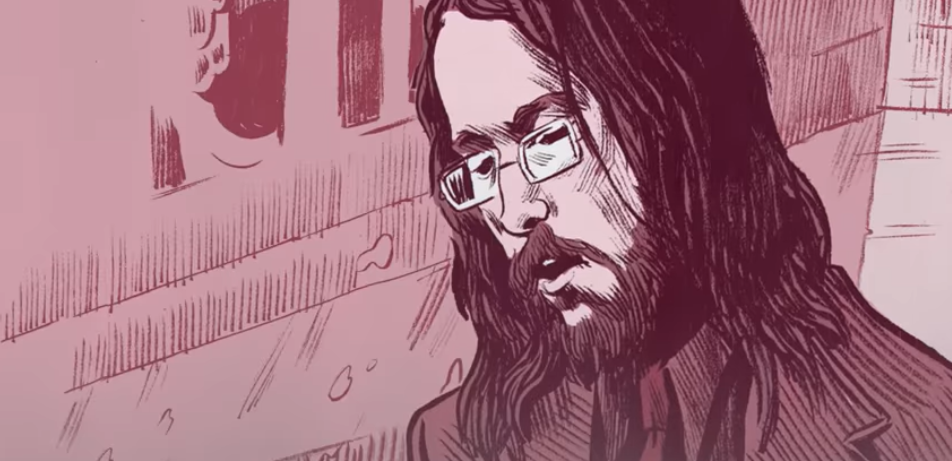
-
Article
Weasel
The weasel is a small, long-bodied, carnivorous mammal of the family Mustelidae. Three species of weasels are found in Canada: the short-tailed weasel, also known as the ermine or stoat (Mustela erminea), the long-tailed weasel (Mustela frenata), and the least weasel (Mustela nivalis). The least weasel is the smallest species in the order carnivora. The genus Mustela also includes mink, black-footed ferret, and the introduced European ferret.
"https://d3d0lqu00lnqvz.cloudfront.net/media/media/75687a36-c0da-48b2-9f96-a77ae294f187.jpg" // resources/views/front/categories/view.blade.php
https://d3d0lqu00lnqvz.cloudfront.net/media/media/75687a36-c0da-48b2-9f96-a77ae294f187.jpg
-
Article
Weather
Weather is defined as the atmospheric conditions prevailing at a specific place and time; climate is the characteristic weather, including average and extreme conditions, over months, seasons and years. Meteorology is the study of the motions, processes and phenomena of the atmosphere. Weather is driven by the interactions of the atmosphere, water in the atmosphere and on the earth (oceans, rivers, lakes), and the solid earth, all driven by solar energy from the sun.
"https://d3d0lqu00lnqvz.cloudfront.net/snow/Snow-in-Lunenburg.jpg" // resources/views/front/categories/view.blade.php
https://d3d0lqu00lnqvz.cloudfront.net/snow/Snow-in-Lunenburg.jpg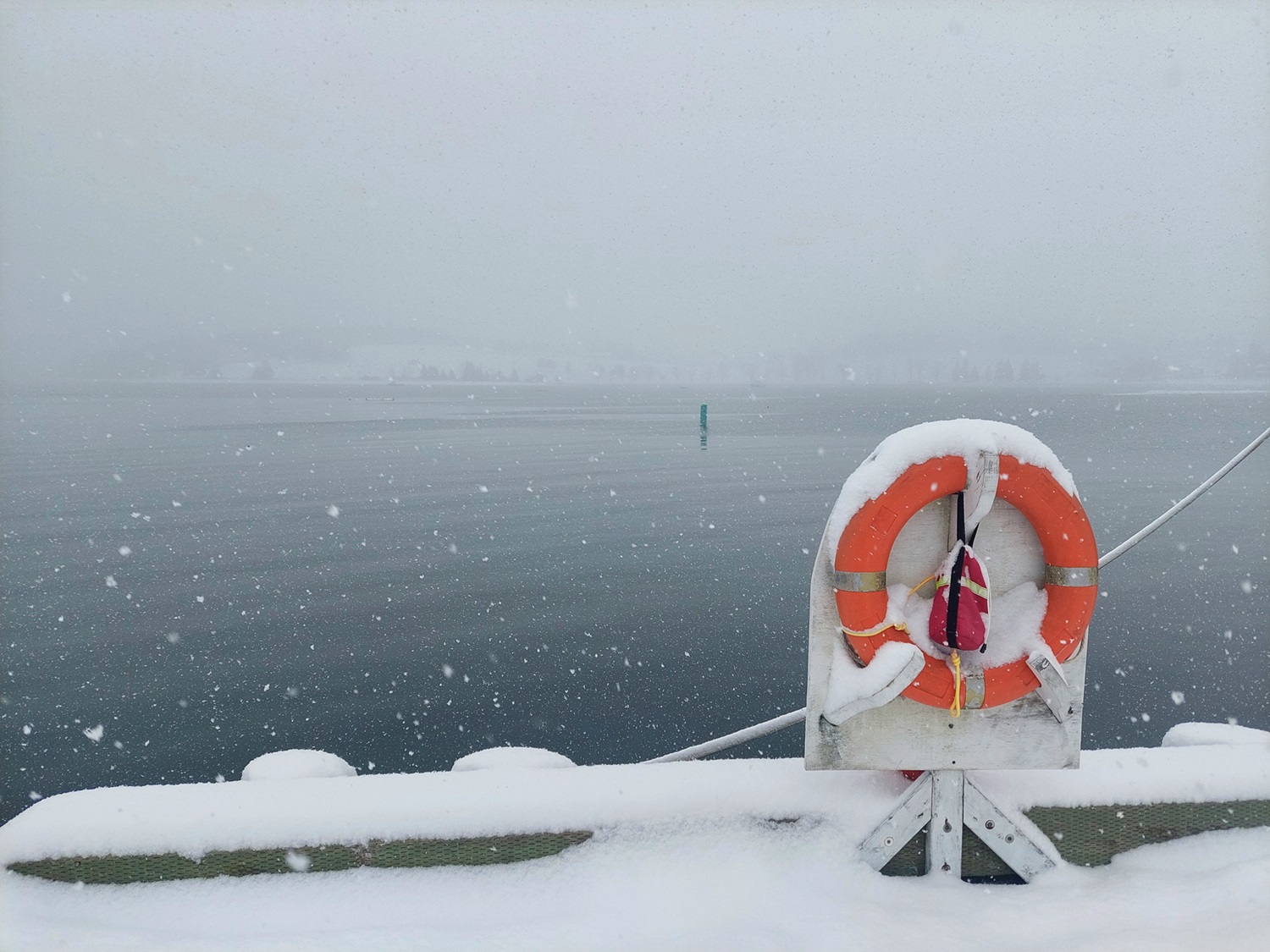
-
Article
Weather Forecasting
Most modern meteorologists attempt to cope with physical processes by expressing them mathematically, ie, by creating mathematical models of the atmosphere. Powerful computers are then used to solve problems.
"https://d3d0lqu00lnqvz.cloudfront.net/media/media/d32eb943-b421-42f4-bb17-0d8dbdeb99d9.jpg" // resources/views/front/categories/view.blade.php
https://d3d0lqu00lnqvz.cloudfront.net/media/media/d32eb943-b421-42f4-bb17-0d8dbdeb99d9.jpg
-
Article
Weather Modification
Weather modification has been used in an attempt to increase rainfall and snowfall, to suppress hail, to clear fogs, to modify tropical cyclones and to suppress lightning. The term "weather modification" is not normally used to describe inadvertent changes in our WEATHER.
"https://thecanadianencyclopedia.ca/images/tce_placeholder.jpg?v=e9dca980c9bdb3aa11e832e7ea94f5d9" // resources/views/front/categories/view.blade.php
https://thecanadianencyclopedia.ca/images/tce_placeholder.jpg?v=e9dca980c9bdb3aa11e832e7ea94f5d9
-
Article
Weather Observations
Weather in Canada ranges from the extreme cold of the Arctic to tornadoes and other severe weather in the southern regions; from the storms and fog of the Atlantic to the dry heat and majestic thunderstorms of the prairies.
"https://d3d0lqu00lnqvz.cloudfront.net/media/media/5f2d2f05-f8d1-4a58-8c76-8e1ba649ad92.jpg" // resources/views/front/categories/view.blade.php
https://d3d0lqu00lnqvz.cloudfront.net/media/media/5f2d2f05-f8d1-4a58-8c76-8e1ba649ad92.jpg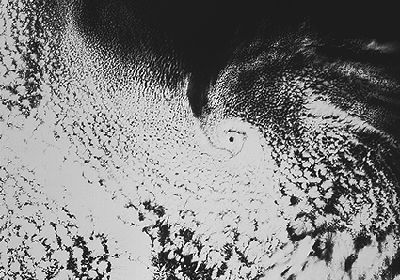
-
Article
Weathering
Fragmented rock materials formed by mechanical weathering are normally larger than clay particles. These materials constitute major sources of sediment for later erosion, transportation and deposition under the impetus of gravity, wind, water or ice.
"https://d3d0lqu00lnqvz.cloudfront.net/media/media/1feca1f5-6d62-4849-ada5-e7b61d404647.jpg" // resources/views/front/categories/view.blade.php
https://d3d0lqu00lnqvz.cloudfront.net/media/media/1feca1f5-6d62-4849-ada5-e7b61d404647.jpg
-
Article
Weaving
Since the 1960s some craftsmen have moved away from traditional weaving into "art fabric," experimenting with traditional techniques but using a wide range of materials in the production of unique works.
"https://thecanadianencyclopedia.ca/images/tce_placeholder.jpg?v=e9dca980c9bdb3aa11e832e7ea94f5d9" // resources/views/front/categories/view.blade.php
https://thecanadianencyclopedia.ca/images/tce_placeholder.jpg?v=e9dca980c9bdb3aa11e832e7ea94f5d9
-
Article
WZMH Architects
WZMH Architects (formerly Webb Zerafa Menkès Housden Partnership) was founded in 1961. This architectural firm contributed to the transformation of many Canadian cities with its designs for the corporate headquarters of major oil companies, insurance companies and banks. (See also Architecture; Bank Architecture.)
"https://d3d0lqu00lnqvz.cloudfront.net/media/media/004492e9-831e-48ab-8fef-25d0137080dd.jpg" // resources/views/front/categories/view.blade.php
https://d3d0lqu00lnqvz.cloudfront.net/media/media/004492e9-831e-48ab-8fef-25d0137080dd.jpg
-
Article
Weber Piano Company Ltd.
Weber Piano Company Ltd. Manufacturers of grand, square, and upright pianos, founded as Messrs Weber & Co in Market Square, Kingston, Ont, in 1871. The firm also sold parlour organs and melodeons by other makers. Weber succeeded an earlier piano manufacturer, John C.
"https://thecanadianencyclopedia.ca/images/tce_placeholder.jpg?v=e9dca980c9bdb3aa11e832e7ea94f5d9" // resources/views/front/categories/view.blade.php
https://thecanadianencyclopedia.ca/images/tce_placeholder.jpg?v=e9dca980c9bdb3aa11e832e7ea94f5d9
-
Article
Webster-Ashburton Treaty
The Webster-Ashburton Treaty, signed 9 August 1842, was negotiated by US Secretary of State Daniel Webster and Alexander Baring, First Lord Ashburton, for Britain.
"https://d3d0lqu00lnqvz.cloudfront.net/media/media/823298cc-03a3-4150-8566-09f8b73cf2a2.jpg" // resources/views/front/categories/view.blade.php
https://d3d0lqu00lnqvz.cloudfront.net/media/media/823298cc-03a3-4150-8566-09f8b73cf2a2.jpg
-
"https://thecanadianencyclopedia.ca/images/tce_placeholder.jpg?v=e9dca980c9bdb3aa11e832e7ea94f5d9" // resources/views/front/categories/view.blade.php
https://thecanadianencyclopedia.ca/images/tce_placeholder.jpg?v=e9dca980c9bdb3aa11e832e7ea94f5d9