
Browse "Things"
-
Article
Wampum
Wampum are tubular purple and white beads made from shells. Wampum are used primarily by Indigenous peoples of the Eastern Woodlands for ornamental, ceremonial, diplomatic and commercial purposes. Belts made of wampum were used to mark agreements between peoples. (See also Covenant Chain and Treaties with Indigenous Peoples in Canada.)
"https://d3d0lqu00lnqvz.cloudfront.net/media/media/122dc04b-d0a1-4551-a912-1bee8991746b.jpg" // resources/views/front/categories/view.blade.php
https://d3d0lqu00lnqvz.cloudfront.net/media/media/122dc04b-d0a1-4551-a912-1bee8991746b.jpg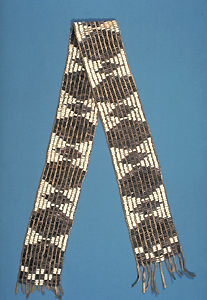
-
Article
Wanipigow Lake Archaeological Site
Wanipigow Lake is a narrow, shallow widening of the river of the same name that flows in a northwesterly direction across the Canadian Canadian Shield and into Lake Winnipeg.
"https://d3d0lqu00lnqvz.cloudfront.net/media/media/e5091b2b-bb00-4462-aac4-82e75631762a.jpg" // resources/views/front/categories/view.blade.php
https://d3d0lqu00lnqvz.cloudfront.net/media/media/e5091b2b-bb00-4462-aac4-82e75631762a.jpg
-
Article
Wapiti
Wapiti or American elk (Cervus canadensis) are the second largest (after the moose) deer in North America. The name wapiti is Shawnee for "white rump."
"https://d3d0lqu00lnqvz.cloudfront.net/deerincanada/Female-Elk.jpg" // resources/views/front/categories/view.blade.php
https://d3d0lqu00lnqvz.cloudfront.net/deerincanada/Female-Elk.jpg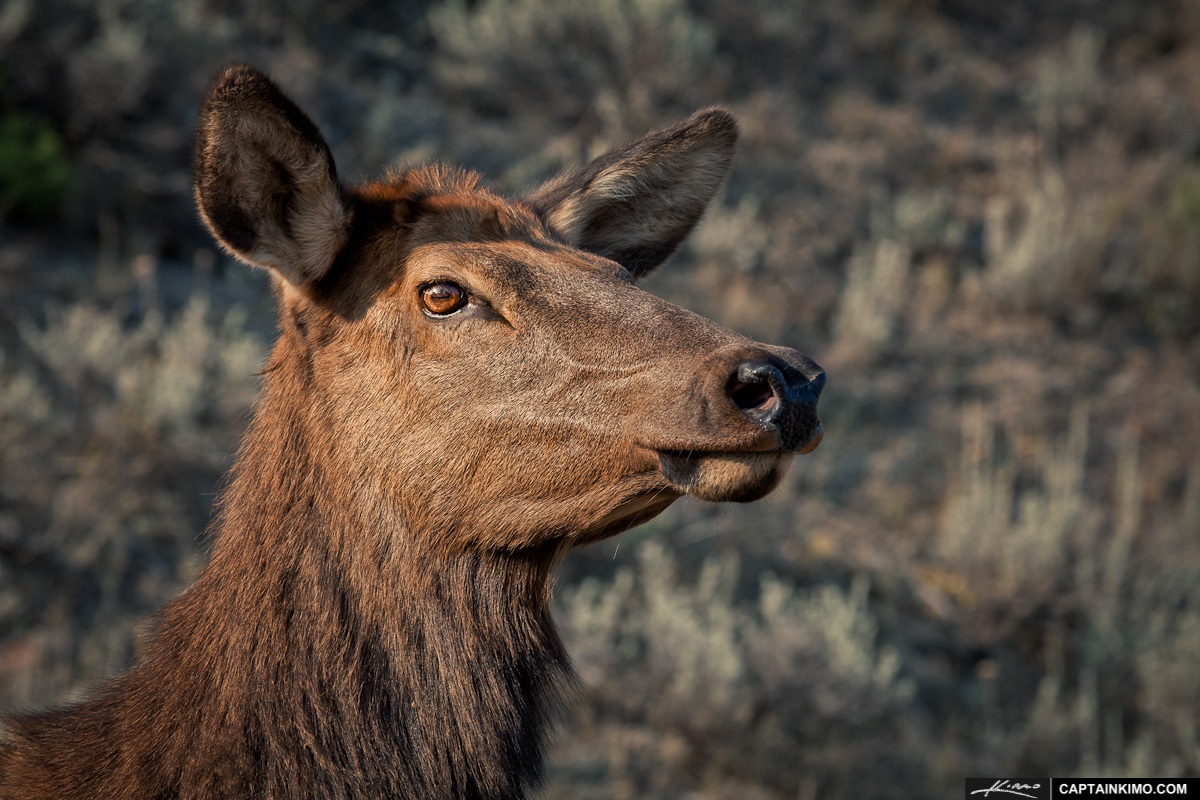
-
Article
Canadian War Art Programs
Since the First World War, there have been four major initiatives to allow Canadian artists to document Canadian Armed Forces at war. Canada’s first official war art program, the Canadian War Memorials Fund (1916–19), was one of the first government-sponsored programs of its kind. It was followed by the Canadian War Art Program (1943–46) during the Second World War. The Canadian Armed Forces Civilian Artists Program (1968–95) and the Canadian Forces Artists Program (2001–present) were established to send civilian artists to combat and peacekeeping zones. Notable Canadian war artists have included A.Y. Jackson, F.H. Varley, Lawren Harris, Alex Colville, Molly Lamb Bobak and Mary Riter Hamilton.
"https://d3d0lqu00lnqvz.cloudfront.net/media/media/4bad248a-8c22-4488-9cc9-172fcd16be88.jpg" // resources/views/front/categories/view.blade.php
https://d3d0lqu00lnqvz.cloudfront.net/media/media/4bad248a-8c22-4488-9cc9-172fcd16be88.jpg
-
Article
War Crimes
A commission of inquiry on war criminals was established in February 1985 in response to longstanding charges that Canada has become a haven for Nazi war criminals after WWII, including an allegation that Joseph Mengele has entered the country.
"https://thecanadianencyclopedia.ca/images/tce_placeholder.jpg?v=e9dca980c9bdb3aa11e832e7ea94f5d9" // resources/views/front/categories/view.blade.php
https://thecanadianencyclopedia.ca/images/tce_placeholder.jpg?v=e9dca980c9bdb3aa11e832e7ea94f5d9
-
Macleans
War Crimes Trials Begin
This article was originally published in Maclean's Magazine on May 20, 1996. Partner content is not updated.Childhood friends say they could always identify Dusan Tadic by his walk. The short but fit "Dule" or "Dusko" Tadic, as he was also known in his northwest Bosnian home town of Kozarac, had a distinctive swagger that advertised his black belt expertise in karate.
"https://thecanadianencyclopedia.ca/images/tce_placeholder.jpg?v=e9dca980c9bdb3aa11e832e7ea94f5d9" // resources/views/front/categories/view.blade.php
https://thecanadianencyclopedia.ca/images/tce_placeholder.jpg?v=e9dca980c9bdb3aa11e832e7ea94f5d9
-
Article
War Measures Act
The War Measures Act was a federal law adopted by Parliament on 22 August 1914, after the beginning of the First World War. It gave broad powers to the Canadian government to maintain security and order during “war, invasion or insurrection.” It was used, controversially, to suspend the civil liberties of people in Canada who were considered “enemy aliens” during both world wars. This led to mass arrests and detentions without charges or trials. The War Measures Act was also invoked in Quebec during the 1970 October Crisis. The Act was repealed and replaced by the more limited Emergencies Act in 1988.
"https://d3d0lqu00lnqvz.cloudfront.net/media/media/c8a1d56b-60f5-40b0-86e2-3ce31bc3e7b0.jpg" // resources/views/front/categories/view.blade.php
https://d3d0lqu00lnqvz.cloudfront.net/media/media/c8a1d56b-60f5-40b0-86e2-3ce31bc3e7b0.jpg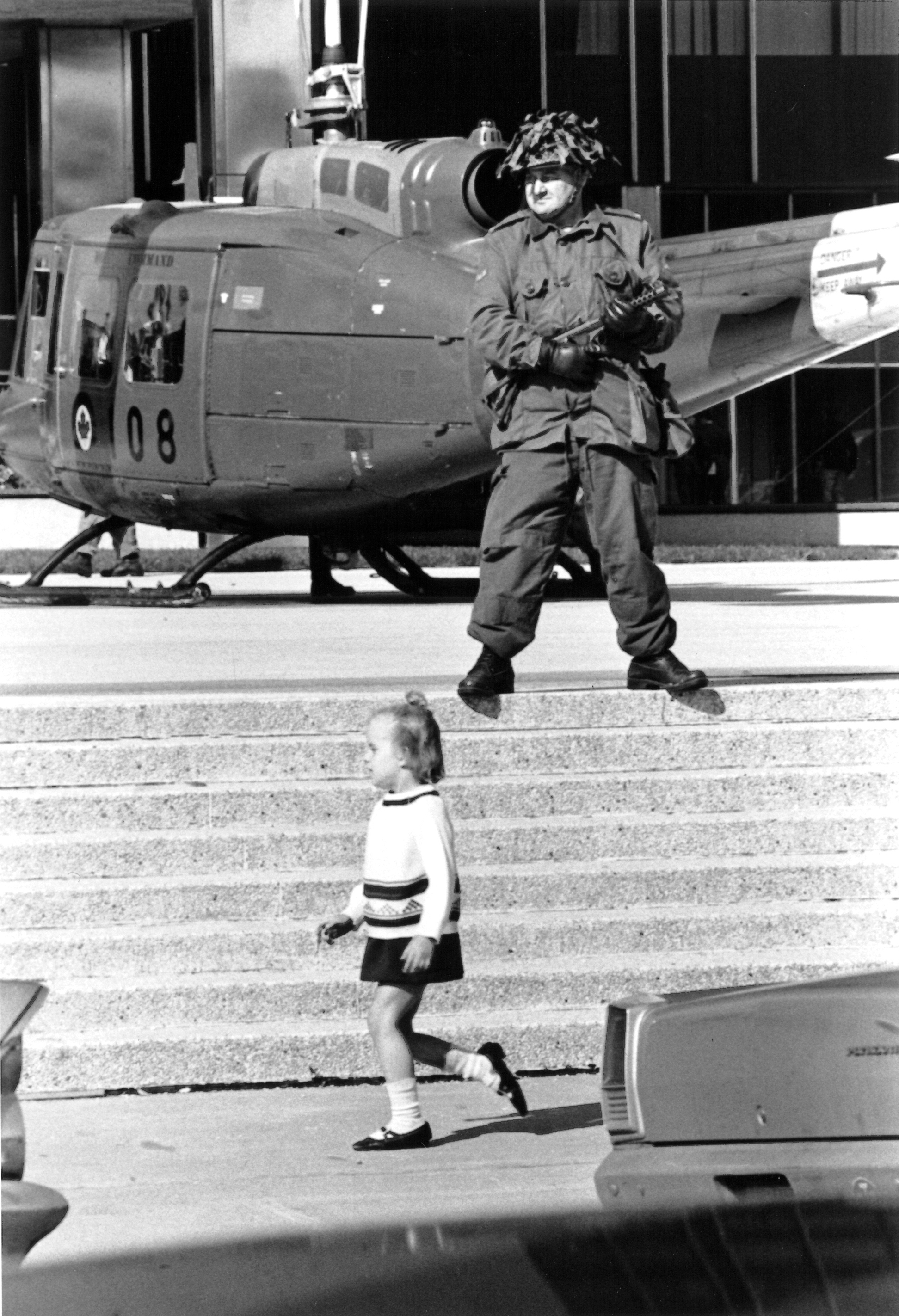
-
Article
War of 1812
The War of 1812 (which lasted from 1812 to 1814) was a military conflict between the United States and Great Britain. As a colony of Great Britain, Canada was swept up in the War of 1812 and was invaded several times by the Americans. The war was fought in Upper Canada, Lower Canada, on the Great Lakes and the Atlantic, and in the United States. The peace treaty of Ghent (1814), which ended the war, largely returned the status quo. However, in Canada, the war contributed to a growing sense of national identity, including the idea that civilian soldiers were largely responsible for repelling the American invaders. In contrast, the First Nations allies of the British and Canadian cause suffered much because of the war; not only had they lost many warriors (including the great Tecumseh), they also lost any hope of halting American expansion in the west, and their contributions were quickly forgotten by their British and Canadian allies. (See also First Nations and Métis Peoples in the War of 1812.) This article focuses primarily on land campaigns; for more detailed discussion of naval campaigns, see Atlantic Campaign of the War of 1812 and War on the Lakes in the War of 1812. Additionally, this article is a full-length entry about the War of 1812. For a plain-language summary, please see War of 1812 (Plain-Language Summary).
"https://d3d0lqu00lnqvz.cloudfront.net/media/media/56567521-2ca2-4ae0-bceb-b259db0aca8e.jpg" // resources/views/front/categories/view.blade.php
https://d3d0lqu00lnqvz.cloudfront.net/media/media/56567521-2ca2-4ae0-bceb-b259db0aca8e.jpg
-
Collection
War of 1812
The War of 1812 (which lasted from 1812 to 1814) was a military conflict between the United States and Great Britain. As a colony of Great Britain, Canada was swept up in the War of 1812 and was invaded a number of times by the Americans. The war was fought in Upper Canada, Lower Canada, on the Great Lakes and the Atlantic, and in the United States. The peace treaty of Ghent, which ended the...
"https://d3d0lqu00lnqvz.cloudfront.net/media/media/d60240b0-5df1-48c0-bd0f-e3c0fbc67705.jpg" // resources/views/front/categories/view.blade.php
https://d3d0lqu00lnqvz.cloudfront.net/media/media/d60240b0-5df1-48c0-bd0f-e3c0fbc67705.jpg
-
Timelines
War of 1812 Timeline
The war of 1812 was a military conflict between the United States and Great Britain. As a colony of Great Britain, Canada was swept up in the War of 1812 and was invaded a number of times by the Americans. This timeline allows you to explore important events that occurred during the War of 1812 (which ended in 1815), as well as significant events that happened before and after the war.
"https://d3d0lqu00lnqvz.cloudfront.net/media/media/56567521-2ca2-4ae0-bceb-b259db0aca8e.jpg" // resources/views/front/categories/view.blade.php
https://d3d0lqu00lnqvz.cloudfront.net/media/media/56567521-2ca2-4ae0-bceb-b259db0aca8e.jpg
-
Article
War of the Austrian Succession
The War of the Austrian Succession (1740–48) included conflict in Europe, North America and India. The military operations in North America are known as King George's War (1744–48).
"https://d3d0lqu00lnqvz.cloudfront.net/media/media/5a0c0b6b-1a28-4955-ac10-111582958476.jpg" // resources/views/front/categories/view.blade.php
https://d3d0lqu00lnqvz.cloudfront.net/media/media/5a0c0b6b-1a28-4955-ac10-111582958476.jpg
-
Article
War of the Spanish Succession
The War of the Spanish Succession, 1701–1714 (also known as Queen Anne's War), was a general European war that spread around the globe to include the colonies of the major powers — including French and English colonies in North America.
"https://thecanadianencyclopedia.ca/images/tce_placeholder.jpg?v=e9dca980c9bdb3aa11e832e7ea94f5d9" // resources/views/front/categories/view.blade.php
https://thecanadianencyclopedia.ca/images/tce_placeholder.jpg?v=e9dca980c9bdb3aa11e832e7ea94f5d9
-
Article
War on the Lakes in the War of 1812
The North American heartland, linked by rivers running from the north, west, and south and flowing eastwards via the St Lawrence River, saw intense fighting during the War of 1812.
"https://thecanadianencyclopedia.ca/images/tce_placeholder.jpg?v=e9dca980c9bdb3aa11e832e7ea94f5d9" // resources/views/front/categories/view.blade.php
https://thecanadianencyclopedia.ca/images/tce_placeholder.jpg?v=e9dca980c9bdb3aa11e832e7ea94f5d9
-
Article
Warbler
Warbler is a name applied to several groups of birds, primarily the New World wood warblers, and Old World warblers of which only 3 species commonly breed in Canada.
"https://d3d0lqu00lnqvz.cloudfront.net/media/media/8ba88883-d122-40fb-9532-84b5544afa79.jpg" // resources/views/front/categories/view.blade.php
https://d3d0lqu00lnqvz.cloudfront.net/media/media/8ba88883-d122-40fb-9532-84b5544afa79.jpg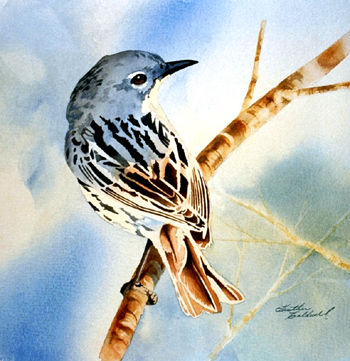
-
Article
Ward Method
Ward method. Initially a liturgical movement as well as a music-training system. It was developed by Justine Ward (USA 1880-1975) to accommodate the directives of Pius X's Motu proprio (1903) for the renewal of sacred song.
"https://thecanadianencyclopedia.ca/images/tce_placeholder.jpg?v=e9dca980c9bdb3aa11e832e7ea94f5d9" // resources/views/front/categories/view.blade.php
https://thecanadianencyclopedia.ca/images/tce_placeholder.jpg?v=e9dca980c9bdb3aa11e832e7ea94f5d9