
Browse "Things"
-
Article
Trout in Canada
Trout is the common name given to the species of freshwater fish from three genera, all members of the salmon family (Salmonidae). Trouts include the brown trout (Salmo trutta) and Atlantic salmon (S. Salar). Rainbow and cutthroat trouts are placed in the genus Oncorhynchus (O. mykiss and O. clarki respectively) along with Pacific salmon. These three species all originated in Pacific drainages. Several chars of the genus Salvelinus are also commonly called trout, including lake trout (S. namaycush), brook or speckled trout (S. fontinalis) and bull trout (S. confluentus). The bull trout is the provincial fish of Alberta, and the brook trout is the provincial fish of Nova Scotia.
"https://d3d0lqu00lnqvz.cloudfront.net/trout/rainbow-trout.jpg" // resources/views/front/categories/view.blade.php
https://d3d0lqu00lnqvz.cloudfront.net/trout/rainbow-trout.jpg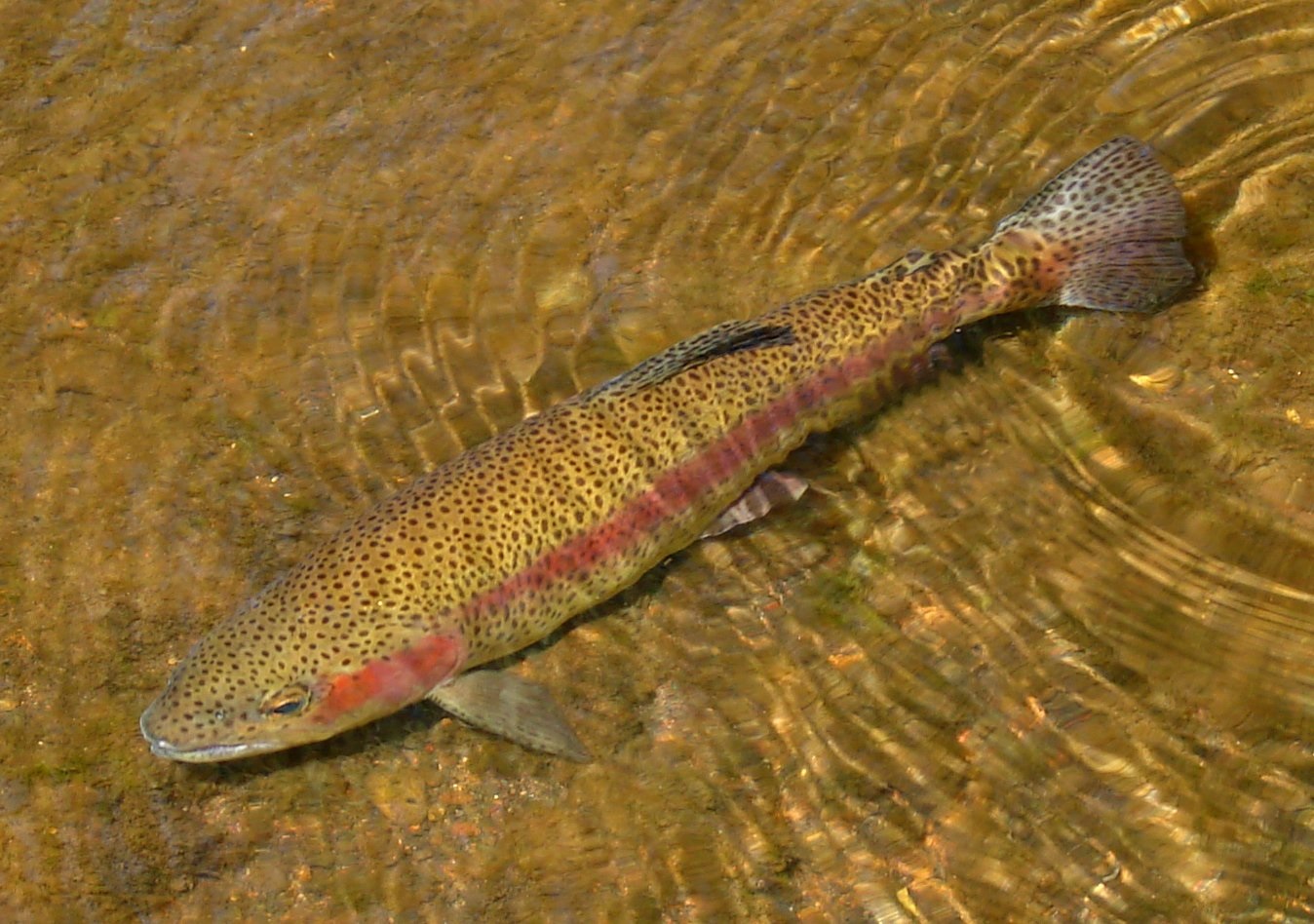
-
Macleans
Truscott's Quest for Vindication Continues
This article was originally published in Maclean’s magazine on November 8, 2004. Partner content is not updated. Once a 14-year-old boy on death row, Steven Truscott was for the longest time Canada's poster case for the abolition of capital punishment. His 1959 conviction for the rape and strangulation of grade-school friend Lynne Harper, 12, shocked and divided Canadians for decades.
"https://thecanadianencyclopedia.ca/images/tce_placeholder.jpg?v=e9dca980c9bdb3aa11e832e7ea94f5d9" // resources/views/front/categories/view.blade.php
https://thecanadianencyclopedia.ca/images/tce_placeholder.jpg?v=e9dca980c9bdb3aa11e832e7ea94f5d9
-
Article
Trust Company
A trust company is the only legal entity that can act as a trustee by holding property in TRUST for such functions as executors, trustees and administrators of estates, personal trusts, PENSION plans and MUTUAL FUNDS.
"https://thecanadianencyclopedia.ca/images/tce_placeholder.jpg?v=e9dca980c9bdb3aa11e832e7ea94f5d9" // resources/views/front/categories/view.blade.php
https://thecanadianencyclopedia.ca/images/tce_placeholder.jpg?v=e9dca980c9bdb3aa11e832e7ea94f5d9
-
Article
Truth and Reconciliation Commission
The Truth and Reconciliation Commission of Canada (TRC) was officially launched in 2008 as part of the Indian Residential Schools Settlement Agreement (IRSSA). Intended to be a process that would guide Canadians through the difficult discovery of the facts behind the residential school system, the TRC was also meant to lay the foundation for lasting reconciliation across Canada.This is the full-length entry about the Truth and Reconciliation Commission. For a plain language summary, please see Truth and Reconciliation Commission (Plain Language Summary).
"https://d3d0lqu00lnqvz.cloudfront.net/media/media/2bd71aaf-ebc5-44e0-9f91-e4d07b16e81d.jpg" // resources/views/front/categories/view.blade.php
https://d3d0lqu00lnqvz.cloudfront.net/media/media/2bd71aaf-ebc5-44e0-9f91-e4d07b16e81d.jpg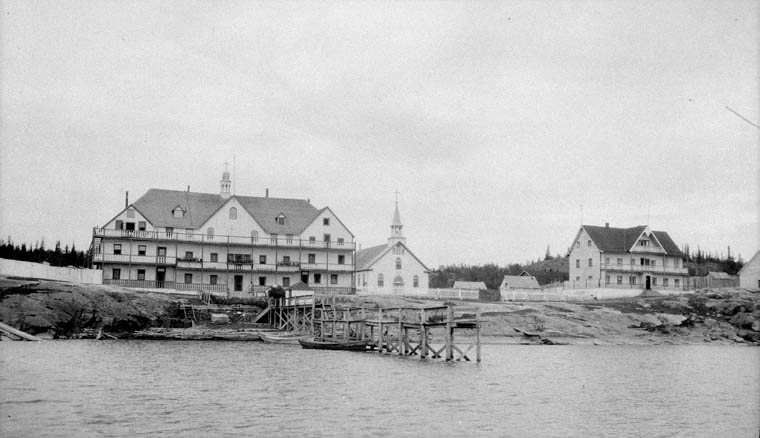
-
Article
Truth and Reconciliation Commission of Canada: Calls to Action
The Truth and Reconciliation Commission of Canada (TRC) was officially launched in 2008 as part of the Indian Residential Schools Settlement Agreement. This multi-faceted agreement was intended to compensate survivors for the harms they suffered in residential schools, and to work towards a more just and equitable future for Indigenous peoples. The TRC was also meant to lay the foundation for lasting reconciliation across Canada. The TRC’s six-volume final report was released on 15 December 2015. It argued that the residential school program resulted in cultural genocide and outlined 94 Calls to Action.
"https://d3d0lqu00lnqvz.cloudfront.net/media/media/a042133-v6.jpg" // resources/views/front/categories/view.blade.php
https://d3d0lqu00lnqvz.cloudfront.net/media/media/a042133-v6.jpg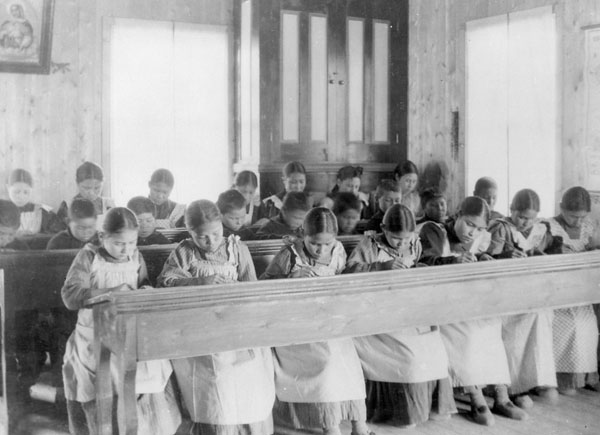
-
Article
Truth and Reconciliation Commission (Plain-Language Summary)
The Truth and Reconciliation Commission (TRC) started working in 2008. It was a result of the Indian Residential Schools Settlement Agreement (IRSSA). The IRSSA recognized the suffering and trauma experienced by Indigenous students at residential schools. It also provided financial compensation (money) to the students. The TRC performed many tasks. It created a national research centre. It collected documents from churches and government. It held events where students told their stories. Also, it did research about residential schools and issued a final report. (See also Reconciliation in Canada.)
"https://d3d0lqu00lnqvz.cloudfront.net/media/media/2bd71aaf-ebc5-44e0-9f91-e4d07b16e81d.jpg" // resources/views/front/categories/view.blade.php
https://d3d0lqu00lnqvz.cloudfront.net/media/media/2bd71aaf-ebc5-44e0-9f91-e4d07b16e81d.jpg
-
Article
Tseshaht (Sheshaht)
The Tseshaht (also Ts’ishaa7ath or Ć̓išaaʔatḥ; formerly Sheshaht) are a Nuu-chah-nulth First Nation living in Barkley Sound and Alberni Inlet, Vancouver Island, British Columbia. As of November 2025, the federal government counted 1,279 registered members of the Tseshaht First Nation, the majority of whom (781) live off reserve.
"https://d3d0lqu00lnqvz.cloudfront.net/media/media/d8ac030b-9728-428c-a546-17223668b49b.jpg" // resources/views/front/categories/view.blade.php
https://d3d0lqu00lnqvz.cloudfront.net/media/media/d8ac030b-9728-428c-a546-17223668b49b.jpg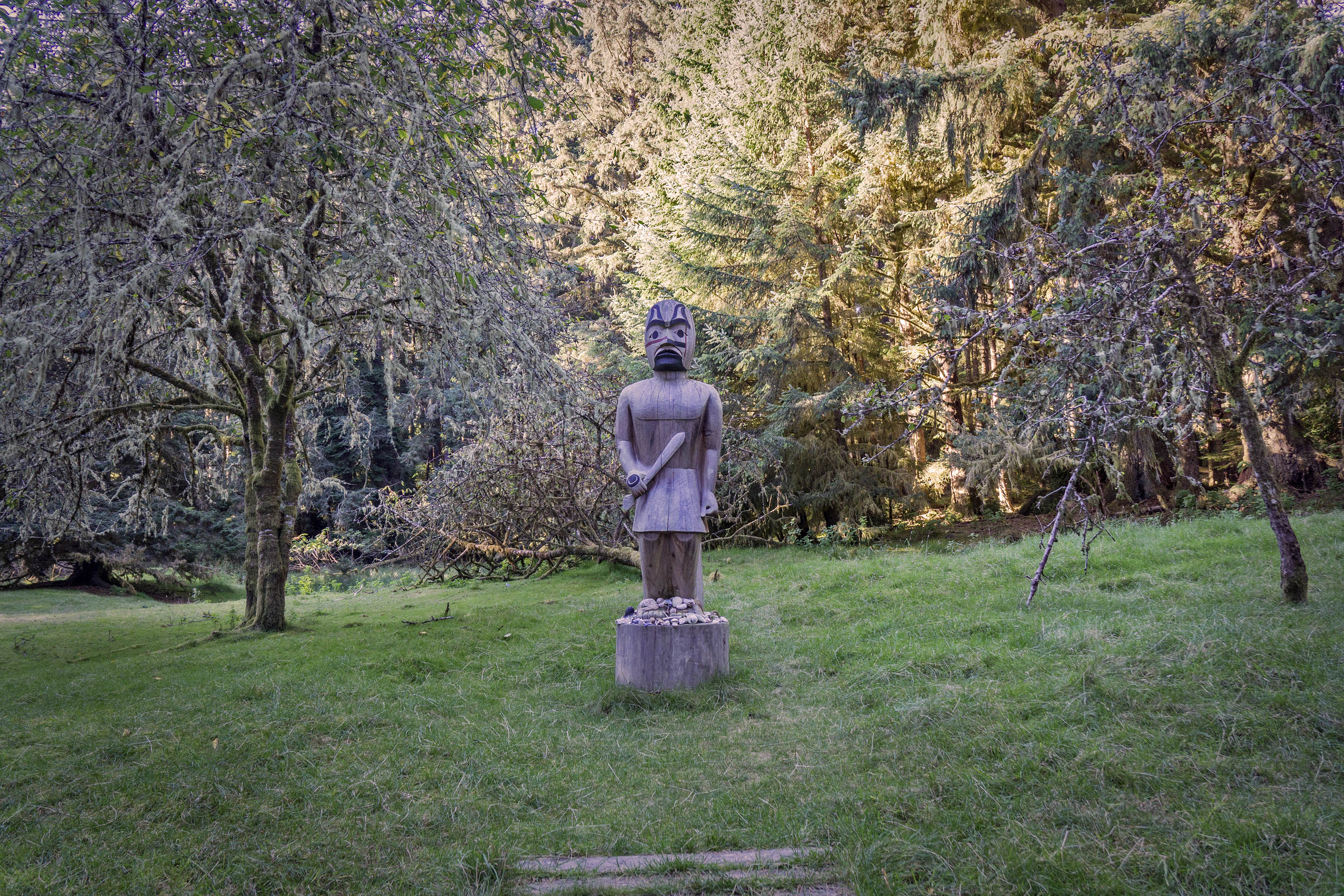
-
Article
Tsilhqot'in Case
In Tsilhqot’in Nation v. British Columbia (2014), the Supreme Court of Canada issued the first-ever declaration of Aboriginal title in Canadian history. It recognized the Tsilhqot’in Nation’s rights over 1,700 km² of their traditional territory (see also Indigenous Territory). This landmark ruling clarified the legal test for Aboriginal title. It also affirmed Indigenous land rights based on historical occupation (see also Rights of Indigenous Peoples in Canada). The decision overturned colonial-era assumptions like terra nullius, marked a significant step in reconciliation and set a powerful precedent for Indigenous nations across Canada pursuing land claims (see also Doctrine of Discovery; Colonialism in Canada).
"https://d3d0lqu00lnqvz.cloudfront.net/media/media/a4e59d7a-0581-47a1-a5ff-60757732f349.jpg" // resources/views/front/categories/view.blade.php
https://d3d0lqu00lnqvz.cloudfront.net/media/media/a4e59d7a-0581-47a1-a5ff-60757732f349.jpg
-
Article
TSN (The Sports Network)
The Sports Network (TSN) was established in 1984 as Canada's first national television network devoted exclusively to sports. Currently parented by CTV (since 2001), TSN has become the most widely viewed Canadian specialty channel, with nearly 8 million subscribers.
"https://thecanadianencyclopedia.ca/images/tce_placeholder.jpg?v=e9dca980c9bdb3aa11e832e7ea94f5d9" // resources/views/front/categories/view.blade.php
https://thecanadianencyclopedia.ca/images/tce_placeholder.jpg?v=e9dca980c9bdb3aa11e832e7ea94f5d9
-
Article
Tsunami
A tsunami is a series of travelling ocean waves usually caused by a large earthquake beneath or near the ocean. Volcanic eruptions, submarine landslides and coastal rockfalls can also generate one, as can a large meteorite impacting the ocean. Most tsunamis occur in the Pacific Ocean; however, people and property in all coastal areas are at risk. The 26 December 2004 tsunami in the Indian Ocean, which killed or displaced 230,000 people, was one of the largest tsunami events of the last 100 years. These very large tsunamis (called teletsunamis) can be destructive across entire ocean basins. This makes them the most far-reaching of all natural disasters.
"https://d3d0lqu00lnqvz.cloudfront.net/media/media/3498270b-80a2-4f3a-866c-6b89e901af97.jpg" // resources/views/front/categories/view.blade.php
https://d3d0lqu00lnqvz.cloudfront.net/media/media/3498270b-80a2-4f3a-866c-6b89e901af97.jpg
-
Article
Tuberculosis
Tuberculosis (TB) has been known and dreaded since Hippocratic times (460-377 BCE). It was once known as "consumption" and claimed the lives of such famous people as the Brontë sisters, Robert Louis Stevenson and Vivian Leigh.
"https://d3d0lqu00lnqvz.cloudfront.net/media/media/24478bd6-f253-477b-9a25-5061605c986c.jpg" // resources/views/front/categories/view.blade.php
https://d3d0lqu00lnqvz.cloudfront.net/media/media/24478bd6-f253-477b-9a25-5061605c986c.jpg
-
Article
Tumpline
A tumpline is a strap that crosses the head (sometimes the chest) and is used for carrying a pack. In Canada, Indigenous peoples and early settlers used this load-bearing device to carry goods over long distances. Tumplines are still used all over the world, from people in rural communities to modern outdoor outfitters.
"https://d3d0lqu00lnqvz.cloudfront.net/media/media/6a17e8ef-ea02-47b8-b371-6afc61d48f0a.jpg" // resources/views/front/categories/view.blade.php
https://d3d0lqu00lnqvz.cloudfront.net/media/media/6a17e8ef-ea02-47b8-b371-6afc61d48f0a.jpg
-
Article
Tuna
The tuna is a swift, elegant marine fish of class Actinopterygii, order Perciformes, family Scombridae (mackerels).
"https://d3d0lqu00lnqvz.cloudfront.net/media/media/6954bf65-e5dd-4309-b2be-fe3047da446d.jpg" // resources/views/front/categories/view.blade.php
https://d3d0lqu00lnqvz.cloudfront.net/media/media/6954bf65-e5dd-4309-b2be-fe3047da446d.jpg
-
Article
Tunagate
Tunagate (also known as the tainted tuna scandal) was a 1985 political scandal. It involved federal government interference with the work of food inspectors, and the subsequent sale of canned tuna that had previously been deemed unfit for human consumption. It was the first major scandal of the Brian Mulroney government and raised questions about his cabinet’s competency. The scandal led to the resignation of the federal fisheries minister, laws to prevent political interference in the work of food inspectors, stronger food quality regulations, and the closing of the only tuna canning plant in Canada.
"https://d3d0lqu00lnqvz.cloudfront.net/media/media/6954bf65-e5dd-4309-b2be-fe3047da446d.jpg" // resources/views/front/categories/view.blade.php
https://d3d0lqu00lnqvz.cloudfront.net/media/media/6954bf65-e5dd-4309-b2be-fe3047da446d.jpg
-
Article
Tungsten
Tungsten (W), also called Wolfram, lapis ponderosus or Heavy Stone, is a silver-grey metallic element with the highest melting point of any metal (3410° C). Tungsten has a high density, high strength at elevated temperatures and extreme hardness.
"https://thecanadianencyclopedia.ca/images/tce_placeholder.jpg?v=e9dca980c9bdb3aa11e832e7ea94f5d9" // resources/views/front/categories/view.blade.php
https://thecanadianencyclopedia.ca/images/tce_placeholder.jpg?v=e9dca980c9bdb3aa11e832e7ea94f5d9