Browse "Things"
-
Article
Treaty of Versailles 1919
The Treaty of Versailles is the name given to the document stipulating the peace terms imposed on Germany by the Allied victors of the First World War. It was signed on 28 June 1919. According to the terms of the treaty, Germany was responsible for the war and had to pay heavy reparations, among other conditions. The Treaty of Versailles included plans for the League of Nations, of which Canada would be a member. Canada had separate representation at the conference where the treaty was negotiated, marking an important stage in the gradual movement toward Canadian independence from Great Britain.
"https://d3d0lqu00lnqvz.cloudfront.net/media/Categories_Placeholders/LAC/First World War - 3403907.jpg" // resources/views/front/categories/view.blade.php
https://d3d0lqu00lnqvz.cloudfront.net/media/Categories_Placeholders/LAC/First World War - 3403907.jpg
-
Article
Treaty of Washington
Washington, Treaty of, negotiated in 1871, came into effect in 1873. Canadian PM Sir John A. MACDONALD was one of 5 commissioners chosen to represent British interests, but he held little power during the deliberations.
"https://thecanadianencyclopedia.ca/images/tce_placeholder.jpg?v=e9dca980c9bdb3aa11e832e7ea94f5d9" // resources/views/front/categories/view.blade.php
https://thecanadianencyclopedia.ca/images/tce_placeholder.jpg?v=e9dca980c9bdb3aa11e832e7ea94f5d9
-
Article
Treeline
The treeline is controlled by CLIMATE in interaction with SOIL. In the North, it is correlated generally with the modal (most common) position of the southern edge of the arctic front in summer, and with such temperature indices as the July 10°C isotherm.
"https://thecanadianencyclopedia.ca/images/tce_placeholder.jpg?v=e9dca980c9bdb3aa11e832e7ea94f5d9" // resources/views/front/categories/view.blade.php
https://thecanadianencyclopedia.ca/images/tce_placeholder.jpg?v=e9dca980c9bdb3aa11e832e7ea94f5d9
-
Article
Trees in Canada
Trees are single-stemmed, perennial, woody plants taller than 3 m and exceeding 8 cm in diameter at breast height; shrubs are multistemmed and smaller. These definitions are somewhat arbitrary, since many species (e.g., willow, alder, cherry, maple) can grow as trees or shrubs, depending on the environment. Counting the 30-odd shrubs that assume tree form under favourable conditions, there are about 140 native Canadian trees. The largest and oldest grow in the Pacific temperate rain forest. Douglas fir is an imposing example and, although it does not reach the size of redwoods or the age of bristlecone pines, specimens 90 m tall, 5 m in basal diameter, and older than 1,000 years have been reported. Canada's tallest reported tree (95 m) is a Sitka spruce, the "Carmanah Giant" in the Carmanah Valley on the west coast of Vancouver Island. Canada's tallest Douglas fir, 94.3 m in height and 8.07 m in circumference, stands near Coquitlam, BC.
"https://d3d0lqu00lnqvz.cloudfront.net/sprucetrees/The_San_Juan_Spruce.jpg" // resources/views/front/categories/view.blade.php
https://d3d0lqu00lnqvz.cloudfront.net/sprucetrees/The_San_Juan_Spruce.jpg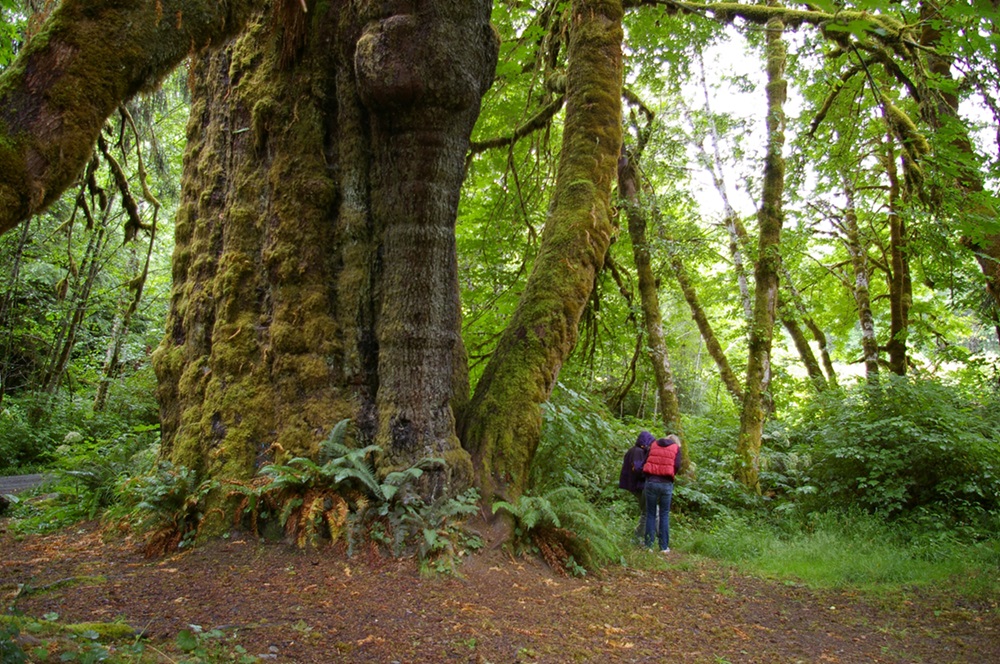
-
Article
Trench Warfare
Trench warfare is combat in which opposing armies defend, attack and counterattack from relatively fixed systems of holes dug into the ground. It is adopted when superior defensive firepower forces each side to entrench widely, trading mobility for protection. Trench warfare reached its zenith during the First World War (1914–18) on the Western Front in France and Belgium’s Flanders region. In the popular imagination, trench warfare on the Western Front is associated with the most horrific conditions of the First World War.
"https://d3d0lqu00lnqvz.cloudfront.net/Trench/LAC PA-000568.png" // resources/views/front/categories/view.blade.php
https://d3d0lqu00lnqvz.cloudfront.net/Trench/LAC PA-000568.png
-
Article
Trent Affair
On 8 November 1861, seven months after the onset of the American Civil War, American Captain Charles Wilkes stopped RMS Trent, an unarmed British ship, in international waters between Cuba and the Bahamas. He took two Confederate envoys prisoner. The incident led to a diplomatic crisis between Britain and the United States that nearly led to a war that would have involved Canada. The Trent Affair was peacefully resolved when the two envoys were released on 1 January 1862 and allowed passage to Britain.
"https://d3d0lqu00lnqvz.cloudfront.net/TrentAffair/Trent_affair-boarding.jpg" // resources/views/front/categories/view.blade.php
https://d3d0lqu00lnqvz.cloudfront.net/TrentAffair/Trent_affair-boarding.jpg
-
Article
Triangular Trade
The triangular trade was a trade route connecting France, New France and the West Indies. It was established by France’s comptroller general of finance, Jean-Baptiste Colbert, and applied in Canada in 1667 by Jean Talon, the intendant of New France. The triangular trade enabled New France to diversify its economy and establish its position on the international trade networks.
"https://d3d0lqu00lnqvz.cloudfront.net/media/media/e010947298-v8.jpg" // resources/views/front/categories/view.blade.php
https://d3d0lqu00lnqvz.cloudfront.net/media/media/e010947298-v8.jpg
-
Article
Triathlon
The first recorded triathlon was held in California in 1974 by the San Diego Track and Field Club at Mission Bay. There are now more than 6 million athletes participating in the sport worldwide and almost 100 national federations.
"https://d3d0lqu00lnqvz.cloudfront.net/media/media/0d05c4b1-2c31-42f2-9ceb-6f343ec2291d.jpg" // resources/views/front/categories/view.blade.php
https://d3d0lqu00lnqvz.cloudfront.net/media/media/0d05c4b1-2c31-42f2-9ceb-6f343ec2291d.jpg
-
Article
Triceratops
Triceratops is a genus of plant-eating, horned dinosaur. There are two species of Triceratops: T. Horridus and T. Prorsus. Triceratops lived between 68 million and 66 million years ago during the Late Cretaceous period. The name Triceratops is of Greek origin and means “three-horned face.” Triceratops remains are among the most abundant dinosaur fossils found, though this is more true in the United States than in Canada. In 1921, paleontologist Charles M. Sternberg found the first Triceratops fossil from Canada, discovered in southern Saskatchewan. Paleontologists have also discovered Triceratops fossils in Alberta. (See also Dinosaurs Found in Canada.)
"https://d3d0lqu00lnqvz.cloudfront.net/triceratops/triceratopsspecimen.jpg" // resources/views/front/categories/view.blade.php
https://d3d0lqu00lnqvz.cloudfront.net/triceratops/triceratopsspecimen.jpg
-
Article
Trillium
Trillium, common and generic name of a perennial plant of the Trilliaceae family (sometimes classified as a subfamily of the LILY family). The name derives from the arrangement of leaves, petals and sepals in groups of 3. The
"https://d3d0lqu00lnqvz.cloudfront.net/media/media/aa1088a8-87d6-4b84-8811-f34fbfa0b9a7.jpg" // resources/views/front/categories/view.blade.php
https://d3d0lqu00lnqvz.cloudfront.net/media/media/aa1088a8-87d6-4b84-8811-f34fbfa0b9a7.jpg
-
Article
Trilobite
Trilobites are extinct marine arthropods of the Palaeozoic era (544–300 million years ago). Their closest modern relative is the horseshoe crab. Trilobite fossils are relatively abundant throughout Canada.
"https://d3d0lqu00lnqvz.cloudfront.net/trilobite/Trilobite-Fossil.jpg" // resources/views/front/categories/view.blade.php
https://d3d0lqu00lnqvz.cloudfront.net/trilobite/Trilobite-Fossil.jpg
-
Article
Triticale
Triticale (Triticosecale Wittmack), the first man-made crop species, is initially produced by crossing wheat (genus Triticum) with rye (Secale), and resembles wheat.
"https://d3d0lqu00lnqvz.cloudfront.net/media/media/968ada8b-613f-4a8f-9cfe-228d13b3a75d.jpg" // resources/views/front/categories/view.blade.php
https://d3d0lqu00lnqvz.cloudfront.net/media/media/968ada8b-613f-4a8f-9cfe-228d13b3a75d.jpg
-
Article
Trivial Pursuit
Trivial Pursuit is a board game that was invented by Canadians Chris Haney and Scott Abbott in December 1979. The game quickly became a massive international success and a defining pop culture artifact of the 1980s. It ushered in a new wave of board game popularity and was called “the biggest phenomenon in game history” by Time Magazine. First introduced in Canada in 1981 and in the United States in 1982, the game had sold more than 20 million copies by 1984. Total sales are estimated to have exceeded $1 billion and more than 100 million copies worldwide. The game is named after a common term for a frivolous activity (like a board game), which also literally describes the nature of the game (players answer trivia questions in pursuit of the most correct answers). Trivial Pursuit has been translated into multiple languages and re-issued in numerous editions.
"https://d3d0lqu00lnqvz.cloudfront.net/Trivial_Pursuit_at_Pyynikin_Taproom.jpg" // resources/views/front/categories/view.blade.php
https://d3d0lqu00lnqvz.cloudfront.net/Trivial_Pursuit_at_Pyynikin_Taproom.jpg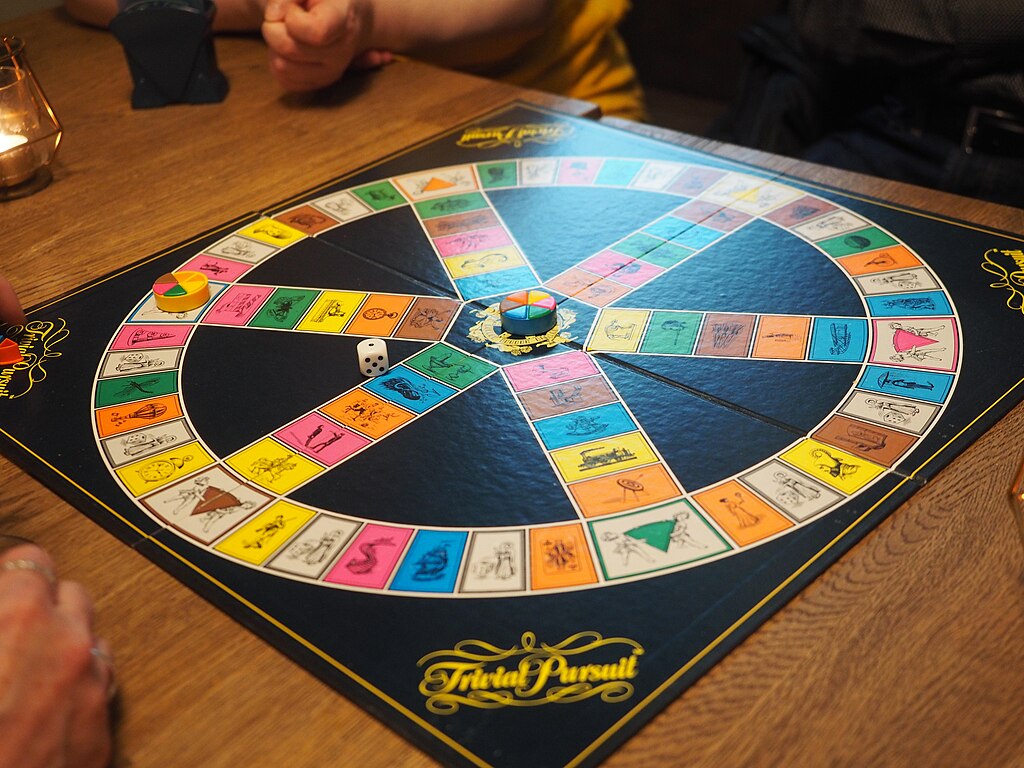
-
Macleans
Troops Move Into East Timor
The two Huey helicopters carrying Maj. Alain Gauthier and platoon commanders from Canada's Royal 22nd Regiment drifted low over the coastal flats of southern East Timor. Below, the giant leaves of banana trees swayed gently in what passes for breeze in the torpid tropical heat.This article was originally published in Maclean's Magazine on November 8, 1999
"https://thecanadianencyclopedia.ca/images/tce_placeholder.jpg?v=e9dca980c9bdb3aa11e832e7ea94f5d9" // resources/views/front/categories/view.blade.php
https://thecanadianencyclopedia.ca/images/tce_placeholder.jpg?v=e9dca980c9bdb3aa11e832e7ea94f5d9
-
Article
Troupes de la Marine
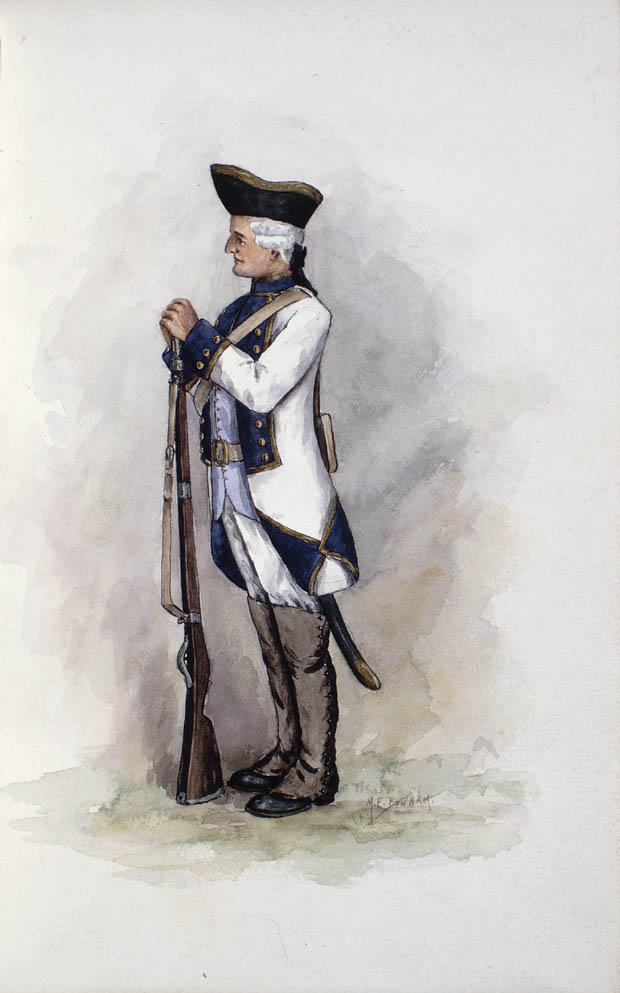
The Troupes de la Marine (also known as the Compagnies franches de la Marine) were French regular infantry soldiers under the control of the Ministère de la Marine. Their key purpose was to defend France’s overseas colonial possessions, including New-France. These soldiers can be considered Canada’s first permanent regular army.
"https://d3d0lqu00lnqvz.cloudfront.net/media/media/c006216k.jpg" // resources/views/front/categories/view.blade.php
https://d3d0lqu00lnqvz.cloudfront.net/media/media/c006216k.jpg