
Browse "Things"
-
Macleans
Surviving 1998's Great Ice Storm
In a dark high-school hallway in Cowansville, Que., two elderly women tried to play canasta by candlelight one night last week. Since the power went out on Jan.This article was originally published in Maclean's Magazine on January 26, 1998
"https://thecanadianencyclopedia.ca/images/tce_placeholder.jpg?v=e9dca980c9bdb3aa11e832e7ea94f5d9" // resources/views/front/categories/view.blade.php
https://thecanadianencyclopedia.ca/images/tce_placeholder.jpg?v=e9dca980c9bdb3aa11e832e7ea94f5d9
-
Article
Sustainability in Canada
Sustainability is the ability of the biosphere, or of a certain resource or practice, to persist in a state of balance over the long term. The concept of sustainability also includes things humans can do to preserve such a balance. Sustainable development, for instance, pairs such actions with growth. It aims to meet the needs of the present while ensuring that future people will be able to meet their needs.
"https://d3d0lqu00lnqvz.cloudfront.net/media/new_article_images/Sustainability/Planet_earth.jpg" // resources/views/front/categories/view.blade.php
https://d3d0lqu00lnqvz.cloudfront.net/media/new_article_images/Sustainability/Planet_earth.jpg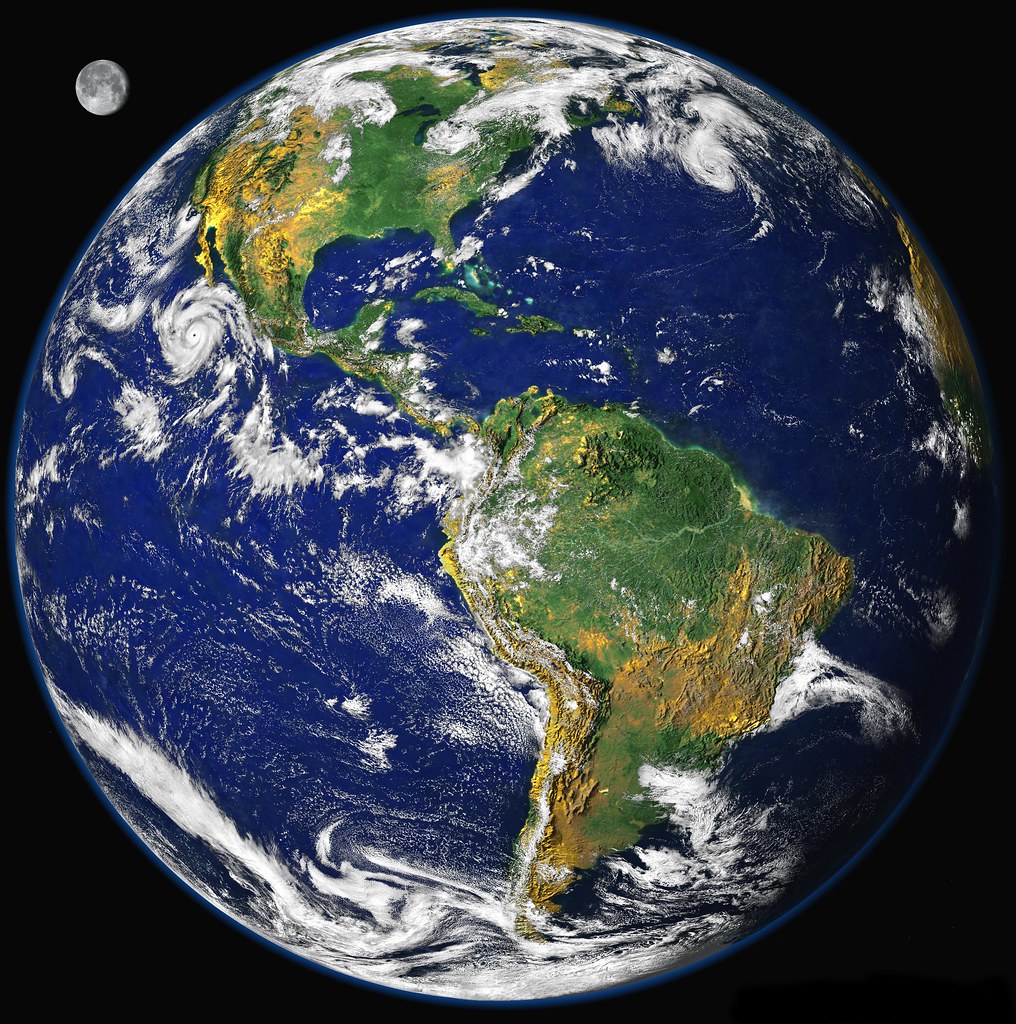
-
Article
Sustainable Development
Sustainable development has been defined by the United Nations (UN) as development that “meets the needs of the present” while ensuring the future sustainability of the planet, its people and its resources. Meeting these needs often requires balancing three key features of sustainable development: environmental protection, economic growth and social inclusion. The goals of sustainable development are interconnected. The most successful sustainable development projects will include environmental, economic and social considerations in their final plan. These considerations must include the free, prior and informed consent of any Indigenous groups impacted by a sustainable development project.
"https://d3d0lqu00lnqvz.cloudfront.net/media/new_article_images/Sustainability/Planet_earth.jpg" // resources/views/front/categories/view.blade.php
https://d3d0lqu00lnqvz.cloudfront.net/media/new_article_images/Sustainability/Planet_earth.jpg
-
Article
Sutherland Steam Mill
The Sutherland Steam Mill, situated in Denmark, NS, is a provincial HISTORIC SITE. Most of the early sawmills in NOVA SCOTIA relied on water power, but in the 1890s, when Alexander Sutherland built this mill, steam power was rapidly replacing water power for most industrial uses.
"https://thecanadianencyclopedia.ca/images/tce_placeholder.jpg?v=e9dca980c9bdb3aa11e832e7ea94f5d9" // resources/views/front/categories/view.blade.php
https://thecanadianencyclopedia.ca/images/tce_placeholder.jpg?v=e9dca980c9bdb3aa11e832e7ea94f5d9
-
Article
Sutil and Mexicana
In 1792, after exploratory voyages by Spaniards Manuel Quimper (1790) and Francisco de Eliza (1791), the extent of Juan de Fuca Strait remained a mystery. Some still believed the strait held the entry to the fabled Northwest Passage.
"https://thecanadianencyclopedia.ca/images/tce_placeholder.jpg?v=e9dca980c9bdb3aa11e832e7ea94f5d9" // resources/views/front/categories/view.blade.php
https://thecanadianencyclopedia.ca/images/tce_placeholder.jpg?v=e9dca980c9bdb3aa11e832e7ea94f5d9
-
Article
Swain Case
The Supreme Court of Canada held in the Swain case (1991) that section 542(2) of the Criminal Code (now section 614) was intra vires the federal Parliament or, in other words, valid. This section dealt with the automatic detention of a person found not guilty by reason of mental incapacity.
"https://thecanadianencyclopedia.ca/images/tce_placeholder.jpg?v=e9dca980c9bdb3aa11e832e7ea94f5d9" // resources/views/front/categories/view.blade.php
https://thecanadianencyclopedia.ca/images/tce_placeholder.jpg?v=e9dca980c9bdb3aa11e832e7ea94f5d9
-
Article
Swallows in Canada
The swallow (Hirundinidae) is a small family of passerine birds including about 90 species worldwide, of which eight are native to Canada, including the tree swallow (Tachycineta bicolor), the barn swallow (Hirundo rustica), the cliff swallow (Petrochelidon pyrrhonota), the northern rough-winged swallow (Stelgydopteryx serripennis), the violet-green swallow (Tachycineta thalassina), the bank swallow (Riperia riperia), the cave swallow (Petrochelidon fulva) and the purple martin (Progne subis).
"https://d3d0lqu00lnqvz.cloudfront.net/swallowsincanada/Bank-Swallow.jpg" // resources/views/front/categories/view.blade.php
https://d3d0lqu00lnqvz.cloudfront.net/swallowsincanada/Bank-Swallow.jpg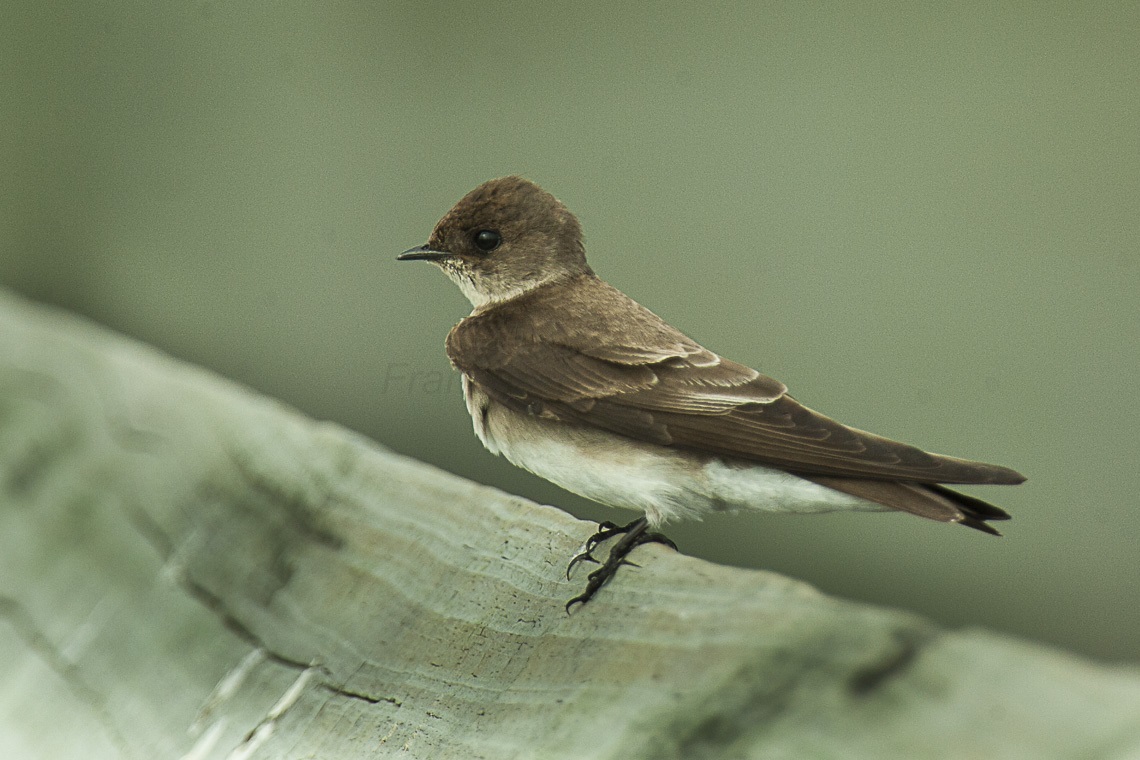
-
Article
Swans in Canada
The swan is a large waterfowl with an elongated neck and a narrow patch of naked skin in front of the eye. Swans have longer necks with more vertebrae (23–25), shorter legs and larger feet than geese, which they superficially resemble. Seven species of true swans are recognized. Tundra and trumpeter swans (Cygnus columbianus and C. buccinator) are native to Canada.
"https://d3d0lqu00lnqvz.cloudfront.net/swan/trumpeter-swan.jpg" // resources/views/front/categories/view.blade.php
https://d3d0lqu00lnqvz.cloudfront.net/swan/trumpeter-swan.jpg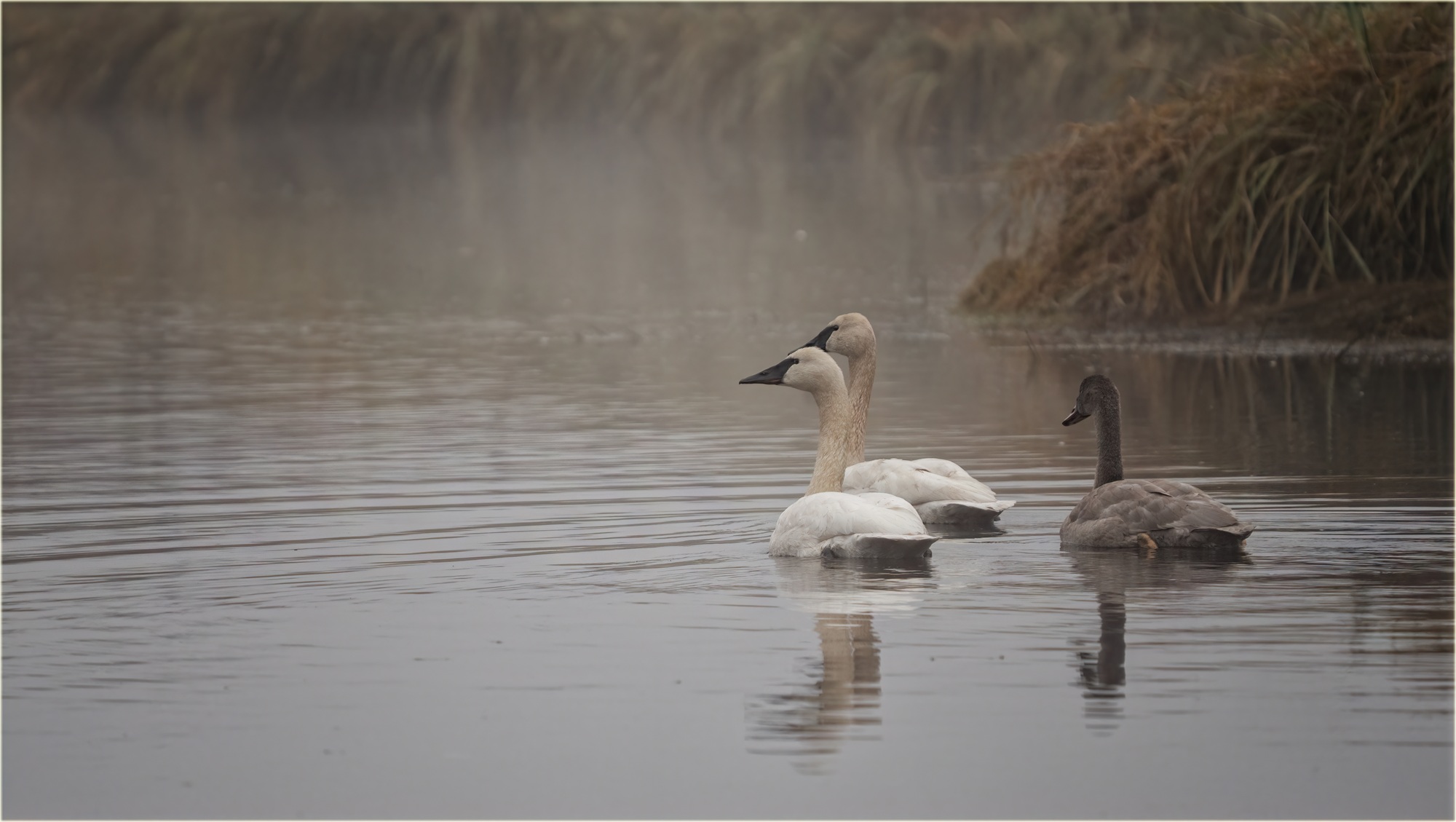
-
Article
Sweat Lodge
Sweat lodges are heated, dome-shaped structures used by Indigenous peoples during certain purification rites and as a way to promote healthy living.
"https://d3d0lqu00lnqvz.cloudfront.net/media/media/1f3048e8-c0db-4b13-a5c8-c5c727b435fd.jpg" // resources/views/front/categories/view.blade.php
https://d3d0lqu00lnqvz.cloudfront.net/media/media/1f3048e8-c0db-4b13-a5c8-c5c727b435fd.jpg
-
Article
Sweet Apple
The sweet apple (Malus pumila) is a cultivated species of the rose family and Canada's most important tree fruit crop. The sweet apple likely originated in the Heavenly Mountains (Tian Shan) of western China, and was brought to the Middle East on the Silk Road. Wild apple forests can still be found in central Asia, especially in Kazakhstan. The sweet apple is believed to have arisen from an interspecies hybridization in the distant past. Many wild species of Malus have been recognized, but some are hybrids among about 40 true species (nine of which are native to North America). Cultivated varieties (cultivars) were recognized at least by the 3rd century BCE, and valued types have been propagated clonally by budding and grafting since Roman times in the west, and probably far earlier in China.
"https://d3d0lqu00lnqvz.cloudfront.net/media/media/602b3e13-d1de-488a-a3f2-a924912a4fa7.jpg" // resources/views/front/categories/view.blade.php
https://d3d0lqu00lnqvz.cloudfront.net/media/media/602b3e13-d1de-488a-a3f2-a924912a4fa7.jpg
-
Article
Sweet Corn
Sweet corn (Zea mays var. saccharata or rugosa) is an annual vegetable of the grass family.
"https://d3d0lqu00lnqvz.cloudfront.net/media/media/0e05eb7f-505a-485a-a505-c169a1fd2ce1.jpg" // resources/views/front/categories/view.blade.php
https://d3d0lqu00lnqvz.cloudfront.net/media/media/0e05eb7f-505a-485a-a505-c169a1fd2ce1.jpg
-
Article
Sweetgrass
Sweetgrass is a fragrant grass with long, satiny leaves. Also known as vanilla grass, manna grass and holy grass, it is well known to many Indigenous people in Canada and the United States as a material for baskets, as well as a scent, medicine and smudge. Two closely related species are native Canada: common sweetgrass (Hierochloë hirta subspecies arctica) and alpine sweetgrass (H. alpina). As a widely used and revered sacred plant, sweetgrass is still harvested today, and continues to play an important role in Indigenous cultures.
"https://d3d0lqu00lnqvz.cloudfront.net/media/new_article_images/Sweetgrass/Sweetgrass.jpg" // resources/views/front/categories/view.blade.php
https://d3d0lqu00lnqvz.cloudfront.net/media/new_article_images/Sweetgrass/Sweetgrass.jpg
-
Article
Swift
Swift is a common name for about 100 species of birds in 2 closely related families (Apodidae, Hemiprocnidae).
"https://d3d0lqu00lnqvz.cloudfront.net/media/media/f61405bb-d45a-4511-bd1a-004523f56e02.jpg" // resources/views/front/categories/view.blade.php
https://d3d0lqu00lnqvz.cloudfront.net/media/media/f61405bb-d45a-4511-bd1a-004523f56e02.jpg
-
Article
Speed Swimming
Swimming was considered to be an important survival skill by the ancient Egyptians, Greeks and Romans but was not contested as a sport.
"https://d3d0lqu00lnqvz.cloudfront.net/media/media/02324286-8442-44a2-9b7c-fe035e71a49d.jpg" // resources/views/front/categories/view.blade.php
https://d3d0lqu00lnqvz.cloudfront.net/media/media/02324286-8442-44a2-9b7c-fe035e71a49d.jpg
-
Article
Synchronized Swimming
The governing body of synchronized swimming in Canada is Synchro Canada. The basic skills of synchronized swimming are strokes and figures, which were originally part of the Royal Life Saving Society program.
"https://d3d0lqu00lnqvz.cloudfront.net/media/media/51e3a568-2f60-44db-bd5c-564fcd831d4e.jpg" // resources/views/front/categories/view.blade.php
https://d3d0lqu00lnqvz.cloudfront.net/media/media/51e3a568-2f60-44db-bd5c-564fcd831d4e.jpg