
Browse "Things"
-
"https://thecanadianencyclopedia.ca/images/tce_placeholder.jpg?v=e9dca980c9bdb3aa11e832e7ea94f5d9" // resources/views/front/categories/view.blade.php
https://thecanadianencyclopedia.ca/images/tce_placeholder.jpg?v=e9dca980c9bdb3aa11e832e7ea94f5d9
-
Article
Société de Saint-Vincent de Paul
Société de Saint-Vincent de Paul, Catholic organization dedicated to works of charity. It was founded in 1833 by Frederic Ozanam, a 20-year-old Sorbonne student in Paris.
"https://thecanadianencyclopedia.ca/images/tce_placeholder.jpg?v=e9dca980c9bdb3aa11e832e7ea94f5d9" // resources/views/front/categories/view.blade.php
https://thecanadianencyclopedia.ca/images/tce_placeholder.jpg?v=e9dca980c9bdb3aa11e832e7ea94f5d9
-
Article
Sociology
Sociology is the study of human relationships, the rules and norms that guide them, and the development of institutions and movements that conserve and change society.
"https://thecanadianencyclopedia.ca/images/tce_placeholder.jpg?v=e9dca980c9bdb3aa11e832e7ea94f5d9" // resources/views/front/categories/view.blade.php
https://thecanadianencyclopedia.ca/images/tce_placeholder.jpg?v=e9dca980c9bdb3aa11e832e7ea94f5d9
-
Article
Sod Houses
Sod houses, or “soddies,” were a common style of dwelling built in the Prairies during the second half of the 19th century. Soddies were small structures cheaply built out of blocks of sod and rudimentary house fittings. Sod refers to grass and the soil beneath it that is held together by the grass’s roots. Although the term “sod house” is primarily associated with Canadian and American structures built during westward expansion, the structures found their architectural roots in Indigenous and Norse practices. Sod houses have come to symbolize the hardship of homestead life, despite shacks and log cabins being the primary form of housing.
"https://d3d0lqu00lnqvz.cloudfront.net/media/media/5c19f8b0-969e-4d19-b834-6ec2c4de6805.jpg" // resources/views/front/categories/view.blade.php
https://d3d0lqu00lnqvz.cloudfront.net/media/media/5c19f8b0-969e-4d19-b834-6ec2c4de6805.jpg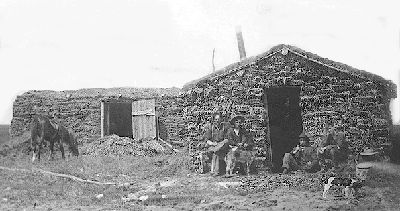
-
Article
Soft-Drink Industry
The soft-drink industry comprises companies that manufacture nonalcoholic beverages and carbonated mineral waters or concentrates and syrups for the manufacture of carbonated beverages.
"https://thecanadianencyclopedia.ca/images/tce_placeholder.jpg?v=e9dca980c9bdb3aa11e832e7ea94f5d9" // resources/views/front/categories/view.blade.php
https://thecanadianencyclopedia.ca/images/tce_placeholder.jpg?v=e9dca980c9bdb3aa11e832e7ea94f5d9
-
Article
Softwood Lumber Dispute
The softwood lumber dispute between Canada and the United States first arose in 1982. Members of the US lumber industry argued that low Canadian stumpage rates gave Canadian producers an unfair trade advantage. In the US, timber is harvested largely on private land. Prices are generally determined through auctions. But in Canada, timber is typically harvested on public (Crown) land. Individuals or companies pay “stumpage fees” to provincial governments for the right to cut and remove timber. US lumber producers have long argued that Canadian stumpage fees are low and constitute an unfair subsidy, which Canada denies. This dispute has lasted for decades and produced lawsuits, tariffs, trade agreements and many rounds of negotiations.
"https://d3d0lqu00lnqvz.cloudfront.net/media/media/c1513b07-b36d-4c5c-8ff0-1b063bb48745.jpg" // resources/views/front/categories/view.blade.php
https://d3d0lqu00lnqvz.cloudfront.net/media/media/c1513b07-b36d-4c5c-8ff0-1b063bb48745.jpg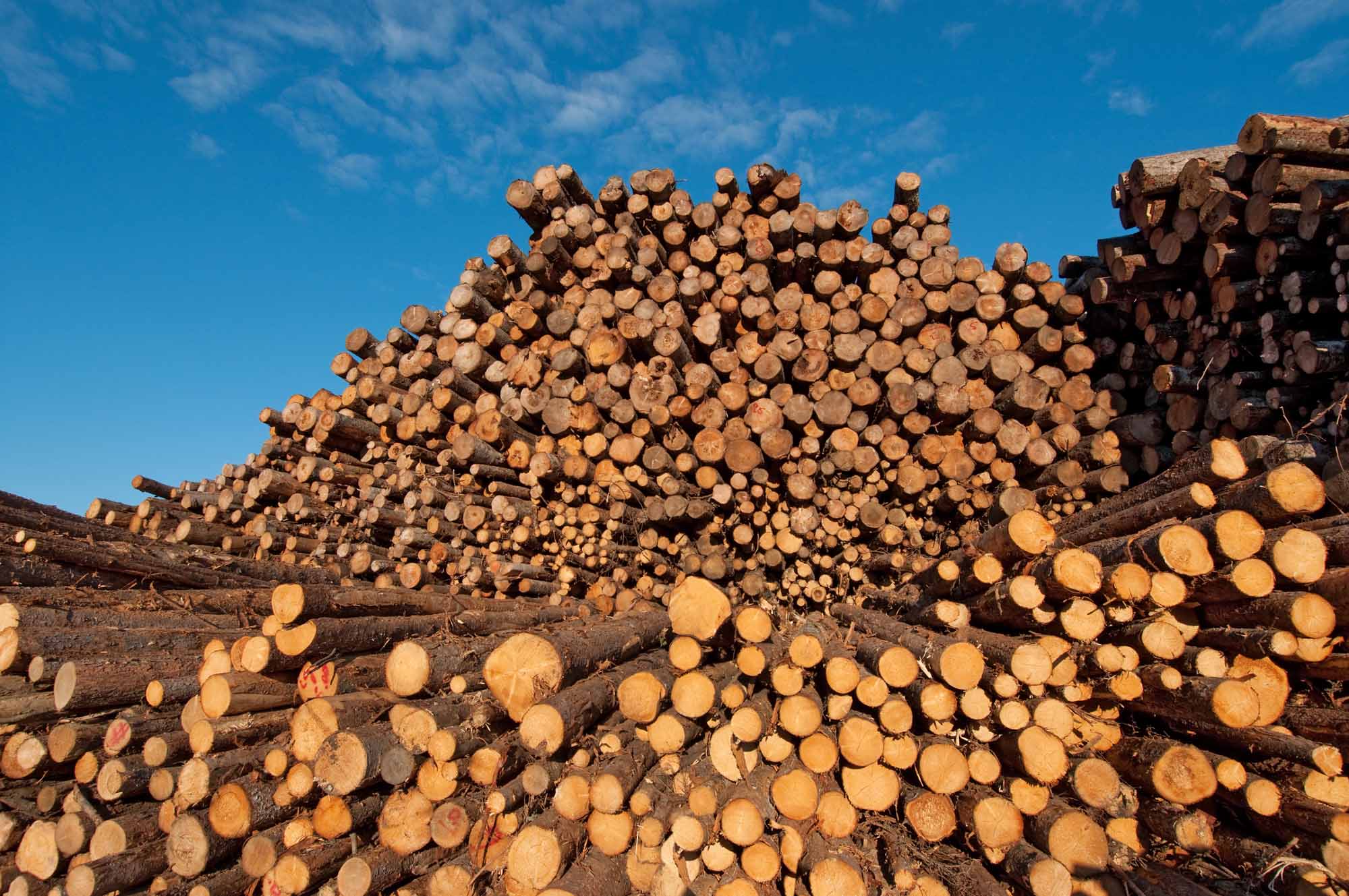
-
Article
Soil
Soil is the thin, fragile surface layer of Earth. It is a dynamic, loose and porous body of variable thickness (between a few centimetres and a few metres). Soil is formed by continuous transformations of rock or deposit through physical, chemical and biological processes. It is one of the two main components of Earth — the other being oceans — in which life is particularly active. Soil is the source and site of many human activities, and human life greatly depends on it. In Canada, agricultural, environmental and natural-resource scientists are at the forefront of research on soil.
"https://d3d0lqu00lnqvz.cloudfront.net/media/media/01f0989f-5102-44b1-82b6-1b7a44b8ff1d.jpg" // resources/views/front/categories/view.blade.php
https://d3d0lqu00lnqvz.cloudfront.net/media/media/01f0989f-5102-44b1-82b6-1b7a44b8ff1d.jpg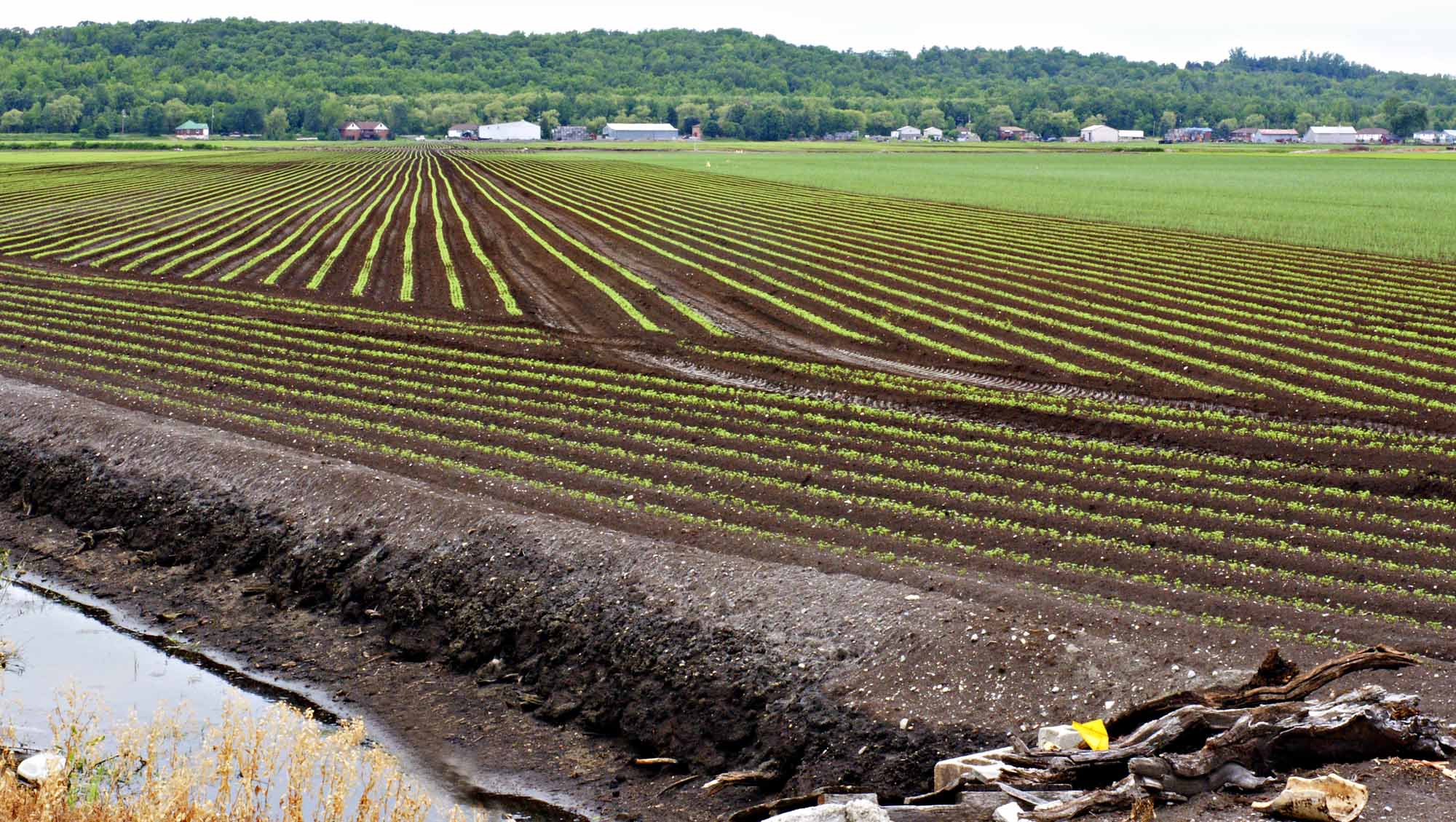
-
Article
Soil Classification
Classification involves arranging individual units with similar characteristics into groups. Soils do not occur as discrete entities; thus the unit of measurement for soil is not obvious.
"https://d3d0lqu00lnqvz.cloudfront.net/media/media/5ab8defa-319b-47f7-a725-b100a41ab8e1.jpg" // resources/views/front/categories/view.blade.php
https://d3d0lqu00lnqvz.cloudfront.net/media/media/5ab8defa-319b-47f7-a725-b100a41ab8e1.jpg
-
Article
Soil Conservation
Soil conservation is a combination of all methods of management and land use that safeguard the soil against depletion or deterioration by natural or human-induced factors.
"https://d3d0lqu00lnqvz.cloudfront.net/media/media/1feca1f5-6d62-4849-ada5-e7b61d404647.jpg" // resources/views/front/categories/view.blade.php
https://d3d0lqu00lnqvz.cloudfront.net/media/media/1feca1f5-6d62-4849-ada5-e7b61d404647.jpg
-
Article
Soil Science
Soil science is the science that deals with soils as a natural resource. Studies focus on soil formation, classification and mapping, and the physical, chemical and biological properties and fertility of soils as such and in relation to their management for crop production.
"https://thecanadianencyclopedia.ca/images/tce_placeholder.jpg?v=e9dca980c9bdb3aa11e832e7ea94f5d9" // resources/views/front/categories/view.blade.php
https://thecanadianencyclopedia.ca/images/tce_placeholder.jpg?v=e9dca980c9bdb3aa11e832e7ea94f5d9
-
Article
Solar and Lunar Eclipses in Canada
An eclipse occurs when two celestial bodies are aligned so that one blocks the sun’s light from reaching the other. While eclipses can take place on different planets like Jupiter and Neptune, on Earth most eclipses are either solar or lunar eclipses. During a solar eclipse, the moon is positioned between the Earth and the sun, casting a shadow on a portion of the Earth. During a lunar eclipse, the opposite occurs, and the Earth blocks the sun’s light from reaching the moon. Lunar eclipses can be observed with the naked eye. However, looking directly at the sun during a solar eclipse can cause permanent eye damage. Proper eye protection is required to safely observe a solar eclipse.
"https://d3d0lqu00lnqvz.cloudfront.net/eclipse/Solar-Eclipse.jpg" // resources/views/front/categories/view.blade.php
https://d3d0lqu00lnqvz.cloudfront.net/eclipse/Solar-Eclipse.jpg
-
Article
Solar Energy
The energy contained in sunlight is the source of life on Earth. Humans can harness it to generate power for our activities without producing harmful pollutants. There are many methods of converting solar energy into more readily usable forms of energy such as heat or electricity. The technologies we use to convert solar energy have a relatively small impact on the environment. However, they each have disadvantages that have kept them from being widely adopted. In Canada, the use of solar energy to generate electricity and heat is growing quickly and is helping reduce pollution related to energy production. Despite Canada’s cold climate and high latitudes (which get less direct sunlight than mid-latitudes), solar power technologies are used in many places, from household rooftops to large power plants. The Canada Energy Regulator (formerly the National Energy Board) expects solar power to make up 3 per cent of Canada’s total electricity generation capacity by 2040.
"https://d3d0lqu00lnqvz.cloudfront.net/media/media/bfcd57a6-65cf-486a-b845-726de3285690.jpg" // resources/views/front/categories/view.blade.php
https://d3d0lqu00lnqvz.cloudfront.net/media/media/bfcd57a6-65cf-486a-b845-726de3285690.jpg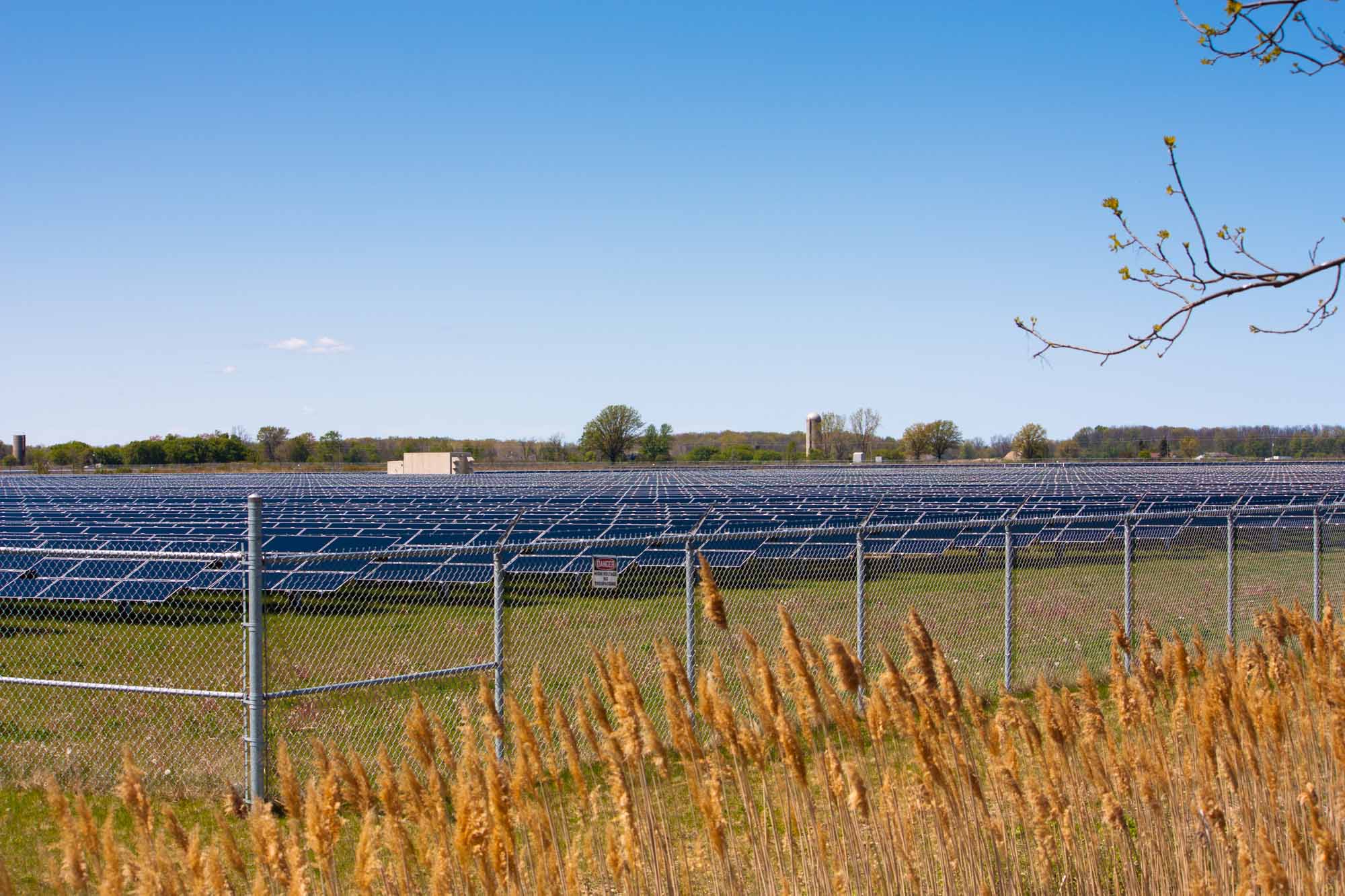
-
Article
Solidarity
In May 1983 British Columbians voted the Social Credit Party, headed by William BENNETT, into office. Two months later, on July 7, the Socreds introduced their so-called Restraint Budget, accompanied by 26 prospective bills.
"https://thecanadianencyclopedia.ca/images/tce_placeholder.jpg?v=e9dca980c9bdb3aa11e832e7ea94f5d9" // resources/views/front/categories/view.blade.php
https://thecanadianencyclopedia.ca/images/tce_placeholder.jpg?v=e9dca980c9bdb3aa11e832e7ea94f5d9
-
Article
Solitaire
Solitaire is the common name for 13 species of New World thrushes, one of which occurs in Canada.
"https://thecanadianencyclopedia.ca/images/tce_placeholder.jpg?v=e9dca980c9bdb3aa11e832e7ea94f5d9" // resources/views/front/categories/view.blade.php
https://thecanadianencyclopedia.ca/images/tce_placeholder.jpg?v=e9dca980c9bdb3aa11e832e7ea94f5d9
-
Article
Solomon's Seal
Solomon's seal (genus Polygonatum) is a herbaceous plant of lily family (Liliaceae). About 50 species occur in the Northern Hemisphere.
"https://thecanadianencyclopedia.ca/images/tce_placeholder.jpg?v=e9dca980c9bdb3aa11e832e7ea94f5d9" // resources/views/front/categories/view.blade.php
https://thecanadianencyclopedia.ca/images/tce_placeholder.jpg?v=e9dca980c9bdb3aa11e832e7ea94f5d9