Browse "Things"
-
Article
Resource Management
Resource management usually refers to the responsibility of governments to ensure that natural resources under their jurisdiction are used wisely or conserved.
"https://thecanadianencyclopedia.ca/images/tce_placeholder.jpg?v=e9dca980c9bdb3aa11e832e7ea94f5d9" // resources/views/front/categories/view.blade.php
https://thecanadianencyclopedia.ca/images/tce_placeholder.jpg?v=e9dca980c9bdb3aa11e832e7ea94f5d9
-
Article
Resource Rights
Natural-resource development has played a major role in Canada's economy and continues to be a focus of national concerns.
"https://d3d0lqu00lnqvz.cloudfront.net/media/media/b714baa3-b8d8-4657-a436-7f27a8b1c819.jpg" // resources/views/front/categories/view.blade.php
https://d3d0lqu00lnqvz.cloudfront.net/media/media/b714baa3-b8d8-4657-a436-7f27a8b1c819.jpg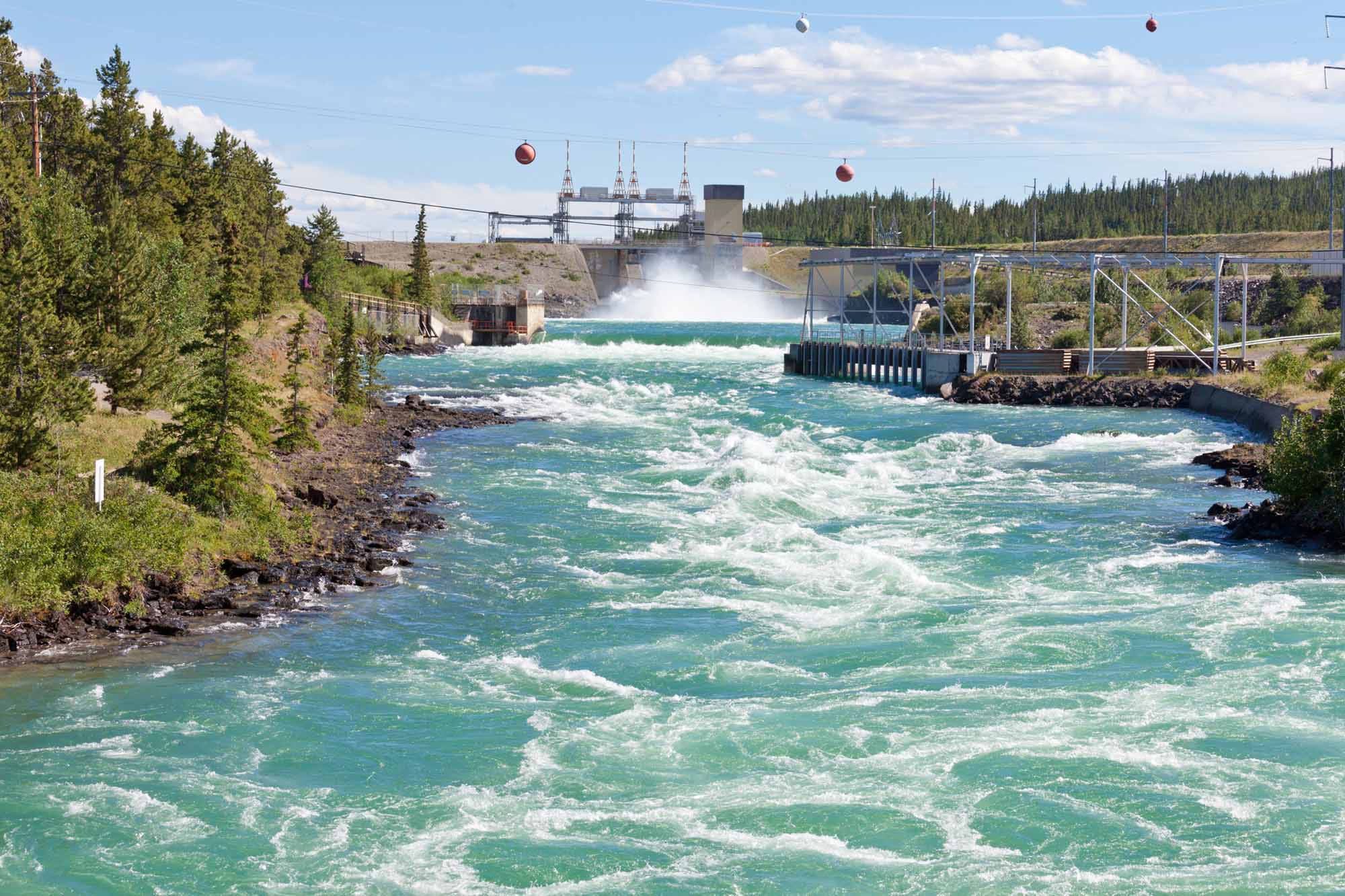
-
Article
Resource Towns in Canada
Resource towns are small, isolated communities built around resource-based industries and transportation. They include mining towns, mill towns, railway towns and fishing villages. Resource development has long been a key factor in shaping the settlement and growth of communities. Some scholars have argued that all Canadian urban growth depends on the production of natural resources. (See also Staple Thesis.) Resource towns have been important agents in this production process. Because they depend on single industries, the economies of resource towns are often unstable.
"https://d3d0lqu00lnqvz.cloudfront.net/media/media/6883bca4-5691-4945-9140-c40b894294ea.jpg" // resources/views/front/categories/view.blade.php
https://d3d0lqu00lnqvz.cloudfront.net/media/media/6883bca4-5691-4945-9140-c40b894294ea.jpg
-
Article
Resource Use
Since prehistoric times, the inhabitants of what is now Canada used vegetation and animals for food, clothing and shelter. They fashioned implements and ornaments from MINERALS and, after the arrival of Europeans, used furs for trading.
"https://thecanadianencyclopedia.ca/images/tce_placeholder.jpg?v=e9dca980c9bdb3aa11e832e7ea94f5d9" // resources/views/front/categories/view.blade.php
https://thecanadianencyclopedia.ca/images/tce_placeholder.jpg?v=e9dca980c9bdb3aa11e832e7ea94f5d9
-
Article
Natural Resources in Canada
Natural resources are aspects of the natural environment from which goods and services can be obtained and produced. They include air, sunlight, water, land, vegetation, animal life and geological resources. People can also value natural resources for their own sake or for their aesthetic qualities. Humans must manage natural resources to sustain the benefits they offer (see Resource Management). Canada is among the most resource-rich countries in the world. Its large and varied natural resources are essential to its economies and cultures. But there are ongoing debates about how to use, share and manage natural resources. This is the full-length entry about natural resources in Canada. For a plain-language summary, please see Natural Resources in Canada (Plain-Language Summary).
"https://d3d0lqu00lnqvz.cloudfront.net/media/media/b714baa3-b8d8-4657-a436-7f27a8b1c819.jpg" // resources/views/front/categories/view.blade.php
https://d3d0lqu00lnqvz.cloudfront.net/media/media/b714baa3-b8d8-4657-a436-7f27a8b1c819.jpg
-
Article
Responsible Government
Responsible government refers to a government that is responsible to the people. In Canada, responsible government is an executive or Cabinet that depends on the support of an elected assembly, rather than a monarch or their representatives. A responsible government first appeared in Canada in the 1830s. It became an important part of Confederation. It is the method by which Canada achieved independence from Britain without revolution.This article is a full-length entry about responsible government. For a plain-language summary, please see Responsible Government (Plain-Language Summary).
"https://d3d0lqu00lnqvz.cloudfront.net/media/media/ba6bdff6-574a-4697-ac95-afdcc5ddfcc9.jpg" // resources/views/front/categories/view.blade.php
https://d3d0lqu00lnqvz.cloudfront.net/media/media/ba6bdff6-574a-4697-ac95-afdcc5ddfcc9.jpg
-
Article
Restitution (Legal)
Restitution is a legal response calculated to take away a gain or enrichment that is considered to be inappropriate. It developed to address situations of unjust enrichment that were not adequately addressed by the laws of tort or contract.
"https://thecanadianencyclopedia.ca/images/tce_placeholder.jpg?v=e9dca980c9bdb3aa11e832e7ea94f5d9" // resources/views/front/categories/view.blade.php
https://thecanadianencyclopedia.ca/images/tce_placeholder.jpg?v=e9dca980c9bdb3aa11e832e7ea94f5d9
-
Article
Retail Trade
There are 2 broad categories of retail-trade organization: retail chains, which operate 4 or more stores in the same kind of business under the same ownership, and independent retailers operating 1 to 3 stores.
"https://d3d0lqu00lnqvz.cloudfront.net/media/media/c67d1a3a-4e62-48d1-a97b-43f4c5a230e1.jpg" // resources/views/front/categories/view.blade.php
https://d3d0lqu00lnqvz.cloudfront.net/media/media/c67d1a3a-4e62-48d1-a97b-43f4c5a230e1.jpg
-
Article
Revenue Canada
In 1927 the Department of National Revenue Act established the Department of National Revenue by renaming the Department of Customs and Excise.
"https://thecanadianencyclopedia.ca/images/tce_placeholder.jpg?v=e9dca980c9bdb3aa11e832e7ea94f5d9" // resources/views/front/categories/view.blade.php
https://thecanadianencyclopedia.ca/images/tce_placeholder.jpg?v=e9dca980c9bdb3aa11e832e7ea94f5d9
-
Article
Revolutionary Industrial Unionism
Revolutionary industrial unionism, or syndicalism, a broad international movement dedicated to organizing all workers into single, unified labour organizations designed to overthrow the capitalist system by means of industrial actions, including the general strike.
"https://thecanadianencyclopedia.ca/images/tce_placeholder.jpg?v=e9dca980c9bdb3aa11e832e7ea94f5d9" // resources/views/front/categories/view.blade.php
https://thecanadianencyclopedia.ca/images/tce_placeholder.jpg?v=e9dca980c9bdb3aa11e832e7ea94f5d9
-
Article
Revue d'histoire de l'Amérique française
La Revue d'histoire de l'Amérique française was founded in 1947 by Lionel GROULX, professor of history at U de Montréal.
"https://d3d0lqu00lnqvz.cloudfront.net/media/media/6e559a82-fa39-4e67-8505-cd188e83d9d0.jpg" // resources/views/front/categories/view.blade.php
https://d3d0lqu00lnqvz.cloudfront.net/media/media/6e559a82-fa39-4e67-8505-cd188e83d9d0.jpg
-
Article
Rhinoceros Party
The Rhinoceros Party was founded in 1963 by a group of humorists led by Montreal doctor Jacques Ferron to poke fun at federal election campaigns. First fielding candidates for 1964 by-elections, it participated in every subsequent general election until 1985. Eighty-nine candidates (across Canada) represented the party in the federal election of 1984; it received 99,207 votes, 0.790% of the total votes cast. In May 1985, shortly after the death of Ferron, the party was officially dissolved.
"https://thecanadianencyclopedia.ca/images/tce_placeholder.jpg?v=e9dca980c9bdb3aa11e832e7ea94f5d9" // resources/views/front/categories/view.blade.php
https://thecanadianencyclopedia.ca/images/tce_placeholder.jpg?v=e9dca980c9bdb3aa11e832e7ea94f5d9
-
Article
Rhodes Scholarships
Under the terms of the will of Cecil Rhodes, Canadians became eligible to hold Rhodes scholarships in colleges of Oxford U. Since 1902 nearly 1000 scholars have been appointed by provincial selection committees answering to the Rhodes trustees in Britain.
"https://thecanadianencyclopedia.ca/images/tce_placeholder.jpg?v=e9dca980c9bdb3aa11e832e7ea94f5d9" // resources/views/front/categories/view.blade.php
https://thecanadianencyclopedia.ca/images/tce_placeholder.jpg?v=e9dca980c9bdb3aa11e832e7ea94f5d9
-
Article
Rhododendron
Rhododendron [Gk, "red tree"] is a large genus (700 species) of the heath family (Ericaceae) found in the Northern Hemisphere; 4 species are native to Canada. The genus contains both rhododendrons, usually evergreen, and azaleas, which are deciduous.
"https://thecanadianencyclopedia.ca/images/tce_placeholder.jpg?v=e9dca980c9bdb3aa11e832e7ea94f5d9" // resources/views/front/categories/view.blade.php
https://thecanadianencyclopedia.ca/images/tce_placeholder.jpg?v=e9dca980c9bdb3aa11e832e7ea94f5d9
-
Article
Rhubarb
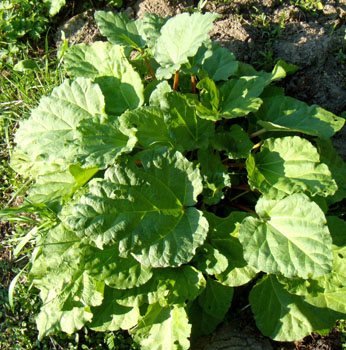
Rhubarb (genus Rheum) is a common name for about 50 species of cool-season herbaceous perennial plants belonging to the buckwheat family and originating in central Asia.
"https://d3d0lqu00lnqvz.cloudfront.net/media/media/80784fac-4861-4271-b88e-ebc806b38b16.jpg" // resources/views/front/categories/view.blade.php
https://d3d0lqu00lnqvz.cloudfront.net/media/media/80784fac-4861-4271-b88e-ebc806b38b16.jpg