
Browse "Things"
-
Article
Religion and Spirituality of Indigenous Peoples in Canada
First Nation, Métis and Inuit religions in Canada vary widely and consist of complex social and cultural customs for addressing the sacred and the supernatural. The influence of Christianity — through settlers, missionaries and government policy — significantly altered life for Indigenous peoples. In some communities, this resulted in hybridized religious practices; while in others, European religion replaced traditional spiritual practices entirely. Though historically suppressed by colonial administrators and missionaries, especially from the late 19th- to mid-20th centuries, many contemporary Indigenous communities have revived, or continue to practice, traditional spirituality.
"https://d3d0lqu00lnqvz.cloudfront.net/media/media/f28b1ded-47a2-459d-9bfc-b26382f5c3b6.jpg" // resources/views/front/categories/view.blade.php
https://d3d0lqu00lnqvz.cloudfront.net/media/media/f28b1ded-47a2-459d-9bfc-b26382f5c3b6.jpg
-
Article
Religions and Music
Religions and Music. The many religions of Canada are touched upon in numerous articles in the Encyclopedia of Music in Canada (EMC).
"https://thecanadianencyclopedia.ca/images/tce_placeholder.jpg?v=e9dca980c9bdb3aa11e832e7ea94f5d9" // resources/views/front/categories/view.blade.php
https://thecanadianencyclopedia.ca/images/tce_placeholder.jpg?v=e9dca980c9bdb3aa11e832e7ea94f5d9
-
Article
Church Architecture
Later in the 17th century, under Jesuit influence and with the arrival of more artisans and builders trained in France, certain traditional features of religious architecture were used to construct churches in Québec City and Montréal.
"https://d3d0lqu00lnqvz.cloudfront.net/media/media/dc54dcff-f3dd-4f2c-b5ec-0ad5078ee2b2.jpg" // resources/views/front/categories/view.blade.php
https://d3d0lqu00lnqvz.cloudfront.net/media/media/dc54dcff-f3dd-4f2c-b5ec-0ad5078ee2b2.jpg
-
Article
Religious Festivals
Each major religion practised in Canada has, in addition to its own system of beliefs, a way of marking the passage of time and celebrating sacred events. Hindus, Buddhists, Sikhs, Jews, Christians and Muslims enrich the religious and cultural diversity of Canada. However, the integration of these celebrations and beliefs does not happen smoothly, and sometimes raises controversy.
"https://d3d0lqu00lnqvz.cloudfront.net/media/media/c851c8da-8071-4fae-bd38-76240ff4c5c8.jpg" // resources/views/front/categories/view.blade.php
https://d3d0lqu00lnqvz.cloudfront.net/media/media/c851c8da-8071-4fae-bd38-76240ff4c5c8.jpg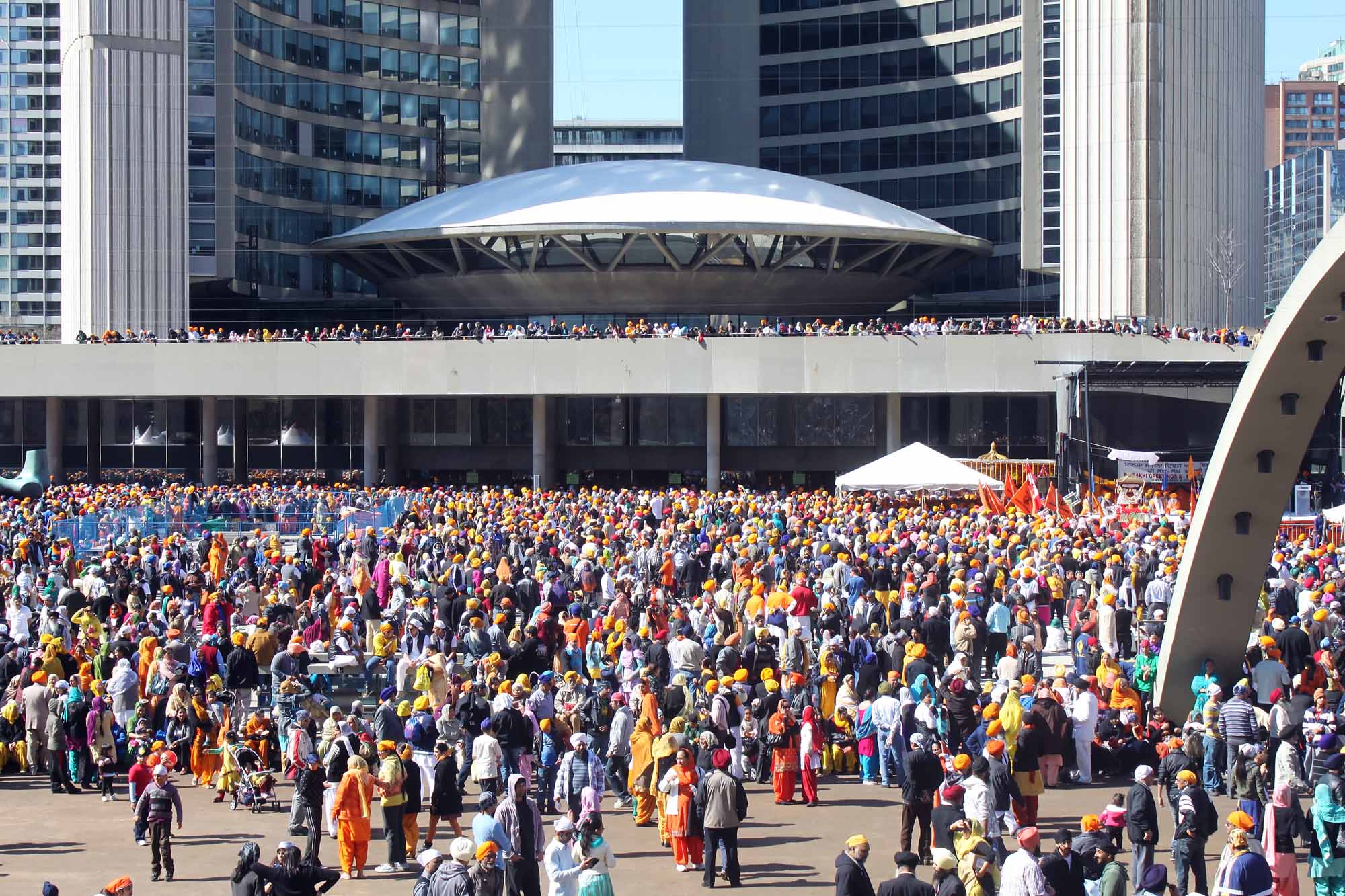
-
Article
Religious Music
Religious music may be said to have begun in Canada with the arrival of the first settlers, though Indigenous peoples used music in a religious context prior to the 16th century.
"https://d3d0lqu00lnqvz.cloudfront.net/media/media/ad5d066a-fddc-41cd-9340-4f723200551c.jpg" // resources/views/front/categories/view.blade.php
https://d3d0lqu00lnqvz.cloudfront.net/media/media/ad5d066a-fddc-41cd-9340-4f723200551c.jpg
-
Article
The Reluctant Journal of Henry K. Larsen
Partially inspired by the Columbine High School massacre, The Reluctant Journal of Henry K. Larsen won the 2012 Governor General’s Award for Children’s Literature. Susin Nielsen’s 2012 youth novel tells the story of Henry Larsen, a teenager who is forced to confront his feelings and learn how to carry on after his bullied, outcast brother commits a school shooting. It was also named the Canadian Library Association Book of the Year for Children and received the Ruth and Sylvia Schwartz Children’s Book Award.
"https://thecanadianencyclopedia.ca/images/tce_placeholder.jpg?v=e9dca980c9bdb3aa11e832e7ea94f5d9" // resources/views/front/categories/view.blade.php
https://thecanadianencyclopedia.ca/images/tce_placeholder.jpg?v=e9dca980c9bdb3aa11e832e7ea94f5d9
-
Article
Remembering D-Day: The Making of a Heritage Minute
On 6 June 1944, Canadian Forces landed on Juno Beach. D-Day was the largest amphibious invasion of all time and marked the beginning of the end of the Second World War. In 2019, Historica Canada released a Heritage Minute telling the story of 47-year-old Major Archie MacNaughton, a First World War veteran and leader of the North Shore New Brunswick Regiment’s A Company. In this article, Anthony Wilson-Smith, president of Historica Canada, reflects on the making of the D-Day Minute.
"https://d3d0lqu00lnqvz.cloudfront.net/media/new_article_images/ArchieMacNaughton/IMG_2847.JPG" // resources/views/front/categories/view.blade.php
https://d3d0lqu00lnqvz.cloudfront.net/media/new_article_images/ArchieMacNaughton/IMG_2847.JPG
-
Editorial
Remembering the walrus hunt
The following article is an editorial written by The Canadian Encyclopedia staff. Editorials are not usually updated. The Aivilingmiut of Nunavut are walrus hunters. Like many regional groups of Inuit, they’re named after the animal that once kept them alive.
"https://d3d0lqu00lnqvz.cloudfront.net/media/media/b0be7080-64dd-42a1-b455-dcf920df8bfa.jpg" // resources/views/front/categories/view.blade.php
https://d3d0lqu00lnqvz.cloudfront.net/media/media/b0be7080-64dd-42a1-b455-dcf920df8bfa.jpg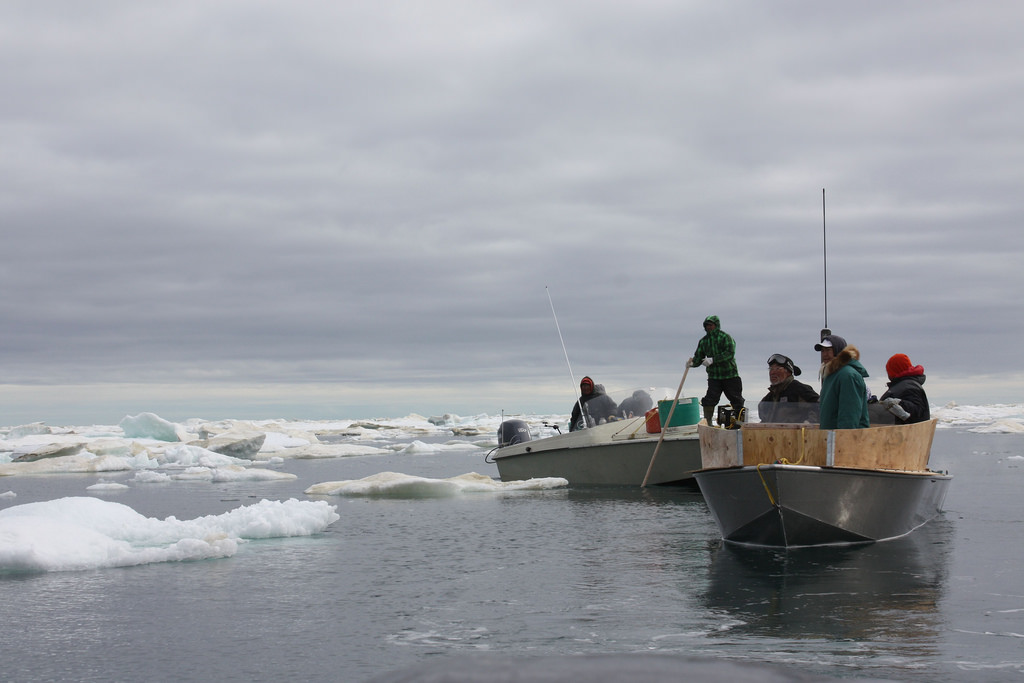
-
Article
Remembrance Day in Canada
Remembrance Day is a yearly memorial day that is observed in many Commonwealth countries, including Canada, to remember those who died in military service, and honour those who served in wartime. It is observed across Canada each year on 11 November — the anniversary of the Armistice agreement of 1918 that ended the First World War. On Remembrance Day, public ceremonies and church services often include the playing of “Last Post,” a reading of the fourth stanza of the poem “For the Fallen,” and two minutes of silence at 11 a.m. Wreaths are laid at local war memorials and assemblies are held in schools. Millions of Canadians wear red poppy pins in the weeks leading up to and on 11 November in remembrance. In 2020 and 2021, Remembrance Day services and events were affected by the COVID-19 pandemic. Many events were either held online, cancelled or limited to a small number of participants due to fear of contagion.
"https://d3d0lqu00lnqvz.cloudfront.net/media/media/064a5591-1989-4fac-b81e-7bd9099c8053.jpg" // resources/views/front/categories/view.blade.php
https://d3d0lqu00lnqvz.cloudfront.net/media/media/064a5591-1989-4fac-b81e-7bd9099c8053.jpg
-
Article
Remembrance Day Poppy
The red poppy is a symbol of Remembrance Day that was inspired by the poem “In Flanders Fields,” written by Lieutenant-Colonel John McCrae. Canada officially adopted the poppy as a symbol of remembrance in 1921. Red poppy pins are sold by the Royal Canadian Legion and worn by millions of Canadians in the weeks leading up to and on 11 November.
"https://d3d0lqu00lnqvz.cloudfront.net/media/media/064a5591-1989-4fac-b81e-7bd9099c8053.jpg" // resources/views/front/categories/view.blade.php
https://d3d0lqu00lnqvz.cloudfront.net/media/media/064a5591-1989-4fac-b81e-7bd9099c8053.jpg
-
Editorial
Andrew Mynarski's Thirteenth Mission
The following article is an editorial written by The Canadian Encyclopedia staff. Editorials are not usually updated.
"https://d3d0lqu00lnqvz.cloudfront.net/media/media/b05b4a40-de07-4dba-aca6-b02911771b6d.jpg" // resources/views/front/categories/view.blade.php
https://d3d0lqu00lnqvz.cloudfront.net/media/media/b05b4a40-de07-4dba-aca6-b02911771b6d.jpg
-
Article
Remote Sensing
History The oldest remote sensing instrument is the photographic camera, which has a long history of use in making observations of Earth from aircraft and, more recently, spacecraft.
"https://d3d0lqu00lnqvz.cloudfront.net/media/media/70035c01-a62b-498f-ac5e-c845f620a798.jpg" // resources/views/front/categories/view.blade.php
https://d3d0lqu00lnqvz.cloudfront.net/media/media/70035c01-a62b-498f-ac5e-c845f620a798.jpg
-
Article
Rep by Pop
Representation by population is a political system in which seats in a legislature are allocated on the basis of population. It upholds a basic principle of parliamentary democracy that all votes should be counted equally. Representation by population was a deeply divisive issue among politicians in the Province of Canada (1841–67). Nicknamed “rep by pop,” it became an important consideration in the lead up to Confederation. (See also: Representative Government; Responsible Government.)
"https://d3d0lqu00lnqvz.cloudfront.net/media/media/bf6a8447-8306-4749-bb63-2f6129eb20a6.jpg" // resources/views/front/categories/view.blade.php
https://d3d0lqu00lnqvz.cloudfront.net/media/media/bf6a8447-8306-4749-bb63-2f6129eb20a6.jpg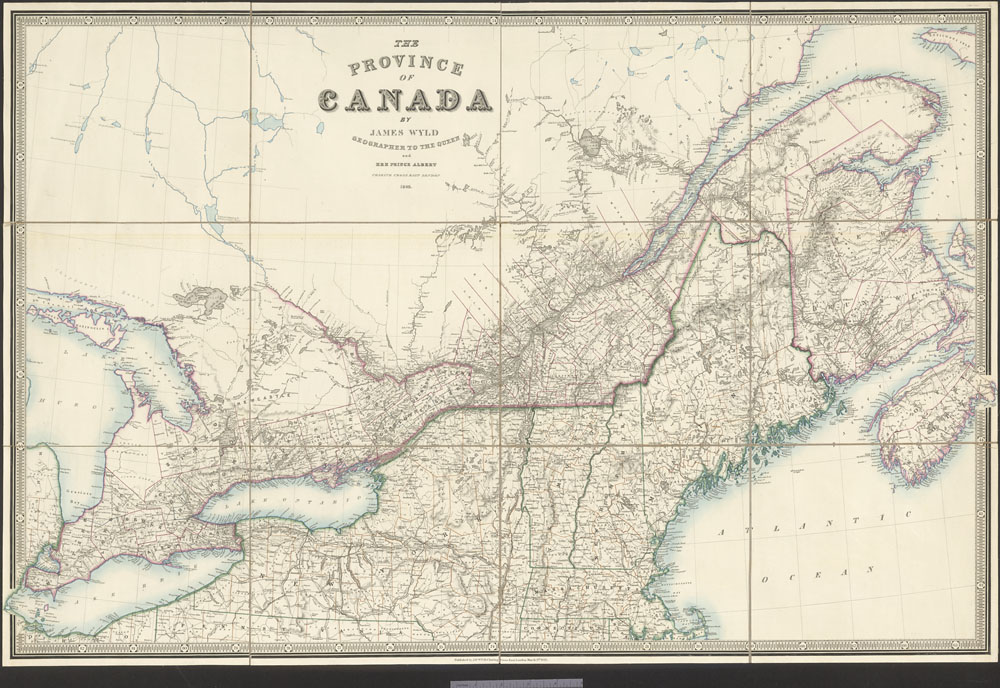
-
Article
Rep by Pop (Plain-Language Summary)
Representation by population (or “rep by pop”) is a political system. It is when seats in a legislature are assigned based on population. This upholds a basic idea of democracy that all votes should be counted equally. Rep by pop was a deeply divisive issue in the Province of Canada (1841–67). It became an important factor in Confederation. This article is a plain-language summary of Rep by Pop. If you would like to read about this topic in more depth, please see our full-length entry: Rep by Pop.
"https://d3d0lqu00lnqvz.cloudfront.net/media/media/bf6a8447-8306-4749-bb63-2f6129eb20a6.jpg" // resources/views/front/categories/view.blade.php
https://d3d0lqu00lnqvz.cloudfront.net/media/media/bf6a8447-8306-4749-bb63-2f6129eb20a6.jpg
-
Article
Repatriation of Artifacts
Most Indigenous ethnology collections found in Canadian museums today were gathered (and sometimes confiscated) by missionaries, government agents, amateur and professional collectors and anthropologists such as Edward Sapir and Marius Barbeau during the late 1800s and early 1900s. Today, many Indigenous nations are requesting that these items be returned to their true home.
"https://d3d0lqu00lnqvz.cloudfront.net/media/Twitter_Cards/repatriation.jpg" // resources/views/front/categories/view.blade.php
https://d3d0lqu00lnqvz.cloudfront.net/media/Twitter_Cards/repatriation.jpg