Browse "Things"
-
Macleans
Preserving St. Roch
A small horde of second- and third-graders swarms down onto the blood-red deck like so many giggling pirates. But the "blood" on the deck is really red-oxide paint. And the children - from Parkcrest Elementary School in Burnaby, B.C.This article was originally published in Maclean's Magazine on May 11, 1998
"https://thecanadianencyclopedia.ca/images/tce_placeholder.jpg?v=e9dca980c9bdb3aa11e832e7ea94f5d9" // resources/views/front/categories/view.blade.php
https://thecanadianencyclopedia.ca/images/tce_placeholder.jpg?v=e9dca980c9bdb3aa11e832e7ea94f5d9
-
Article
Pressure Group
A pressure group, also known as an interest group or lobby, is an organization formed by like-minded people who seek to influence PUBLIC POLICY to promote an interest. Pressure groups exist in all modern pluralist democracies and have sprung up on all sides. Some defend producer interests.
"https://thecanadianencyclopedia.ca/images/tce_placeholder.jpg?v=e9dca980c9bdb3aa11e832e7ea94f5d9" // resources/views/front/categories/view.blade.php
https://thecanadianencyclopedia.ca/images/tce_placeholder.jpg?v=e9dca980c9bdb3aa11e832e7ea94f5d9
-
Article
Preston Rivulettes
During the hard years of the Depression, one team dominated women’s amateur ice hockey and captured the imagination of Canadians. Led by star right winger and captain Hilda Ranscombe — widely regarded as the best female hockey player in the world at the time — the Preston Rivulettes won provincial, regional and national championships. Of the estimated 350 games the Rivulettes played, they only lost between three and five (records vary). The Rivulettes were the most successful women’s ice hockey team in the history of Canadian sports. They have been inducted into the Cambridge Sports Hall of Fame and Canada’s Sports Hall of Fame.
"https://d3d0lqu00lnqvz.cloudfront.net/media/new_article_images/LadiesOntarioHockeyAssociation/Preston_Rivulettes_team_photo.jpg" // resources/views/front/categories/view.blade.php
https://d3d0lqu00lnqvz.cloudfront.net/media/new_article_images/LadiesOntarioHockeyAssociation/Preston_Rivulettes_team_photo.jpg
-
Article
Prestonian-class Frigates
The Prestonians were a group of 21 Second World War frigates reactivated by the Royal Canadian Navy (RCN) in the 1950s for antisubmarine warfare (ASW). This was a stopgap measure to meet Canada’s North Atlantic Treaty Organization (NATO) force goals until the purpose-built St Laurent-class destroyer escorts came into service. Although originally built as Anti-Submarine Warfare (ASW) vessels, the Prestonians had to be extensively modified to meet the more complex demands of Cold War ASW, which they performed until withdrawn in the mid-1960s.
"https://d3d0lqu00lnqvz.cloudfront.net/ASW/swansea-209.jpg" // resources/views/front/categories/view.blade.php
https://d3d0lqu00lnqvz.cloudfront.net/ASW/swansea-209.jpg
-
Article
Prime Minister of Canada
The prime minister (PM) is the head of the federal government. It is the most powerful position in Canadian politics. Prime ministers are not specifically elected to the position; instead, the PM is typically the leader of the party that has the most seats in the House of Commons. The current prime minister of Canada is Mark Carney of the Liberal Party. The prime minister controls the governing party and speaks for it; names senators and senior judges for appointment; and appoints and dismisses all members of Cabinet. As chair of Cabinet, the PM controls its agenda and greatly influences the activities and priorities of Parliament. In recent years, a debate has emerged about the growing power of prime ministers, and whether this threatens other democratic institutions.
"https://d3d0lqu00lnqvz.cloudfront.net/14907312972_606723c478_k.jpg" // resources/views/front/categories/view.blade.php
https://d3d0lqu00lnqvz.cloudfront.net/14907312972_606723c478_k.jpg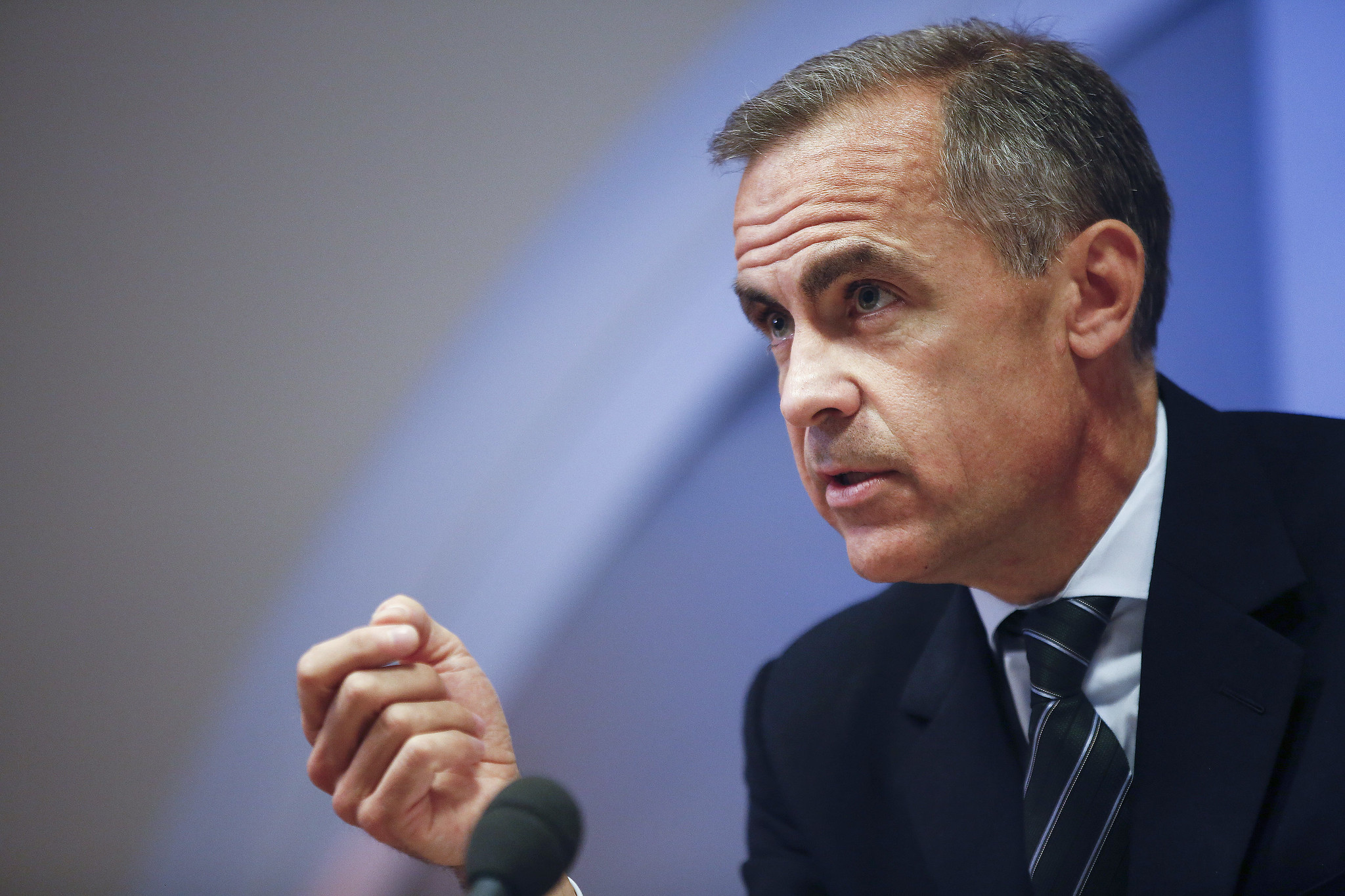
-
Article
Prime Minister of Canada (Plain-Language Summary)
The prime minister (PM) is the head of the federal government. The PM is typically the leader of the party with the most seats in the House of Commons. The current prime minister of Canada is Mark Carney of the Liberal Party. The PM controls the governing party and speaks for it. They appoint senators and senior judges. They also appoint and dismiss all members of Cabinet. As chair of Cabinet, the PM controls its agenda and sets the goals of Parliament. Recent years have seen a debate over the growing power of prime ministers and the effect of this on Parliament. This article is a plain-language summary of the Prime Minister of Canada. If you are interested in reading about this topic in more depth, please see our full-length entry: Prime Minister of Canada.
"https://d3d0lqu00lnqvz.cloudfront.net/14907312972_606723c478_k.jpg" // resources/views/front/categories/view.blade.php
https://d3d0lqu00lnqvz.cloudfront.net/14907312972_606723c478_k.jpg
-
Article
Prime Minister's Office
The Prime Minister's Office (PMO) is a central agency that came into its own in the late 1960s.
"https://d3d0lqu00lnqvz.cloudfront.net/media/media/0f1551ef-6d07-484c-8e51-b818a1e1af7c.jpg" // resources/views/front/categories/view.blade.php
https://d3d0lqu00lnqvz.cloudfront.net/media/media/0f1551ef-6d07-484c-8e51-b818a1e1af7c.jpg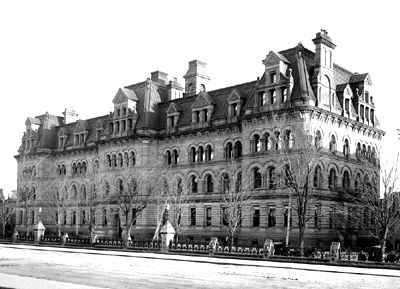
-
Article
Prime Suspects: Canada's Prime Ministers, Caricatured
In this exhibit of political artwork, cartoonist Bruce MacKinnon marks 2017, Canada's 150 birthday, with caricatures of the country's 23 prime ministers.
"https://d3d0lqu00lnqvz.cloudfront.net/media/media/3a8d9570-4ef0-49a2-b4a8-142a6d4845e2.jpg" // resources/views/front/categories/view.blade.php
https://d3d0lqu00lnqvz.cloudfront.net/media/media/3a8d9570-4ef0-49a2-b4a8-142a6d4845e2.jpg
-
Article
Prince Edward Island and Confederation
Despite hosting talks about Confederation, Prince Edward Island did not join the Dominion of Canada until 1873, when a crippling debt forced it into the national fold as the country's seventh province.
"https://d3d0lqu00lnqvz.cloudfront.net/media/media/9a650dcd-e8ad-4685-8baf-c4bba9cae8e7.jpg" // resources/views/front/categories/view.blade.php
https://d3d0lqu00lnqvz.cloudfront.net/media/media/9a650dcd-e8ad-4685-8baf-c4bba9cae8e7.jpg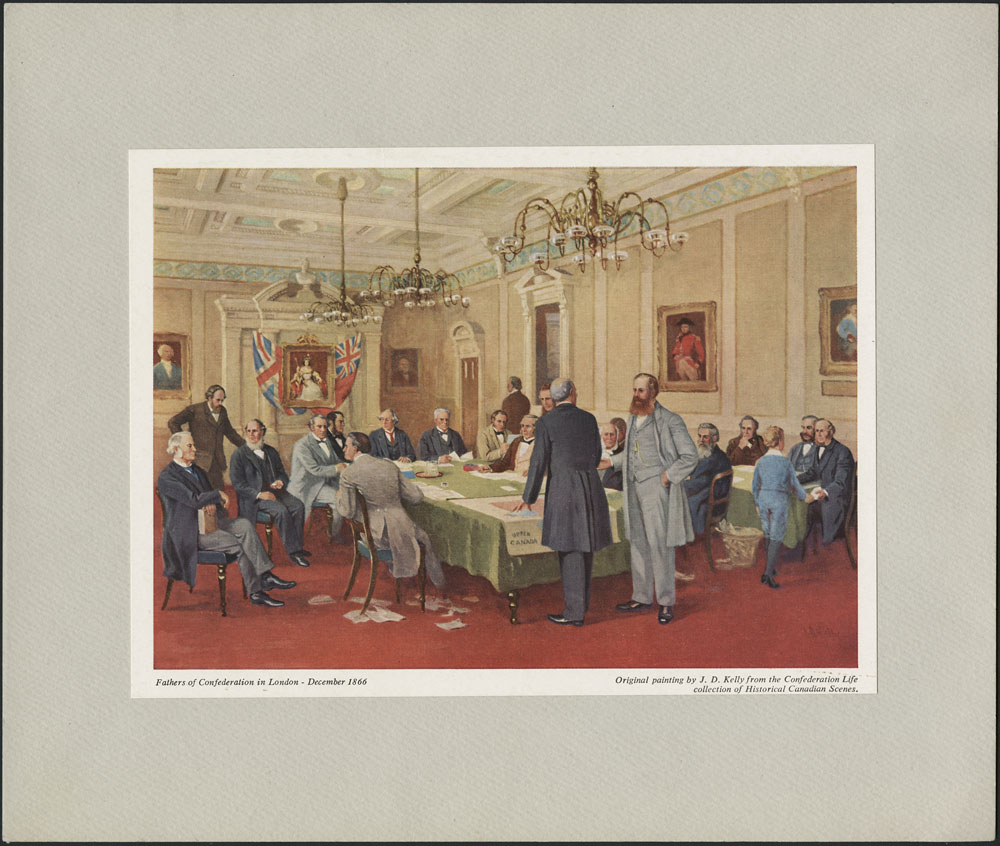
-
Article
Prince Edward Island Railway
The Prince Edward Island Railway was constructed between 1871 and 1875. The railway’s financial difficulties persuaded Prince Edward Island to join Confederation in 1873 (see Prince Edward Island and Confederation). By 1919 the Prince Edward Island Railway was transferred to the Canadian National Railways. The Island’s railway ceased operations in 1989, and its roadbed became part of the Confederation Trail. Parks Canada designated the construction of the Prince Edward Island Railway as a national historic event in 2018. This article was created in collaboration with Parks Canada. It is drawn from report number 2017-21, which was prepared to support the construction of the Prince Edward Island Railway as a national historic event.
"https://d3d0lqu00lnqvz.cloudfront.net/princeedwardislandrailway/sourisstation.jpg" // resources/views/front/categories/view.blade.php
https://d3d0lqu00lnqvz.cloudfront.net/princeedwardislandrailway/sourisstation.jpg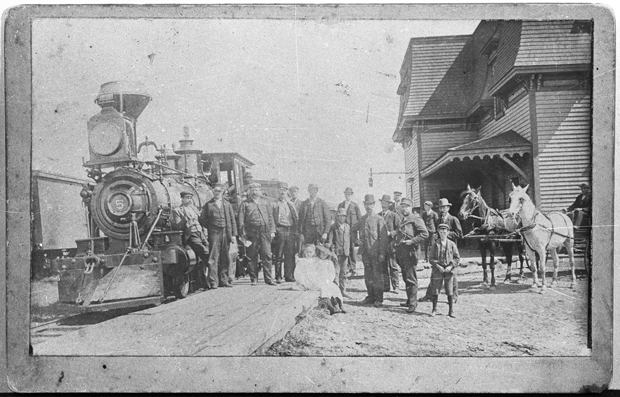
-
Article
Prince of Wales Trophy
The Prince of Wales Trophy is awarded annually to the team representing the Eastern Conference of the National Hockey League in the Stanley Cup finals.
"https://thecanadianencyclopedia.ca/images/tce_placeholder.jpg?v=e9dca980c9bdb3aa11e832e7ea94f5d9" // resources/views/front/categories/view.blade.php
https://thecanadianencyclopedia.ca/images/tce_placeholder.jpg?v=e9dca980c9bdb3aa11e832e7ea94f5d9
-
Article
Princess Patricia’s Canadian Light Infantry (PPCLI)
The Princess Patricia’s Canadian Light Infantry (PPCLI, also known as the Patricia's) is one of three permanent Regular Force infantry regiments of the Canadian Army. Its current structure consists of three battalions and a reserve battalion, for a total of 2,000 soldiers lodged at bases in Edmonton, Alberta, and Shilo, Manitoba. The regiment has a proud history of service, dating back to its creation in the First World War.
"https://d3d0lqu00lnqvz.cloudfront.net/media/media/ddc99988-d986-4d26-8073-eff1bfdbbfe7.jpg" // resources/views/front/categories/view.blade.php
https://d3d0lqu00lnqvz.cloudfront.net/media/media/ddc99988-d986-4d26-8073-eff1bfdbbfe7.jpg
-
Article
Princess Patricia's Canadian Light Infantry Band
The Princess Patricia's Canadian Light Infantry Band. Recruited in Toronto in 1919 under the direction of Capt Thomas William James and stationed in Winnipeg 1920-39.
"https://thecanadianencyclopedia.ca/images/tce_placeholder.jpg?v=e9dca980c9bdb3aa11e832e7ea94f5d9" // resources/views/front/categories/view.blade.php
https://thecanadianencyclopedia.ca/images/tce_placeholder.jpg?v=e9dca980c9bdb3aa11e832e7ea94f5d9
-
Article
Sheila Na Geira
According to legend, Sheila Na Geira (also spelled NaGeira and Nagira) was an Irish aristocrat or princess who, 300 or 400 years ago, while travelling between France and Ireland, was captured by a Dutch warship and then rescued by British privateers. She fell in love and was married to one of the privateers, Lieutenant Gilbert Pike. They settled at western Conception Bay. By the early 20th century, the legend was being told as part of Newfoundland’s oral tradition, and has since been popularized by poems, novels, scholarly articles and several plays.
"https://d3d0lqu00lnqvz.cloudfront.net/dreamstime_resize_33120989-2.jpg" // resources/views/front/categories/view.blade.php
https://d3d0lqu00lnqvz.cloudfront.net/dreamstime_resize_33120989-2.jpg
-
Article
Print Industry
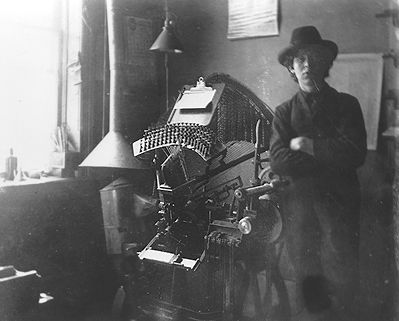
Prior to the printing process of putting impressions on paper, foil, plastic or cloth, there are pre-press procedures such as design, artwork, layout, creation of type or graphics, film and platemaking, and press makeready. In the past all these processes were done by hand or camera.
"https://d3d0lqu00lnqvz.cloudfront.net/media/media/5177ea5a-5977-4f69-832c-20bdf5fc2d60.jpg" // resources/views/front/categories/view.blade.php
https://d3d0lqu00lnqvz.cloudfront.net/media/media/5177ea5a-5977-4f69-832c-20bdf5fc2d60.jpg