Browse "Things"
-
Article
Literary History in English 1620-1867
Literary History in English 1620-1867The writing that critics identify as the earliest ENGLISH-LANGUAGE LITERATURE in Canada was produced by COLONIAL governors, soldiers, MISSIONARIES, settlers, European EXPLORERS and travellers, NEWSPAPER journalists, and community figures who in time began to consider the BRITISH NORTH AMERICAN colonies their home. Many were WOMEN. Few writers, to start, considered themselves "Canadian" (a term early reserved for the francophone settlers in QUEBEC). Most wrote for European readers (SeeFOREIGN WRITERS ON CANADA...
"https://thecanadianencyclopedia.ca/images/tce_placeholder.jpg?v=e9dca980c9bdb3aa11e832e7ea94f5d9" // resources/views/front/categories/view.blade.php
https://thecanadianencyclopedia.ca/images/tce_placeholder.jpg?v=e9dca980c9bdb3aa11e832e7ea94f5d9
-
Article
Literary History in English 1867-1914
With Confederation came immediate calls for Maritime separation but also a quickened interest in the growth of a national culture. Journalists and academic essayists earnestly disputed Canada's political destiny.
"https://thecanadianencyclopedia.ca/images/tce_placeholder.jpg?v=e9dca980c9bdb3aa11e832e7ea94f5d9" // resources/views/front/categories/view.blade.php
https://thecanadianencyclopedia.ca/images/tce_placeholder.jpg?v=e9dca980c9bdb3aa11e832e7ea94f5d9
-
Article
Literary History in English 1914-1940
The FIRST WORLD WAR featured variously in Canadian LITERATURE: as historical subject and setting, metaphor of personal conflict and national coming-of-age, test of loyalty, instance of officiousness, and prototype of political bias (SeeFIRST WORLD WAR IN CANADIAN LITERATURE).
"https://thecanadianencyclopedia.ca/images/tce_placeholder.jpg?v=e9dca980c9bdb3aa11e832e7ea94f5d9" // resources/views/front/categories/view.blade.php
https://thecanadianencyclopedia.ca/images/tce_placeholder.jpg?v=e9dca980c9bdb3aa11e832e7ea94f5d9
-
Article
Literary History in English 1940-1960
Literary History in English 1940-1960From the beginning of the SECOND WORLD WAR in 1939 to the early 1960s, Canada was negotiating its new-found international role, joining the UNITED NATIONS, developing the NORTH, and opening its borders more widely to IMMIGRANTS and REFUGEES--and to a tenth province, NEWFOUNDLAND AND LABRADOR, which in 1949 voted to join the Canadian CONFEDERATION. In the wake of fascism and the Holocaust, ANTI-SEMITISM in the country was slowly starting to wane,...
"https://thecanadianencyclopedia.ca/images/tce_placeholder.jpg?v=e9dca980c9bdb3aa11e832e7ea94f5d9" // resources/views/front/categories/view.blade.php
https://thecanadianencyclopedia.ca/images/tce_placeholder.jpg?v=e9dca980c9bdb3aa11e832e7ea94f5d9
-
Article
Literary History in English 1960-1980
The period between 1960 and 1980 was a definitive moment in Canadian literary history. Energized by the country’s centennial celebrations and widespread cultural nationalism, authors were excited by the prospect of Canadian literature as a means to help develop a national identity.
"https://thecanadianencyclopedia.ca/images/tce_placeholder.jpg?v=e9dca980c9bdb3aa11e832e7ea94f5d9" // resources/views/front/categories/view.blade.php
https://thecanadianencyclopedia.ca/images/tce_placeholder.jpg?v=e9dca980c9bdb3aa11e832e7ea94f5d9
-
Article
Literary History in English 1980-2000
The last two decades of the 20th century were marked by growing social and economic conservatism, a tendency towards fewer gambles in PUBLISHING ventures, and a greater reliance on computer TECHNOLOGY (e-mail, internet communications, electronic journals such as Frank DAVEY's Swift Current): A.K.
"https://thecanadianencyclopedia.ca/images/tce_placeholder.jpg?v=e9dca980c9bdb3aa11e832e7ea94f5d9" // resources/views/front/categories/view.blade.php
https://thecanadianencyclopedia.ca/images/tce_placeholder.jpg?v=e9dca980c9bdb3aa11e832e7ea94f5d9
-
Article
Literary History in English in the 21st century
This troubled period began with the Y2K scare, when COMPUTER programs worldwide were expected to fail. 3000 people, 25 of them Canadian, died in the New York Trade Center bombings on "9-11" 2001.
"https://thecanadianencyclopedia.ca/images/tce_placeholder.jpg?v=e9dca980c9bdb3aa11e832e7ea94f5d9" // resources/views/front/categories/view.blade.php
https://thecanadianencyclopedia.ca/images/tce_placeholder.jpg?v=e9dca980c9bdb3aa11e832e7ea94f5d9
-
Collection
Literature in Canada
With the works of such internationally acclaimed authors as Margaret Atwood, Michael Ondaatje, Alice Munro and Lawrence Hill, Canada is a force to be reckoned with on the literary stage. The Canadian Encyclopedia includes a variety of articles about literature in Canada, both fiction and non-fiction, gathered by topic in this collection.
"https://d3d0lqu00lnqvz.cloudfront.net/media/media/cd97eea1-c1f1-4a12-ab10-611eb16a82a7.jpg" // resources/views/front/categories/view.blade.php
https://d3d0lqu00lnqvz.cloudfront.net/media/media/cd97eea1-c1f1-4a12-ab10-611eb16a82a7.jpg
-
Article
Literature in English: Language and Literary Form
This article offers an overview of the history and development of Canadian English literature from the mid-20th to present day, including several of its early influences from various other languages.
"https://thecanadianencyclopedia.ca/images/tce_placeholder.jpg?v=e9dca980c9bdb3aa11e832e7ea94f5d9" // resources/views/front/categories/view.blade.php
https://thecanadianencyclopedia.ca/images/tce_placeholder.jpg?v=e9dca980c9bdb3aa11e832e7ea94f5d9
-
Article
Literature in English: Teaching
In colonies, the literary tradition of the mother country normally prevails. This was true in Canada, where it has taken English-speaking Canadians a long time to accept their own literature as a legitimate subject for study.
"https://thecanadianencyclopedia.ca/images/tce_placeholder.jpg?v=e9dca980c9bdb3aa11e832e7ea94f5d9" // resources/views/front/categories/view.blade.php
https://thecanadianencyclopedia.ca/images/tce_placeholder.jpg?v=e9dca980c9bdb3aa11e832e7ea94f5d9
-
Article
Literature in English: Theory and Criticism
Samuel Taylor Coleridge, a principal source of modern literary theory in English, made little direct impression in 19th-century Canada, largely because literary life in Canada shared the anti-theoretical biases of Victorian England.
"https://d3d0lqu00lnqvz.cloudfront.net/media/media/b92b7c2b-030a-4e8b-a2d8-11b69cff66a6.jpg" // resources/views/front/categories/view.blade.php
https://d3d0lqu00lnqvz.cloudfront.net/media/media/b92b7c2b-030a-4e8b-a2d8-11b69cff66a6.jpg
-
Article
Literature in French: Scholarship and Teaching
The first substantial publication devoted to French Canadian literature was James Huston's Répertoire national (1848-50; repr 1982), a 4-volume annotated anthology of writings culled from early Québec newspapers.
"https://thecanadianencyclopedia.ca/images/tce_placeholder.jpg?v=e9dca980c9bdb3aa11e832e7ea94f5d9" // resources/views/front/categories/view.blade.php
https://thecanadianencyclopedia.ca/images/tce_placeholder.jpg?v=e9dca980c9bdb3aa11e832e7ea94f5d9
-
Article
Literature in French: Theory and Criticism
No French-language literary critic in Canada seems to have stature among writers equal to that of Bayle, Sainte-Beuve or Barthes in France. Nevertheless, several writers have won a degree of prominence as much (if not more) for their works of criticism as for their other writings.
"https://thecanadianencyclopedia.ca/images/tce_placeholder.jpg?v=e9dca980c9bdb3aa11e832e7ea94f5d9" // resources/views/front/categories/view.blade.php
https://thecanadianencyclopedia.ca/images/tce_placeholder.jpg?v=e9dca980c9bdb3aa11e832e7ea94f5d9
-
Article
Little Norway
Little Norway was a Royal Norwegian Air Force (RNAF) training centre in Canada that operated in Toronto and Muskoka from 1940 to 1945, training more than 3,000 personnel for the Norwegian resistance to German occupation during the Second World War. Little Norway strengthened a lasting diplomatic bond between Norway and Canada that continues to the present day. (See also Norwegian Canadians.)
"https://d3d0lqu00lnqvz.cloudfront.net/Little-Norway/Norwegian-Pilot-Trainees.jpg" // resources/views/front/categories/view.blade.php
https://d3d0lqu00lnqvz.cloudfront.net/Little-Norway/Norwegian-Pilot-Trainees.jpg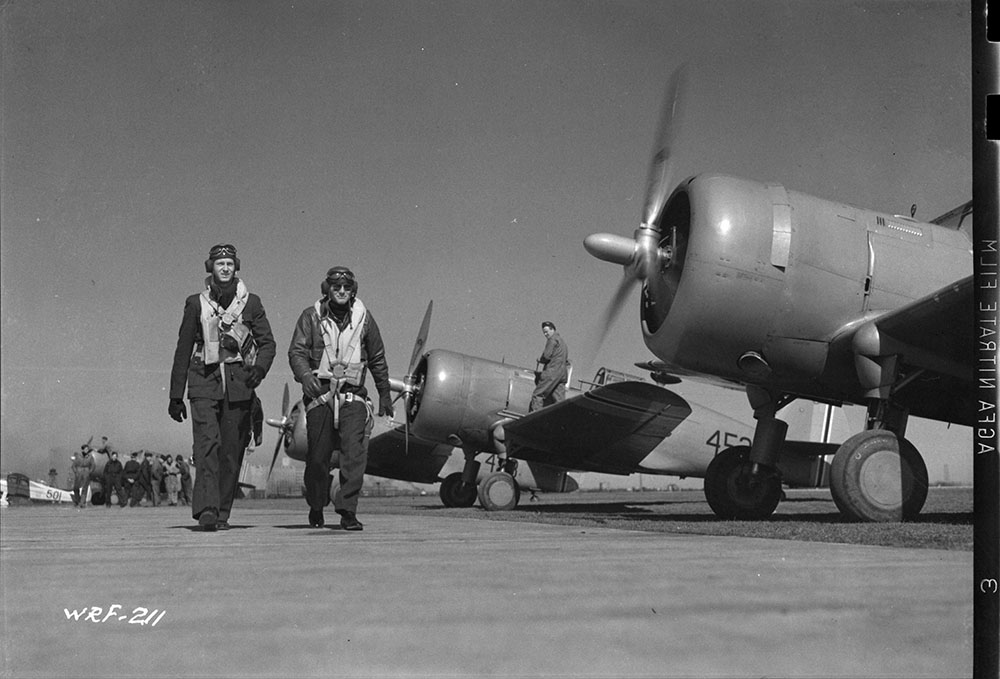
-
Article
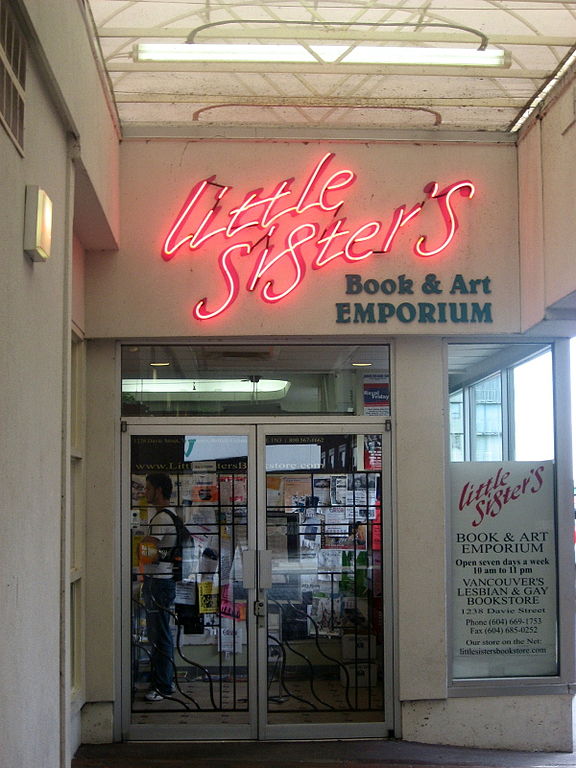
Little Sister’s Book and Art Emporium
Little Sister’s Book and Art Emporium has long served as a source of 2SLGBTQ+ literature in Vancouver. Founded by Bruce Smyth and his partner Jim Deva in 1983, the bookstore has also been a social and political focal point for the communities it serves. As Deva has asserted, “More than anything else, Little Sister’s represents the power of community.” This power drove Little Sister’s decades-long legal battle with Canada Customs over censorship and the seizure of imported gay literature. Little Sister’s is one of four 2SLGBTQ+ spaces featured in Canada Post's 2026 Places of Pride stamp collection, issued on 9 June 2026.
"https://d3d0lqu00lnqvz.cloudfront.net/media/media/576px-Little_Sister_s_Book_and_Art_Emporium.jpg" // resources/views/front/categories/view.blade.php
https://d3d0lqu00lnqvz.cloudfront.net/media/media/576px-Little_Sister_s_Book_and_Art_Emporium.jpg