
Browse "Things"
-
List
Influential Indigenous Rights Court Cases in Canada
Rights of Indigenous peoples in Canada are recognized within Canada’s Constitution Act, 1982 in section 35. However, these rights are not clearly defined or explained within the Constitution Act, 1982, resulting in numerous Indigenous rights court cases. These influential court cases have helped to establish Indigenous rights within Canada and to clarify concepts surrounding Indigenous rights.
"https://d3d0lqu00lnqvz.cloudfront.net/media/media/c813762a-d4db-4a05-b769-18eb4e9b7957.jpg" // resources/views/front/categories/view.blade.php
https://d3d0lqu00lnqvz.cloudfront.net/media/media/c813762a-d4db-4a05-b769-18eb4e9b7957.jpg
-
Article
Influenza (Flu) in Canada
Influenza, often referred to as the flu, is a common, contagious respiratory illness. There are four types of influenza viruses: A, B, C and D. While influenza A, B and C viruses can infect humans, influenza D is believed to primarily affect animals such as cattle and pigs. Influenza C is rare in comparison to influenza A and B, which are the main sources of the “seasonal flu,” or the viruses that circulate in Canada and other countries each winter. Influenza A is also the source of flu pandemics. Canada has experienced five influenza pandemics since the late 19th century, in 1890, 1918, 1957, 1968 and 2009. In Canada, influenza causes an estimated 12,200 hospitalizations and 3,500 deaths each year.
"https://d3d0lqu00lnqvz.cloudfront.net/media/media/73780e73-cf0f-4654-b6da-da083ddb6c53.jpg" // resources/views/front/categories/view.blade.php
https://d3d0lqu00lnqvz.cloudfront.net/media/media/73780e73-cf0f-4654-b6da-da083ddb6c53.jpg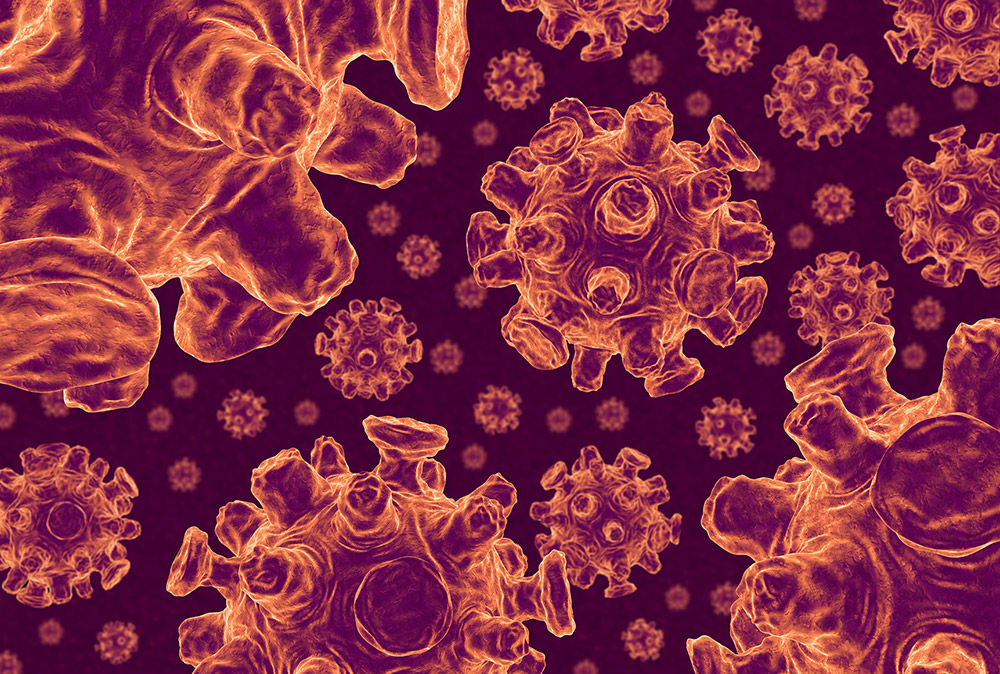
-
Article
Information and Communications Technology
Communications technologies include the techniques, tools and methods used to facilitate communication. Information technologies include those used to create, record, modify and display the content being communicated.
"https://d3d0lqu00lnqvz.cloudfront.net/media/media/528dd8b2-60b3-4853-9b1a-8c6731b71fe4.jpg" // resources/views/front/categories/view.blade.php
https://d3d0lqu00lnqvz.cloudfront.net/media/media/528dd8b2-60b3-4853-9b1a-8c6731b71fe4.jpg
-
Article
Information Highway
Information Highway is a term attributed to former American vice-president Al Gore in the 1990s and refers to the delivery of digital media over high-speed networks.
"https://thecanadianencyclopedia.ca/images/tce_placeholder.jpg?v=e9dca980c9bdb3aa11e832e7ea94f5d9" // resources/views/front/categories/view.blade.php
https://thecanadianencyclopedia.ca/images/tce_placeholder.jpg?v=e9dca980c9bdb3aa11e832e7ea94f5d9
-
Article
Information Society
Information SocietyFor many writers, pundits and policy makers the rapid development and diffusion of INFORMATION AND COMMUNICATIONS TECHNOLOGIES (ICT) heralds the development of a new kind of society - a society where the production and exchange of information is a key feature in both the economy and social life in general. While the first half of the 20th century saw the dominant form of economic production shift from agricultural to industrial, the second half was...
"https://thecanadianencyclopedia.ca/images/tce_placeholder.jpg?v=e9dca980c9bdb3aa11e832e7ea94f5d9" // resources/views/front/categories/view.blade.php
https://thecanadianencyclopedia.ca/images/tce_placeholder.jpg?v=e9dca980c9bdb3aa11e832e7ea94f5d9
-
Article
Injunction
An injunction is an equitable judicial remedy issued at the court's discretion. It usually takes the form of an order preventing or restraining a person from performing an act. The order may also take a mandatory form by compelling someone to do something.
"https://thecanadianencyclopedia.ca/images/tce_placeholder.jpg?v=e9dca980c9bdb3aa11e832e7ea94f5d9" // resources/views/front/categories/view.blade.php
https://thecanadianencyclopedia.ca/images/tce_placeholder.jpg?v=e9dca980c9bdb3aa11e832e7ea94f5d9
-
Article
Injury and Prevention
Some 2000 Canadians between the ages of one and 19 are killed each year because of injury, and over 85 000 are hospitalized. With the control of infectious diseases, injury has become the leading cause of death and disability in Canadian children and youth.
"https://thecanadianencyclopedia.ca/images/tce_placeholder.jpg?v=e9dca980c9bdb3aa11e832e7ea94f5d9" // resources/views/front/categories/view.blade.php
https://thecanadianencyclopedia.ca/images/tce_placeholder.jpg?v=e9dca980c9bdb3aa11e832e7ea94f5d9
-
Article
Canada and Innovations in Battlefield Transfusions
One of the most challenging aspects of military (and emergency) medicine is the stabilization of patients who have suffered traumatic injuries and severe blood loss. Canada has made significant contributions to the development of battlefield transfusions, including the popularization of blood transfusion in the First World War and the development of mobile transfusion units in the Spanish Civil War. Canada was also a leader in the production of freeze-dried blood serum during the Second World War. During the war in Afghanistan, Canadians established a walking blood bank at the Role 3 Multinational Medical Unit at Kandahar Airfield, where survival rates ranged from 95 to 98 percent. These developments reduced mortality rates and improved patient care during wartime and have improved trauma management in civilian contexts as well.
"https://d3d0lqu00lnqvz.cloudfront.net/Transfusions/Transfusion-Unit_1930s.jpg" // resources/views/front/categories/view.blade.php
https://d3d0lqu00lnqvz.cloudfront.net/Transfusions/Transfusion-Unit_1930s.jpg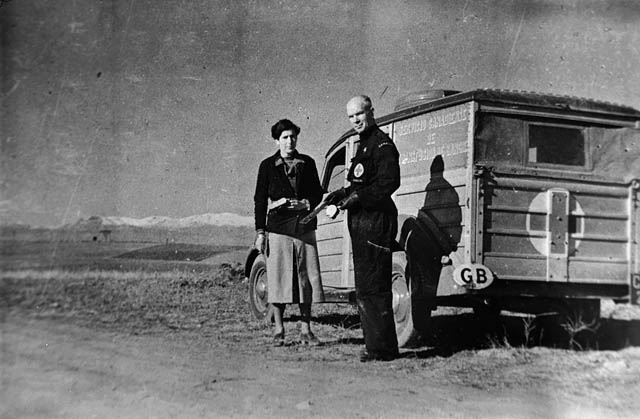
-
Article
Innu Nikamu
Innu Nikamu is an annual festival of traditional and contemporary Indigenous music featuring hunters and musicians from Quebec. Innu Nikamu takes place in the Maliotenam (Mani-Utenam) reserve, located near Sept-Îles in Quebec’s Côte-Nord administrative region.
"https://d3d0lqu00lnqvz.cloudfront.net/49293624953_12db918e57_k.jpg" // resources/views/front/categories/view.blade.php
https://d3d0lqu00lnqvz.cloudfront.net/49293624953_12db918e57_k.jpg
-
Article
INRS - Armand-Frappier Santé Biotechnologie Research Centre
The Armand-Frappier Santé Biotechnologie Research Centre, is part of the Institut national de la recherche scientifique (INRS). It is an important centre for research, training and technology transfer (see Medical Education).
"https://thecanadianencyclopedia.ca/images/tce_placeholder.jpg?v=e9dca980c9bdb3aa11e832e7ea94f5d9" // resources/views/front/categories/view.blade.php
https://thecanadianencyclopedia.ca/images/tce_placeholder.jpg?v=e9dca980c9bdb3aa11e832e7ea94f5d9
-
Article
Insect
Insects are small invertebrates (more than 75% of known species are less than 6 mm long) with 3 pairs of legs, 1 or 2 pairs of wings (or lacking wings) and a segmented body.
"https://d3d0lqu00lnqvz.cloudfront.net/media/media/fc8d88c3-70d2-4a42-a06b-0c0e46e211ed.jpg" // resources/views/front/categories/view.blade.php
https://d3d0lqu00lnqvz.cloudfront.net/media/media/fc8d88c3-70d2-4a42-a06b-0c0e46e211ed.jpg
-
Article
Insect Classification
A classification system acts as an efficient storage mechanism for information about each taxon or group.
"https://d3d0lqu00lnqvz.cloudfront.net/media/media/62afc23f-dc49-4bc6-b03e-a1421aa6133e.jpg" // resources/views/front/categories/view.blade.php
https://d3d0lqu00lnqvz.cloudfront.net/media/media/62afc23f-dc49-4bc6-b03e-a1421aa6133e.jpg
-
Article
Insect Pests
Insects and humans cohabit the Earth and have developed complex relationships. Insect pests (less than 1% of all species) are those insects that feed on, compete for food with, or transmit diseases to humans and livestock.
"https://d3d0lqu00lnqvz.cloudfront.net/media/media/88c46837-1cef-4dd5-bc79-91bc360366f2.jpg" // resources/views/front/categories/view.blade.php
https://d3d0lqu00lnqvz.cloudfront.net/media/media/88c46837-1cef-4dd5-bc79-91bc360366f2.jpg
-
Article
Eulipotyphla (Insectivora)
Eulipotyphla is an order of mammals, previously known as Insectivora, containing four living families: shrews (Soricidae), moles (Talpidae), hedgehogs (Erinaceidae) and solenodons (Solenodontidae). One extinct family of West Indian shrews, Nesophontidae, would have also been in this order. There are approximately 500 living species, widely distributed in Africa, Eurasia, North America and northern South America. The about 25 species found in Canada belong to the Talpidae and Soricidae.
"https://d3d0lqu00lnqvz.cloudfront.net/unusualanimals/Starnosed-mole-babies.jpg" // resources/views/front/categories/view.blade.php
https://d3d0lqu00lnqvz.cloudfront.net/unusualanimals/Starnosed-mole-babies.jpg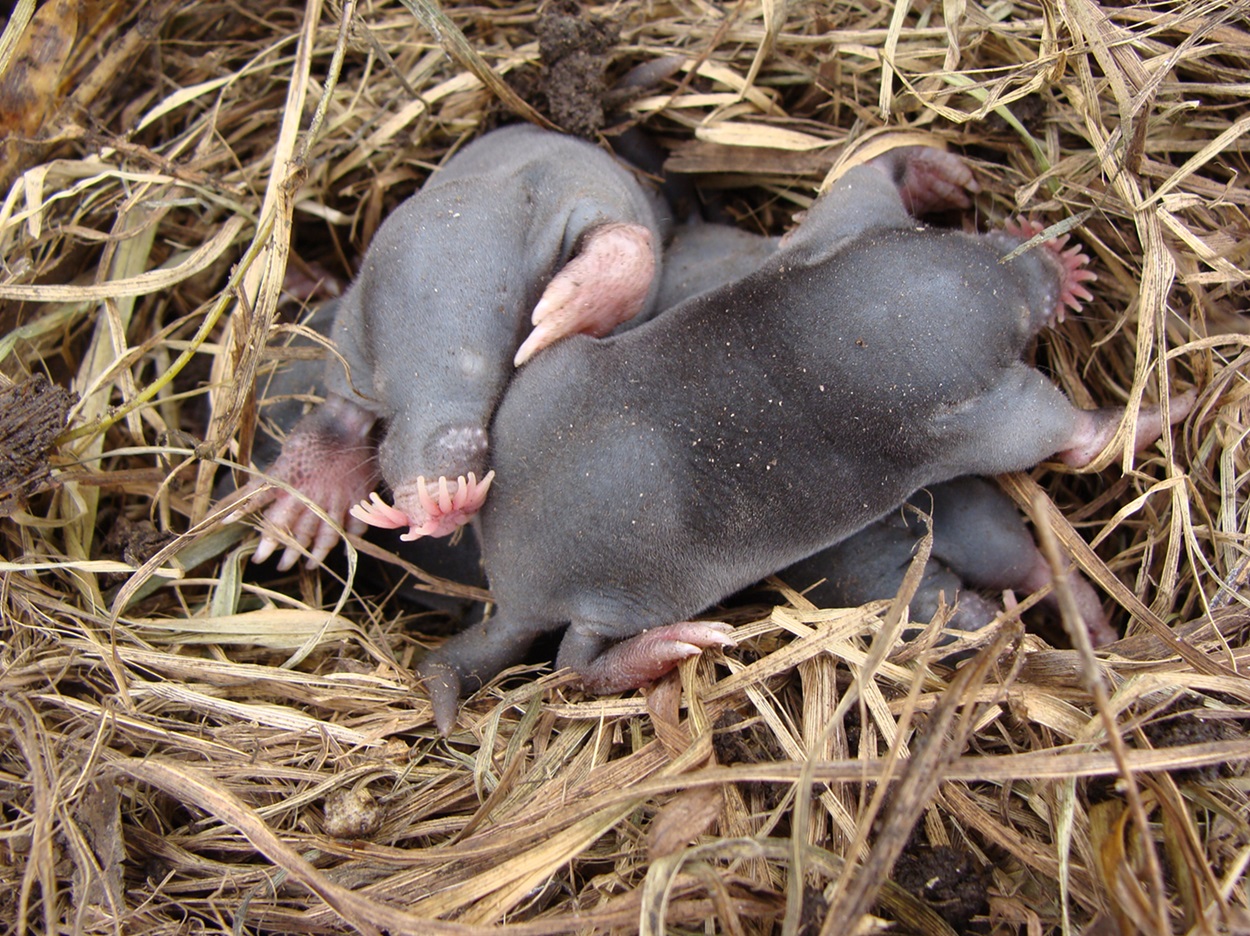
-
Macleans
Inside the Kyoto Deal
Albertas energy minister, Steve West, spent much of last week wearing a tight smile, his clenched jaw and square shoulders set as firmly as his conviction that people who blame the oilpatch for the next centurys foul weather have lost their heads.This article was originally published in Maclean's Magazine on December 22, 1997
"https://thecanadianencyclopedia.ca/images/tce_placeholder.jpg?v=e9dca980c9bdb3aa11e832e7ea94f5d9" // resources/views/front/categories/view.blade.php
https://thecanadianencyclopedia.ca/images/tce_placeholder.jpg?v=e9dca980c9bdb3aa11e832e7ea94f5d9