Browse "Things"
-
Article
Earwig
Earwigs are insects in the taxonomic order Dermaptera, meaning “skin wing,” a name that refers to the short, leathery forewings that cover and protect their large, folded hindwings. Approximately 2,000 species of earwig are described worldwide, with about 7 species recorded in Canada. Contrary to common myths, earwigs do not crawl into ears, and this folklore has no basis in fact. Earwigs can be beneficial to gardeners by acting as scavengers, detritivores and predators of pest insects. However, in high numbers, they can be a nuisance.
"https://d3d0lqu00lnqvz.cloudfront.net/earwig/Earwig_with_eggs.jpg" // resources/views/front/categories/view.blade.php
https://d3d0lqu00lnqvz.cloudfront.net/earwig/Earwig_with_eggs.jpg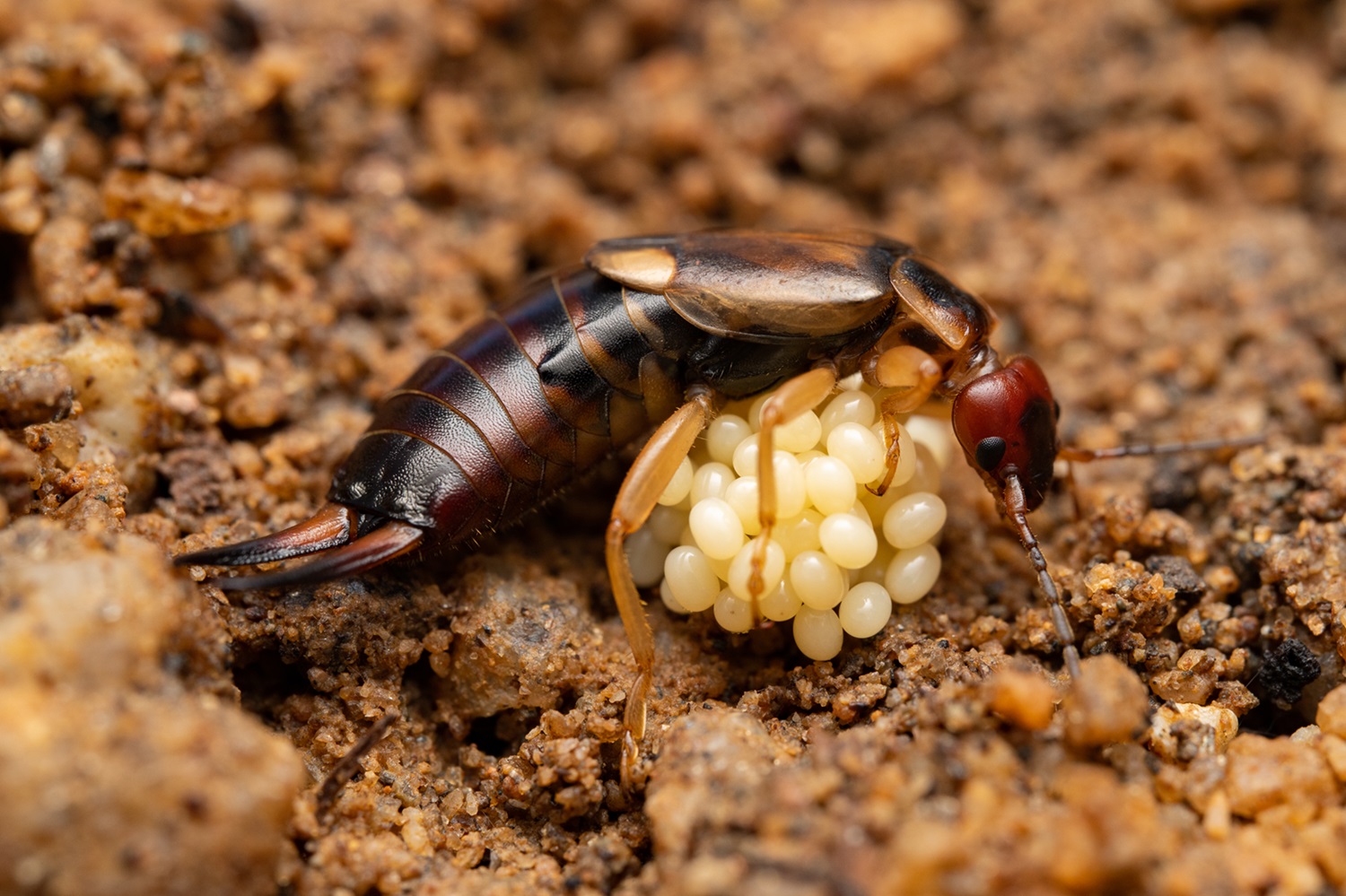
-
Article
East India Company
The East India Company was the trading company chartered in 1600 by Elizabeth I of England with a monopoly over the Eastern Hemisphere.
"https://thecanadianencyclopedia.ca/images/tce_placeholder.jpg?v=e9dca980c9bdb3aa11e832e7ea94f5d9" // resources/views/front/categories/view.blade.php
https://thecanadianencyclopedia.ca/images/tce_placeholder.jpg?v=e9dca980c9bdb3aa11e832e7ea94f5d9
-
Macleans
East Timor Reprisal
First came the assurances.This article was originally published in Maclean's Magazine on September 20, 1999
"https://thecanadianencyclopedia.ca/images/tce_placeholder.jpg?v=e9dca980c9bdb3aa11e832e7ea94f5d9" // resources/views/front/categories/view.blade.php
https://thecanadianencyclopedia.ca/images/tce_placeholder.jpg?v=e9dca980c9bdb3aa11e832e7ea94f5d9
-
Macleans
East Timor Votes for Independence
After nearly a quarter of a century, the people of tiny, impoverished East Timor finally had the chance to say what future they wanted - independence, or staying a part of Indonesia. As a phenomenal 98.This article was originally published in Maclean's Magazine on September 13, 1999
"https://thecanadianencyclopedia.ca/images/tce_placeholder.jpg?v=e9dca980c9bdb3aa11e832e7ea94f5d9" // resources/views/front/categories/view.blade.php
https://thecanadianencyclopedia.ca/images/tce_placeholder.jpg?v=e9dca980c9bdb3aa11e832e7ea94f5d9
-
Article
Easter, Lent, the Passion
Easter, Lent, the Passion. The term 'Easter music' is used to describe all music specific to the season beginning with Ash Wednesday, through Holy Week and ending with the Ascension.
"https://thecanadianencyclopedia.ca/images/tce_placeholder.jpg?v=e9dca980c9bdb3aa11e832e7ea94f5d9" // resources/views/front/categories/view.blade.php
https://thecanadianencyclopedia.ca/images/tce_placeholder.jpg?v=e9dca980c9bdb3aa11e832e7ea94f5d9
-
Article
Eastern Arctic Patrol
In the 1920s, the Canadian government attempted to assert its sovereignty in the High Eastern Arctic by establishing Royal Canadian Mounted Police (RCMP) posts. Eastern Arctic Patrols were annual summer expeditions by ship to set up and resupply these detachments. From 1922 to 1968, the patrol transported police, geologists, scientists, medical professionals and government officials north, bringing supplies and medical services to Eastern Arctic communities. The last patrol ship, CD Howe, was also used to relocate people from northern Quebec (Nunavik) to remote High Arctic locations for sovereignty purposes. (See Inuit High Arctic Relocations in Canada.)
"https://d3d0lqu00lnqvz.cloudfront.net/EAP/CGSArctic1922-1.jpg" // resources/views/front/categories/view.blade.php
https://d3d0lqu00lnqvz.cloudfront.net/EAP/CGSArctic1922-1.jpg
-
Article
Eastern Boxelder Bug
The Eastern boxelder bug (Boisea trivittata) is a species of true bug (Hemiptera) in the family Rhopalidae. Native to Eastern North America, these insects are associated with the Manitoba maple tree (Acer negundo), also known as the box elder tree, from which they derive their common name. Although they pose no threat to humans or pets, Eastern boxelder bugs can become a nuisance when they gather in large numbers, mainly when they congregate indoors as they seek shelter for the winter. The Eastern boxelder bug is very similar to the Western boxelder bug (Boisea rubrolineata), which is found west of the Rocky Mountains in Canada.
"https://d3d0lqu00lnqvz.cloudfront.net/boxelderbug/adult.jpg" // resources/views/front/categories/view.blade.php
https://d3d0lqu00lnqvz.cloudfront.net/boxelderbug/adult.jpg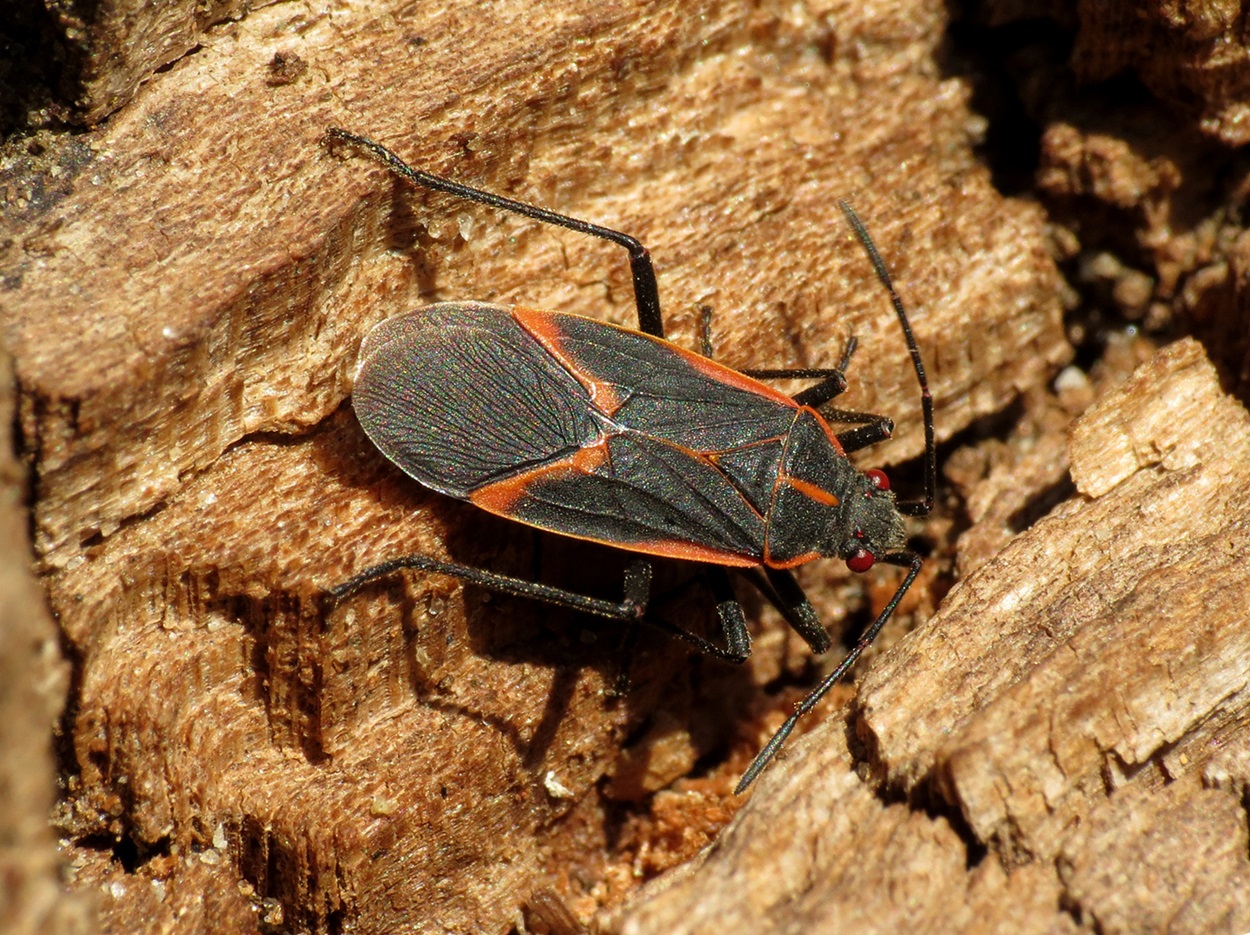
-
Article
Eastern Foxsnake
The Eastern foxsnake (Pantherophis vulpinus) is a large, non-venomous snake native to the Great Lakes region of North America. Their Canadian range is limited to Southern Ontario in two distinct populations: the Georgian Bay population and the Carolinian population in extreme southwestern Ontario. Both of these populations are considered threatened by the Committee on the Status of Endangered Wildlife in Canada. Threats include habitat loss, road mortalities and persecution from humans. (See also Snake Species in Canada.)
"https://d3d0lqu00lnqvz.cloudfront.net/EasternFoxsnake/EasternFoxsnakeTree.jpeg" // resources/views/front/categories/view.blade.php
https://d3d0lqu00lnqvz.cloudfront.net/EasternFoxsnake/EasternFoxsnakeTree.jpeg
-
Article
Eastern Hog-Nosed Snake
The Eastern hog-nosed snake (Heterodon platirhinos) is a medium-sized snake with an upturned scale on the end of its snout. The scale gives the snake a pig- or hog-like appearance. In Canada, Eastern hog-nosed snakes are found in Southern Ontario south of the Canadian Shield. They are also found in the Eastern United States as far south as Florida and Texas. The Eastern hog-nosed snake is well-known for its elaborate defensive display: first, the snake flattens its neck into a cobra-like hood, and if that does not deter predators, it flips onto its back and plays dead. (See also Snake Species in Canada.)
"https://d3d0lqu00lnqvz.cloudfront.net/EasternHogNosedSnake/EasternHognoseSnakeFlatNeck.jpg" // resources/views/front/categories/view.blade.php
https://d3d0lqu00lnqvz.cloudfront.net/EasternHogNosedSnake/EasternHognoseSnakeFlatNeck.jpg
-
Article
Eastern Massasauga Rattlesnake
The Eastern massasauga (Sistrurus catenatus) is a relatively small rattlesnake that is native to the Great Lakes region of eastern North America. It is one of three rattlesnake species found in Canada (a fourth is extirpated). Its Canadian distribution is restricted to several small, disjunct areas in southern Ontario. The massasauga has disappeared from much of its historical range. Populations continue to decline due to ongoing threats, including habitat loss, deaths on roads and intentional persecution from humans.
"https://d3d0lqu00lnqvz.cloudfront.net/media/new_article_images/Massasauga/MassasaugaAdult.jpg" // resources/views/front/categories/view.blade.php
https://d3d0lqu00lnqvz.cloudfront.net/media/new_article_images/Massasauga/MassasaugaAdult.jpg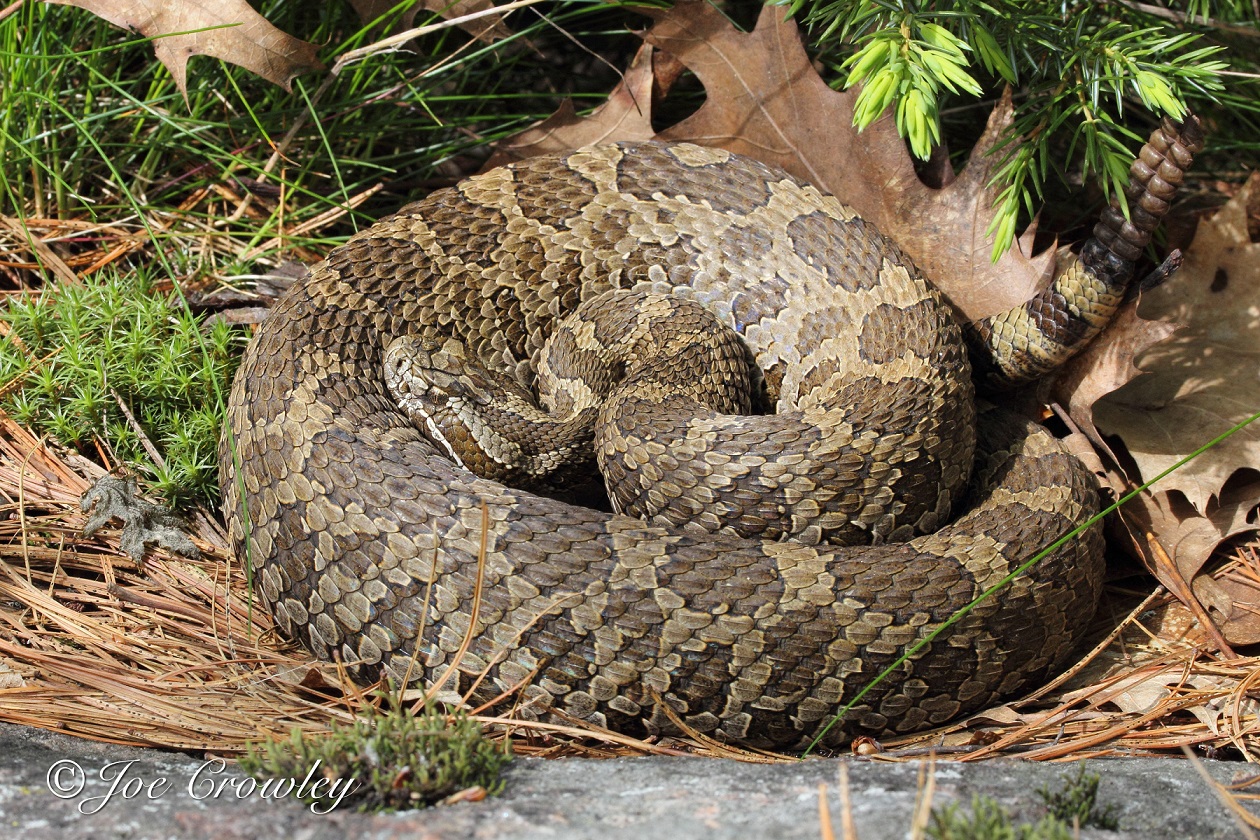
-
Article
Eastern Milksnake
The Eastern milksnake (Lampropeltis triangulum) is a colourful, non-venomous snake native to eastern North America. In Canada, the Eastern milksnake is found in southern Ontario and southwestern Quebec. Although this species has disappeared from some intensively farmed and urbanized areas, it remains relatively common and widespread throughout much of its Canadian range. It is classified as a species at risk under Canada’s Species at Risk Act.
"https://d3d0lqu00lnqvz.cloudfront.net/easternmilksnake/Milksnake3.jpg" // resources/views/front/categories/view.blade.php
https://d3d0lqu00lnqvz.cloudfront.net/easternmilksnake/Milksnake3.jpg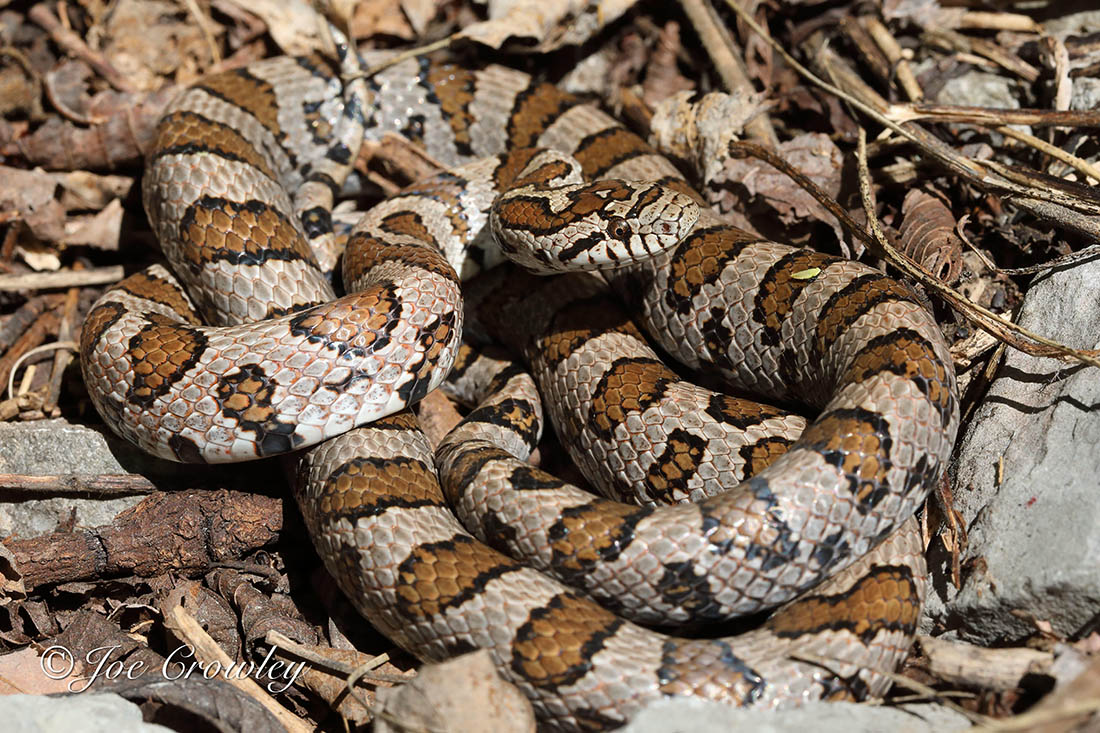
-
Article
Eastern Musk Turtle
The Eastern musk turtle (Sternotherus odoratus) is a small freshwater turtle native to Eastern North America. In Canada, it is found in the southernmost reaches of northern Ontario, throughout parts of southern and central Ontario and in extreme southwestern Quebec. Eastern musk turtles inhabit shallow areas in lakes, rivers, streams, ponds and wetlands. Individuals are highly aquatic and rarely leave the water except to nest. It is listed as a species of Special Concern under Canada’s Species at Risk Act (see Species at Risk Legislation in Canada).
"https://d3d0lqu00lnqvz.cloudfront.net/muskturtle/Crowley-Eastern-Musk-Turtle-Sternotherus-odoratus-5.jpg" // resources/views/front/categories/view.blade.php
https://d3d0lqu00lnqvz.cloudfront.net/muskturtle/Crowley-Eastern-Musk-Turtle-Sternotherus-odoratus-5.jpg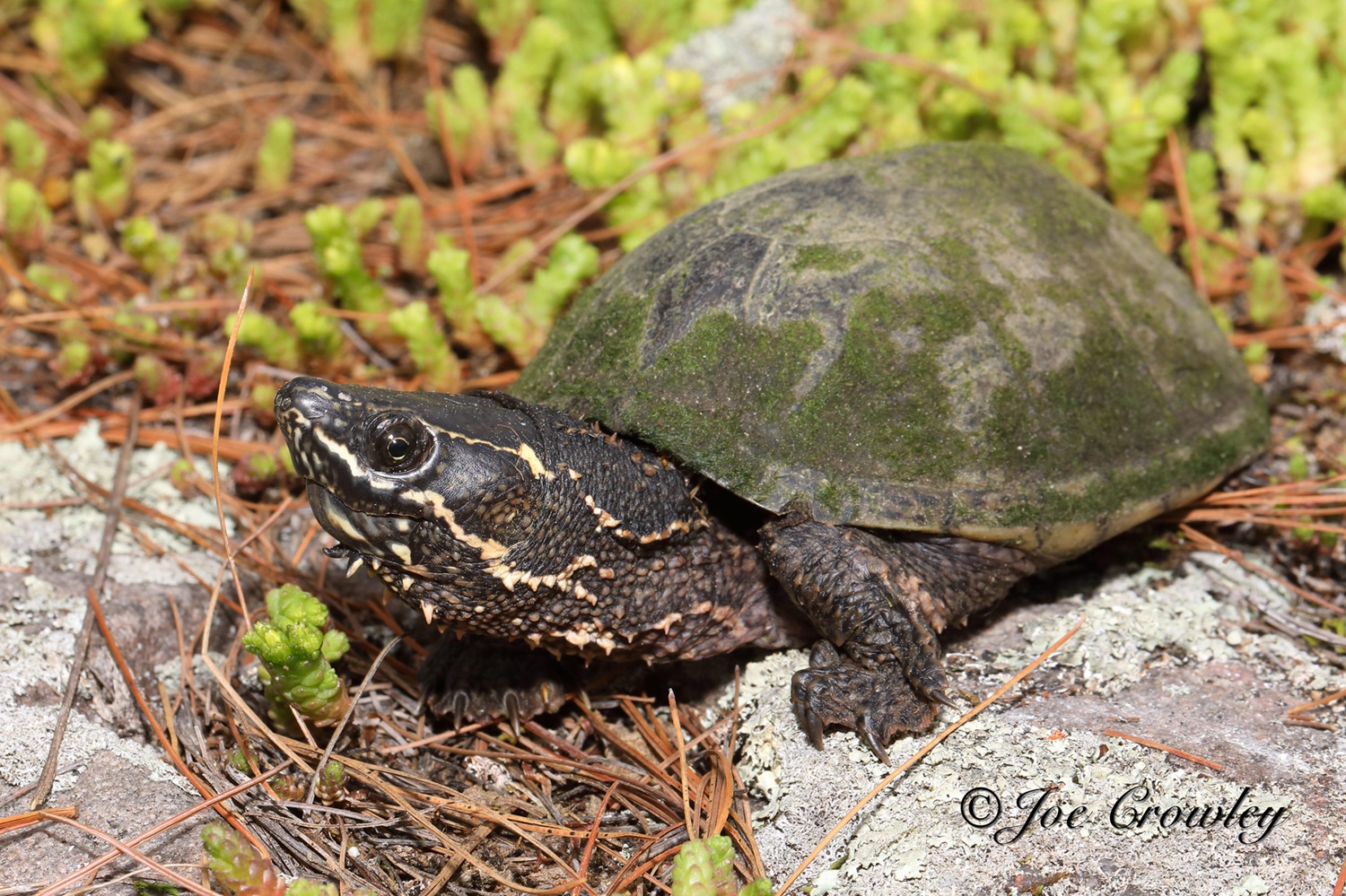
-
Article
Eastern Newt
The eastern newt (Notophthalmus viridescens) is a colourful salamander native to eastern North America. It has a large geographic range that extends from eastern Canada south throughout most of the eastern United States, making it the second-most widespread salamander species in North America. Four subspecies are recognized across its range, two of which are found in Canada: the red-spotted newt (Notophthalmus viridescens viridescens; PEI, NS, NB, QC, ON) and the central newt (Notophthalmus viridescens louisianensis; ON).
"https://d3d0lqu00lnqvz.cloudfront.net/easternnewt/CrowleyRed-spottedNewt2.jpg" // resources/views/front/categories/view.blade.php
https://d3d0lqu00lnqvz.cloudfront.net/easternnewt/CrowleyRed-spottedNewt2.jpg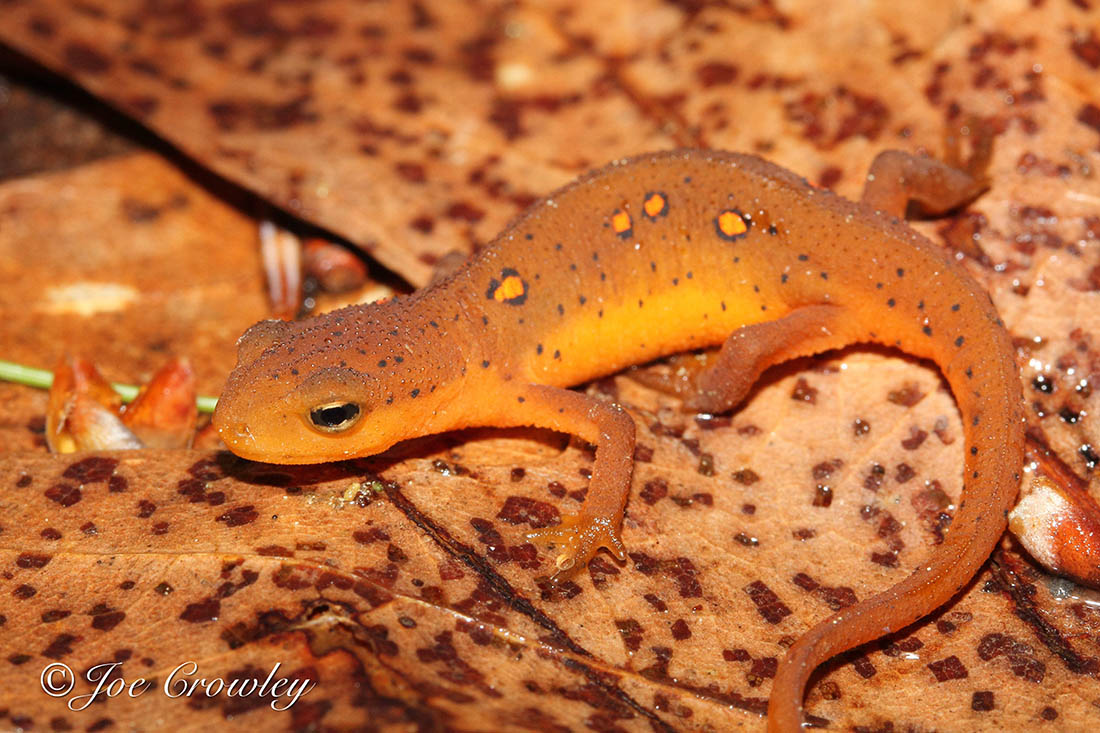
-
Article
Eastern Red-Backed Salamander
The Eastern red-backed salamander (Plethodon cinereus) is a small woodland salamander that is native to Eastern North America. In Canada, this species is found from Prince Edward Island to Northwestern Ontario. A similar species, the Western red-backed salamander, is found in southwestern British Columbia. Eastern red-backed salamanders are abundant in most forests within their range. However, they often go unseen because they spend most of their time underground, under the leaf litter or objects such as logs, stumps and rocks.
"https://d3d0lqu00lnqvz.cloudfront.net/EasternRedBackedSalamander/EasternRedBackedSalamdnerRedBackedMorph.jpg" // resources/views/front/categories/view.blade.php
https://d3d0lqu00lnqvz.cloudfront.net/EasternRedBackedSalamander/EasternRedBackedSalamdnerRedBackedMorph.jpg
-
Article
Eastern Ribbonsnake
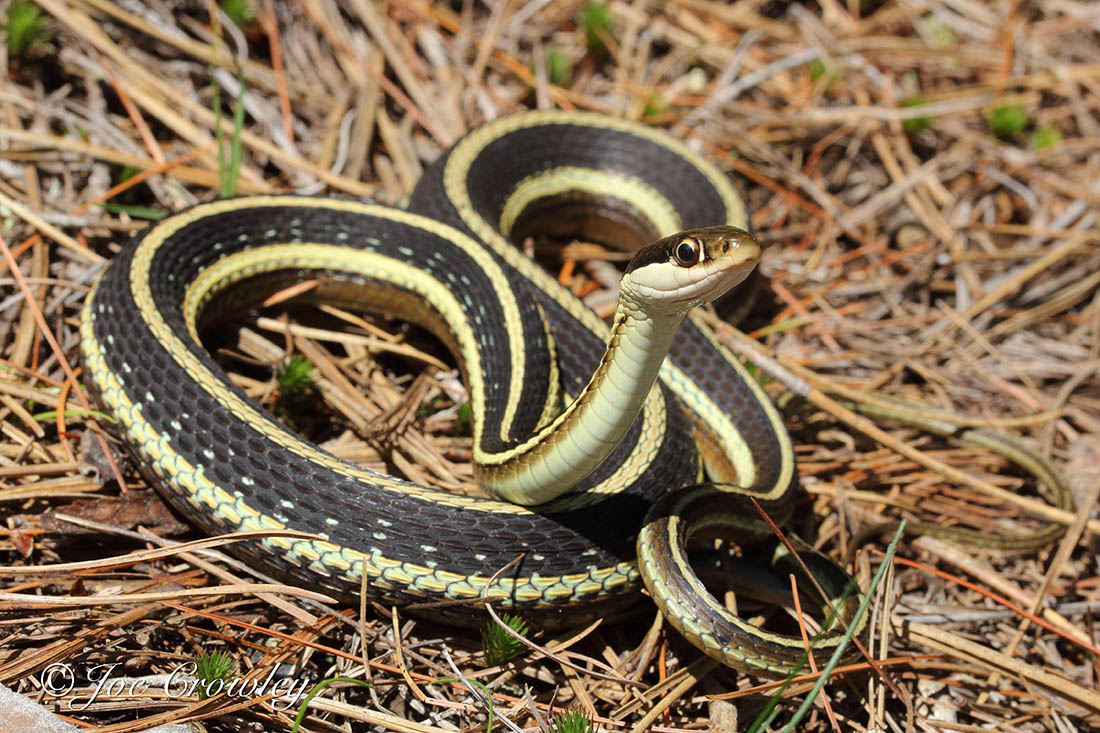
The Eastern ribbonsnake (Thamnophis saurita) is a striped, non-venomous snake native to eastern North America. Four subspecies are recognized across its range, but the Northern ribbonsnake (Thamnophis saurita septentrionalis) is the only subspecies native to Canada. In Canada, it is found in southern and central Ontario, extreme southern Quebec and southwestern Nova Scotia. It is classified as a species at risk under Canada’s Species at Risk Act.
"https://d3d0lqu00lnqvz.cloudfront.net/easternribbonsnake/CrowleyEasternRibbonsnake2.jpg" // resources/views/front/categories/view.blade.php
https://d3d0lqu00lnqvz.cloudfront.net/easternribbonsnake/CrowleyEasternRibbonsnake2.jpg