
Browse "Things"
-
Article
Duke Energy Corp
Duke Energy Corp is an integrated energy business involved in the transmission and distribution of NATURAL GAS and the generation and supply of electricity (see HYDROELECTRICITY). The company is headquartered in Charlotte, North Carolina, and has significant operations in Canada.
"https://thecanadianencyclopedia.ca/images/tce_placeholder.jpg?v=e9dca980c9bdb3aa11e832e7ea94f5d9" // resources/views/front/categories/view.blade.php
https://thecanadianencyclopedia.ca/images/tce_placeholder.jpg?v=e9dca980c9bdb3aa11e832e7ea94f5d9
-
Article
Duke Street Records
Duke Street Records. Independent Toronto label established by Andrew Hermant in 1984 as a division of PAJA Company Ltd. Under Hermant's direction as president it has pursued an ambitious, if eclectic, recording policy devoted exclusively to Canadian musicians.
"https://thecanadianencyclopedia.ca/images/tce_placeholder.jpg?v=e9dca980c9bdb3aa11e832e7ea94f5d9" // resources/views/front/categories/view.blade.php
https://thecanadianencyclopedia.ca/images/tce_placeholder.jpg?v=e9dca980c9bdb3aa11e832e7ea94f5d9
-
Macleans
Dumont Supports Separation
Young Mario Dumont could barely suppress a smile of quiet satisfaction.This article was originally published in Maclean's Magazine on June 26, 1995
"https://thecanadianencyclopedia.ca/images/tce_placeholder.jpg?v=e9dca980c9bdb3aa11e832e7ea94f5d9" // resources/views/front/categories/view.blade.php
https://thecanadianencyclopedia.ca/images/tce_placeholder.jpg?v=e9dca980c9bdb3aa11e832e7ea94f5d9
-
Macleans
Dunblane Massacre
Dumpy, balding and bespectacled, he did not look like a demonic angel of death.This article was originally published in Maclean's Magazine on March 25, 1996
"https://thecanadianencyclopedia.ca/images/tce_placeholder.jpg?v=e9dca980c9bdb3aa11e832e7ea94f5d9" // resources/views/front/categories/view.blade.php
https://thecanadianencyclopedia.ca/images/tce_placeholder.jpg?v=e9dca980c9bdb3aa11e832e7ea94f5d9
-
Article
Dupond Case
Dupond Case In a case testing the scope of provincial interest in the area of public order, the Supreme Court in 1978 ruled as valid a Montréal ordinance forbidding for 30 days any public assembly, parade or gathering, on the grounds that it was a matter, as in the Hodge Case, of local public order in the province, and therefore authorized by the Constitution Act, 1867 (s92). The legislative measures of the Dupond case were...
"https://thecanadianencyclopedia.ca/images/tce_placeholder.jpg?v=e9dca980c9bdb3aa11e832e7ea94f5d9" // resources/views/front/categories/view.blade.php
https://thecanadianencyclopedia.ca/images/tce_placeholder.jpg?v=e9dca980c9bdb3aa11e832e7ea94f5d9
-
Article
Durham Report
In 1838, the British politician Lord Durham was sent to British North America to investigate the causes of the rebellions of 1837–38 in the colonies of Upper and Lower Canada. Durham's famous Report on the Affairs of British North America (1839) led to a series of reforms and changes. These included uniting the two Canadas into a single colony, the Province of Canada, in 1841. (See also: Act of Union.) The report also paved the way for responsible government. This was a critical step in the development of Canadian democracy. The report played an important role in the evolution of Canada’s political independence from Britain.
"https://d3d0lqu00lnqvz.cloudfront.net/media/media/65ee2cc4-fcf5-4663-b8d2-f9ce30422a92.jpg" // resources/views/front/categories/view.blade.php
https://d3d0lqu00lnqvz.cloudfront.net/media/media/65ee2cc4-fcf5-4663-b8d2-f9ce30422a92.jpg
-
Article
Durham Report (Plain-Language Summary)
In late 1837, violent rebellions took place in Upper and Lower Canada. (See Rebellions of 1837–38 [Plain-Language Summary].) In May 1838, Lord Durham was sent from Britain to find out what had caused the unrest. His Report on the Affairs of British North America (1839) led to a series of reforms. These included merging the two Canadas into the Province of Canada. This was done through the Act of Union in 1841. The report also paved the way for responsible government. This was a vital step in Canada’s path toward democracy and independence from Britain. This article is a plain-language summary of the Durham Report. If you would like to read about this topic in more depth, please see our full-length entry: Durham Report.
"https://d3d0lqu00lnqvz.cloudfront.net/media/media/65ee2cc4-fcf5-4663-b8d2-f9ce30422a92.jpg" // resources/views/front/categories/view.blade.php
https://d3d0lqu00lnqvz.cloudfront.net/media/media/65ee2cc4-fcf5-4663-b8d2-f9ce30422a92.jpg
-
Article
Duty to Consult
The duty to consult is a statutory, contractual and common law obligation that must be fulfilled by the Crown prior to taking actions or making decisions that may have consequences for the rights of Indigenous peoples in Canada. The duty to consult has been affirmed and clarified by various Supreme Court of Canada rulings, such as the Haida case (2004) and the Beckman v. Little Salmon/Carmacks case (2010). The duty to consult is considered by many to be an important step toward reconciliation with Indigenous peoples.
"https://d3d0lqu00lnqvz.cloudfront.net/media/media/6a400e13-acb7-412e-8e7e-6fdff2cae014.jpg" // resources/views/front/categories/view.blade.php
https://d3d0lqu00lnqvz.cloudfront.net/media/media/6a400e13-acb7-412e-8e7e-6fdff2cae014.jpg
-
Article
Eagle Species in Canada
Eagles are large birds of prey in the family Accipitridae with exceptionally keen vision, long, powerful wings, a hooked bill and strong feet with sharp curved talons. Eagles are fierce predators, spotting their animal prey as they soar or from their perches, and then swooping to kill. Two species of eagles can be found in Canada: the bald and golden eagles.
"https://d3d0lqu00lnqvz.cloudfront.net/eaglespeciesincanada/Chrysaetos_La_Canada_20120114_1.jpg" // resources/views/front/categories/view.blade.php
https://d3d0lqu00lnqvz.cloudfront.net/eaglespeciesincanada/Chrysaetos_La_Canada_20120114_1.jpg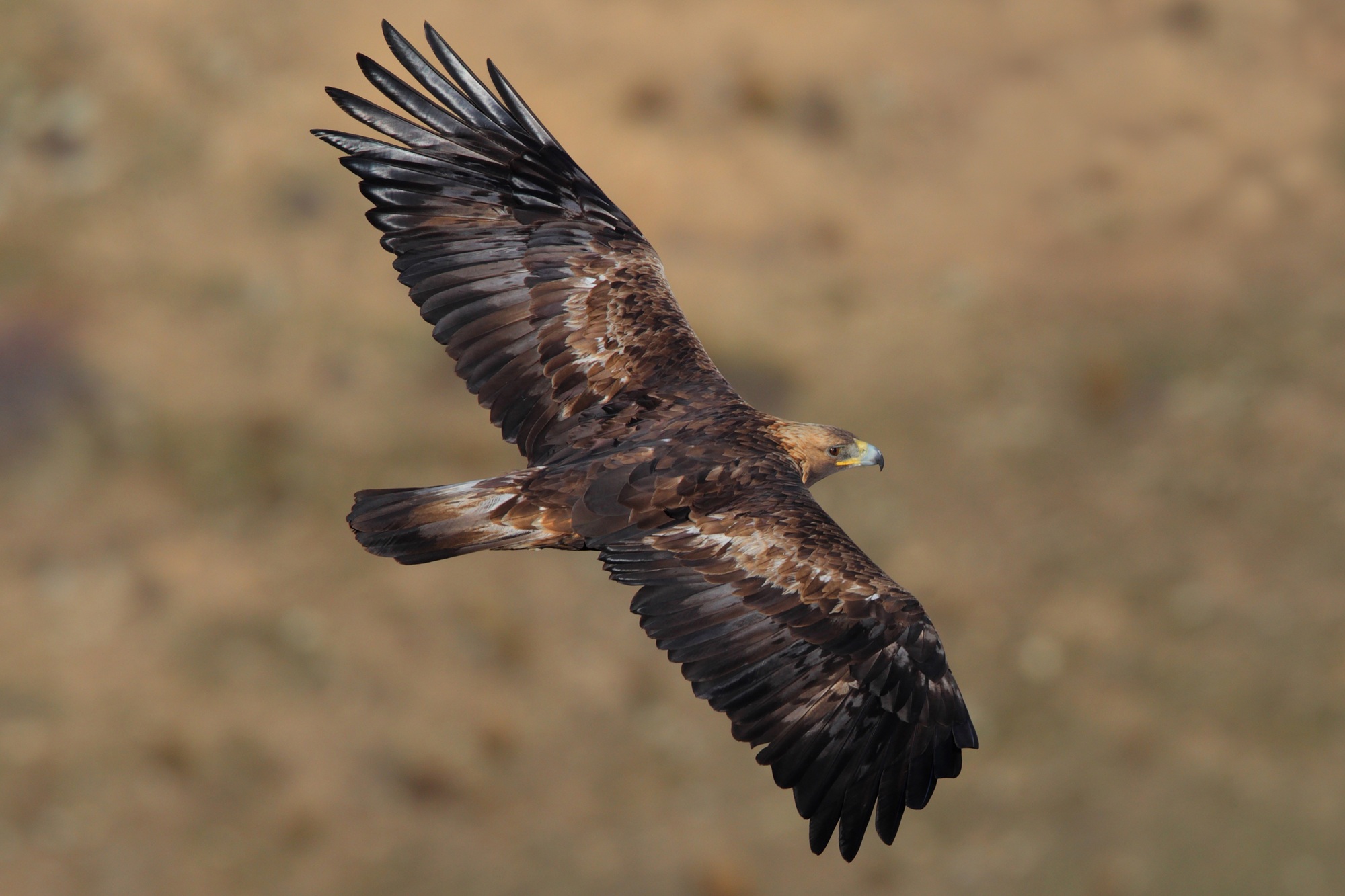
-
Article
Early-Childhood Education
Early-childhood education embraces a variety of group care and education programs for young children and parents.
"https://thecanadianencyclopedia.ca/images/tce_placeholder.jpg?v=e9dca980c9bdb3aa11e832e7ea94f5d9" // resources/views/front/categories/view.blade.php
https://thecanadianencyclopedia.ca/images/tce_placeholder.jpg?v=e9dca980c9bdb3aa11e832e7ea94f5d9
-
Article
Early French Measurement
Early French Measurement French Unit English Equivalent Metric Equivalent pied 1.066 feet .325 m toise (6 pieds) 6.40 feet 1.95 m perche (3 toises) 19.18 feet 5.85 m arpent (10 perches) 191.8 feet 58.5 m lieue (84 arpents) 3.05 miles 4.91 km For more information see the article weights & measures.
"https://thecanadianencyclopedia.ca/images/tce_placeholder.jpg?v=e9dca980c9bdb3aa11e832e7ea94f5d9" // resources/views/front/categories/view.blade.php
https://thecanadianencyclopedia.ca/images/tce_placeholder.jpg?v=e9dca980c9bdb3aa11e832e7ea94f5d9
-
Article
Early-Warning Radar
Air-defence radar stations were first established in Canada along the Atlantic and Pacific coasts in 1942, but were dismantled following the defeat of Germany and Japan in 1945.
"https://thecanadianencyclopedia.ca/images/tce_placeholder.jpg?v=e9dca980c9bdb3aa11e832e7ea94f5d9" // resources/views/front/categories/view.blade.php
https://thecanadianencyclopedia.ca/images/tce_placeholder.jpg?v=e9dca980c9bdb3aa11e832e7ea94f5d9
-
Article
Early Women’s Movements in Canada: 1867–1960
Women’s movements (or, feminist movements) of the 19th and early-20th century — often referred to as first-wave feminism — included campaigns in support of temperance, women’s suffrage, pacifism, as well as labour and health rights.
"https://d3d0lqu00lnqvz.cloudfront.net/media/media/569d6d96-ffeb-485f-aa88-98b968b29e2a.jpg" // resources/views/front/categories/view.blade.php
https://d3d0lqu00lnqvz.cloudfront.net/media/media/569d6d96-ffeb-485f-aa88-98b968b29e2a.jpg
-
Article
Earthquake
An earthquake is a vibratory motion generated from the movement of rock along a fault line beneath the Earth’s surface. More than 4,000 earthquakes occur in Canada every year, though the majority of these are not felt. The principal regions for seismic activity in Canada are: the coast of British Columbia; the Cordillera region; the Arctic; and to a lesser extent, the eastern provinces and the eastern seaboard.
"https://d3d0lqu00lnqvz.cloudfront.net/media/media/3498270b-80a2-4f3a-866c-6b89e901af97.jpg" // resources/views/front/categories/view.blade.php
https://d3d0lqu00lnqvz.cloudfront.net/media/media/3498270b-80a2-4f3a-866c-6b89e901af97.jpg
-
Article
Earthworm
Earthworm, is a segmented worm of phylum Annelida, class Oligochaeta. The class comprises some 14 families, including Lumbricidae, to which the common earthworm (Lumbricus terrestris) belongs. Earthworms are separated from other oligochaetes by a combination of characteristics, including 8 setae per segment; multicellular clitellum; small eggs without yolks; 2 pairs of testes and one pair of ovaries; male pores opening behind female; and relatively large size, compared to aquatic species.
"https://d3d0lqu00lnqvz.cloudfront.net/media/media/20bc6dfb-ca6b-4940-a009-b7f9d763dac1.jpg" // resources/views/front/categories/view.blade.php
https://d3d0lqu00lnqvz.cloudfront.net/media/media/20bc6dfb-ca6b-4940-a009-b7f9d763dac1.jpg