
Browse "Nature & Geography"
-
Article
Vulture
The vulture is a large, long-winged, bald-headed bird of prey, normally abundant in warmer latitudes.
"https://d3d0lqu00lnqvz.cloudfront.net/media/media/70245b69-4c81-436d-b1c9-79c1e3d9b92c.jpg" // resources/views/front/categories/view.blade.php
https://d3d0lqu00lnqvz.cloudfront.net/media/media/70245b69-4c81-436d-b1c9-79c1e3d9b92c.jpg
-
Article
Walnut
Walnut (Juglans), genus of trees of the walnut family (Juglandaceae). The roughly 15 known species are widely dispersed through temperate and tropical regions.
"https://thecanadianencyclopedia.ca/images/tce_placeholder.jpg?v=e9dca980c9bdb3aa11e832e7ea94f5d9" // resources/views/front/categories/view.blade.php
https://thecanadianencyclopedia.ca/images/tce_placeholder.jpg?v=e9dca980c9bdb3aa11e832e7ea94f5d9
-
Article
Wapiti
Wapiti or American elk (Cervus canadensis) are the second largest (after the moose) deer in North America. The name wapiti is Shawnee for "white rump."
"https://d3d0lqu00lnqvz.cloudfront.net/deerincanada/Female-Elk.jpg" // resources/views/front/categories/view.blade.php
https://d3d0lqu00lnqvz.cloudfront.net/deerincanada/Female-Elk.jpg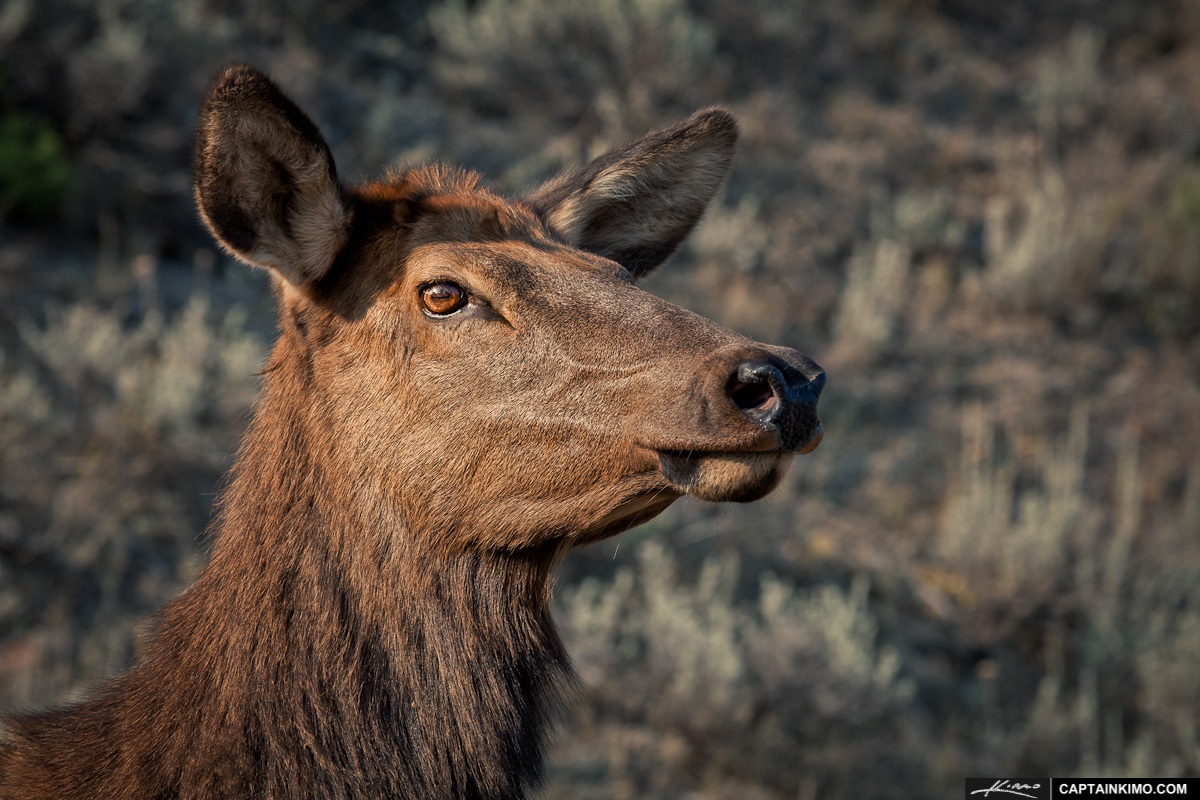
-
Article
Warbler
Warbler is a name applied to several groups of birds, primarily the New World wood warblers, and Old World warblers of which only 3 species commonly breed in Canada.
"https://d3d0lqu00lnqvz.cloudfront.net/media/media/8ba88883-d122-40fb-9532-84b5544afa79.jpg" // resources/views/front/categories/view.blade.php
https://d3d0lqu00lnqvz.cloudfront.net/media/media/8ba88883-d122-40fb-9532-84b5544afa79.jpg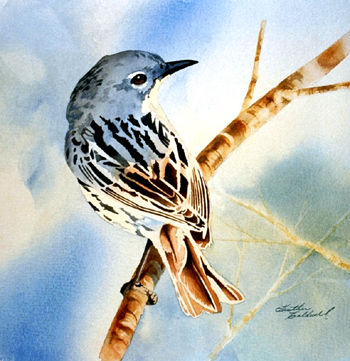
-
"https://d3d0lqu00lnqvz.cloudfront.net/media/media/f968e2cd-86a8-4763-a99e-b2199dcf06d1.jpg" // resources/views/front/categories/view.blade.php
https://d3d0lqu00lnqvz.cloudfront.net/media/media/f968e2cd-86a8-4763-a99e-b2199dcf06d1.jpg
-
Article
Water Pollution
Water pollution occurs when discharges of energy or materials degrade the quality of water for other users, including both humans and wildlife. Pollution can affect inland waters such as lakes, rivers and groundwater, as well as coastal marine waters.
"https://d3d0lqu00lnqvz.cloudfront.net/media/media/f9901a84-76fe-4be2-9d6f-7b434709a151.jpg" // resources/views/front/categories/view.blade.php
https://d3d0lqu00lnqvz.cloudfront.net/media/media/f9901a84-76fe-4be2-9d6f-7b434709a151.jpg
-
Article
Waterfowl
Waterfowl is a general term used for members of the family Anatidae, composed of closely allied species commonly known as ducks, geese and swans.
"https://d3d0lqu00lnqvz.cloudfront.net/media/media/473c32f2-43fb-4b28-adcf-d02c1c0811c1.jpg" // resources/views/front/categories/view.blade.php
https://d3d0lqu00lnqvz.cloudfront.net/media/media/473c32f2-43fb-4b28-adcf-d02c1c0811c1.jpg
-
Article
Weather Forecasting
Most modern meteorologists attempt to cope with physical processes by expressing them mathematically, ie, by creating mathematical models of the atmosphere. Powerful computers are then used to solve problems.
"https://d3d0lqu00lnqvz.cloudfront.net/media/media/d32eb943-b421-42f4-bb17-0d8dbdeb99d9.jpg" // resources/views/front/categories/view.blade.php
https://d3d0lqu00lnqvz.cloudfront.net/media/media/d32eb943-b421-42f4-bb17-0d8dbdeb99d9.jpg
-
Article
Weather Modification
Weather modification has been used in an attempt to increase rainfall and snowfall, to suppress hail, to clear fogs, to modify tropical cyclones and to suppress lightning. The term "weather modification" is not normally used to describe inadvertent changes in our WEATHER.
"https://thecanadianencyclopedia.ca/images/tce_placeholder.jpg?v=e9dca980c9bdb3aa11e832e7ea94f5d9" // resources/views/front/categories/view.blade.php
https://thecanadianencyclopedia.ca/images/tce_placeholder.jpg?v=e9dca980c9bdb3aa11e832e7ea94f5d9
-
Article
Weather Observations
Weather in Canada ranges from the extreme cold of the Arctic to tornadoes and other severe weather in the southern regions; from the storms and fog of the Atlantic to the dry heat and majestic thunderstorms of the prairies.
"https://d3d0lqu00lnqvz.cloudfront.net/media/media/5f2d2f05-f8d1-4a58-8c76-8e1ba649ad92.jpg" // resources/views/front/categories/view.blade.php
https://d3d0lqu00lnqvz.cloudfront.net/media/media/5f2d2f05-f8d1-4a58-8c76-8e1ba649ad92.jpg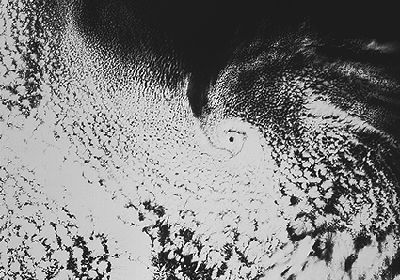
-
Article
Weathering
Fragmented rock materials formed by mechanical weathering are normally larger than clay particles. These materials constitute major sources of sediment for later erosion, transportation and deposition under the impetus of gravity, wind, water or ice.
"https://d3d0lqu00lnqvz.cloudfront.net/media/media/1feca1f5-6d62-4849-ada5-e7b61d404647.jpg" // resources/views/front/categories/view.blade.php
https://d3d0lqu00lnqvz.cloudfront.net/media/media/1feca1f5-6d62-4849-ada5-e7b61d404647.jpg
-
"https://thecanadianencyclopedia.ca/images/tce_placeholder.jpg?v=e9dca980c9bdb3aa11e832e7ea94f5d9" // resources/views/front/categories/view.blade.php
https://thecanadianencyclopedia.ca/images/tce_placeholder.jpg?v=e9dca980c9bdb3aa11e832e7ea94f5d9
-
Article
Wheat
Wheat is the common name for members of genus Triticum of the grass family (Gramineae) and for the cereal grains produced by these grasses.
"https://d3d0lqu00lnqvz.cloudfront.net/media/media/ee4480f5-05e5-41fe-aa30-eb9cbf134135.jpg" // resources/views/front/categories/view.blade.php
https://d3d0lqu00lnqvz.cloudfront.net/media/media/ee4480f5-05e5-41fe-aa30-eb9cbf134135.jpg
-
Article
Whelk
Whelk is the common name for a carnivorous marine snail which may be included with the Buccinid, Muricid or Purpurid families.
"https://d3d0lqu00lnqvz.cloudfront.net/media/media/4853ce1f-32b2-4a69-86ed-b9af470cc9f3.jpg" // resources/views/front/categories/view.blade.php
https://d3d0lqu00lnqvz.cloudfront.net/media/media/4853ce1f-32b2-4a69-86ed-b9af470cc9f3.jpg
-
Article
White Fox
White Fox, Sask, incorporated as a village in 1941, population 364 (2011c), 348 (2006c). The Village of White Fox is located about 130 km east of Prince Albert, just north of Nipawin and the Saskatchewan River. The village is named for the White Fox River which flows through the district.
"https://thecanadianencyclopedia.ca/images/tce_placeholder.jpg?v=e9dca980c9bdb3aa11e832e7ea94f5d9" // resources/views/front/categories/view.blade.php
https://thecanadianencyclopedia.ca/images/tce_placeholder.jpg?v=e9dca980c9bdb3aa11e832e7ea94f5d9