
Browse "Nature & Geography"
-
Article
Skunk
The skunk is a carnivorous, cat-sized mammal. Skunks were previously considered as part of the weasel family (Mustelidae) but DNA research has placed them in their own family, Mephitidae. This animal is black in colour with conspicuous white stripes or spots. Adults average 54 centimetres long and weigh 1.6 kilograms. Two genera occur in Canada.
"https://d3d0lqu00lnqvz.cloudfront.net/media/media/034d1f13-755b-489b-ae6b-2f6912611488.jpg" // resources/views/front/categories/view.blade.php
https://d3d0lqu00lnqvz.cloudfront.net/media/media/034d1f13-755b-489b-ae6b-2f6912611488.jpg
-
Article
Sky
The sky appears its deepest blue when the air is dry and clean. Water vapour and dust scatter all colours of light, causing the blue to appear washed-out and pale.
"https://thecanadianencyclopedia.ca/images/tce_placeholder.jpg?v=e9dca980c9bdb3aa11e832e7ea94f5d9" // resources/views/front/categories/view.blade.php
https://thecanadianencyclopedia.ca/images/tce_placeholder.jpg?v=e9dca980c9bdb3aa11e832e7ea94f5d9
-
Article
Slug
Slug is a common name for several terrestrial pulmonate and numerous marine gilled species of gastropod molluscs conspicuous by the lack of an exposed shell.
"https://d3d0lqu00lnqvz.cloudfront.net/media/media/51c710f6-6973-4da3-8a4a-d48caed18d86.jpg" // resources/views/front/categories/view.blade.php
https://d3d0lqu00lnqvz.cloudfront.net/media/media/51c710f6-6973-4da3-8a4a-d48caed18d86.jpg
-
Article
Snipe
Snipe is the name given to 19 species of small to medium-sized shorebirds (254–406 mm) of the sandpiper family. Like woodcocks, snipes have long bills with flexible tips and eyes set well back on the skull, allowing almost all-round vision.
"https://d3d0lqu00lnqvz.cloudfront.net/media/media/58b1f67e-84e1-4107-8882-d2fe8a0d4c9a.jpg" // resources/views/front/categories/view.blade.php
https://d3d0lqu00lnqvz.cloudfront.net/media/media/58b1f67e-84e1-4107-8882-d2fe8a0d4c9a.jpg
-
Article
Soapstone
Soapstone's use dates back to antiquity: early Egyptians carved it into scarabs and seals; in China and India it was used for ornaments, implements and domestic utensils. It was similarly used at various times over the past 7,500 years by First Nations, Inuit and Norse in Canada (see Inuit Art).
"https://d3d0lqu00lnqvz.cloudfront.net/media/media/a7e8e79a-3e33-47b9-bf7f-900de027e572.jpg" // resources/views/front/categories/view.blade.php
https://d3d0lqu00lnqvz.cloudfront.net/media/media/a7e8e79a-3e33-47b9-bf7f-900de027e572.jpg
-
Article
Soil
Soil is the thin, fragile surface layer of Earth. It is a dynamic, loose and porous body of variable thickness (between a few centimetres and a few metres). Soil is formed by continuous transformations of rock or deposit through physical, chemical and biological processes. It is one of the two main components of Earth — the other being oceans — in which life is particularly active. Soil is the source and site of many human activities, and human life greatly depends on it. In Canada, agricultural, environmental and natural-resource scientists are at the forefront of research on soil.
"https://d3d0lqu00lnqvz.cloudfront.net/media/media/01f0989f-5102-44b1-82b6-1b7a44b8ff1d.jpg" // resources/views/front/categories/view.blade.php
https://d3d0lqu00lnqvz.cloudfront.net/media/media/01f0989f-5102-44b1-82b6-1b7a44b8ff1d.jpg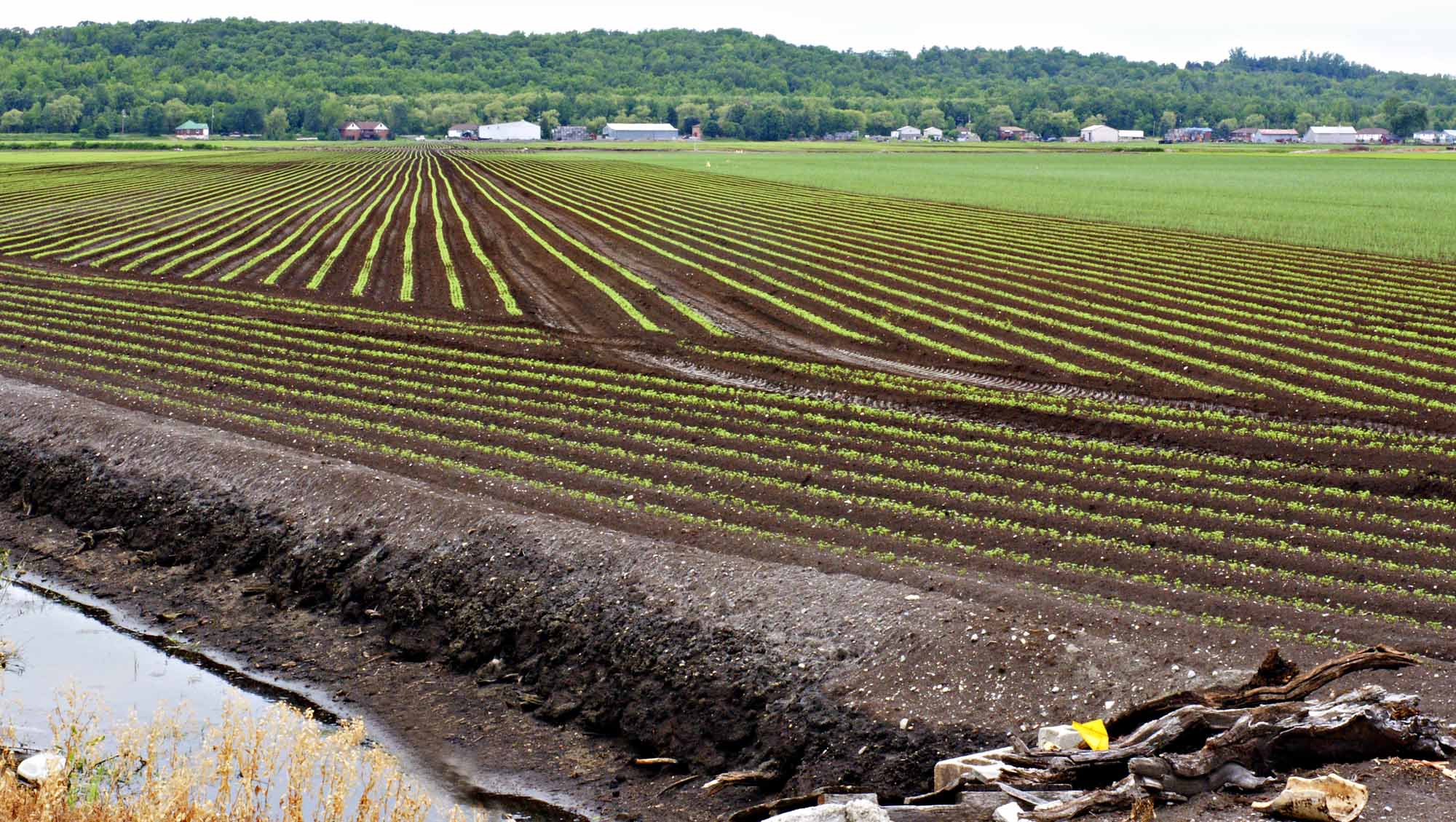
-
Article
Soil Classification
Classification involves arranging individual units with similar characteristics into groups. Soils do not occur as discrete entities; thus the unit of measurement for soil is not obvious.
"https://d3d0lqu00lnqvz.cloudfront.net/media/media/5ab8defa-319b-47f7-a725-b100a41ab8e1.jpg" // resources/views/front/categories/view.blade.php
https://d3d0lqu00lnqvz.cloudfront.net/media/media/5ab8defa-319b-47f7-a725-b100a41ab8e1.jpg
-
Article
Soil Conservation
Soil conservation is a combination of all methods of management and land use that safeguard the soil against depletion or deterioration by natural or human-induced factors.
"https://d3d0lqu00lnqvz.cloudfront.net/media/media/1feca1f5-6d62-4849-ada5-e7b61d404647.jpg" // resources/views/front/categories/view.blade.php
https://d3d0lqu00lnqvz.cloudfront.net/media/media/1feca1f5-6d62-4849-ada5-e7b61d404647.jpg
-
Article
Soil Science
Soil science is the science that deals with soils as a natural resource. Studies focus on soil formation, classification and mapping, and the physical, chemical and biological properties and fertility of soils as such and in relation to their management for crop production.
"https://thecanadianencyclopedia.ca/images/tce_placeholder.jpg?v=e9dca980c9bdb3aa11e832e7ea94f5d9" // resources/views/front/categories/view.blade.php
https://thecanadianencyclopedia.ca/images/tce_placeholder.jpg?v=e9dca980c9bdb3aa11e832e7ea94f5d9
-
Article
Solar Energy
The energy contained in sunlight is the source of life on Earth. Humans can harness it to generate power for our activities without producing harmful pollutants. There are many methods of converting solar energy into more readily usable forms of energy such as heat or electricity. The technologies we use to convert solar energy have a relatively small impact on the environment. However, they each have disadvantages that have kept them from being widely adopted. In Canada, the use of solar energy to generate electricity and heat is growing quickly and is helping reduce pollution related to energy production. Despite Canada’s cold climate and high latitudes (which get less direct sunlight than mid-latitudes), solar power technologies are used in many places, from household rooftops to large power plants. The Canada Energy Regulator (formerly the National Energy Board) expects solar power to make up 3 per cent of Canada’s total electricity generation capacity by 2040.
"https://d3d0lqu00lnqvz.cloudfront.net/media/media/bfcd57a6-65cf-486a-b845-726de3285690.jpg" // resources/views/front/categories/view.blade.php
https://d3d0lqu00lnqvz.cloudfront.net/media/media/bfcd57a6-65cf-486a-b845-726de3285690.jpg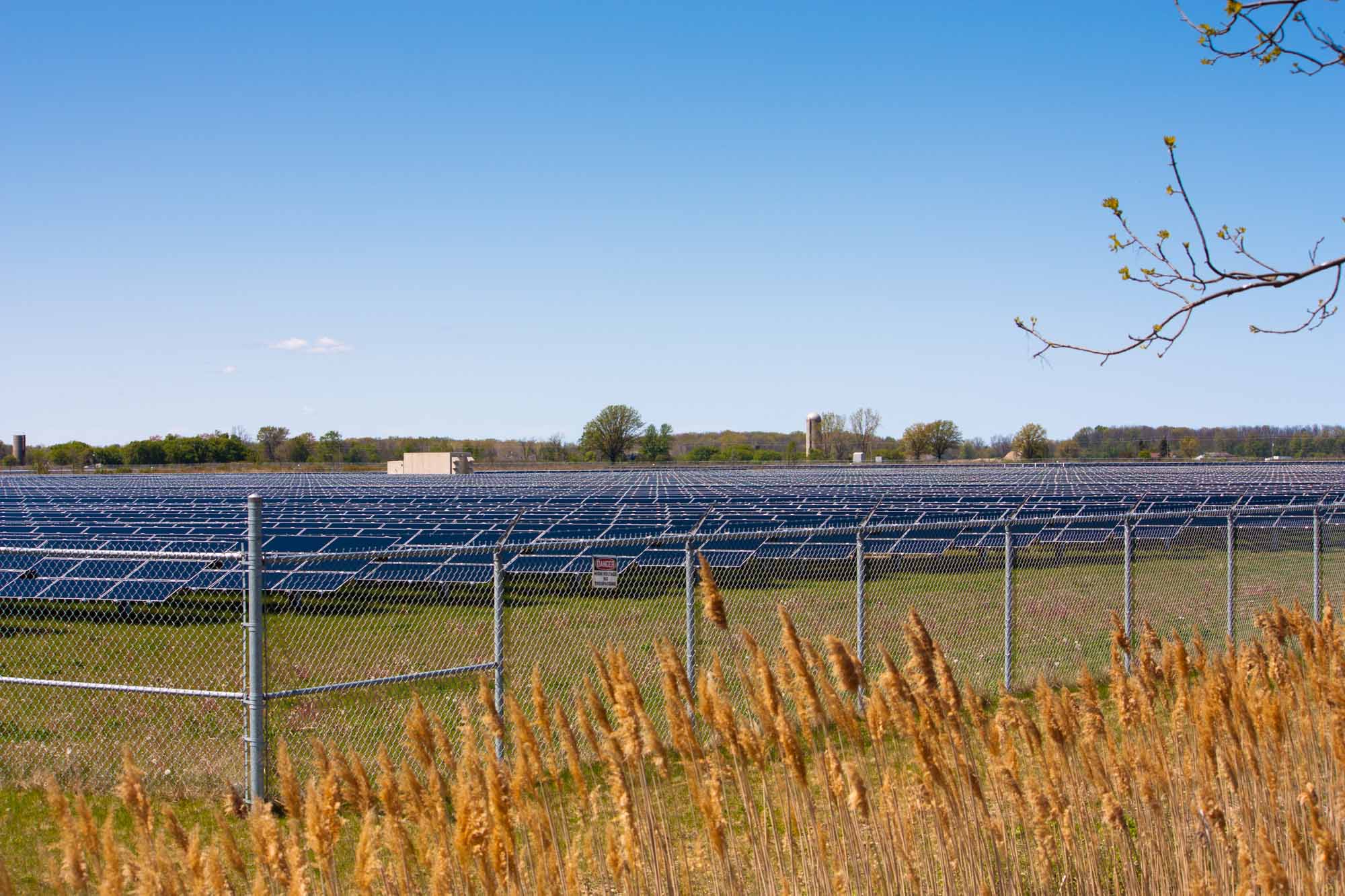
-
Article
Solomon's Seal
Solomon's seal (genus Polygonatum) is a herbaceous plant of lily family (Liliaceae). About 50 species occur in the Northern Hemisphere.
"https://thecanadianencyclopedia.ca/images/tce_placeholder.jpg?v=e9dca980c9bdb3aa11e832e7ea94f5d9" // resources/views/front/categories/view.blade.php
https://thecanadianencyclopedia.ca/images/tce_placeholder.jpg?v=e9dca980c9bdb3aa11e832e7ea94f5d9
-
Article
Soybean
Soybean (Glycine max) is a herbaceous annual belonging to the legume family, grown as an oilseed crop in Canada. The soybean, among the oldest of cultivated crops, probably originated in East Asia. Introduced into the US as a hay crop about 1800, it was not recognized as a valuable source of edible oil until the early 1900s.
"https://d3d0lqu00lnqvz.cloudfront.net/media/media/735549a0-545a-4fa3-8e3f-b2e86a3b8471.jpg" // resources/views/front/categories/view.blade.php
https://d3d0lqu00lnqvz.cloudfront.net/media/media/735549a0-545a-4fa3-8e3f-b2e86a3b8471.jpg
-
Article
Sparrows in Canada
Sparrow is the name given to several unrelated groups of birds. Sparrows are classified in two families: Passerellidae, which includes American sparrows; and Passeridae, which includes the familiar house sparrow. About 25 species of the family Passerellidae regularly occur in Canada. Some notable native species are the song sparrow (Melospiza melodia), white-throated sparrow (Zonotrichia albicollis) and the lark bunting (Calamospiza melanocorys).
"https://d3d0lqu00lnqvz.cloudfront.net/cattail/Cattail.jpg" // resources/views/front/categories/view.blade.php
https://d3d0lqu00lnqvz.cloudfront.net/cattail/Cattail.jpg
-
Article
Species at Risk Legislation in Canada
Species at risk are species, subspecies or populations of animals, plants or fungi that are broadly considered to be in decline. In most cases, if the decline is not addressed, these species could be at risk of extinction. Canada is home to many species at risk, whether globally, nationally or locally (see Environmental Movements in Canada). Many pieces of legislation aim to prevent the decline or extinction of wild species in Canada, most notably the federal Species at Risk Act. Every province and territory also has its own regionally specific legislature.
"https://d3d0lqu00lnqvz.cloudfront.net/foxesincanada/Swift-Fox.jpg" // resources/views/front/categories/view.blade.php
https://d3d0lqu00lnqvz.cloudfront.net/foxesincanada/Swift-Fox.jpg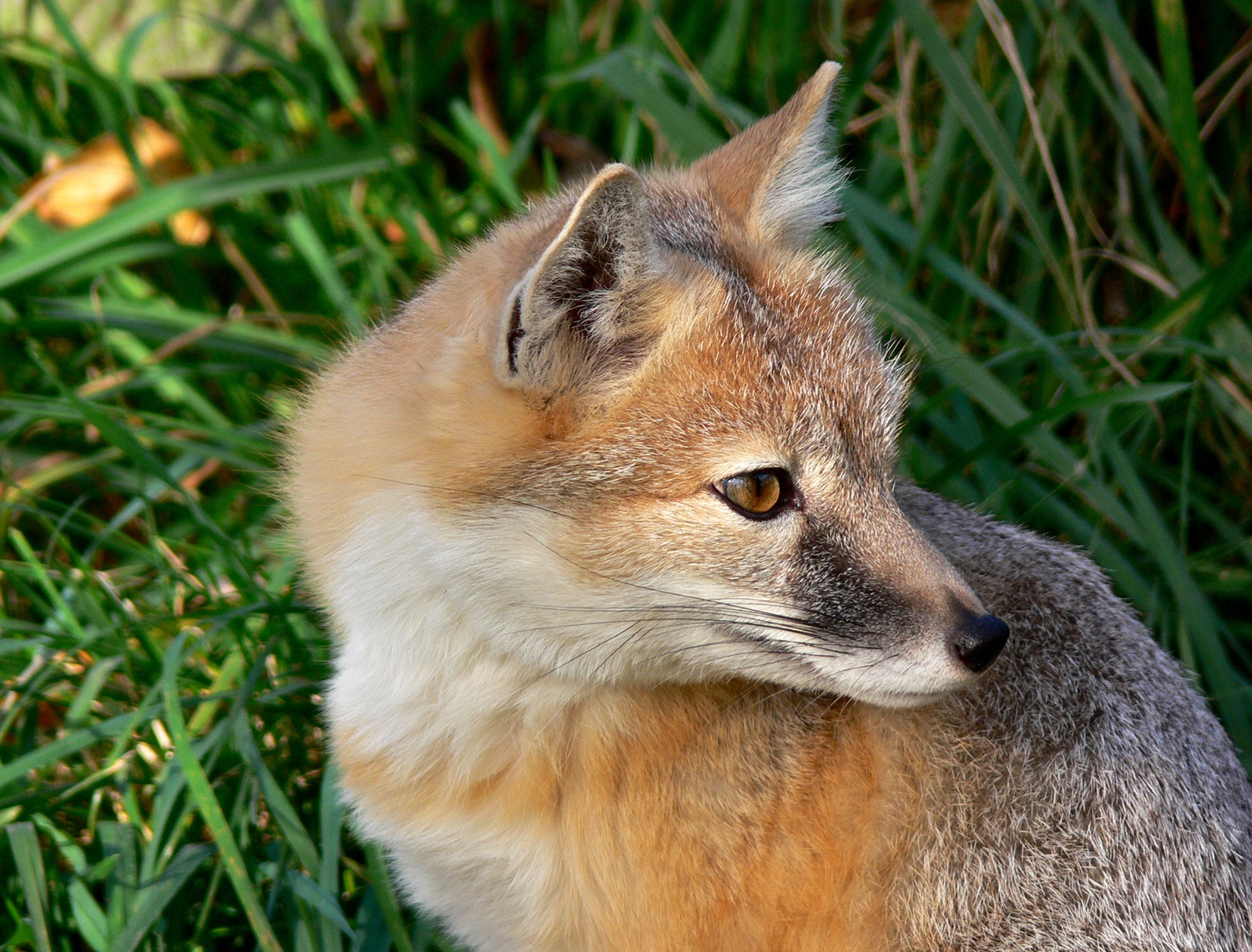
-
Macleans
Sperm Scare
During the mid-1970s, a Canadian Wildlife Service researcher discovered that birds in Lake Ontario were behaving in a bizarre way: unable to find mates, pairs of female herring gulls were nesting together and devotedly tending clutches of eggs that usually turned out to be infertile.This article was originally published in Maclean's Magazine on April 1, 1996
"https://thecanadianencyclopedia.ca/images/tce_placeholder.jpg?v=e9dca980c9bdb3aa11e832e7ea94f5d9" // resources/views/front/categories/view.blade.php
https://thecanadianencyclopedia.ca/images/tce_placeholder.jpg?v=e9dca980c9bdb3aa11e832e7ea94f5d9