
Browse "Nature & Geography"
-
Article
Resource Rights
Natural-resource development has played a major role in Canada's economy and continues to be a focus of national concerns.
"https://d3d0lqu00lnqvz.cloudfront.net/media/media/b714baa3-b8d8-4657-a436-7f27a8b1c819.jpg" // resources/views/front/categories/view.blade.php
https://d3d0lqu00lnqvz.cloudfront.net/media/media/b714baa3-b8d8-4657-a436-7f27a8b1c819.jpg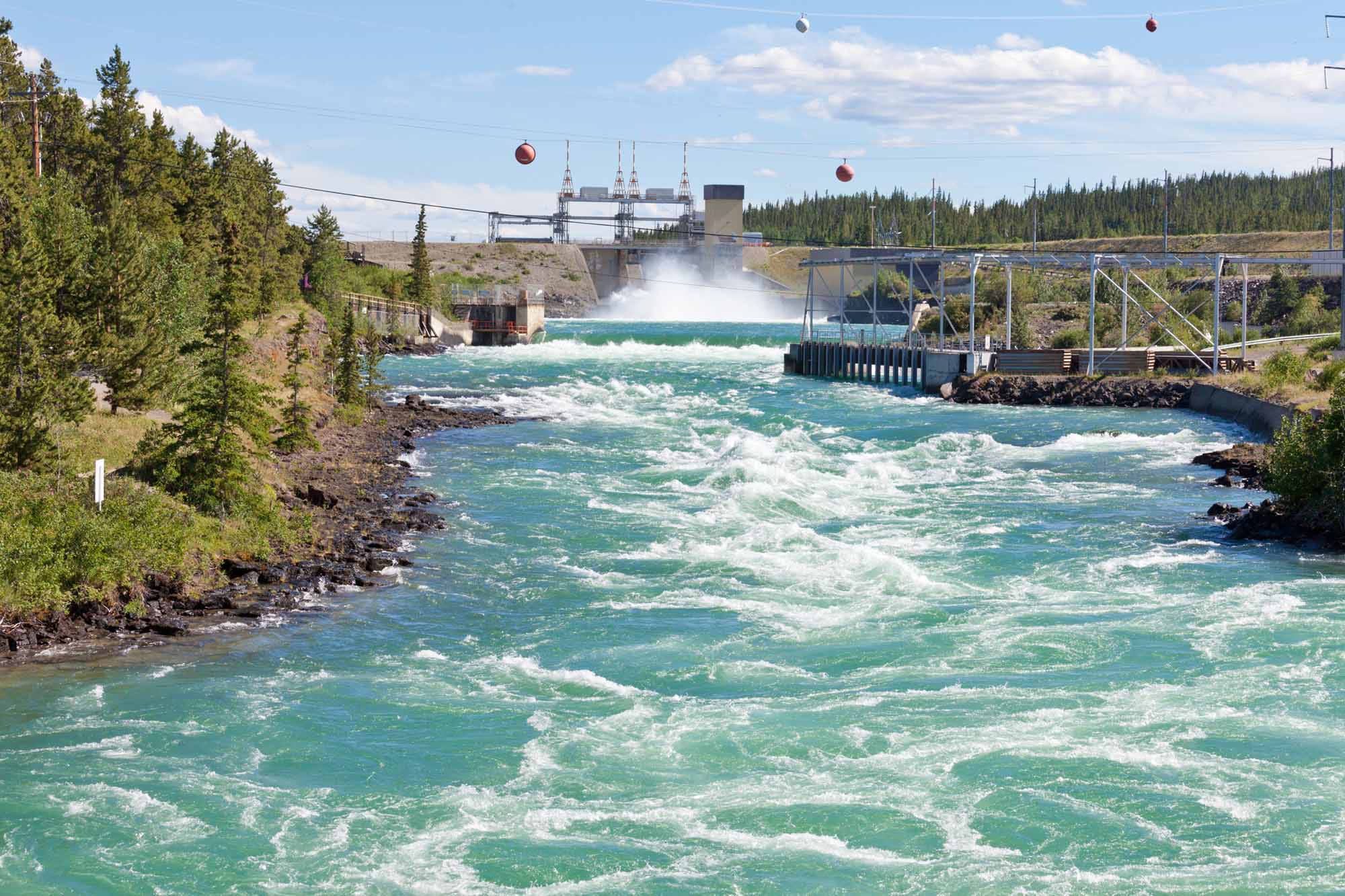
-
Article
Resource Towns in Canada
Resource towns are small, isolated communities built around resource-based industries and transportation. They include mining towns, mill towns, railway towns and fishing villages. Resource development has long been a key factor in shaping the settlement and growth of communities. Some scholars have argued that all Canadian urban growth depends on the production of natural resources. (See also Staple Thesis.) Resource towns have been important agents in this production process. Because they depend on single industries, the economies of resource towns are often unstable.
"https://d3d0lqu00lnqvz.cloudfront.net/media/media/6883bca4-5691-4945-9140-c40b894294ea.jpg" // resources/views/front/categories/view.blade.php
https://d3d0lqu00lnqvz.cloudfront.net/media/media/6883bca4-5691-4945-9140-c40b894294ea.jpg
-
Article
Resource Use
Since prehistoric times, the inhabitants of what is now Canada used vegetation and animals for food, clothing and shelter. They fashioned implements and ornaments from MINERALS and, after the arrival of Europeans, used furs for trading.
"https://thecanadianencyclopedia.ca/images/tce_placeholder.jpg?v=e9dca980c9bdb3aa11e832e7ea94f5d9" // resources/views/front/categories/view.blade.php
https://thecanadianencyclopedia.ca/images/tce_placeholder.jpg?v=e9dca980c9bdb3aa11e832e7ea94f5d9
-
Article
Rhododendron
Rhododendron [Gk, "red tree"] is a large genus (700 species) of the heath family (Ericaceae) found in the Northern Hemisphere; 4 species are native to Canada. The genus contains both rhododendrons, usually evergreen, and azaleas, which are deciduous.
"https://thecanadianencyclopedia.ca/images/tce_placeholder.jpg?v=e9dca980c9bdb3aa11e832e7ea94f5d9" // resources/views/front/categories/view.blade.php
https://thecanadianencyclopedia.ca/images/tce_placeholder.jpg?v=e9dca980c9bdb3aa11e832e7ea94f5d9
-
Article
Rhubarb
Rhubarb (genus Rheum) is a common name for about 50 species of cool-season herbaceous perennial plants belonging to the buckwheat family and originating in central Asia.
"https://d3d0lqu00lnqvz.cloudfront.net/media/media/80784fac-4861-4271-b88e-ebc806b38b16.jpg" // resources/views/front/categories/view.blade.php
https://d3d0lqu00lnqvz.cloudfront.net/media/media/80784fac-4861-4271-b88e-ebc806b38b16.jpg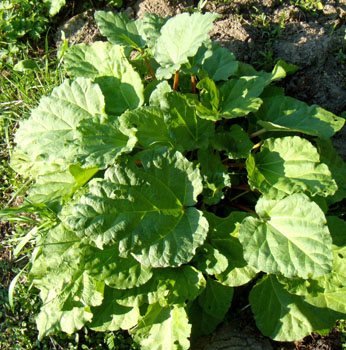
-
Article
Rock slide
A rock slide is a type of landslide occurring when a mass of rock moves quickly downslope.
"https://d3d0lqu00lnqvz.cloudfront.net/media/media/698e80ed-51d4-40c7-a75f-36d14b5e66b3.jpg" // resources/views/front/categories/view.blade.php
https://d3d0lqu00lnqvz.cloudfront.net/media/media/698e80ed-51d4-40c7-a75f-36d14b5e66b3.jpg
-
Article
Rocky Mountain Trench
The Rocky Mountain Trench is a long and deep valley extending approximately 1,500 km from the Bitterroot Valley in northwest Montana through British Columbia to the Liard Plain just south of the Yukon Territory. Its predominantly flat floor is 3–20 km wide and ranges in elevation between 600 m and 1,000 m above sea level. With walls made of sedimentary, volcanic and igneous rock, the Trench is sometimes referred to as the “Valley of a Thousand Peaks” because of the towering mountain ranges on either side: the Rocky Mountains to the east and the Columbia, Omineca and Cassiar mountains to the west. Humans have relied on the rich resources provided by this distinctive landscape from pre-colonial times to the present.
"https://d3d0lqu00lnqvz.cloudfront.net/media/media/061fe992-a3bf-45bc-906d-216d1bef45c7.jpg" // resources/views/front/categories/view.blade.php
https://d3d0lqu00lnqvz.cloudfront.net/media/media/061fe992-a3bf-45bc-906d-216d1bef45c7.jpg
-
Article
Rose
Rose is a common name for members of the genus Rosa of the rose family (Rosaceae). This large family, comprising more than 100 genera and 2,000–3,000 species, includes plants as diverse as strawberries, almonds and pears. Since 1930, the prickly rose has been the Provincial Floral Emblem of Alberta, where it grows abundantly.
"https://d3d0lqu00lnqvz.cloudfront.net/botanicalgardens/rose-annapolis-royal-2.jpg" // resources/views/front/categories/view.blade.php
https://d3d0lqu00lnqvz.cloudfront.net/botanicalgardens/rose-annapolis-royal-2.jpg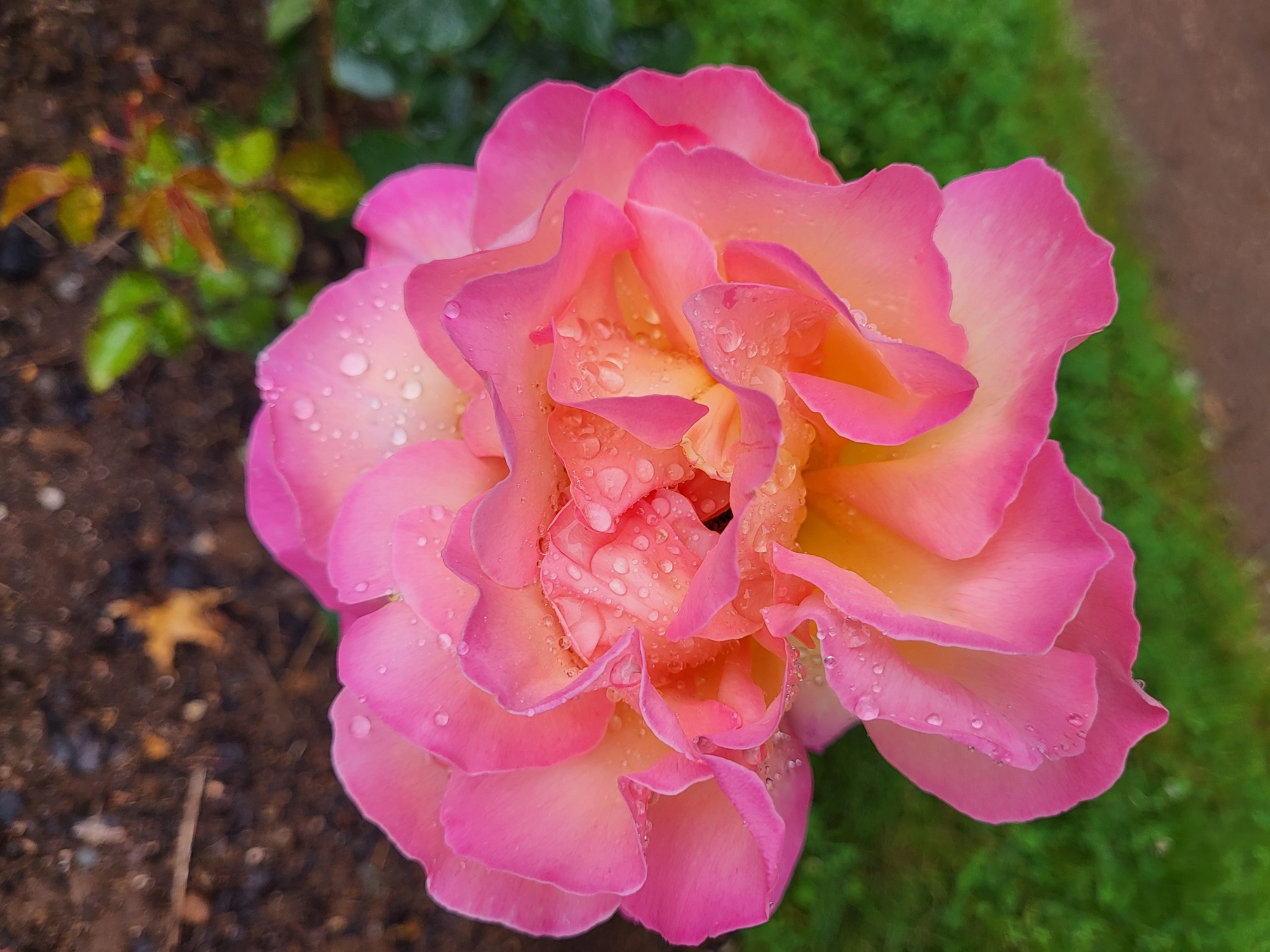
-
Article
Rutabaga
Rutabaga (Brassica napus, Napobrassica Group), herbaceous biennial vegetable belonging to the Cruciferae family and grown as a root crop in all provinces.
"https://d3d0lqu00lnqvz.cloudfront.net/media/media/0636af78-864a-427a-ad15-fe22161cbdb6.jpg" // resources/views/front/categories/view.blade.php
https://d3d0lqu00lnqvz.cloudfront.net/media/media/0636af78-864a-427a-ad15-fe22161cbdb6.jpg
-
Article
Rye
Rye is the common name for members of the genus Secale of the grass family (Poaceae, formerly Gramineae) and for the cereal grains produced by those grasses.
"https://d3d0lqu00lnqvz.cloudfront.net/media/media/83b4aacd-d567-425d-9f9d-419c6a8b8ce8.jpg" // resources/views/front/categories/view.blade.php
https://d3d0lqu00lnqvz.cloudfront.net/media/media/83b4aacd-d567-425d-9f9d-419c6a8b8ce8.jpg
-
Article
Sable Island Horses
The wild horses, named for the island they inhabit, are now the only terrestrial mammals on Sable Island aside from the few inhabitants. They exhibit great variability in size, conformation and colour and most closely resemble the Spanish barb, a small, tough horse that originated in North Africa, and the Acadian horse, the common working horse of the Atlantic provinces from the 17th to the 19th centuries. The stallions weigh 270–360 kg and stand about 14 hands (140 cm) at the withers (shoulders). Mares are a little smaller, averaging about 40 kg less. The Sable Island horse is the provincial horse of Nova Scotia.
"https://d3d0lqu00lnqvz.cloudfront.net/media/media/bb59d32a-9657-4d60-acab-db0e4608fe4f.jpg" // resources/views/front/categories/view.blade.php
https://d3d0lqu00lnqvz.cloudfront.net/media/media/bb59d32a-9657-4d60-acab-db0e4608fe4f.jpg
-
Article
Sagebrush
Sagebrush (genus Artemisia), bitter, aromatic plant or shrub of the family Compositae or Asteraceae. They include annual, biennial and perennial plants. More than 100 species are known, chiefly from arid regions of the Northern Hemisphere. Fifteen species are native to Canada; seven others are introduced (two European, four Eurasian and one from Aleutian Islands).
"https://thecanadianencyclopedia.ca/images/tce_placeholder.jpg?v=e9dca980c9bdb3aa11e832e7ea94f5d9" // resources/views/front/categories/view.blade.php
https://thecanadianencyclopedia.ca/images/tce_placeholder.jpg?v=e9dca980c9bdb3aa11e832e7ea94f5d9
-
Macleans
Saguenay Floods Kill 10
This article was originally published in Maclean’s magazine on August 5, 1996. Partner content is not updated. One soggy day late last April, Art Poirier found himself among thousands of people stacking sandbags against rising floodwaters from southern Manitoba's ancient and implacable nemesis, the Red River. Poirier flicked a cigarette butt into the brand new lake around his home.
"https://thecanadianencyclopedia.ca/images/tce_placeholder.jpg?v=e9dca980c9bdb3aa11e832e7ea94f5d9" // resources/views/front/categories/view.blade.php
https://thecanadianencyclopedia.ca/images/tce_placeholder.jpg?v=e9dca980c9bdb3aa11e832e7ea94f5d9
-
Article
Salamander Species in Canada
Salamanders are tailed amphibians belonging to the order Caudata. There are around 800 known species worldwide; 22 are found in Canada. In addition to these species, the unisexual Ambystoma, a unique lineage of salamanders that does not conform to the typical definition of a species, are also found in Canada. Salamanders mainly live in the temperate regions of the Northern Hemisphere and tropical South and Central America. North America is home to more species of salamanders than anywhere else in the world. In Canada, salamanders are found from the Maritimes to British Columbia, and as far north as central Labrador and northern British Columbia; none have been recorded on the island of Newfoundland.
"https://d3d0lqu00lnqvz.cloudfront.net/SalamanderSpecies/SpottedSalamander.jpg" // resources/views/front/categories/view.blade.php
https://d3d0lqu00lnqvz.cloudfront.net/SalamanderSpecies/SpottedSalamander.jpg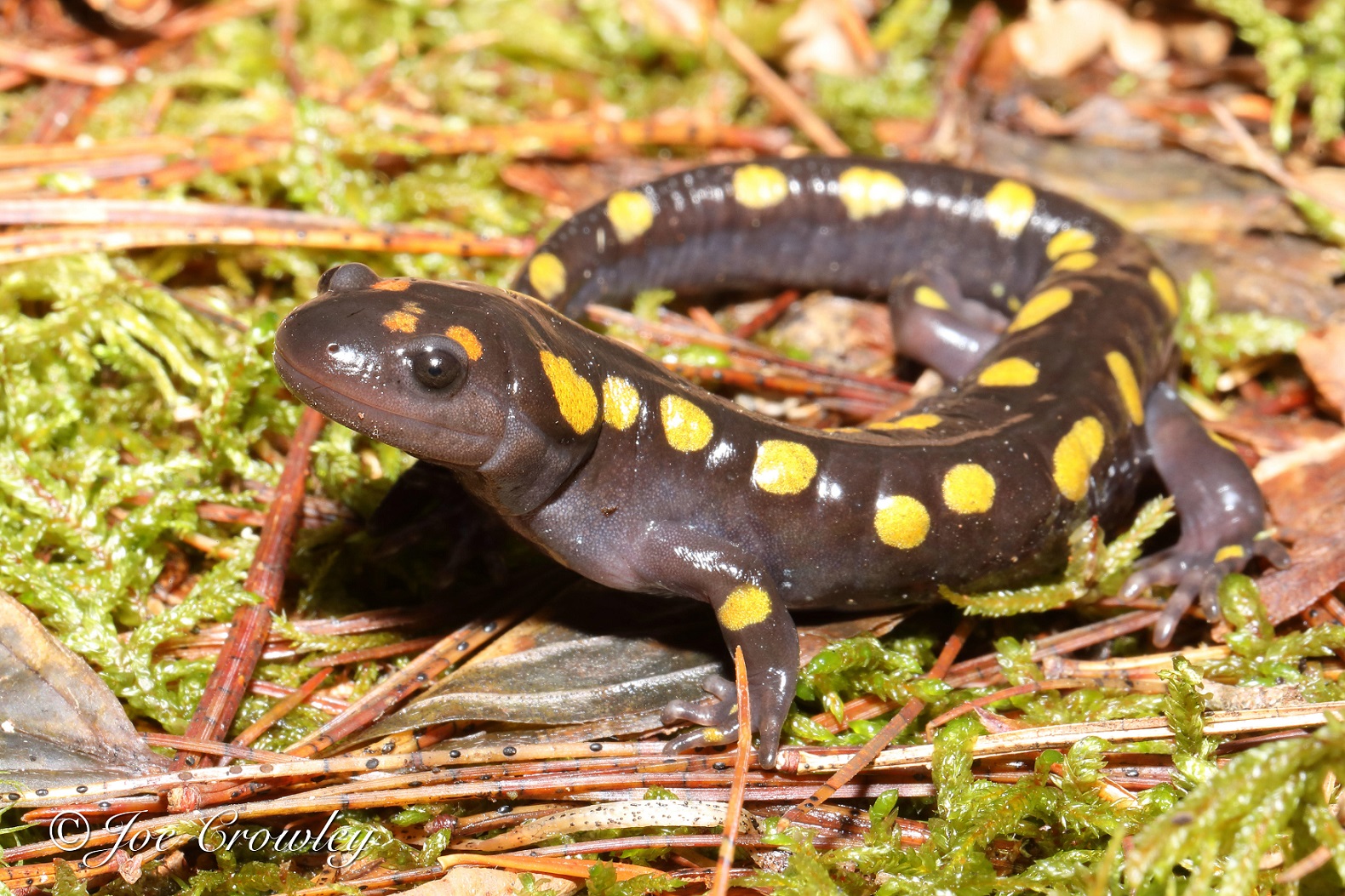
-
Article
Salish Woolly Dog
The Salish Woolly dog was an important part of Coast Salish life throughout southern Vancouver Island, the Strait of Georgia, and Washington State, as the dogs’ hair was used to weave clothing and blankets. Due to the increased presence of European settlers and their machine-spun sheep wool, the Salish Woolly dog population declined in the 1800s until its extinction around 1900.
"https://d3d0lqu00lnqvz.cloudfront.net/media/new_article_images/Salish-wooly-dog.jpg" // resources/views/front/categories/view.blade.php
https://d3d0lqu00lnqvz.cloudfront.net/media/new_article_images/Salish-wooly-dog.jpg