
Browse "Nature & Geography"
-
Article
Peregrine Falcon
The peregrine falcon (Falco peregrinus) is a crow-sized, long-winged bird of prey, generally acknowledged to be the swiftest bird (attaining speeds of over 320 km/h). The name, which means "wandering," is well suited to this species, which is represented by 18 races and breeds on every continent (except Antarctica).
"https://d3d0lqu00lnqvz.cloudfront.net/media/media/d94ee6d6-cf87-4001-9183-a07490901889.jpg" // resources/views/front/categories/view.blade.php
https://d3d0lqu00lnqvz.cloudfront.net/media/media/d94ee6d6-cf87-4001-9183-a07490901889.jpg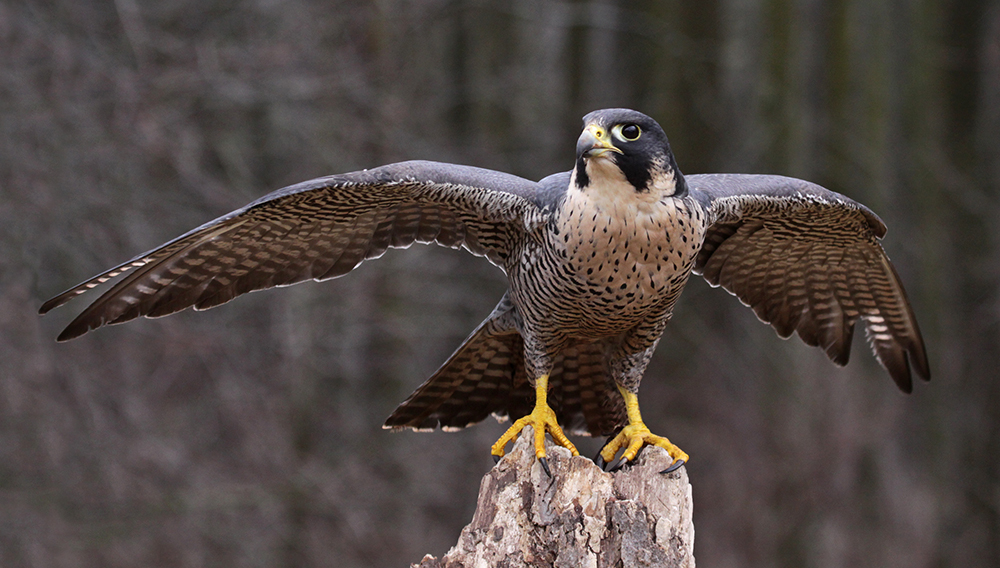
-
Article
Periglacial Landform
A periglacial landform is a feature resulting from the action of intense frost, often combined with the presence of permafrost. Periglacial landforms are restricted to areas that experience cold but essentially nonglacial climates.
"https://d3d0lqu00lnqvz.cloudfront.net/media/media/abcd7af0-a9a4-4141-9543-193539282103.jpg" // resources/views/front/categories/view.blade.php
https://d3d0lqu00lnqvz.cloudfront.net/media/media/abcd7af0-a9a4-4141-9543-193539282103.jpg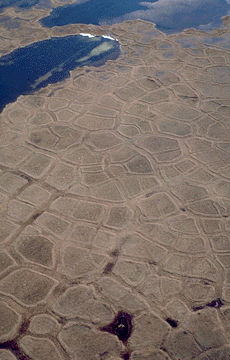
-
Article
Periwinkle
Periwinkle is a common name for any of the edible intertidal snails of the genus Littorina. Periwinkles are represented by six species in Canadian coastal waters. Littorina littorea, the common periwinkle, was introduced in 1850 to the East Coast from western Europe where it is a popular food. The northern yellow periwinkle (L. obtusata) is another Atlantic coast species, which is usually found associated with rockweeds. Littorina scutulata, the checkered periwinkle, is a dominant species in British Columbia's coastal intertidal region, where it nestles among barnacles in upper littoral zones. Where its southern range extends into California, L. scutulata competes with the eroded periwinkle, L. planaxis.
"https://d3d0lqu00lnqvz.cloudfront.net/media/media/89a4e691-d72e-4af1-a2f2-3f608f6f525b.jpg" // resources/views/front/categories/view.blade.php
https://d3d0lqu00lnqvz.cloudfront.net/media/media/89a4e691-d72e-4af1-a2f2-3f608f6f525b.jpg
-
Article
Persistent Organic Pollutants
Persistent organic pollutants (POPs) are carbon-based chemical compounds or groups of chemical compounds of anthropogenic (resulting from human activities) origin that are biologically and chemically inert.
"https://thecanadianencyclopedia.ca/images/tce_placeholder.jpg?v=e9dca980c9bdb3aa11e832e7ea94f5d9" // resources/views/front/categories/view.blade.php
https://thecanadianencyclopedia.ca/images/tce_placeholder.jpg?v=e9dca980c9bdb3aa11e832e7ea94f5d9
-
Article
Pesticide
Substances used to control pests include insecticides (for control of insects), fungicides (for disease-causing fungi), herbicides (for weeds), rodenticides (for rodents), avicides (for birds), piscicides (for fish) and nematicides (for nematodes).
"https://thecanadianencyclopedia.ca/images/tce_placeholder.jpg?v=e9dca980c9bdb3aa11e832e7ea94f5d9" // resources/views/front/categories/view.blade.php
https://thecanadianencyclopedia.ca/images/tce_placeholder.jpg?v=e9dca980c9bdb3aa11e832e7ea94f5d9
-
Article
Phalarope
The phalarope (family Scolopacidae) is a sandpiper-like shorebird, highly specialized for aquatic life. Only three species are found worldwide, and all occur in Canada.
"https://d3d0lqu00lnqvz.cloudfront.net/media/media/d793e666-09d5-463f-8dc8-cd470ebb9b37.jpg" // resources/views/front/categories/view.blade.php
https://d3d0lqu00lnqvz.cloudfront.net/media/media/d793e666-09d5-463f-8dc8-cd470ebb9b37.jpg
-
"https://d3d0lqu00lnqvz.cloudfront.net/media/media/752356fc-d886-4733-af69-08e77cf48f2f.jpg" // resources/views/front/categories/view.blade.php
https://d3d0lqu00lnqvz.cloudfront.net/media/media/752356fc-d886-4733-af69-08e77cf48f2f.jpg
-
Article
Phlox
Tall, vibrantly coloured summer-flowering phlox, derived from eastern North American P. paniculata, one of the most popular garden perennials in Canada, is often used for island beds or as border plants.
"https://thecanadianencyclopedia.ca/images/tce_placeholder.jpg?v=e9dca980c9bdb3aa11e832e7ea94f5d9" // resources/views/front/categories/view.blade.php
https://thecanadianencyclopedia.ca/images/tce_placeholder.jpg?v=e9dca980c9bdb3aa11e832e7ea94f5d9
-
Article
Pigeon
The pigeon (Columbidae) is a large family (303 species) of birds, many of which are called doves, distributed throughout temperate and tropical areas worldwide.
"https://d3d0lqu00lnqvz.cloudfront.net/media/media/1270f168-86fc-4799-9149-ad91baa20d48.jpg" // resources/views/front/categories/view.blade.php
https://d3d0lqu00lnqvz.cloudfront.net/media/media/1270f168-86fc-4799-9149-ad91baa20d48.jpg
-
Article
Pika
Pika is a common name for the smallest members of the order Lagomorpha, which also includes rabbits and hares. Pikas are like guinea pigs in size and shape, have relatively short legs, no external tail and almost circular, prominent external ears.
"https://d3d0lqu00lnqvz.cloudfront.net/media/media/af98ba70-1113-45b4-b37d-a949a1275270.jpg" // resources/views/front/categories/view.blade.php
https://d3d0lqu00lnqvz.cloudfront.net/media/media/af98ba70-1113-45b4-b37d-a949a1275270.jpg
-
Article
Pike
Pike is the common name for the group of 5 species of predaceous freshwater fish with elongated snouts, sharp teeth, cylindrical bodies and forked tails, belonging to family Esocidae, order Esociformes, class Actinopterygii.
"https://d3d0lqu00lnqvz.cloudfront.net/media/media/b3274c7c-a583-453e-9df1-19e86cd30f1d.jpg" // resources/views/front/categories/view.blade.php
https://d3d0lqu00lnqvz.cloudfront.net/media/media/b3274c7c-a583-453e-9df1-19e86cd30f1d.jpg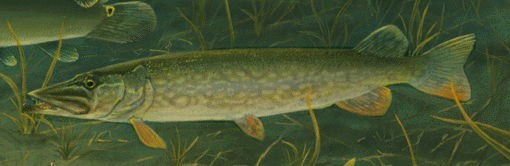
-
Article
Pingo
A pingo is an ice-cored hill typically conical in shape, growing and persisting only in PERMAFROST. The word "pingo" is of Inuit origin and was first used in the English-language literature by the botanist Alf E.
"https://d3d0lqu00lnqvz.cloudfront.net/media/media/5e658751-a56e-4535-9950-f641ec565a97.jpg" // resources/views/front/categories/view.blade.php
https://d3d0lqu00lnqvz.cloudfront.net/media/media/5e658751-a56e-4535-9950-f641ec565a97.jpg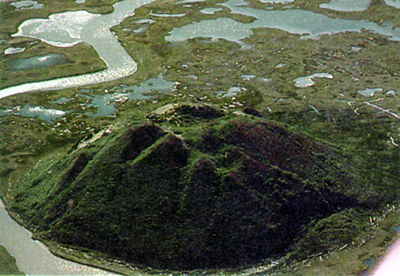
-
Article
Pipelines in Canada
Pipelines are systems of connected pipes used to transport liquids and gases — namely oil and natural gas — across long distances from source to market. More than 840,000 km of pipelines criss-cross the country. They represent part of the oil and gas sector which directly and indirectly employs approximately 740,000 people. According to Natural Resources Canada, the sector earns the government an average of $20 billion in royalties, fees and taxes each year (see Natural Resources in Canada). It also contributes nearly 11 per cent of Canada’s gross domestic product. Pipelines, however, have been controversial in Canada. Pipelines help transport fossil fuels and research indicates that fossil fuel use, is significantly contributing to climate change. In recent years, Indigenous groups, environmentalists, municipalities and labour unions have opposed numerous pipeline projects due to the risk of contaminated local waterways from spills and leaks. (See also Environmental Movement in Canada).
"https://d3d0lqu00lnqvz.cloudfront.net/media/media/d582fdd1-da33-4f4e-bb6a-d3573745bd88.jpg" // resources/views/front/categories/view.blade.php
https://d3d0lqu00lnqvz.cloudfront.net/media/media/d582fdd1-da33-4f4e-bb6a-d3573745bd88.jpg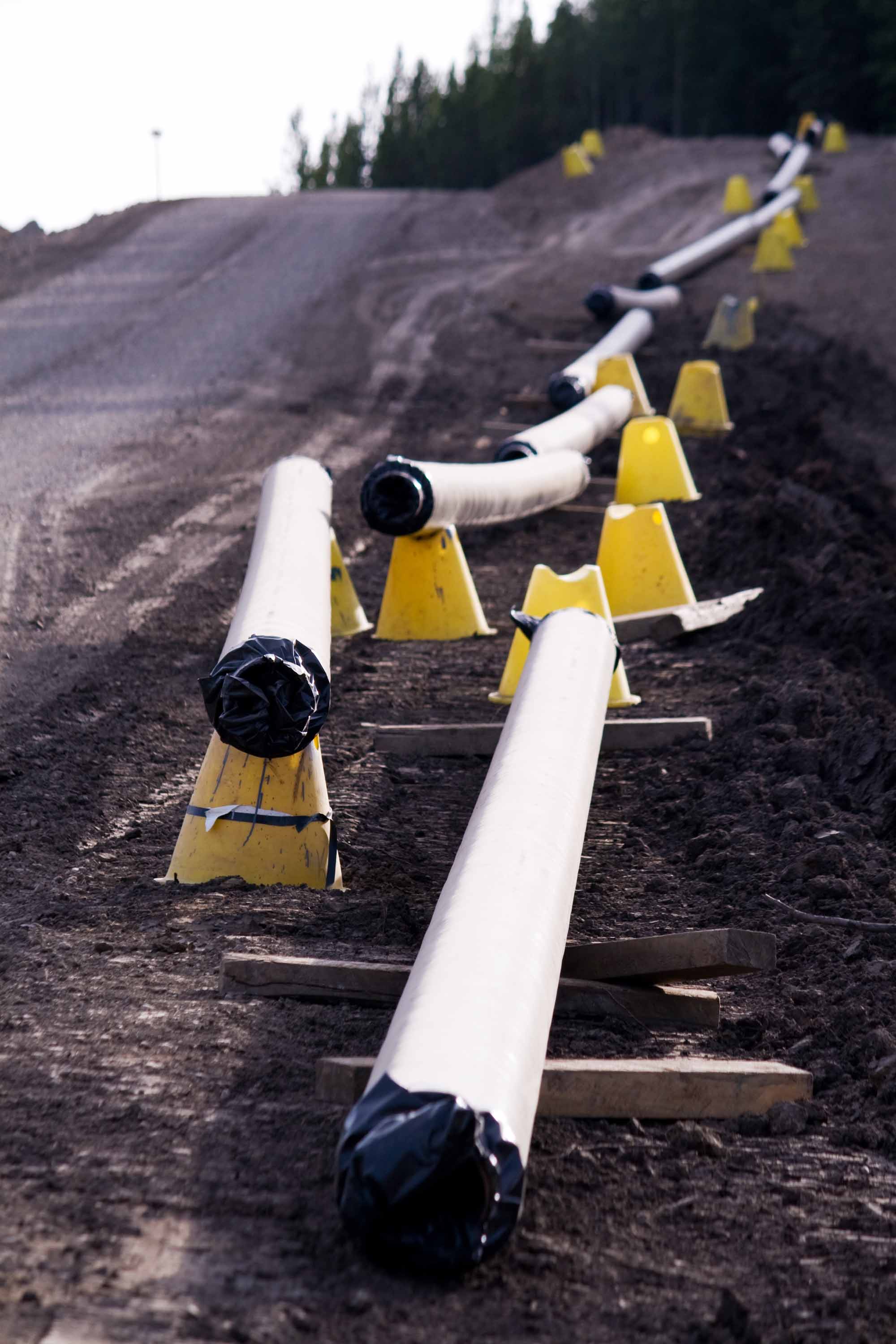
-
Article
Pipit
Pipit is the common name for some birds of the family Motacillidae, which also includes wagtails.
"https://thecanadianencyclopedia.ca/images/tce_placeholder.jpg?v=e9dca980c9bdb3aa11e832e7ea94f5d9" // resources/views/front/categories/view.blade.php
https://thecanadianencyclopedia.ca/images/tce_placeholder.jpg?v=e9dca980c9bdb3aa11e832e7ea94f5d9
-
Article
Pitcher Plant
Pitcher plant is the common name for certain perennial herbs adapted to wet, marshy and boggy habitats low in nutrients. They have rosettes of leaves that are modified into tubular, trumpet-like structures filled with liquid that function as insect traps. The plants generally bear a single, large nodding flower. Canada is home to only one species, the purple pitcher plant (Sarracenia purpurea).
"https://d3d0lqu00lnqvz.cloudfront.net/media/widgets_images/pitcherplant/Ptcher-Plant.jpg" // resources/views/front/categories/view.blade.php
https://d3d0lqu00lnqvz.cloudfront.net/media/widgets_images/pitcherplant/Ptcher-Plant.jpg