
Browse "Nature & Geography"
-
Article
Northern Gateway Pipeline Proposal
The $7.9 billion Northern Gateway project was a pipeline proposal that Enbridge put forward in 2008. Northern Gateway would have carried diluted bitumen (“dilbit”) about 1,170 km from Bruderheim, Alberta to a terminal on the Pacific Ocean at Kitimat, British Columbia. Enbridge claimed that the project would create $1.2 billion in tax revenue for BC, as well as 560 jobs. The Federal Court of Appeal overturned the pipeline’s approval in 2016. That same year, the Liberal government of Prime Minister Justin Trudeau rejected the project.
"https://d3d0lqu00lnqvz.cloudfront.net/media/media/de50644a-0b88-4e0a-991b-a6c9222e3c29.jpg" // resources/views/front/categories/view.blade.php
https://d3d0lqu00lnqvz.cloudfront.net/media/media/de50644a-0b88-4e0a-991b-a6c9222e3c29.jpg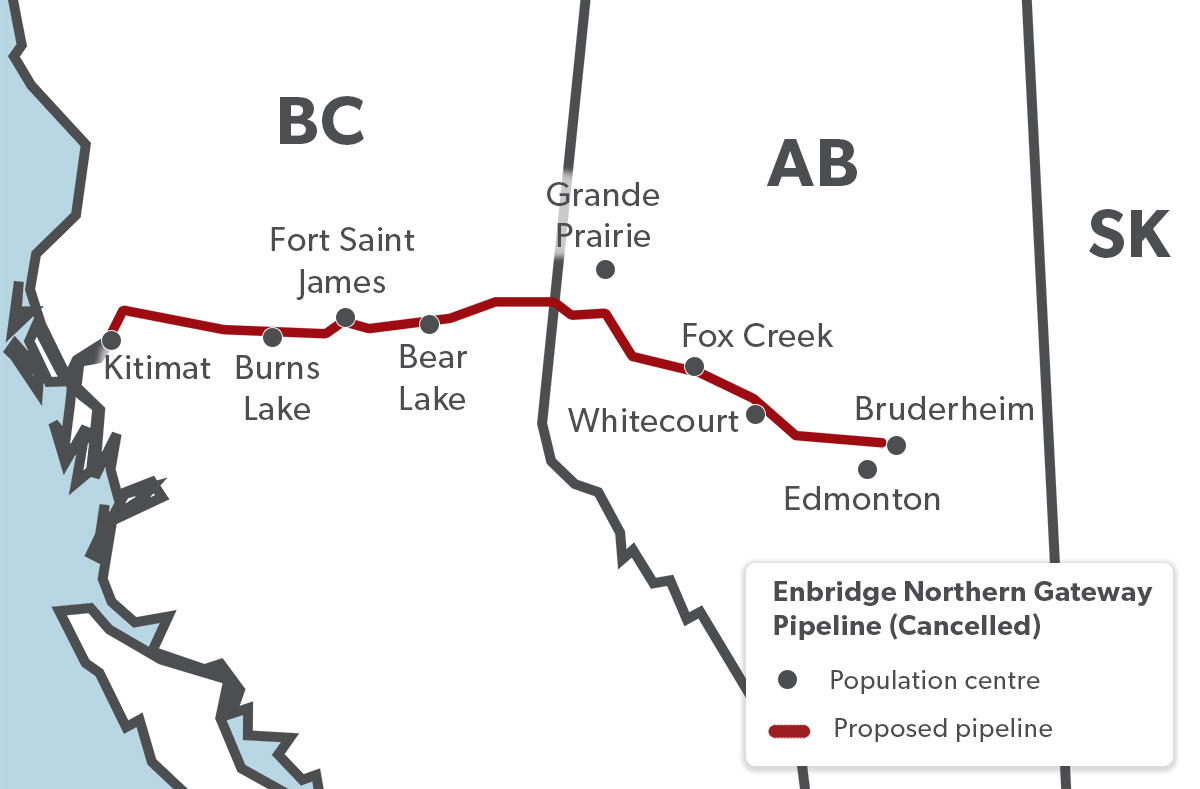
-
Editorial
Not for Saps: Tree Planting in Alberta
Over a century’s worth of shifting environmental policy means that today, maintaining Canada’s forests is as important as cutting them down. Tree planting is an essential part of this maintenance, and each year thousands of young Canadians trek through rough conditions and remote areas to replant thousands of trees.
"https://d3d0lqu00lnqvz.cloudfront.net/media/media/3f6e30bf-0cc6-47cd-8961-1918b0dae744.jpg" // resources/views/front/categories/view.blade.php
https://d3d0lqu00lnqvz.cloudfront.net/media/media/3f6e30bf-0cc6-47cd-8961-1918b0dae744.jpg
-
Article
Oats
Oats (Avena sativa), member of the grass family (Gramineae), are grown for cereal grains.
"https://d3d0lqu00lnqvz.cloudfront.net/media/media/05d93051-ce06-4c9a-8160-1b469bf5192f.jpg" // resources/views/front/categories/view.blade.php
https://d3d0lqu00lnqvz.cloudfront.net/media/media/05d93051-ce06-4c9a-8160-1b469bf5192f.jpg
-
Article
Ocean Current
An ocean current is a large (100 km or more), mostly permanent, horizontal movement of water at all depths in the oceans. Currents are generated by winds, excessive cooling or evaporation at the ocean surface (thermohaline processes) and tidal forces.
"https://d3d0lqu00lnqvz.cloudfront.net/media/media/4bc5b21a-e673-4f22-9e76-db46b45d42b6.jpg" // resources/views/front/categories/view.blade.php
https://d3d0lqu00lnqvz.cloudfront.net/media/media/4bc5b21a-e673-4f22-9e76-db46b45d42b6.jpg
-
Article
Octopus
Octopus is the common name for all 8-armed cephalopod molluscs; it more properly refers to the largest genus in order Octopoda (over 100 species).
"https://thecanadianencyclopedia.ca/images/tce_placeholder.jpg?v=e9dca980c9bdb3aa11e832e7ea94f5d9" // resources/views/front/categories/view.blade.php
https://thecanadianencyclopedia.ca/images/tce_placeholder.jpg?v=e9dca980c9bdb3aa11e832e7ea94f5d9
-
Article
Oilseed Crops
Oilseed Crops are grown primarily for the oil contained in the seeds. The oil content of small grains (eg, wheat) is only 1-2%; that of oilseeds ranges from about 20% for soybeans to over 40% for sunflowers and rapeseed (canola).
"https://d3d0lqu00lnqvz.cloudfront.net/media/media/dc2050ae-b79f-4f42-9cb0-d37a157abffa.jpg" // resources/views/front/categories/view.blade.php
https://d3d0lqu00lnqvz.cloudfront.net/media/media/dc2050ae-b79f-4f42-9cb0-d37a157abffa.jpg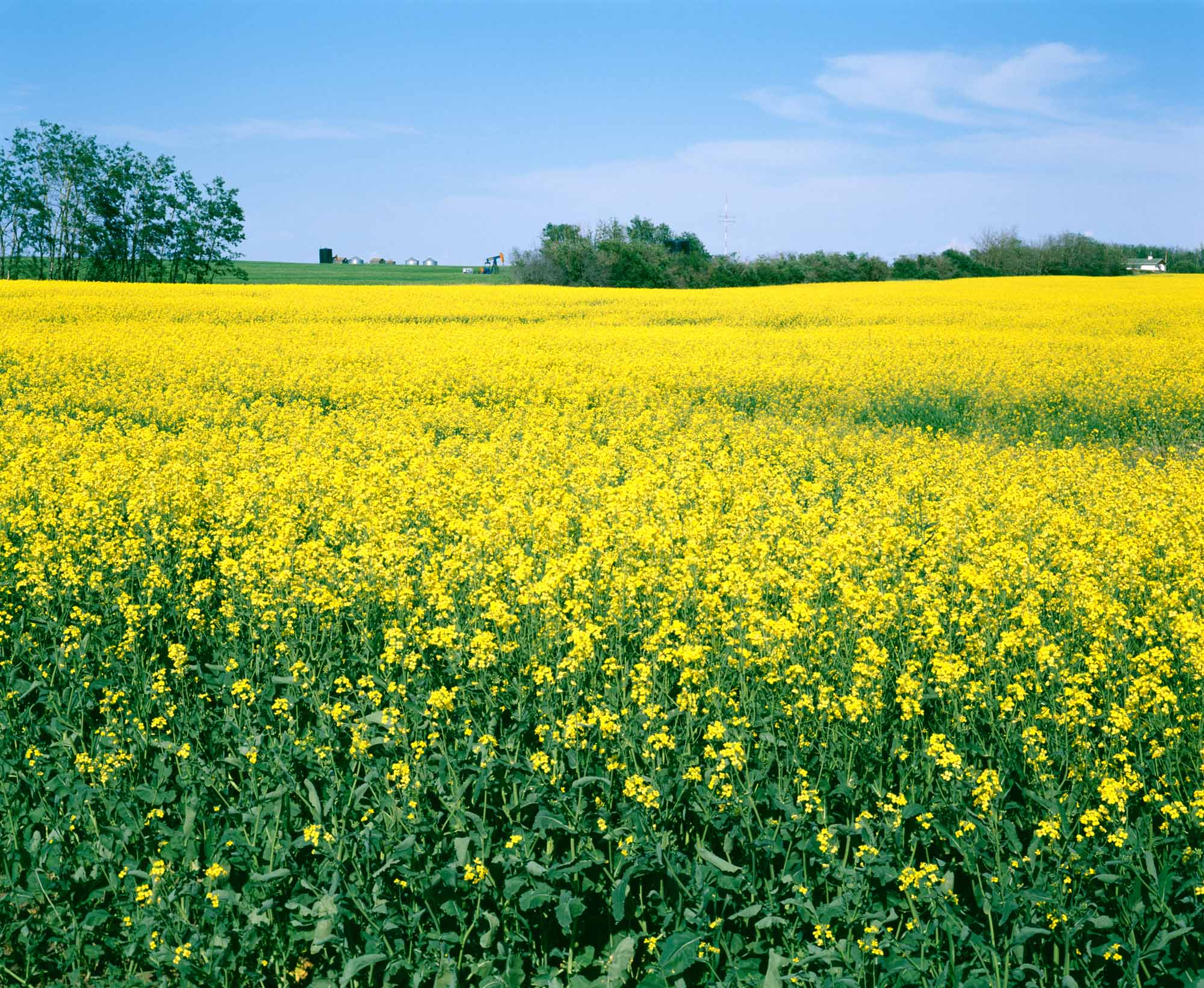
-
Article
Old-Growth Forests in Canada
Old-growth forests are complex forest ecosystems that have developed over a long period of time without experiencing any major disturbances. They have unique features and significant ecological, social, cultural and economic value. Old-growth forests used to be a significant part of Canada’s forest landscape but now only exist as small, fragmented patches due to intensive logging (see Forest Harvesting), conversion of forest for agriculture, insect epidemics (see Four Major Insect Pests of Forests in Canada), wildfires and disease. Increasing measures to protect these ecosystems are being implemented across Canada to combat their continued decline.
"https://d3d0lqu00lnqvz.cloudfront.net/oldgrowthforests/lady-slippers.jpg" // resources/views/front/categories/view.blade.php
https://d3d0lqu00lnqvz.cloudfront.net/oldgrowthforests/lady-slippers.jpg
-
Article
Oldman River Society Case
Several decisions of the Supreme Court relate to environmental protection: Dryden Chemicals, Crown Zellerbach and Friends of the Oldman River Society.
"https://thecanadianencyclopedia.ca/images/tce_placeholder.jpg?v=e9dca980c9bdb3aa11e832e7ea94f5d9" // resources/views/front/categories/view.blade.php
https://thecanadianencyclopedia.ca/images/tce_placeholder.jpg?v=e9dca980c9bdb3aa11e832e7ea94f5d9
-
Article
Onion
The onion (Allium cepa), is a biennial, herbaceous plant of the Amaryllidaceae family. It is Canada's most important condiment crop. (Multiplier Onion) and A.
"https://d3d0lqu00lnqvz.cloudfront.net/media/media/21845109-8105-4ea3-a368-aae28d173cd0.jpg" // resources/views/front/categories/view.blade.php
https://d3d0lqu00lnqvz.cloudfront.net/media/media/21845109-8105-4ea3-a368-aae28d173cd0.jpg
-
Article
Opossum
The Virginia opossum (Didelphis virginiana) is Canada’s only marsupial. It belongs to one of three marsupial families native to the Americas. The Virginia opossum’s northernmost range reaches into Southern and Southeastern Ontario, Southern Quebec and the lower Fraser Valley in British Columbia. However, this range is slowly expanding north, likely due to climate change.
"https://d3d0lqu00lnqvz.cloudfront.net/media/new_article_images/Opossum/32766014738_01d18d2d17_c.jpg" // resources/views/front/categories/view.blade.php
https://d3d0lqu00lnqvz.cloudfront.net/media/new_article_images/Opossum/32766014738_01d18d2d17_c.jpg
-
Article
Orchid
Calypso bulbosa has similar but smaller, delicate pink flowers. Some Spiranthes and Habenaria species have small, whitish, fragrant flowers in a spike. Two genera, Eburophyton (plant is white) and Corallorhiza (plant is yellow to purple), live on decaying vegetable matter.
"https://d3d0lqu00lnqvz.cloudfront.net/media/media/bdc4d290-63b3-44ee-a1c0-cdd4bd1288a8.jpg" // resources/views/front/categories/view.blade.php
https://d3d0lqu00lnqvz.cloudfront.net/media/media/bdc4d290-63b3-44ee-a1c0-cdd4bd1288a8.jpg
-
Article
Organic Agriculture
Organic agriculture is defined as the sustainable cultivation of land for food production that nourishes soil life, nurtures animals in their natural environment and feeds them according to their physiology.
"https://thecanadianencyclopedia.ca/images/tce_placeholder.jpg?v=e9dca980c9bdb3aa11e832e7ea94f5d9" // resources/views/front/categories/view.blade.php
https://thecanadianencyclopedia.ca/images/tce_placeholder.jpg?v=e9dca980c9bdb3aa11e832e7ea94f5d9
-
Article
Oriole
Oriole is the common name for members of 2 families of birds. The Old World family Oriolidae occurs from Europe through Africa and Asia to Australia.
"https://d3d0lqu00lnqvz.cloudfront.net/media/media/198028cb-faa9-4008-8489-616358f56703.jpg" // resources/views/front/categories/view.blade.php
https://d3d0lqu00lnqvz.cloudfront.net/media/media/198028cb-faa9-4008-8489-616358f56703.jpg
-
Article
Osprey
The osprey (Pandion haliaetus) is a large, cosmopolitan bird of prey characterized by a crested head and contrasting black, white and grey plumage. The osprey is the provincial bird of Nova Scotia.
"https://d3d0lqu00lnqvz.cloudfront.net/media/media/51ba05b4-bb1b-499e-aa52-441746e99af9.jpg" // resources/views/front/categories/view.blade.php
https://d3d0lqu00lnqvz.cloudfront.net/media/media/51ba05b4-bb1b-499e-aa52-441746e99af9.jpg
-
Article
River Otter
The river otter (Lutra canadensis) occurs throughout North America except in desert and arid tundra regions. In Canada, it is scarce, except along the BC coast, where it is abundant and often wrongly identified as a sea otter.
"https://d3d0lqu00lnqvz.cloudfront.net/media/media/625e79c4-b2ca-42ef-846d-8c91d446d22b.jpg" // resources/views/front/categories/view.blade.php
https://d3d0lqu00lnqvz.cloudfront.net/media/media/625e79c4-b2ca-42ef-846d-8c91d446d22b.jpg