
Browse "Nature & Geography"
-
Article
Dry Fishery
That portion of the Newfoundland cod fishery in which the split and cleaned product was salted and dried on shore before being transported and sold was called the dry fishery.
"https://thecanadianencyclopedia.ca/images/tce_placeholder.jpg?v=e9dca980c9bdb3aa11e832e7ea94f5d9" // resources/views/front/categories/view.blade.php
https://thecanadianencyclopedia.ca/images/tce_placeholder.jpg?v=e9dca980c9bdb3aa11e832e7ea94f5d9
-
Article
Ducks in Canada
Waterfowl with short legs, webbed feet and narrow, pointed wings are known as ducks. A few island species are flightless, but most are strong fliers and migratory (see migration). A race of the common eider (Somateria mollissima) of Hudson and James bays is nearly sedentary, even wintering in Hudson Bay. Ducks, geese and swans comprise a family (Anatidae) with 158 living or recently extinct species. Ducks have worldwide distribution, except for polar regions.
"https://d3d0lqu00lnqvz.cloudfront.net/media/media/473c32f2-43fb-4b28-adcf-d02c1c0811c1.jpg" // resources/views/front/categories/view.blade.php
https://d3d0lqu00lnqvz.cloudfront.net/media/media/473c32f2-43fb-4b28-adcf-d02c1c0811c1.jpg
-
Article
Ducks Unlimited Canada
Ducks Unlimited Canada (DUC) is a private, nonprofit organization dedicated to conserving, restoring and managing wetlands and their associated habitats for North America's waterfowl, other wildlife and people.
"https://d3d0lqu00lnqvz.cloudfront.net/media/media/34dceda6-da95-4a80-9845-97ae5ecc591f.jpg" // resources/views/front/categories/view.blade.php
https://d3d0lqu00lnqvz.cloudfront.net/media/media/34dceda6-da95-4a80-9845-97ae5ecc591f.jpg
-
Article
Eagle Species in Canada
Eagles are large birds of prey in the family Accipitridae with exceptionally keen vision, long, powerful wings, a hooked bill and strong feet with sharp curved talons. Eagles are fierce predators, spotting their animal prey as they soar or from their perches, and then swooping to kill. Two species of eagles can be found in Canada: the bald and golden eagles.
"https://d3d0lqu00lnqvz.cloudfront.net/eaglespeciesincanada/Chrysaetos_La_Canada_20120114_1.jpg" // resources/views/front/categories/view.blade.php
https://d3d0lqu00lnqvz.cloudfront.net/eaglespeciesincanada/Chrysaetos_La_Canada_20120114_1.jpg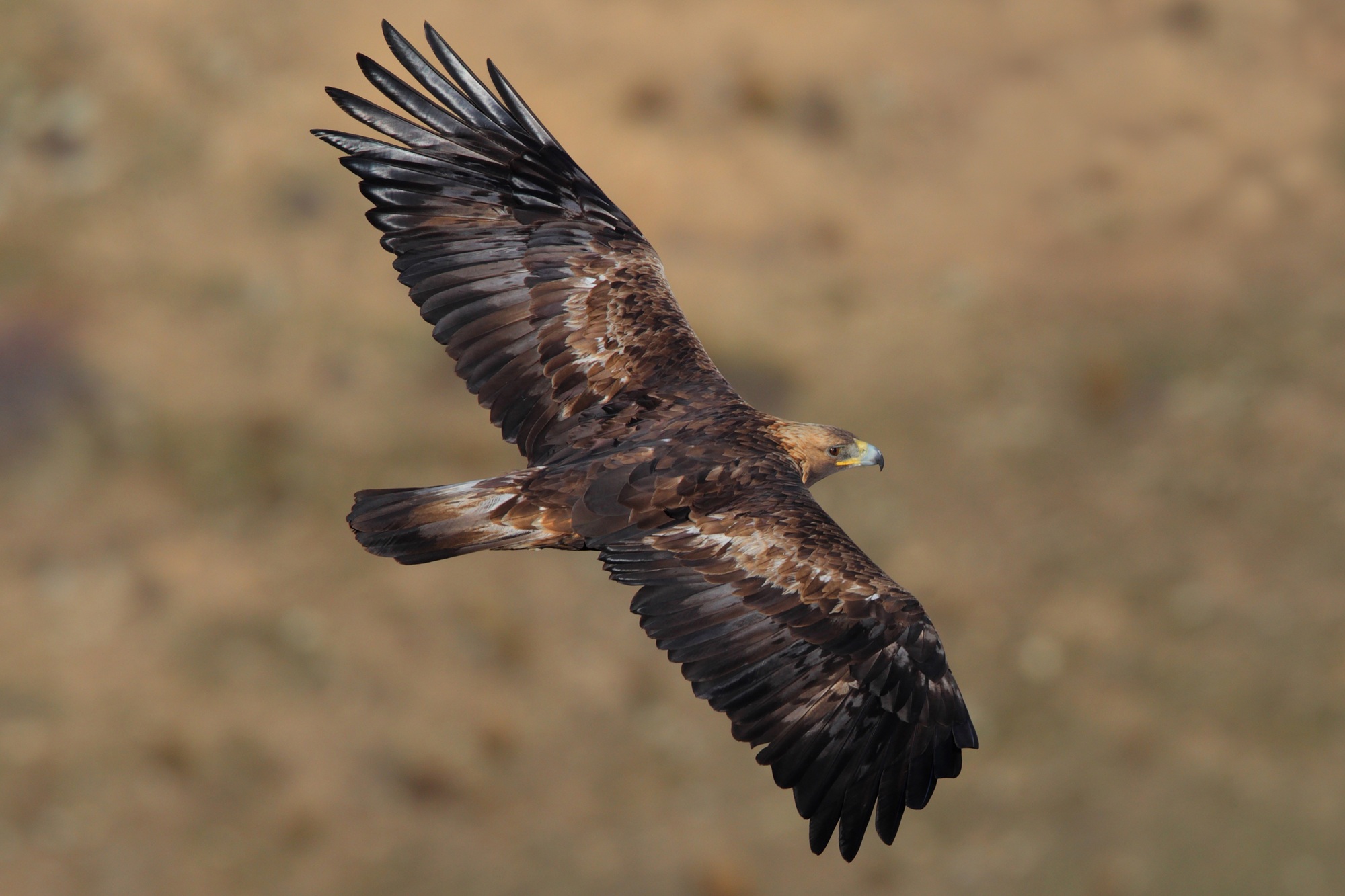
-
Article
Earthquake
An earthquake is a vibratory motion generated from the movement of rock along a fault line beneath the Earth’s surface. More than 4,000 earthquakes occur in Canada every year, though the majority of these are not felt. The principal regions for seismic activity in Canada are: the coast of British Columbia; the Cordillera region; the Arctic; and to a lesser extent, the eastern provinces and the eastern seaboard.
"https://d3d0lqu00lnqvz.cloudfront.net/media/media/3498270b-80a2-4f3a-866c-6b89e901af97.jpg" // resources/views/front/categories/view.blade.php
https://d3d0lqu00lnqvz.cloudfront.net/media/media/3498270b-80a2-4f3a-866c-6b89e901af97.jpg
-
Article
Earthworm
Earthworm, is a segmented worm of phylum Annelida, class Oligochaeta. The class comprises some 14 families, including Lumbricidae, to which the common earthworm (Lumbricus terrestris) belongs. Earthworms are separated from other oligochaetes by a combination of characteristics, including 8 setae per segment; multicellular clitellum; small eggs without yolks; 2 pairs of testes and one pair of ovaries; male pores opening behind female; and relatively large size, compared to aquatic species.
"https://d3d0lqu00lnqvz.cloudfront.net/media/media/20bc6dfb-ca6b-4940-a009-b7f9d763dac1.jpg" // resources/views/front/categories/view.blade.php
https://d3d0lqu00lnqvz.cloudfront.net/media/media/20bc6dfb-ca6b-4940-a009-b7f9d763dac1.jpg
-
Article
Eastern Foxsnake
The Eastern foxsnake (Pantherophis vulpinus) is a large, non-venomous snake native to the Great Lakes region of North America. Their Canadian range is limited to Southern Ontario in two distinct populations: the Georgian Bay population and the Carolinian population in extreme southwestern Ontario. Both of these populations are considered threatened by the Committee on the Status of Endangered Wildlife in Canada. Threats include habitat loss, road mortalities and persecution from humans. (See also Snake Species in Canada.)
"https://d3d0lqu00lnqvz.cloudfront.net/EasternFoxsnake/EasternFoxsnakeTree.jpeg" // resources/views/front/categories/view.blade.php
https://d3d0lqu00lnqvz.cloudfront.net/EasternFoxsnake/EasternFoxsnakeTree.jpeg
-
Article
Eastern Musk Turtle
The Eastern musk turtle (Sternotherus odoratus) is a small freshwater turtle native to Eastern North America. In Canada, it is found in the southernmost reaches of northern Ontario, throughout parts of southern and central Ontario and in extreme southwestern Quebec. Eastern musk turtles inhabit shallow areas in lakes, rivers, streams, ponds and wetlands. Individuals are highly aquatic and rarely leave the water except to nest. It is listed as a species of Special Concern under Canada’s Species at Risk Act (see Species at Risk Legislation in Canada).
"https://d3d0lqu00lnqvz.cloudfront.net/muskturtle/Crowley-Eastern-Musk-Turtle-Sternotherus-odoratus-5.jpg" // resources/views/front/categories/view.blade.php
https://d3d0lqu00lnqvz.cloudfront.net/muskturtle/Crowley-Eastern-Musk-Turtle-Sternotherus-odoratus-5.jpg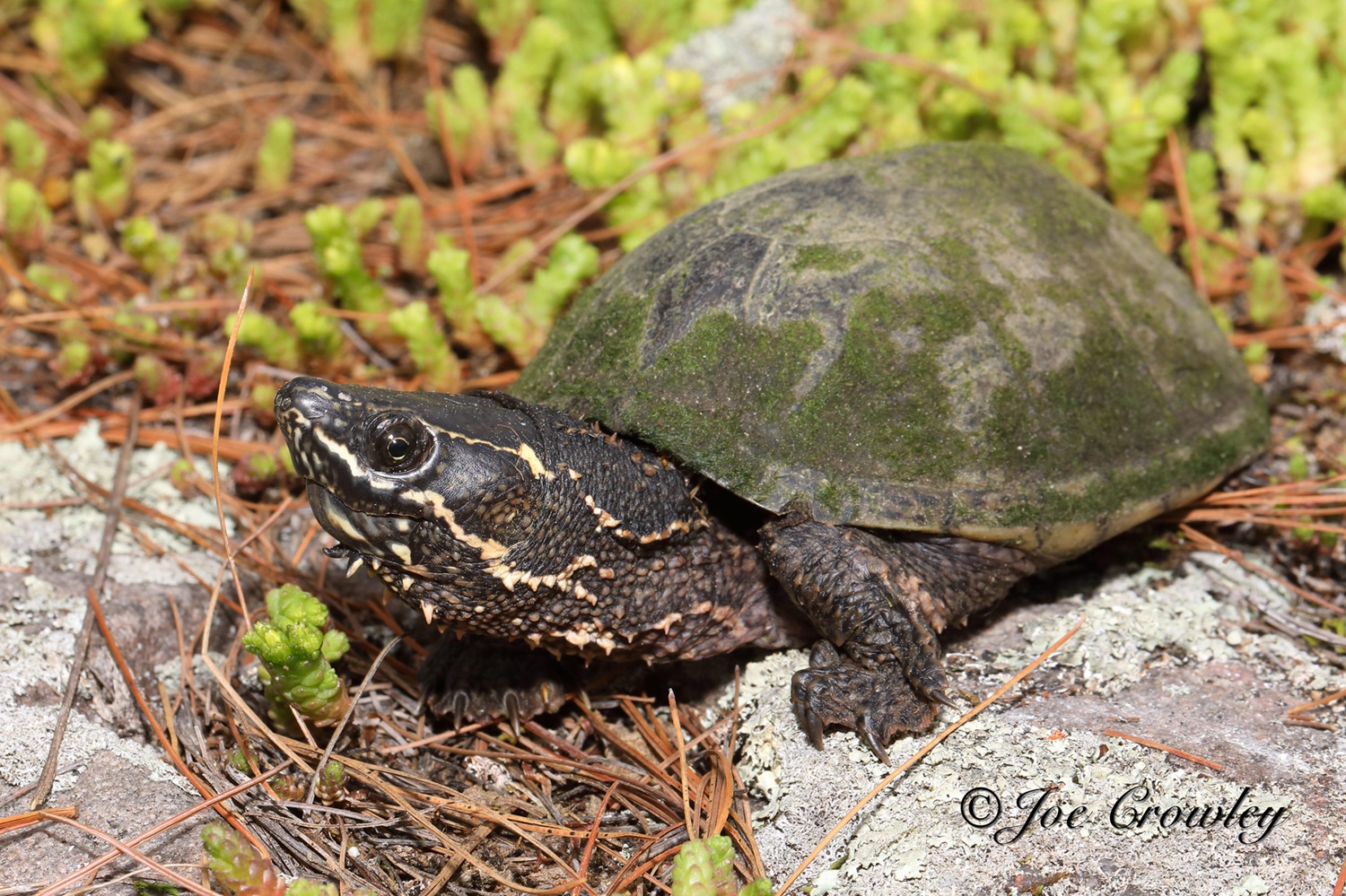
-
Article
Eastern Newt
The eastern newt (Notophthalmus viridescens) is a colourful salamander native to eastern North America. It has a large geographic range that extends from eastern Canada south throughout most of the eastern United States, making it the second-most widespread salamander species in North America. Four subspecies are recognized across its range, two of which are found in Canada: the red-spotted newt (Notophthalmus viridescens viridescens; PEI, NS, NB, QC, ON) and the central newt (Notophthalmus viridescens louisianensis; ON).
"https://d3d0lqu00lnqvz.cloudfront.net/easternnewt/CrowleyRed-spottedNewt2.jpg" // resources/views/front/categories/view.blade.php
https://d3d0lqu00lnqvz.cloudfront.net/easternnewt/CrowleyRed-spottedNewt2.jpg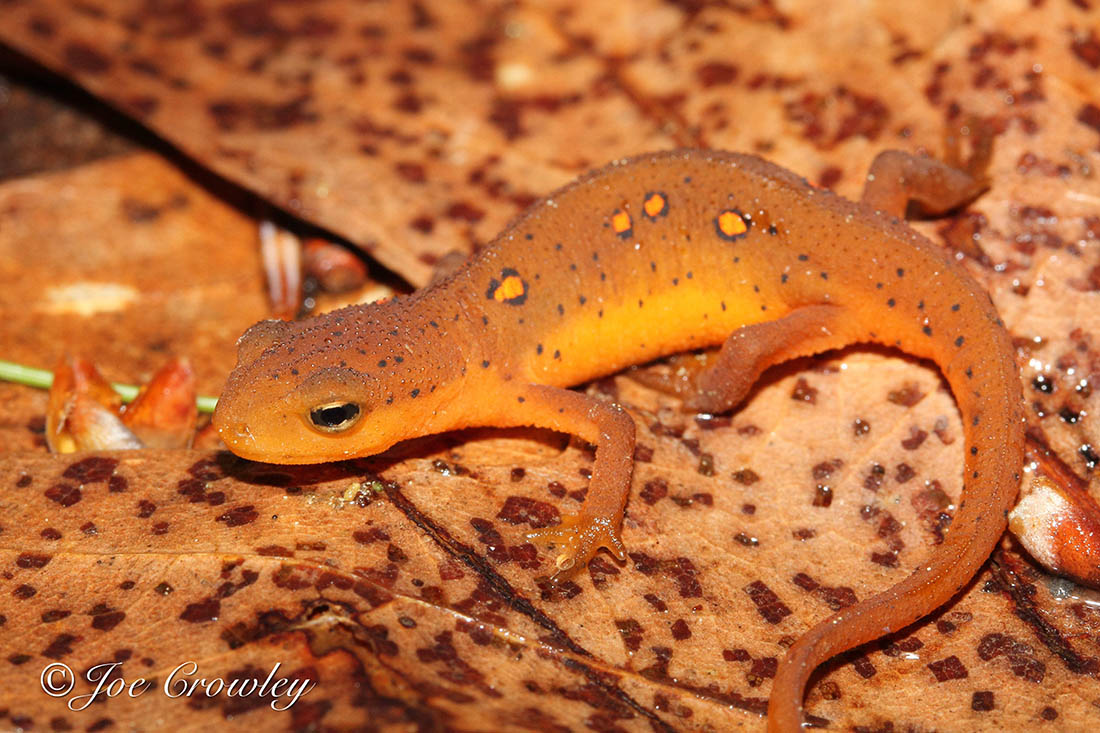
-
Article
Eastman Bus Crash
Canada’s second deadliest road disaster was a single-vehicle bus crash that killed 40 people near Eastman, Quebec on 4 August 1978.
"https://thecanadianencyclopedia.ca/images/tce_placeholder.jpg?v=e9dca980c9bdb3aa11e832e7ea94f5d9" // resources/views/front/categories/view.blade.php
https://thecanadianencyclopedia.ca/images/tce_placeholder.jpg?v=e9dca980c9bdb3aa11e832e7ea94f5d9
-
Article
Echinodermata
Echinodermata [Gk "spiny skin"], phylum of exclusively marine invertebrate animals. The 6000 known species occur from shores to greatest depths of all oceans.
"https://d3d0lqu00lnqvz.cloudfront.net/media/media/13013e6e-ff67-461b-a42c-416983fc0e43.jpg" // resources/views/front/categories/view.blade.php
https://d3d0lqu00lnqvz.cloudfront.net/media/media/13013e6e-ff67-461b-a42c-416983fc0e43.jpg
-
Article
Ecosystem
A limited space within which living beings interact with nonliving matter at a high level of interdependence to form an environmental unit is called an ecosystem.
"https://d3d0lqu00lnqvz.cloudfront.net/media/media/a900e05f-6cab-483c-98fb-d602ef1a44bd.jpg" // resources/views/front/categories/view.blade.php
https://d3d0lqu00lnqvz.cloudfront.net/media/media/a900e05f-6cab-483c-98fb-d602ef1a44bd.jpg
-
Article
Edmontosaurus
Edmontosaurus is a genus of large, plant-eating, duckbilled dinosaur. There are two species of Edmontosaurus. One, E. regalis, lived between 73.1 and 69.6 million years ago in Alberta. The other, E. annectens, lived between 68 and 66 million years ago in Saskatchewan, Montana, North Dakota, South Dakota, and possibly Alberta. Edmontosaurus was one of the largest North American herbivores of its time and even surpassed Tyrannosaurus rex in size. The first specimen to be called Edmontosaurus was discovered in 1912 in the Drumheller area. It became the first mounted dinosaur skeleton on display in Canada.
"https://d3d0lqu00lnqvz.cloudfront.net/media/new_article_images/Edmontosaurus/EdmontosaurusRegalisResized.jpg" // resources/views/front/categories/view.blade.php
https://d3d0lqu00lnqvz.cloudfront.net/media/new_article_images/Edmontosaurus/EdmontosaurusRegalisResized.jpg
-
"https://d3d0lqu00lnqvz.cloudfront.net/media/media/1f049ea7-2e3b-459b-a914-552efd4f59e8.jpg" // resources/views/front/categories/view.blade.php
https://d3d0lqu00lnqvz.cloudfront.net/media/media/1f049ea7-2e3b-459b-a914-552efd4f59e8.jpg
-
Article
Eggplant
Eggplant (Solanum melongena var. esculentum), or aubergine, perennial herbaceous plant of the nightshade family.
"https://d3d0lqu00lnqvz.cloudfront.net/media/media/006404cb-0860-4d6d-ab1f-efcb18067a02.jpg" // resources/views/front/categories/view.blade.php
https://d3d0lqu00lnqvz.cloudfront.net/media/media/006404cb-0860-4d6d-ab1f-efcb18067a02.jpg