
Browse "Military"
-
Memory Project Archive
David Waterbury (Primary Source)
Mr. Waterbury served as navigator for Consolidated PBY Canso aircraft “T” of No. 162 Squadron, Royal Canadian Air Force. The Canso flying boats were loaned to Royal Air Force Costal Command to help protect shipping lanes and escort convoys in North Atlantic between North America and Britain. On 13 June 1944, Waterbury and his crew were shot down after sinking U-715 near the Faroe Islands. He was award the Distiinguished Flying Cross (DFC) for his actions.Please be advised that Memory Project primary sources may deal with personal testimony that reflect the speaker’s recollections and interpretations of events. Individual testimony does not necessarily reflect the views of the Memory Project and Historica Canada.
"https://d3d0lqu00lnqvz.cloudfront.net/The-Memory-Project/image/9605_original.jpg" // resources/views/front/categories/view.blade.php
https://d3d0lqu00lnqvz.cloudfront.net/The-Memory-Project/image/9605_original.jpg
-
Memory Project Archive
Dennis William Knapik (Primary Source)
"And so we started to circle the base and plead with them to let us come down because when we had fired our Very pistols there, the colours were wrong. They thought it might be Japanese." See below for Mr. Knapik's entire testimony. Please be advised that Memory Project primary sources may deal with personal testimony that reflect the speaker’s recollections and interpretations of events. Individual testimony does not necessarily reflect the views of the Memory Project and Historica Canada.
"https://d3d0lqu00lnqvz.cloudfront.net/MemoryProject/DennisWilliamKnapik/4457_original.jpg" // resources/views/front/categories/view.blade.php
https://d3d0lqu00lnqvz.cloudfront.net/MemoryProject/DennisWilliamKnapik/4457_original.jpg
-
Memory Project Archive
Don Wildon Bauerlein (Primary Source)
"They just swung the gun on him and was ready to fire when he swerved off over our bow, came back on the other side, dropped the torpedo and the Liberty ship blew up. There were no survivors."Don Wildon Bauerlein served in the Merchant Navy during the Second World War. See below for his full testimony.Please be advised that Memory Project primary sources may deal with personal testimony that reflect the speaker’s recollections and interpretations of events. Individual testimony does not necessarily reflect the views of the Memory Project and Historica Canada.
"https://d3d0lqu00lnqvz.cloudfront.net/MemoryProject/DonBauerlein/5866_538.jpg" // resources/views/front/categories/view.blade.php
https://d3d0lqu00lnqvz.cloudfront.net/MemoryProject/DonBauerlein/5866_538.jpg
-
Memory Project Archive
Donald Cole (Primary Source)
Donald Cole joined the Canadian Army in August 1950, not long after the Korean War broke out. He was supposed to be sent over to Korea with the Canadian Army Special Force, he was kept back in order to augment 1 Battalion, Princess Patricia’s Canadian Light Infantry. It was with 1PPCLI that Mr. Cole went to Korea in October 1951 where he was a company signaller.Please be advised that Memory Project primary sources may deal with personal testimony that reflect the speaker’s recollections and interpretations of events. Individual testimony does not necessarily reflect the views of the Memory Project and Historica Canada.
"https://thecanadianencyclopedia.ca/images/tce_placeholder.jpg?v=e9dca980c9bdb3aa11e832e7ea94f5d9" // resources/views/front/categories/view.blade.php
https://thecanadianencyclopedia.ca/images/tce_placeholder.jpg?v=e9dca980c9bdb3aa11e832e7ea94f5d9
-
Memory Project Archive
Donald Hibbs (Primary Source)
Donald Hibbs served with 2nd Battalion, Princess Patricia's Canadian Light Infantry Regiment (2 PPCLI) during the Korean War and saw action at the Battle of Kap'yong (22-25 April 1951). Please be advised that Memory Project primary sources may deal with personal testimony that reflect the speaker's recollections and interpretations of events. Individual testimony does not necessarily reflect the views of the Memory Project and Historica Canada.
"https://d3d0lqu00lnqvz.cloudfront.net/The-Memory-Project/image/14798_600.jpg" // resources/views/front/categories/view.blade.php
https://d3d0lqu00lnqvz.cloudfront.net/The-Memory-Project/image/14798_600.jpg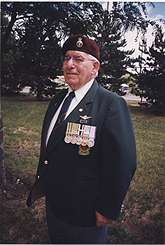
-
Memory Project Archive
Donald McCree “Scotty” Cameron (Primary Source)
Mr. Cameron served in the Navy during the Second World War. See below for his full testimony.Please be advised that Memory Project primary sources may deal with personal testimony that reflect the speaker’s recollections and interpretations of events. Individual testimony does not necessarily reflect the views of the Memory Project and Historica Canada.
"https://d3d0lqu00lnqvz.cloudfront.net/mpsb/vimy/DonaldMcCreeCameron/8952_538.jpg" // resources/views/front/categories/view.blade.php
https://d3d0lqu00lnqvz.cloudfront.net/mpsb/vimy/DonaldMcCreeCameron/8952_538.jpg
-
Memory Project Archive
Donald Murchie (Primary Source)
Donald Murchie joined the RCAF before he finished high school in Calgary, Alberta. After a stint as an instructor, Mr. Murchie was sent overseas and flew Supermarine Spitfires with 412 Squadron. While he did not begin flying operations until the squadron landed in the Netherlands, Mr. Murchie flew numerous missions over enemy territory, including at the Battle of the Bulge.Please be advised that Memory Project primary sources may deal with personal testimony that reflect the speaker’s recollections and interpretations of events. Individual testimony does not necessarily reflect the views of the Memory Project and Historica Canada.
"https://d3d0lqu00lnqvz.cloudfront.net/The-Memory-Project/image/13961_original.jpg" // resources/views/front/categories/view.blade.php
https://d3d0lqu00lnqvz.cloudfront.net/The-Memory-Project/image/13961_original.jpg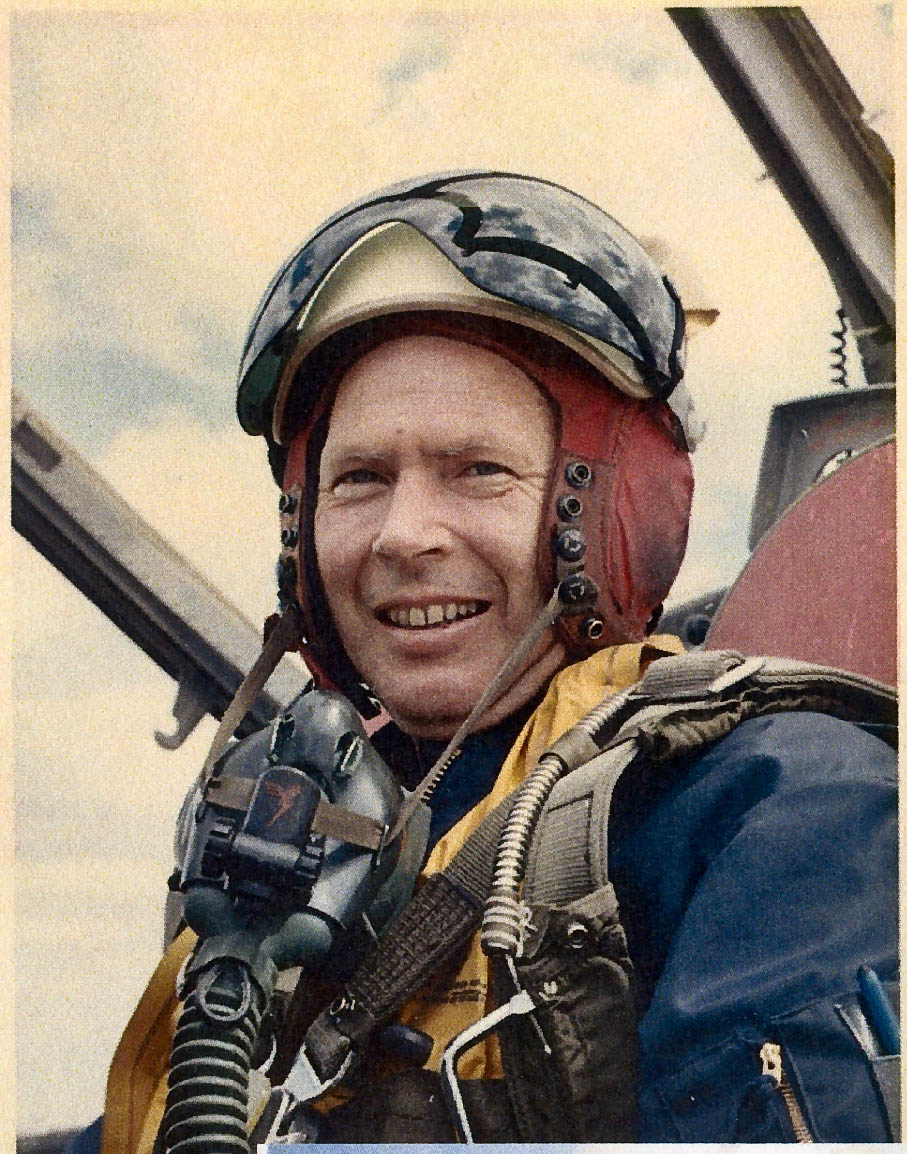
-
Memory Project Archive
Dorothy M Jamieson (Primary Source)
"We were in France, and we were in Belgium. And to me, serving with those girls was the best thing that ever happened to me." See below for Ms. Jamieson's entire testimony. Please be advised that Memory Project primary sources may deal with personal testimony that reflect the speaker’s recollections and interpretations of events. Individual testimony does not necessarily reflect the views of the Memory Project and Historica Canada.
"https://d3d0lqu00lnqvz.cloudfront.net/MemoryProject/DorothyMJamieson/7941_538.jpg" // resources/views/front/categories/view.blade.php
https://d3d0lqu00lnqvz.cloudfront.net/MemoryProject/DorothyMJamieson/7941_538.jpg
-
Memory Project Archive
Doug Franks (Primary Source)
"They got over this wire... 'cause you used to hang tin cans or something on there so, if it touched it, it warned you that there was someone there…" See below for Mr. Franks' entire testimony. Please be advised that Memory Project primary sources may deal with personal testimony that reflect the speaker’s recollections and interpretations of events. Individual testimony does not necessarily reflect the views of the Memory Project and Historica Canada.
"https://d3d0lqu00lnqvz.cloudfront.net/MemoryProject/DougFranks/7821_538.jpg" // resources/views/front/categories/view.blade.php
https://d3d0lqu00lnqvz.cloudfront.net/MemoryProject/DougFranks/7821_538.jpg
-
Memory Project Archive
Doug Vidler (Primary Source)
"Our landing was not bad compared to the fellows ahead of us. The first wave had taken the blunt of it." See below for Mr. Vidler's entire testimony. Please be advised that Memory Project primary sources may deal with personal testimony that reflect the speaker’s recollections and interpretations of events. Individual testimony does not necessarily reflect the views of the Memory Project and Historica Canada.
"https://d3d0lqu00lnqvz.cloudfront.net/MemoryProject/DougVidler/8809_original.jpg" // resources/views/front/categories/view.blade.php
https://d3d0lqu00lnqvz.cloudfront.net/MemoryProject/DougVidler/8809_original.jpg
-
Memory Project Archive
Douglas Cooper (Primary Source)
Douglas Cooper joined the Royal Canadian Navy in November 1948. After serving on various ships, including HMCS Haida, he was transferred to HMCS Huron. He went to Korea in March 1951 and served as a stoker in the engine room.Please be advised that Memory Project primary sources may deal with personal testimony that reflect the speaker’s recollections and interpretations of events. Individual testimony does not necessarily reflect the views of the Memory Project and Historica Canada.
"https://thecanadianencyclopedia.ca/images/tce_placeholder.jpg?v=e9dca980c9bdb3aa11e832e7ea94f5d9" // resources/views/front/categories/view.blade.php
https://thecanadianencyclopedia.ca/images/tce_placeholder.jpg?v=e9dca980c9bdb3aa11e832e7ea94f5d9
-
Memory Project Archive
Douglas Storey (Primary Source)
Well, it was 1942. There was a little bit happening other than joining the army or working in the steel company. So I elected to join the army. And that was the beginning of things to come. We landed I believe we were told, 12 days after D-Day. We landed and the first action we saw was Bourgebus. That’s not the proper pronunciation but it was right next door to Tilly-la-Campagne. And we went from...
"https://thecanadianencyclopedia.ca/images/tce_placeholder.jpg?v=e9dca980c9bdb3aa11e832e7ea94f5d9" // resources/views/front/categories/view.blade.php
https://thecanadianencyclopedia.ca/images/tce_placeholder.jpg?v=e9dca980c9bdb3aa11e832e7ea94f5d9
-
Memory Project Archive
Douglas Warren (Primary Source)
"At Dieppe, with only 5,000 of our troops involved, we had almost 1,000 killed and 2,000 taken prisoner, many of them wounded, in just six hours battle. So, you can see the ferocity of the battle." See below for Mr. Warren's entire testimony. Please be advised that Memory Project primary sources may deal with personal testimony that reflect the speaker’s recollections and interpretations of events. Individual testimony does not necessarily reflect the views of the Memory Project and Historica Canada.
"https://d3d0lqu00lnqvz.cloudfront.net/MemoryProject/DouglasWarren/369_538.jpg" // resources/views/front/categories/view.blade.php
https://d3d0lqu00lnqvz.cloudfront.net/MemoryProject/DouglasWarren/369_538.jpg
-
Memory Project Archive
Earl Wilkenson (Primary Source)
A Korean War veteran, Earl Wilkenson had a very unique perspective as primarily a driver for a Canadian Army field ambulance, a unit akin to the U.S. field hospital made famous by the television show, MASH.Please be advised that Memory Project primary sources may deal with personal testimony that reflect the speaker’s recollections and interpretations of events. Individual testimony does not necessarily reflect the views of the Memory Project and Historica Canada.
"https://d3d0lqu00lnqvz.cloudfront.net/The-Memory-Project/image/9612_original.jpg" // resources/views/front/categories/view.blade.php
https://d3d0lqu00lnqvz.cloudfront.net/The-Memory-Project/image/9612_original.jpg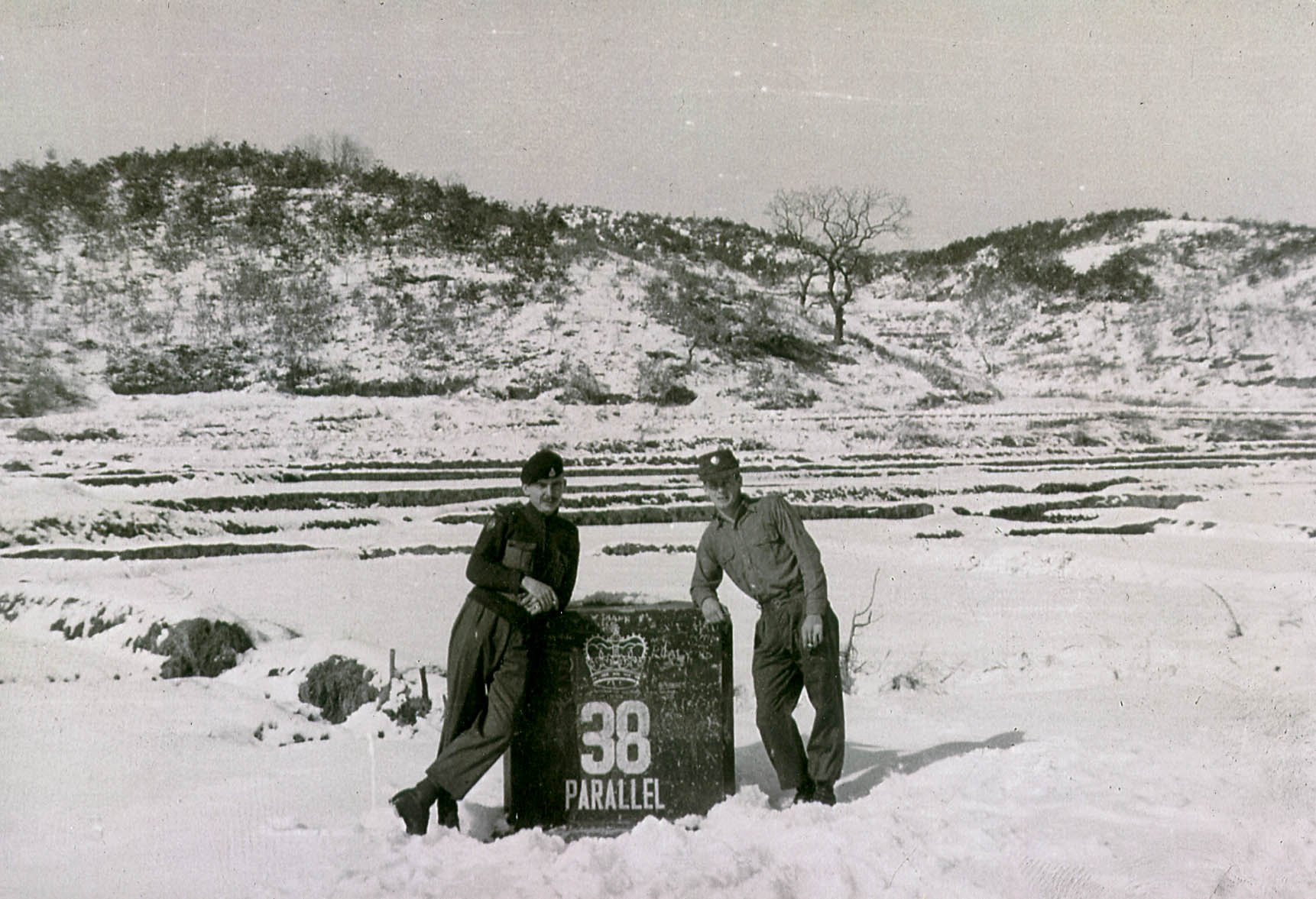
-
Memory Project Archive
Earle Wagner (Primary Source)
In 2010, The Memory Project interviewed Earle Steadman Wagner, who served with the Canadian Merchant Navy during the Second World War. The following recording (and transcript) is an excerpt from this interview. Earle Wagner was born in West LaHave, Nova Scotia, on 25 December 1923; he enlisted in the Canadian Merchant Navy at the age of 17 in 1943. After the war, he had a long career in the marine industry, including command of large oil tankers. Wagner also became a marine superintendent with the Department of Fisheries and Oceans. He was heavily involved in efforts to recognize merchant navy veterans, including the establishment of the Merchant Navy Memorial in Halifax, Nova Scotia. Wagner died on 1 December 2023 in Halifax, not long before his 100th birthday. In this 2010 interview, Wagner describes his experiences with the merchant navy during the Second World War, as well as his postwar career and his advocacy for merchant navy veterans. Please be advised that Memory Project primary sources may deal with personal testimony that reflect the speaker's recollections and interpretations of events. Individual testimony does not necessarily reflect the views of the Memory Project and Historica Canada.
"https://d3d0lqu00lnqvz.cloudfront.net/The-Memory-Project/image/357_600.jpg" // resources/views/front/categories/view.blade.php
https://d3d0lqu00lnqvz.cloudfront.net/The-Memory-Project/image/357_600.jpg