
Browse "History"
-
Article
Separate School
In both the US and Canada parents are free to choose to send their children to the state-run public SCHOOL SYSTEM or to a variety of private fee-paying schools.
"https://thecanadianencyclopedia.ca/images/tce_placeholder.jpg?v=e9dca980c9bdb3aa11e832e7ea94f5d9" // resources/views/front/categories/view.blade.php
https://thecanadianencyclopedia.ca/images/tce_placeholder.jpg?v=e9dca980c9bdb3aa11e832e7ea94f5d9
-
Article
Serpent Mounds
Serpent Mounds, situated on a bluff overlooking Rice Lake near Peterborough, Ont, is the only known effigy mound in Canada.
"https://thecanadianencyclopedia.ca/images/tce_placeholder.jpg?v=e9dca980c9bdb3aa11e832e7ea94f5d9" // resources/views/front/categories/view.blade.php
https://thecanadianencyclopedia.ca/images/tce_placeholder.jpg?v=e9dca980c9bdb3aa11e832e7ea94f5d9
-
Article
Shattered
Eric Walters’s young adult novel Shattered (2006) tells the story of Ian Blackburn. He is shaken out of his privileged life when he meets Jack, a homeless veteran of the Canadian Armed Forces. A member of the failed United Nations peacekeeping mission to Rwanda, Jack introduces Ian to some of humanity’s darkest moments. Shattered received the 2007 Ontario Library Association’s White Pine Award for best Canadian children’s book and the 2007 National Chapter of Canada International Order of the Daughters of Empire Violet Downey Book Award.
"https://d3d0lqu00lnqvz.cloudfront.net/media/home-page-images/Peacekeepers-in-Rwanda.jpg" // resources/views/front/categories/view.blade.php
https://d3d0lqu00lnqvz.cloudfront.net/media/home-page-images/Peacekeepers-in-Rwanda.jpg
-
Article
Shell Middens
Archaeologists and natural historians have long been fascinated by shell middens because of their great potential to enhance information about human adaptations and cultures. Early studies focused on the Mesolithic køkkenmøddinger ("kitchen middens") of northern Europe, but similar studies were conducted in Canada by the late 19th century. The English term midden is derived from a Scandinavian root referring to a trash heap composed of domestic refuse and located near a dwelling.
"https://d3d0lqu00lnqvz.cloudfront.net/media/media/b0317788-22f0-4674-95ad-d8206ed9fece.jpg" // resources/views/front/categories/view.blade.php
https://d3d0lqu00lnqvz.cloudfront.net/media/media/b0317788-22f0-4674-95ad-d8206ed9fece.jpg
-
Article
Ships of the War of 1812
The war on the water was an essential, if not the most important, aspect of the WAR OF 1812. Great Britain was obviously at a disadvantage geographically when trying to defend its colony Canada in a conflict with the United States.
"https://thecanadianencyclopedia.ca/images/tce_placeholder.jpg?v=e9dca980c9bdb3aa11e832e7ea94f5d9" // resources/views/front/categories/view.blade.php
https://thecanadianencyclopedia.ca/images/tce_placeholder.jpg?v=e9dca980c9bdb3aa11e832e7ea94f5d9
-
Article
Siege of Fort Erie, War of 1812
The siege of Fort Erie was a British blockade of their own fort located at the entrance to the Niagara River opposite Buffalo, New York, which the Americans had captured on 3 July 1814.
"https://thecanadianencyclopedia.ca/images/tce_placeholder.jpg?v=e9dca980c9bdb3aa11e832e7ea94f5d9" // resources/views/front/categories/view.blade.php
https://thecanadianencyclopedia.ca/images/tce_placeholder.jpg?v=e9dca980c9bdb3aa11e832e7ea94f5d9
-
Article
Sinking of HMCS Esquimalt
HMCS Esquimalt was the last Canadian warship lost to enemy action in the Second World War. The ship was on an antisubmarine patrol around the approaches to Halifax harbour when it was torpedoed by German submarine U-190. Esquimalt sank on 16 April 1945; in total, 44 of 71 crew members died — many of them from exposure while waiting to be rescued.
"https://d3d0lqu00lnqvz.cloudfront.net/media/media/462169b7-3005-4458-85d7-605eb8f68e2d.jpg" // resources/views/front/categories/view.blade.php
https://d3d0lqu00lnqvz.cloudfront.net/media/media/462169b7-3005-4458-85d7-605eb8f68e2d.jpg
-
Article
Sinking of HMHS Llandovery Castle
On the evening of 27 June 1918, while sailing from Halifax, Nova Scotia, to Liverpool, England, the Canadian hospital ship Llandovery Castle was torpedoed and sunk by a German U-boat (U-86). Of the 258 crew and passengers, only 24 survived. Almost all the Canadian Army Medical Corps personnel were killed: six male officers, 64 enlisted men and 14 nursing sisters. Only one lifeboat escaped; the rest were either sucked under as the ship sank or attacked by the U-boat. The submarine’s officers were later charged with committing a war crime.
"https://d3d0lqu00lnqvz.cloudfront.net/ASW/VictoryBondsPosterLlandoveryCastle1918.jpg" // resources/views/front/categories/view.blade.php
https://d3d0lqu00lnqvz.cloudfront.net/ASW/VictoryBondsPosterLlandoveryCastle1918.jpg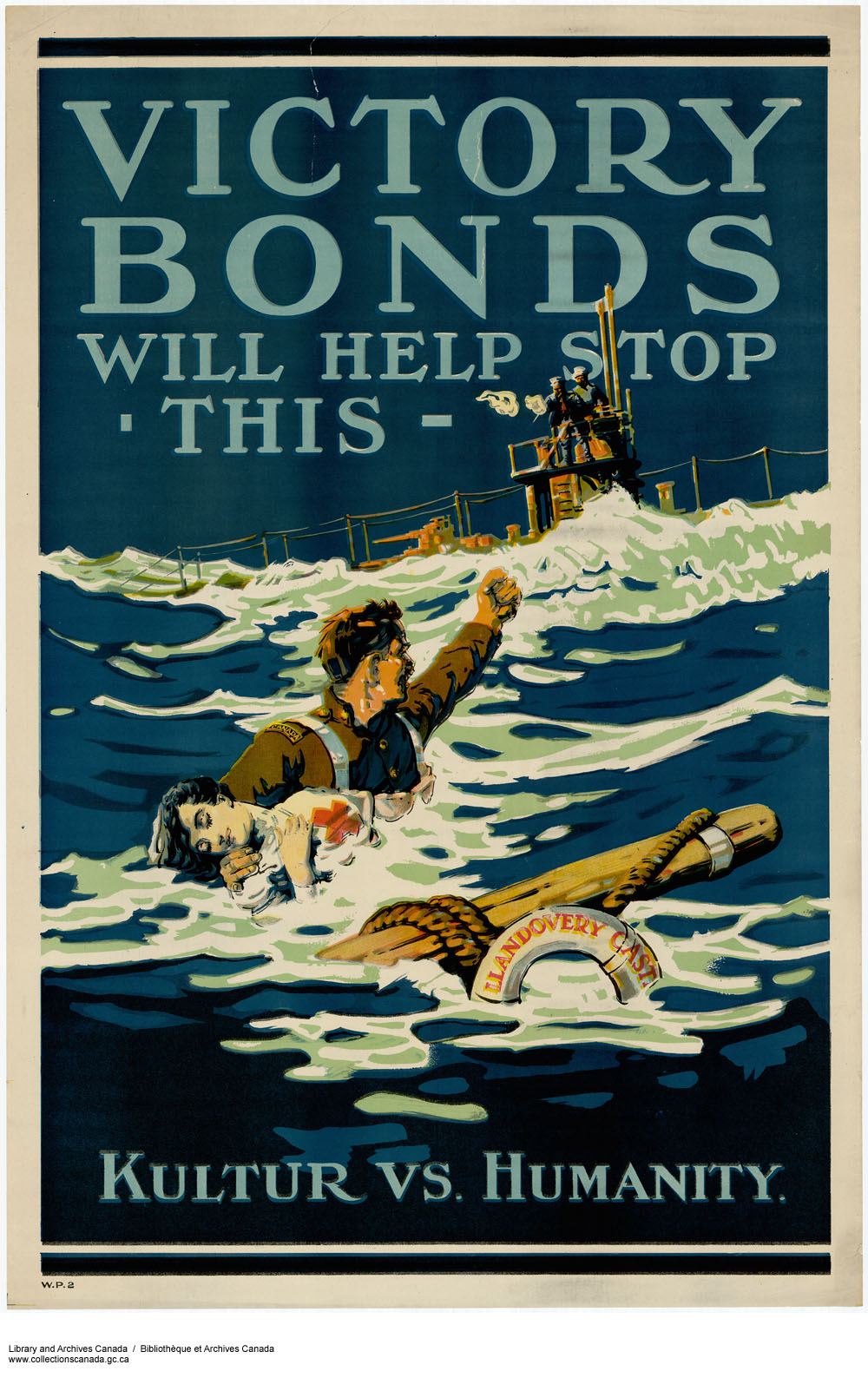
-
Article
Sinking of the SS Caribou
The SS Caribou was a passenger and train ferry that operated in the Cabot Strait between Port aux Basques, Newfoundland and North Sydney, Nova Scotia. On 14 October 1942, the German submarine U-69 sank the vessel, causing the worst loss of life in Canadian waters during the Second World War.
"https://d3d0lqu00lnqvz.cloudfront.net/media/new_article_images/Caribou/ss-caribou-1920-1940.jpg" // resources/views/front/categories/view.blade.php
https://d3d0lqu00lnqvz.cloudfront.net/media/new_article_images/Caribou/ss-caribou-1920-1940.jpg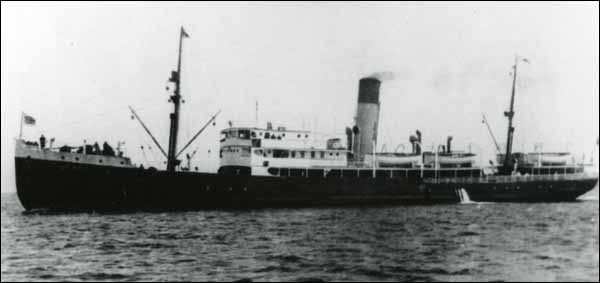
-
Article
Sir George Williams Affair
The Sir George Williams affair (also known as the Sir George Williams riot) took place in winter 1969, when more than 200 students decided to peacefully occupy the ninth floor of the Henry F. Hall Building at Sir George Williams University in Montreal. (See Concordia University.) These students were protesting the university administration’s decision regarding a complaint of racism that had been filed several months earlier by six Black students from the Caribbean. On 11 February 1969, to dislodge the students occupying the building, the police intervened forcefully, and the situation deteriorated, resulting in over $2 million worth of damage and the arrest of 97 people. The Sir George Williams affair is regarded as the largest student riot in Canadian history. For many observers and historians, it represents a key moment in the rebirth of Black militancy in Montreal.
"https://d3d0lqu00lnqvz.cloudfront.net/media/media/e31f1667-bf31-4052-95c4-22a3da881f96.jpg" // resources/views/front/categories/view.blade.php
https://d3d0lqu00lnqvz.cloudfront.net/media/media/e31f1667-bf31-4052-95c4-22a3da881f96.jpg
-
Article
Slavery Abolition Act, 1833
An Act for the Abolition of Slavery throughout the British Colonies; for promoting the Industry of the manumitted slaves; and for compensating the Persons hitherto entitled to the Service of such Slaves (also known as the Slavery Abolition Act) received Royal Assent on 28 August 1833 and took effect 1 August 1834. The Act abolished enslavement in most British colonies, freeing over 800,000 enslaved Africans in the Caribbean and South Africa as well as a small number in Canada.
"https://d3d0lqu00lnqvz.cloudfront.net/media/media/9ea57f84-ae9c-45f6-97a9-ee077202abee.jpg" // resources/views/front/categories/view.blade.php
https://d3d0lqu00lnqvz.cloudfront.net/media/media/9ea57f84-ae9c-45f6-97a9-ee077202abee.jpg
-
Article
Smallpox in Canada
Smallpox is an infectious disease caused by the variola virus. The disease arrived in what is now Canada with French settlers in the early 17th century. Indigenous peoples had no immunity to smallpox, resulting in devastating infection and death rates. In 1768, arm-to-arm inoculation became more widely practised in North America. By 1800, advances in vaccination helped control the spread of smallpox. Public health efforts also reduced rates of infection. In the 20th century, Canadian scientists helped the World Health Organization eradicate smallpox. Eradication was achieved in 1979, but virus stocks still exist for research and safety reasons. Click here for definitions of key terms used in this article.
"https://d3d0lqu00lnqvz.cloudfront.net/media/new_article_images/Smallpox/Smallpox_victim.jpg" // resources/views/front/categories/view.blade.php
https://d3d0lqu00lnqvz.cloudfront.net/media/new_article_images/Smallpox/Smallpox_victim.jpg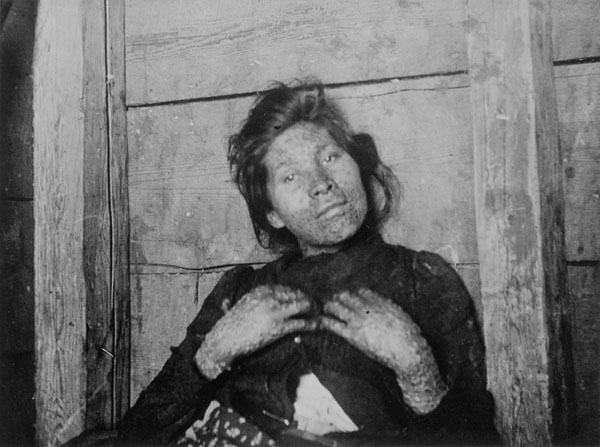
-
Article
Social History
Social history is a way of looking at how a society organizes itself and how this changes over time. The elements that make up Canada’s social history include climate and geography, as well as the transition to industrialization and urbanization.
"https://d3d0lqu00lnqvz.cloudfront.net/media/media/deaaaf0f-2d04-4ae8-8391-d6255fe2a78a.jpg" // resources/views/front/categories/view.blade.php
https://d3d0lqu00lnqvz.cloudfront.net/media/media/deaaaf0f-2d04-4ae8-8391-d6255fe2a78a.jpg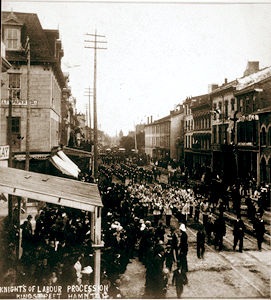
-
Article
Sod Houses
Sod houses, or “soddies,” were a common style of dwelling built in the Prairies during the second half of the 19th century. Soddies were small structures cheaply built out of blocks of sod and rudimentary house fittings. Sod refers to grass and the soil beneath it that is held together by the grass’s roots. Although the term “sod house” is primarily associated with Canadian and American structures built during westward expansion, the structures found their architectural roots in Indigenous and Norse practices. Sod houses have come to symbolize the hardship of homestead life, despite shacks and log cabins being the primary form of housing.
"https://d3d0lqu00lnqvz.cloudfront.net/media/media/5c19f8b0-969e-4d19-b834-6ec2c4de6805.jpg" // resources/views/front/categories/view.blade.php
https://d3d0lqu00lnqvz.cloudfront.net/media/media/5c19f8b0-969e-4d19-b834-6ec2c4de6805.jpg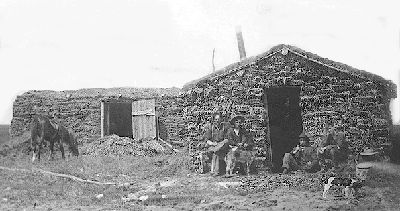
-
Article
Sombra Township Treaty (No.7)
The Sombra Township Treaty of 1796 (also known as Treaty 7 in the Upper Canada treaties numbering system) was an early land agreement between First Nations and British authorities in Upper Canada (later Ontario). It was one of a series of Upper Canada Land Surrenders. The Sombra Township Treaty encompassed a tract of land 12 miles square (about 31 kilometres square) on the St. Clair River in the southwestern part of the colony. The British originally purchased it to offer it for settlement to their Indigenous allies who had fought with them during the American Revolution but who still lived in the new nation of the United States."
"https://d3d0lqu00lnqvz.cloudfront.net/SombraTreaty.jpg" // resources/views/front/categories/view.blade.php
https://d3d0lqu00lnqvz.cloudfront.net/SombraTreaty.jpg