
Browse "Communities & Sociology"
-
Article
Territorial Government in Canada
Under Canada’s federal system, the powers of government are shared between the federal government, provincial governments and territorial governments. The territories — Northwest Territories, Nunavut and Yukon — are governed by their respective governments. They receive their legislative authority (the ability to create laws) from the federal government. Ottawa has given territorial governments authority over public education, health and social services; as well as the administration of justice and municipal government. More and more of these powers have been handed down from the federal government in a process called devolution. Crown-Indigenous Relations and Northern Affairs Canada is the federal ministry responsible for the territories.
"https://d3d0lqu00lnqvz.cloudfront.net/media/media/b9f1e62c-f97e-49dc-ad8f-ef525846081d.jpg" // resources/views/front/categories/view.blade.php
https://d3d0lqu00lnqvz.cloudfront.net/media/media/b9f1e62c-f97e-49dc-ad8f-ef525846081d.jpg
-
Article
Thai Buddhist Temple - Wat Yanviriya
Wat Yanviriya was the first Thai BUDDHIST temple in Canada (wat means temple-monastery). In 1992 Lord Abbot Luang Phor Viriyang Sirintharo established Wat Yanviriya in a converted Christian church in East Vancouver.
"https://thecanadianencyclopedia.ca/images/tce_placeholder.jpg?v=e9dca980c9bdb3aa11e832e7ea94f5d9" // resources/views/front/categories/view.blade.php
https://thecanadianencyclopedia.ca/images/tce_placeholder.jpg?v=e9dca980c9bdb3aa11e832e7ea94f5d9
-
Article
The Apprenticeship of Duddy Kravitz
The Apprenticeship of Duddy Kravitz is Mordecai Richler’s fourth and best-known novel. Published in 1959, it tells the story of a young Jewish man from Montreal who is obsessed with acquiring status, money and land. Bitingly satirical, it is a landmark Canadian novel. It established Richler as an international literary figure and sparked an interest in Canadian literature both at home and abroad. It also drew criticism from those who felt the main character embodied anti-Semitic stereotypes. Richler also received several awards and an Oscar nomination for his screenplay for the 1974 feature film adaptation, co-written with Lionel Chetwynd and directed by Ted Kotcheff.
"https://d3d0lqu00lnqvz.cloudfront.net/media/media/b127f3da-c0b7-45d1-be4a-73e9d2103fd9.jpg" // resources/views/front/categories/view.blade.php
https://d3d0lqu00lnqvz.cloudfront.net/media/media/b127f3da-c0b7-45d1-be4a-73e9d2103fd9.jpg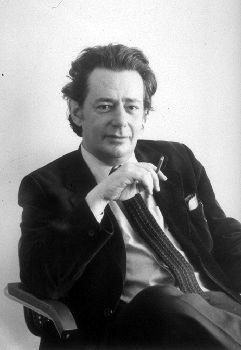
-
Article
The Ashkenaz Festival
The Ashkenaz Foundation is a community-based non-profit organization dedicated to fostering an increased awareness of Yiddish and Jewish culture through the arts. Ashkenaz places equal emphasis on the need for preservation and innovation within this cultural milieu.
"https://d3d0lqu00lnqvz.cloudfront.net/media/media/fbe857f5-6095-4a09-9eab-2d578f7e872e.jpg" // resources/views/front/categories/view.blade.php
https://d3d0lqu00lnqvz.cloudfront.net/media/media/fbe857f5-6095-4a09-9eab-2d578f7e872e.jpg
-
Editorial
The Assassination of Thomas D'Arcy McGee
The following article is an editorial written by The Canadian Encyclopedia staff. Editorials are not usually updated. It is the greatest murder mystery in Canadian political history. Thomas D’Arcy McGee, Father of Confederation and outspoken opponent of the Fenians, was assassinated on an Ottawa street in the early hours of Tuesday, 7 April 1868.
"https://d3d0lqu00lnqvz.cloudfront.net/media/media/4a74eaf5-4691-4b89-9d50-e98da872ed41.jpg" // resources/views/front/categories/view.blade.php
https://d3d0lqu00lnqvz.cloudfront.net/media/media/4a74eaf5-4691-4b89-9d50-e98da872ed41.jpg
-
Editorial
André Laurendeau and the Royal Commission on Bilingualism and Biculturalism
The following article is an editorial written by The Canadian Encyclopedia staff. Editorials are not usually updated.
"https://d3d0lqu00lnqvz.cloudfront.net/media/media/9c18ebf1-d915-4554-8654-fb1cba462a3e.jpg" // resources/views/front/categories/view.blade.php
https://d3d0lqu00lnqvz.cloudfront.net/media/media/9c18ebf1-d915-4554-8654-fb1cba462a3e.jpg
-
Article
The Book of Negroes
The document called the “Book of Negroes” is a British naval ledger that lists the names of Black Loyalists who fled to Canada during the American Revolutionary War (1775–83). It is also the title of Lawrence Hill’s third novel, which was published in 2007. (It was released in the United States, Australia and New Zealand under the title Someone Knows My Name.) A work of historical fiction, The Book of Negroes tells the story of Aminata Diallo, who is captured by slave traders in Africa and brought to America. Aminata’s story illustrates the physical, sexual, emotional, psychological, religious and economic violations of the slave trade. The novel has been translated into more than eight languages and has sold more than 800,000 copies worldwide. It won the Rogers Writers’ Trust Fiction Prize, the Commonwealth Writers’ Prize and the Commonwealth Prize for Best Book. It was also the first book to win both CBC Radio’s Canada Reads and Radio Canada’s Combat des livres.
"https://d3d0lqu00lnqvz.cloudfront.net/media/new_article_images/TheBookOfNegroes/48275821552_2b150a253f_c.jpg" // resources/views/front/categories/view.blade.php
https://d3d0lqu00lnqvz.cloudfront.net/media/new_article_images/TheBookOfNegroes/48275821552_2b150a253f_c.jpg
-
Article
Charlottetown Accord
The Charlottetown Accord of 1992 was a failed attempt by Prime Minister Brian Mulroney and all 10 provincial premiers to amend the Canadian Constitution. The goal was to obtain Quebec’s consent to the Constitution Act, 1982. The Accord would have recognized Quebec as a distinct society; decentralized many federal powers to the provinces; addressed the issue of Indigenous self-government; and reformed the Senate and the House of Commons. The Accord had the approval of the federal government and all 10 provincial governments. But it was rejected by Canadian voters in a referendum on 26 October 1992.
"https://d3d0lqu00lnqvz.cloudfront.net/media/media/8d1b4b1d-ce97-42aa-99a7-f4e33c1f6b7a.jpg" // resources/views/front/categories/view.blade.php
https://d3d0lqu00lnqvz.cloudfront.net/media/media/8d1b4b1d-ce97-42aa-99a7-f4e33c1f6b7a.jpg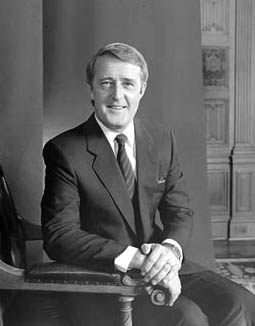
-
Article
Quebec Film History: 1896 to 1969
This entry presents an overview of Quebec cinema, from its beginnings in the silent film era to the burgeoning of a distinctly Quebec cinema in the 1960s. It highlights the most important films, whether in terms of box office success or international acclaim, and covers both narrative features and documentaries. It also draws attention to an aspect of filmmaking that still has difficulty finding its place: women’s cinema.
"https://d3d0lqu00lnqvz.cloudfront.net/media/media/3b079b6b-0ea3-47b4-8e14-62d48630fb39.jpg" // resources/views/front/categories/view.blade.php
https://d3d0lqu00lnqvz.cloudfront.net/media/media/3b079b6b-0ea3-47b4-8e14-62d48630fb39.jpg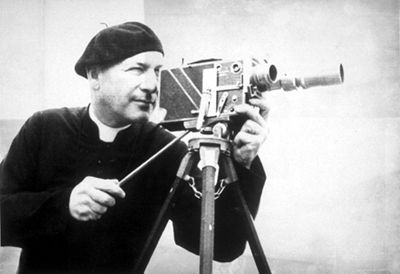
-
Editorial
The arrival of Doukhobors in Canada (1899)
The following article is an editorial written by The Canadian Encyclopedia staff. Editorials are not usually updated.
"https://thecanadianencyclopedia.ca/images/tce_placeholder.jpg?v=e9dca980c9bdb3aa11e832e7ea94f5d9" // resources/views/front/categories/view.blade.php
https://thecanadianencyclopedia.ca/images/tce_placeholder.jpg?v=e9dca980c9bdb3aa11e832e7ea94f5d9
-
Article
Ex-gay Movement
The ex-gay movement, commonly referred to in popular culture by the phrase “pray the gay away,” is a predominantly conservative Christian movement that operates worldwide but is most prominent in the United States, Canada, Britain, and Australia.
"https://thecanadianencyclopedia.ca/images/tce_placeholder.jpg?v=e9dca980c9bdb3aa11e832e7ea94f5d9" // resources/views/front/categories/view.blade.php
https://thecanadianencyclopedia.ca/images/tce_placeholder.jpg?v=e9dca980c9bdb3aa11e832e7ea94f5d9
-
Editorial
The First Thanksgiving in North America
The following article is an editorial written by The Canadian Encyclopedia staff. Editorials are not usually updated. It has become common knowledge that the first Thanksgiving in North America was held by Sir Martin Frobisher and his crew in Nunavut in 1578. There are those — mainly Americans upset by the thought of having their holiday co-opted — who argue that it wasn't a “real” Thanksgiving. I would counter that Frobisher had reason to give thanks, and that giving thanks was an important aspect of Elizabethan society, so it would have been a natural thing for him and his men to do.
"https://d3d0lqu00lnqvz.cloudfront.net/media/media/c07fc308-7b63-421f-8b08-2c821321ba57.jpg" // resources/views/front/categories/view.blade.php
https://d3d0lqu00lnqvz.cloudfront.net/media/media/c07fc308-7b63-421f-8b08-2c821321ba57.jpg
-
Editorial
Editorial: Baldwin, LaFontaine and Responsible Government
The following article is an editorial written by The Canadian Encyclopedia staff. Editorials are not usually updated. The Baldwin–LaFontaine government of 1848 has been called the “great ministry.” In addition to establishing responsible government, it had an incomparable record of legislation. It established a public school system and finalized the founding of the University of Toronto. It set up municipal governments and pacified French-Canadian nationalism after a period of unrest. Responsible government did not transform Canada overnight into a fully developed democracy. But it was an important milestone along the road to political autonomy. Most importantly, it provided an opportunity for French Canadians to find a means for their survival through the British Constitution. The partnership and friendship between Baldwin and LaFontaine were brilliant examples of collaboration that have been all too rare in Canadian history.
"https://d3d0lqu00lnqvz.cloudfront.net/media/media/ba6bdff6-574a-4697-ac95-afdcc5ddfcc9.jpg" // resources/views/front/categories/view.blade.php
https://d3d0lqu00lnqvz.cloudfront.net/media/media/ba6bdff6-574a-4697-ac95-afdcc5ddfcc9.jpg
-
Article
Canadian Film History: 1896 to 1938
Filmmaking is a powerful form of cultural and artistic expression, as well as a highly profitable commercial enterprise. From a practical standpoint, filmmaking is a business involving large sums of money and a complex division of labour. This labour is involved, roughly speaking, in three sectors: production, distribution and exhibition. The history of the Canadian film industry has been one of sporadic achievement accomplished in isolation against great odds. Canadian cinema has existed within an environment where access to capital for production, to the marketplace for distribution and to theatres for exhibition has been extremely difficult. The Canadian film industry, particularly in English Canada, has struggled against the Hollywood entertainment monopoly for the attention of an audience that remains largely indifferent toward the domestic industry. The major distribution and exhibition outlets in Canada have been owned and controlled by foreign interests. The lack of domestic production throughout much of the industry’s history can only be understood against this economic backdrop. This article is one of four that surveys the history of the film industry in Canada. The entire series includes: Canadian Film History: 1896 to 1938; Canadian Film History: 1939 to 1973; Canadian Film History: 1974 to Present; Canadian Film History: Notable Films and Filmmakers 1980 to Present.
"https://d3d0lqu00lnqvz.cloudfront.net/media/media/1f440346-22dd-48de-951f-264baf7a7fc4.jpg" // resources/views/front/categories/view.blade.php
https://d3d0lqu00lnqvz.cloudfront.net/media/media/1f440346-22dd-48de-951f-264baf7a7fc4.jpg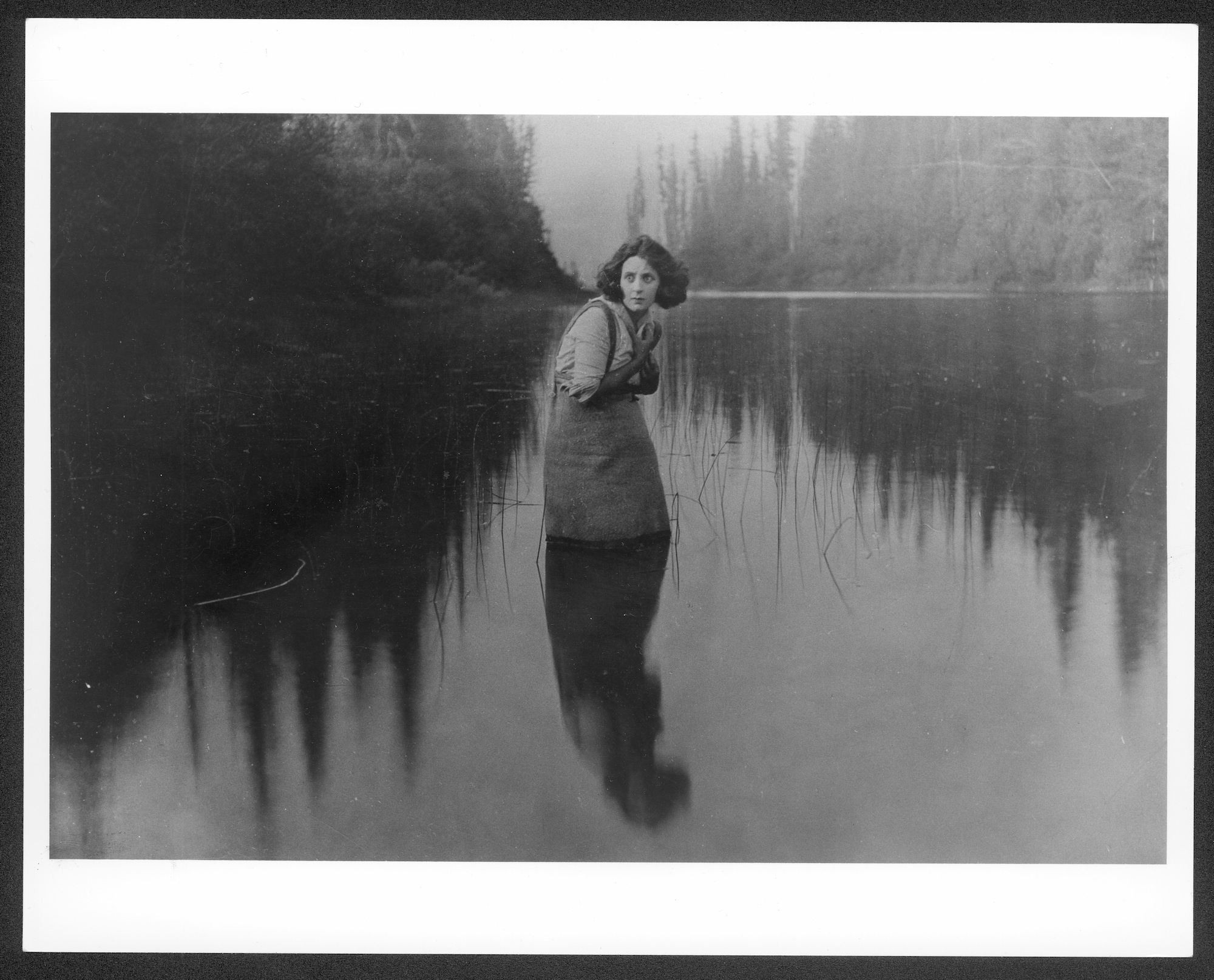
-
Article
The Journey of Nishiyuu (The Journey of the People)
Between 16 January and 25 March 2013, six Cree youths and their guide walked 1,600 km from Whapmagoostui First Nation, the northernmost Cree village in Quebec on Hudson Bay, to Parliament Hill in Ottawa in support of the Idle No More movement. They called the trek “The Journey of Nishiyuu,” which is Cree for “people.” Known as the Nishiyuu Walkers, the group attracted national media attention and inspired Indigenous youth to be the force of change in their lives and communities. (See also Indigenous Women Activists in Canada and Indigenous Political Organization and Activism in Canada.)
"https://d3d0lqu00lnqvz.cloudfront.net/media/media/00339332-5ac9-4b3b-8578-b7200b7db6fc.jpg" // resources/views/front/categories/view.blade.php
https://d3d0lqu00lnqvz.cloudfront.net/media/media/00339332-5ac9-4b3b-8578-b7200b7db6fc.jpg