
Browse "Communities & Sociology"
-
Article
Persons Case (Plain-Language Summary)
The Persons Case was a constitutional ruling. It established the right of women to serve in the Senate. The case was started by the Famous Five. They were a group of women activists. In 1928, they objected to a Supreme Court of Canada ruling that women were not “persons.” As such, they were not allowed to serve in the Senate. The Famous Five challenged the law. In 1929, the decision was reversed. As a result, women were legally recognized as “persons.” They could no longer be denied rights based on a narrow reading of the law. (This article is a plain-language summary of the Persons Case. If you are interested in reading about this topic in more depth, please see the full-length entry.)
"https://d3d0lqu00lnqvz.cloudfront.net/media/media/65699b89-06c0-4518-aa06-4eea43f2ec74.jpg" // resources/views/front/categories/view.blade.php
https://d3d0lqu00lnqvz.cloudfront.net/media/media/65699b89-06c0-4518-aa06-4eea43f2ec74.jpg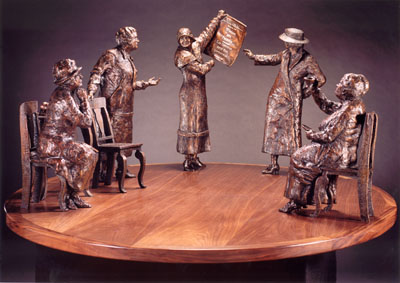
-
Article
Petitioning in Canada
Petitioning is one of the most common tools of political protest accessible to the local population. Limited during the era of New France, the practice of collectively petitioning political authorities became much more frequent in the years following the Conquest by the British. Sanctioned in the 1689 Bill of Rights, petitioning had been a common practice in Britain for centuries, and ever since 1763, Canadians have been sending petitions to their governments (colonial, imperial, federal, provincial, and municipal) for a variety of reasons. With the recent introduction of e-petition, Canadians, more than ever, can have their voices heard in government.
"https://d3d0lqu00lnqvz.cloudfront.net/media/media/7770f93e-7f5e-4cb8-b6ad-57df24227db6.jpg" // resources/views/front/categories/view.blade.php
https://d3d0lqu00lnqvz.cloudfront.net/media/media/7770f93e-7f5e-4cb8-b6ad-57df24227db6.jpg
-
Article
Filipino Music in Canada
In the 1986 Census of Canada, 107,000 listed Filipino as their single or multiple ethnic origin. Of these, 27,000 were born in Canada and 80,000 had immigrated: 31,000 in the period 1978-86, 45,000 in the period 1967-77, and the rest before 1967.
"https://thecanadianencyclopedia.ca/images/tce_placeholder.jpg?v=e9dca980c9bdb3aa11e832e7ea94f5d9" // resources/views/front/categories/view.blade.php
https://thecanadianencyclopedia.ca/images/tce_placeholder.jpg?v=e9dca980c9bdb3aa11e832e7ea94f5d9
-
Article
Pit House
A pit house is a type of dwelling historically used by various Indigenous peoples living in the Plateau region of Canada. Partially built into the ground, pit houses provided warmth and shelter during the winter season. While pit houses no longer serve as common dwellings, they retain cultural significance for many Indigenous peoples. Archeological remains and replicas of pit houses can be found in various parts of Canada. (See also Architectural History of Indigenous Peoples in Canada.)
"https://d3d0lqu00lnqvz.cloudfront.net/media/media/f78eb160-4435-47f0-b8d4-d0694aa6ac55.jpg" // resources/views/front/categories/view.blade.php
https://d3d0lqu00lnqvz.cloudfront.net/media/media/f78eb160-4435-47f0-b8d4-d0694aa6ac55.jpg
-
Article
Polish Music in Canada
The first Polish settlement in Canada was established by Kashubian peasants in the early 1860s in Renfrew County, south of Pembroke, Ont. In 1875 a Polish parish was organized and a church built at the place which became the village of Wilno in the 1880s.
"https://thecanadianencyclopedia.ca/images/tce_placeholder.jpg?v=e9dca980c9bdb3aa11e832e7ea94f5d9" // resources/views/front/categories/view.blade.php
https://thecanadianencyclopedia.ca/images/tce_placeholder.jpg?v=e9dca980c9bdb3aa11e832e7ea94f5d9
-
Article
Political Protest
Political protest is the kind of political activity, eg, demonstrations, strikes and even VIOLENCE, usually but not always undertaken by those who lack access to the resources of organized PRESSURE GROUPS, or by those whose values conflict sharply with those of the dominant ELITE.
"https://d3d0lqu00lnqvz.cloudfront.net/media/media/1a569bb1-9267-494b-9b5f-614e5ded3171.jpg" // resources/views/front/categories/view.blade.php
https://d3d0lqu00lnqvz.cloudfront.net/media/media/1a569bb1-9267-494b-9b5f-614e5ded3171.jpg
-
Article
École Polytechnique Tragedy (Montreal Massacre)
On 6 December 1989, a man entered a mechanical engineering classroom at Montreal’s École Polytechnique armed with a semi-automatic weapon. After separating the women from the men, he opened fire on the women while screaming, “You are all feminists.” Fourteen young women were murdered, and 13 other people were wounded. The shooter then turned the gun on himself. In his suicide note, he blamed feminists for ruining his life. The note contained a list of 19 “radical feminists” who he said would have been killed had he not run out of time. It included the names of well-known women in Quebec, including journalists, television personalities and union leaders.
"https://d3d0lqu00lnqvz.cloudfront.net/media/media/e46a9a44-231e-4000-8a86-dae26e0d9a25.jpg" // resources/views/front/categories/view.blade.php
https://d3d0lqu00lnqvz.cloudfront.net/media/media/e46a9a44-231e-4000-8a86-dae26e0d9a25.jpg
-
Article
Population of Canada
Canada’s recorded population history begins in the 16th century with the arrival of Europeans. Indigenous peoples were subsequently depopulated, due largely to epidemic disease. High rates of fertility and immigration caused the country’s overall population to grow rapidly until the mid-19th century, when it slowed slightly. Population growth continued to be slow through the First World War, Great Depression and Second World War. Following this period growth rates began to increase again. Today, Canada’s population growth is dependent on international migration. As of the 2021 census, Canada’s population was nearly 37 million (36,991,981).
"https://d3d0lqu00lnqvz.cloudfront.net/media/media/2c3a8635-2510-4bad-b39f-1027e90d7b17.jpg" // resources/views/front/categories/view.blade.php
https://d3d0lqu00lnqvz.cloudfront.net/media/media/2c3a8635-2510-4bad-b39f-1027e90d7b17.jpg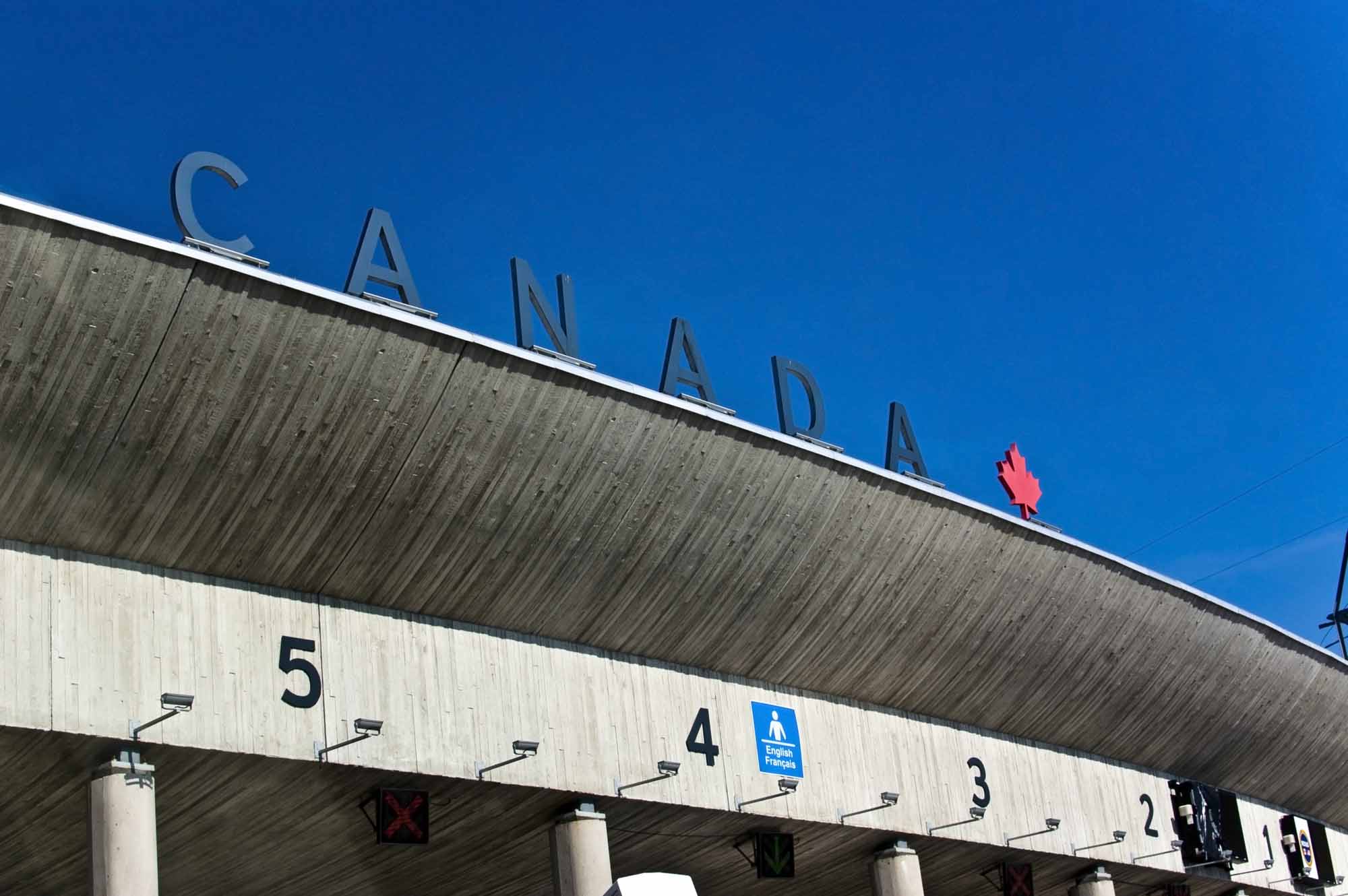
-
Article
Pornography
Historically, pornography has been understood to be descriptions, in literature or in art, of the life and manners of prostitutes and their patrons. This is consistent with the origins of the word in Greek, the word porne meaning "harlot" and grapho meaning "to write.
"https://thecanadianencyclopedia.ca/images/tce_placeholder.jpg?v=e9dca980c9bdb3aa11e832e7ea94f5d9" // resources/views/front/categories/view.blade.php
https://thecanadianencyclopedia.ca/images/tce_placeholder.jpg?v=e9dca980c9bdb3aa11e832e7ea94f5d9
-
Article
Portuguese Music in Canada
Although some Newfoundland place-names bear witness to early visits and Spanish-Portuguese traditions have survived in a Montreal synagogue, the Portuguese community in Canada did not begin to grow until 1953 when immigrants, largely from Madeira, were sponsored by the Canadian government as agricultural workers in Ontario.
"https://thecanadianencyclopedia.ca/images/tce_placeholder.jpg?v=e9dca980c9bdb3aa11e832e7ea94f5d9" // resources/views/front/categories/view.blade.php
https://thecanadianencyclopedia.ca/images/tce_placeholder.jpg?v=e9dca980c9bdb3aa11e832e7ea94f5d9
-
Article
Potlatch
The Potlatch (from the Chinook word Patshatl) is a ceremony integral to the governing structure, culture and spiritual traditions of various First Nations living on the Northwest Coast (including the Kwakwaka’wakw, Nuu-chah-nulth and Coast Salish) and the Dene living in parts of the interior western subarctic. While the practice and formality of the ceremony differed among First Nations, it was commonly held on the occasion of important social events, such as marriages, births and funerals. A great Potlatch might last for several days and would involve feasting, spirit dances, singing and theatrical demonstrations.
"https://d3d0lqu00lnqvz.cloudfront.net/media/media/2c58511b-8b7a-4b34-963b-edfb3bab4f0d.jpg" // resources/views/front/categories/view.blade.php
https://d3d0lqu00lnqvz.cloudfront.net/media/media/2c58511b-8b7a-4b34-963b-edfb3bab4f0d.jpg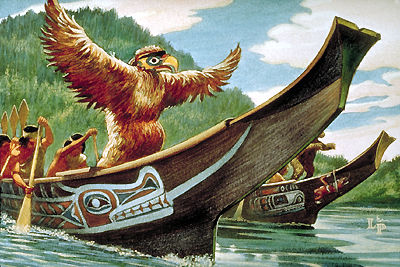
-
Article
Poverty
About nine per cent of Canadians live in poverty, although the percentage is generally higher among certain groups such as single mothers and Aboriginal people. Low-income Canadians include the "working poor" — those with jobs — and the "welfare poor" — those relying mainly on government assistance.
"https://d3d0lqu00lnqvz.cloudfront.net/media/media/bc62a9cc-7256-4500-818b-6f2cd7bab8e2.jpg" // resources/views/front/categories/view.blade.php
https://d3d0lqu00lnqvz.cloudfront.net/media/media/bc62a9cc-7256-4500-818b-6f2cd7bab8e2.jpg
-
Article
Powley Case
R. v. Powley was a legal case concerning Métis hunting rights in Canada. In 1993, the province of Ontario charged Steve and Roddy Powley with illegal hunting. The Powleys disputed their conviction, arguing that the Aboriginal rights enshrined in section 35 of the Constitution Act, 1982 protected their hunting rights as Métis people. The case concluded in 2003, when the Supreme Court of Canada ruled that the Powleys were, in fact, exercising lawful Métis hunting rights. The Powley case established criteria on who can legally qualify for Métis rights. It outlined 10 specific criteria, known as the Powley Test, which applies to Métis communities across Canada. The case also clarified that the Métis are a distinct people, separate from First Nations and Inuit peoples in Canada. Some legal experts believe the Powley case might lead to expanded Métis rights, including harvesting and fishing rights and possibly self-government.
"https://d3d0lqu00lnqvz.cloudfront.net/media/media/4de10db1-6b8b-45ef-a60a-55998c7afca0.jpg" // resources/views/front/categories/view.blade.php
https://d3d0lqu00lnqvz.cloudfront.net/media/media/4de10db1-6b8b-45ef-a60a-55998c7afca0.jpg
-
Article
Powwow Dances
Powwow dances are beautiful expressions of Indigenous spirituality, history and culture.
"https://d3d0lqu00lnqvz.cloudfront.net/media/media/2be60d63-a3cd-43f0-be85-0af738187639.jpg" // resources/views/front/categories/view.blade.php
https://d3d0lqu00lnqvz.cloudfront.net/media/media/2be60d63-a3cd-43f0-be85-0af738187639.jpg
-
Article
Powwow Music
Music is a central feature at powwows, as all powwow activities revolve around the beat of the drum and the sounds of the singers’ voices.
"https://d3d0lqu00lnqvz.cloudfront.net/media/media/da9de904-834e-4aca-b3c6-8333c48235a7.jpg" // resources/views/front/categories/view.blade.php
https://d3d0lqu00lnqvz.cloudfront.net/media/media/da9de904-834e-4aca-b3c6-8333c48235a7.jpg