
Browse "Places"
-
Article
Rothesay
Rothesay, NB, incorporated as a town in 1998, population 11 947 (2011c), 11 637 (2006c). It is situated on the eastern side of the Kennebecasis River, 22 km northeast of Saint John.
"https://thecanadianencyclopedia.ca/images/tce_placeholder.jpg?v=e9dca980c9bdb3aa11e832e7ea94f5d9" // resources/views/front/categories/view.blade.php
https://thecanadianencyclopedia.ca/images/tce_placeholder.jpg?v=e9dca980c9bdb3aa11e832e7ea94f5d9
-
Article
Rouge National Urban Park
Rouge National Urban Park is an ecologically protected zone in the Greater Toronto Area that encompasses much of the valleys of the Rouge River and Little Rouge Creek. A total of 79.1 km2 of land has been committed to the park, which straddles parts of the Ontario cities of Toronto, Markham, Pickering and the Township of Uxbridge. The historic area includes farmland, green space, wetlands and rivers alongside urban development, roads and highways. Established 15 May 2015 and managed by Parks Canada, Rouge is Canada’s first National Urban Park and the largest urban park in North America.
"https://d3d0lqu00lnqvz.cloudfront.net/media/media/89696c73-3105-407f-b3ce-ae56d9472b7d.jpg" // resources/views/front/categories/view.blade.php
https://d3d0lqu00lnqvz.cloudfront.net/media/media/89696c73-3105-407f-b3ce-ae56d9472b7d.jpg
-
Article
Rouyn-Noranda
Rouyn-Noranda, Quebec, incorporated as a city in 1986, population 42,313 (2021 census), 42,334 (2016 census). Rouyn-Noranda is the largest centre in the Abitibi-Témiscaming region and its administrative capital.
"https://d3d0lqu00lnqvz.cloudfront.net/Manege_militaire_de_Rouyn-Noranda.jpg" // resources/views/front/categories/view.blade.php
https://d3d0lqu00lnqvz.cloudfront.net/Manege_militaire_de_Rouyn-Noranda.jpg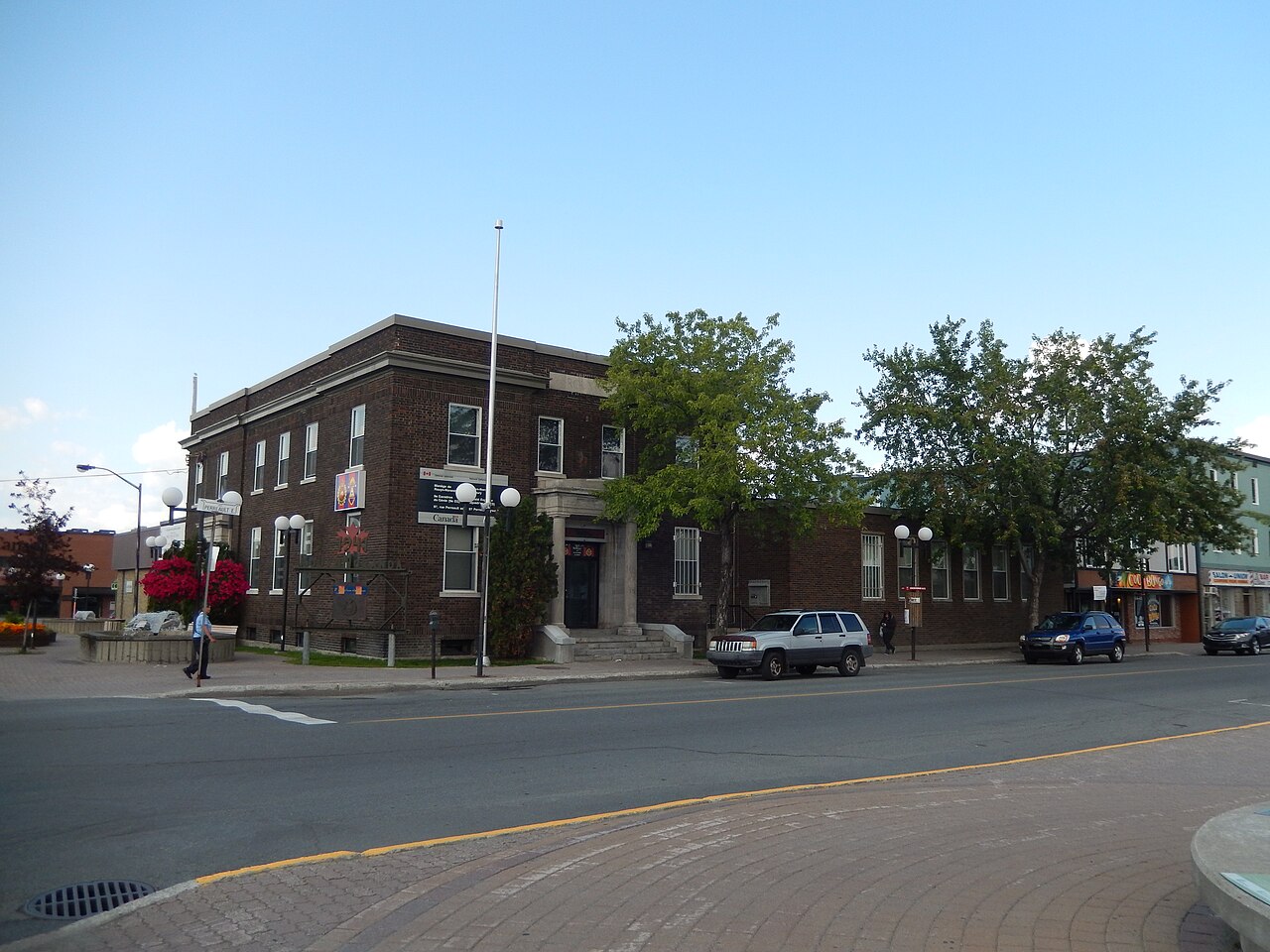
-
Article
Roy Thomson Hall
Roy Thomson Hall. 2,630-seat Toronto concert hall, located in the block bounded by King, Simcoe and Wellington streets. It is managed by The Corporation of Massey Hall and Roy Thomson Hall and is home to the Toronto Symphony Orchestra (TSO) and the Toronto Mendelssohn Choir.
"https://d3d0lqu00lnqvz.cloudfront.net/media/media/8e9bcc17-3197-41b1-96d0-453c9d467faf.jpg" // resources/views/front/categories/view.blade.php
https://d3d0lqu00lnqvz.cloudfront.net/media/media/8e9bcc17-3197-41b1-96d0-453c9d467faf.jpg
-
Article
Royal Alexandra Theatre
The Royal Alexandra Theatre, Toronto, completed in 1907 at a cost of $750 000, is one of the few surviving large professional theatres found in numerous Canadian cities at the turn of the century. It was designed by John LYLE in 1906 for a group of prominent businessmen headed by Cawthra Mulock.
"https://d3d0lqu00lnqvz.cloudfront.net/media/media/8ddeac60-9acc-43d7-beb8-c269849589d2.jpg" // resources/views/front/categories/view.blade.php
https://d3d0lqu00lnqvz.cloudfront.net/media/media/8ddeac60-9acc-43d7-beb8-c269849589d2.jpg
-
Article
Royal Alexandra Theatre
The 'Royal Alex,' as it is known affectionately, was designed by John Lyle who, using New York's New Amsterdam Theater as a model, incorporated novel features such as air conditioning which required tons of ice and.9 m-thick concrete floors which made it Canada's first fireproof theatre.
"https://d3d0lqu00lnqvz.cloudfront.net/media/media/8ddeac60-9acc-43d7-beb8-c269849589d2.jpg" // resources/views/front/categories/view.blade.php
https://d3d0lqu00lnqvz.cloudfront.net/media/media/8ddeac60-9acc-43d7-beb8-c269849589d2.jpg
-
Article
Royal Ontario Museum
The Royal Ontario Museum owes its existence in large part to the vision of two remarkable men. The first, Charles Trick Currelly (1876-1957), was born at Exeter Ontario and originally trained as a Methodist minister at the University of Toronto.
"https://d3d0lqu00lnqvz.cloudfront.net/media/media/22f481c2-e932-42e6-9f3b-72abf89dbd59.jpg" // resources/views/front/categories/view.blade.php
https://d3d0lqu00lnqvz.cloudfront.net/media/media/22f481c2-e932-42e6-9f3b-72abf89dbd59.jpg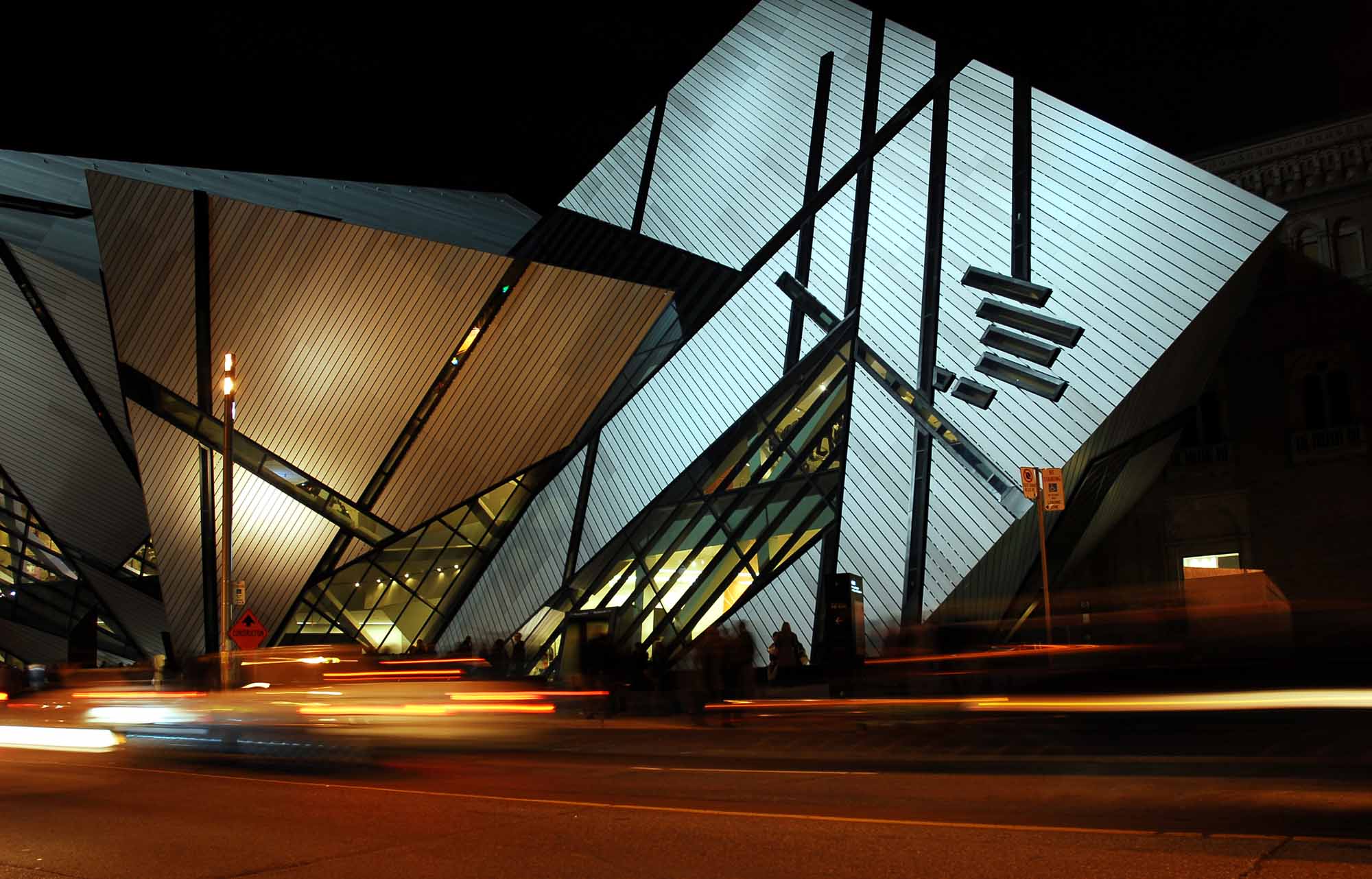
-
Article
Royal Tyrrell Museum of Palaeontology
Royal Tyrrell Museum of Paleontology, located in the badlands along the Red Deer River near Drumheller, Alberta, is Canada's only museum dedicated solely to the study and display of prehistoric life. It is named after surveyor and explorer Joseph Burr Tyrrell, who discovered dinosaur remains near the present museum site in 1884. The provincially funded facility had a capital cost of $30 million. It opened to the public on 25 Sept 1985, and was bestowed the title Royal by Queen Elizabeth II on 28 June 1990.
"https://d3d0lqu00lnqvz.cloudfront.net/media/media/90731615-e081-4d7d-9d8f-41eb73ff9cd9.jpg" // resources/views/front/categories/view.blade.php
https://d3d0lqu00lnqvz.cloudfront.net/media/media/90731615-e081-4d7d-9d8f-41eb73ff9cd9.jpg
-
Article
Runnymede Library
The design for the Runnymede Library on Bloor Street West at Glendonwynne Road in Toronto was created in 1929 by architect John Lyle during a very fertile Canadian-style period, and is one of his most enduring works. The building combines styles and architectural elements inspired by Canadian and Northwest Coast Indigenous culture, forms, materials and details.
"https://d3d0lqu00lnqvz.cloudfront.net/media/media/c4957e6e-5478-4fb3-ab45-74ace4bfce45.jpg" // resources/views/front/categories/view.blade.php
https://d3d0lqu00lnqvz.cloudfront.net/media/media/c4957e6e-5478-4fb3-ab45-74ace4bfce45.jpg
-
Article
Rupert's Land
Rupert’s Land was a vast territory of northern wilderness. It represented a third of what is now Canada. From 1670 to 1870, it was the exclusive commercial domain of the Hudson’s Bay Company(HBC) and the primary trapping grounds of the fur trade. The territory was named after Prince Rupert, the HBC’s first governor. Three years after Confederation, the Government of Canada acquired Rupert’s Land from the HBC for CAD$1.5-million (£300,000). It is the largest real estate transaction (by land area) in the country’s history. The purchase of Rupert’s Land transformed Canada geographically. It changed from a modest country in the northeast of the continent into an expansive one that reached across North America. Rupert’s Land was eventually divided among Quebec, Ontario, Manitoba, Saskatchewan, Alberta and the Northwest Territories. (This is the full-length entry about Rupert’s Land. For a plain language summary, please see Rupert’s Land (Plain-Language Summary).)
"https://d3d0lqu00lnqvz.cloudfront.net/PrinceRupert/hudson_bay_ruperts_land.jpg" // resources/views/front/categories/view.blade.php
https://d3d0lqu00lnqvz.cloudfront.net/PrinceRupert/hudson_bay_ruperts_land.jpg
-
Article
Russell (Man)
Russell, Manitoba, incorporated as a village in 1907 and as a town in 1913, population 1669 (2011c), 1590 (2006c). The Town of Russell is an agricultural service centre 350 km northwest of Winnipeg near the Manitoba-Saskatchewan border.
"https://thecanadianencyclopedia.ca/images/tce_placeholder.jpg?v=e9dca980c9bdb3aa11e832e7ea94f5d9" // resources/views/front/categories/view.blade.php
https://thecanadianencyclopedia.ca/images/tce_placeholder.jpg?v=e9dca980c9bdb3aa11e832e7ea94f5d9
-
Article
Russell (Ont)
Russell, Ontario, incorporated as a township in 1854, population 16,520 (2016 census), 15,247 (2011 census). The Township of Russell is located 33 km southeast of Ottawa. It was named after Peter Russell, an official in the government of Upper Canada.
"https://thecanadianencyclopedia.ca/images/tce_placeholder.jpg?v=e9dca980c9bdb3aa11e832e7ea94f5d9" // resources/views/front/categories/view.blade.php
https://thecanadianencyclopedia.ca/images/tce_placeholder.jpg?v=e9dca980c9bdb3aa11e832e7ea94f5d9
-
Article
Russell Theatre
Located at the corner of Queen and Elgin streets in Ottawa, the Russell Theatre opened on 15 October 1897.
"https://thecanadianencyclopedia.ca/images/tce_placeholder.jpg?v=e9dca980c9bdb3aa11e832e7ea94f5d9" // resources/views/front/categories/view.blade.php
https://thecanadianencyclopedia.ca/images/tce_placeholder.jpg?v=e9dca980c9bdb3aa11e832e7ea94f5d9
-
Article
Rutherford House
Rutherford House is an elegant Edwardian house built in 1909 for Alexander Cameron RUTHERFORD, the first premier of Alberta and chancellor of the UNIVERSITY OF ALBERTA (1927-41).
"https://thecanadianencyclopedia.ca/images/tce_placeholder.jpg?v=e9dca980c9bdb3aa11e832e7ea94f5d9" // resources/views/front/categories/view.blade.php
https://thecanadianencyclopedia.ca/images/tce_placeholder.jpg?v=e9dca980c9bdb3aa11e832e7ea94f5d9
-
Article
Saanich
Saanich, BC, incorporated as a district municipality in 1906, population 109 752 (2011c), 108 265 (2006c). The District of Saanich is located immediately northwest of the city of VICTORIA, and is an integral part of the Greater Victoria area.
"https://d3d0lqu00lnqvz.cloudfront.net/media/media/8eb263da-d26b-4197-b26c-936471f19fe6.jpg" // resources/views/front/categories/view.blade.php
https://d3d0lqu00lnqvz.cloudfront.net/media/media/8eb263da-d26b-4197-b26c-936471f19fe6.jpg