
Browse "Cities & Populated Places"
-
Article
Queens
Queens, NS, incorporated as a regional municipality in 1996, population 10 917 (2011c), 11 177 (2006c). The Region of Queens Municipality is located approximately 150 km southwest of Halifax.
"https://d3d0lqu00lnqvz.cloudfront.net/media/media/22724662-cbf7-461d-9649-5a5c6a3a3b7f.jpg" // resources/views/front/categories/view.blade.php
https://d3d0lqu00lnqvz.cloudfront.net/media/media/22724662-cbf7-461d-9649-5a5c6a3a3b7f.jpg
-
Article
Quinte West
Long occupied by Indigenous peoples, at the time of first European contact, the Mississauga (Ojibwa) occupied the region.
"https://d3d0lqu00lnqvz.cloudfront.net/media/media/ee432d3b-83bf-4fa4-acd0-c86635530374.jpg" // resources/views/front/categories/view.blade.php
https://d3d0lqu00lnqvz.cloudfront.net/media/media/ee432d3b-83bf-4fa4-acd0-c86635530374.jpg
-
Article
Quispamsis
Quispamsis, NB, incorporated as a town in 1998, population 17 886 (2011c), 15 239 (2006c). The Town of Quispamsis is located 22 km northeast of SAINT JOHN along the Kennebecasis River.
"https://thecanadianencyclopedia.ca/images/tce_placeholder.jpg?v=e9dca980c9bdb3aa11e832e7ea94f5d9" // resources/views/front/categories/view.blade.php
https://thecanadianencyclopedia.ca/images/tce_placeholder.jpg?v=e9dca980c9bdb3aa11e832e7ea94f5d9
-
Article
Raymond
Raymond, Alberta, incorporated as a town in 1903, population 3,708 (2016 census), 3,743 (2011 census). The town of Raymond is located in southern Alberta, approximately 35 km south of Lethbridge. In the early 1900s the area was settled by Mormons and Japanese labourers (see also Japanese Canadians). The Raymond Stampede, Canada’s first rodeo, has been held in the town since 1902.
"https://d3d0lqu00lnqvz.cloudfront.net/media/media/073c1dc8-391d-4239-808d-814a185846c0.jpg" // resources/views/front/categories/view.blade.php
https://d3d0lqu00lnqvz.cloudfront.net/media/media/073c1dc8-391d-4239-808d-814a185846c0.jpg
-
Article
Rebellion in Lower Canada (The Patriots' War)
In 1837 and 1838, French Canadian militants in Lower Canada took up arms against the British Crown in a pair of insurrections. The twin rebellions killed more than 300 people. They followed years of tensions between the colony’s anglophone minority and the growing, nationalistic aspirations of its francophone majority. The rebels failed in their campaign against British rule. However, their revolt led to political reform, including the unified Province of Canada and the introduction of responsible government. The rebellion in Lower Canada, which is also known as the Patriots' War (la Guerre des patriotes), also gave French Canadians one of their first nationalist heroes in Louis-Joseph Papineau.
"https://d3d0lqu00lnqvz.cloudfront.net/media/media/37aadc48-3f88-4946-a9aa-0d2ad30495cd.jpg" // resources/views/front/categories/view.blade.php
https://d3d0lqu00lnqvz.cloudfront.net/media/media/37aadc48-3f88-4946-a9aa-0d2ad30495cd.jpg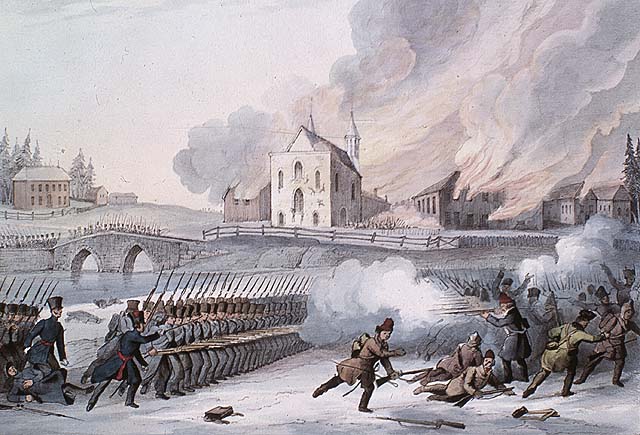
-
Article
Red Deer
Red Deer, Alberta, incorporated as a city in 1913, population 100,844 (2021 census), 100,418 (2016 census). The city of Red Deer is located on the Red Deer River, 150 km south of Edmonton. The Cree applied the name “Elk” to the river, but Scottish fur traders appear to have confused elk with the red deer of their homeland.
"https://thecanadianencyclopedia.ca/images/tce_placeholder.jpg?v=e9dca980c9bdb3aa11e832e7ea94f5d9" // resources/views/front/categories/view.blade.php
https://thecanadianencyclopedia.ca/images/tce_placeholder.jpg?v=e9dca980c9bdb3aa11e832e7ea94f5d9
-
Article
Red River Resistance
The Red River Resistance (also known as the Red River Rebellion) was an uprising in 1869–70 in the Red River Colony. The resistance was sparked by the transfer of the vast territory of Rupert’s Land to the new Dominion of Canada. The colony of farmers and hunters, many of them Métis, occupied a corner of Rupert’s Land and feared for their culture and land rights under Canadian control. The Métis mounted a resistance and declared a provisional government to negotiate terms for entering Confederation. The uprising led to the creation of the province of Manitoba, and the emergence of Métis leader Louis Riel — a hero to his people and many in Quebec, but an outlaw in the eyes of the Canadian government.
"https://d3d0lqu00lnqvz.cloudfront.net/media/media/f0a1f84f-c420-4038-8815-42587e295b75.jpg" // resources/views/front/categories/view.blade.php
https://d3d0lqu00lnqvz.cloudfront.net/media/media/f0a1f84f-c420-4038-8815-42587e295b75.jpg
-
Article
Redcliff
Redcliff, Alta, incorporated as a town in 1912, population 5588 (2011c), 5116 (2006c). The Town of Redcliff is located adjacent to MEDICINE HAT and named for the outcroppings of red shale occurring along the banks of the nearby South Saskatchewan River.
"https://thecanadianencyclopedia.ca/images/tce_placeholder.jpg?v=e9dca980c9bdb3aa11e832e7ea94f5d9" // resources/views/front/categories/view.blade.php
https://thecanadianencyclopedia.ca/images/tce_placeholder.jpg?v=e9dca980c9bdb3aa11e832e7ea94f5d9
-
Article
Redwater
Redwater, Alberta, incorporated as a town in 1950, population 1915 (2011c), 2202 (2006c). The Town of Redwater is located 55 km northeast of Edmonton. The town takes its name from the Redwater River.
"https://d3d0lqu00lnqvz.cloudfront.net/media/media/4b45247f-6c8f-453c-a6fa-06eb8ef9ec7c.jpg" // resources/views/front/categories/view.blade.php
https://d3d0lqu00lnqvz.cloudfront.net/media/media/4b45247f-6c8f-453c-a6fa-06eb8ef9ec7c.jpg
-
Article
Reform Movement in Upper Canada
After the War of 1812, Upper Canada began to develop rapidly. This resulted in social and economic tensions and political issues. These included the expulsion of Robert Gourlay, the Alien Question, the Anglican monopoly of the Clergy Reserves and education, and Tory control of patronage.
"https://d3d0lqu00lnqvz.cloudfront.net/media/media/9e9e3848-d959-4713-9a6f-8747181ebc24.jpg" // resources/views/front/categories/view.blade.php
https://d3d0lqu00lnqvz.cloudfront.net/media/media/9e9e3848-d959-4713-9a6f-8747181ebc24.jpg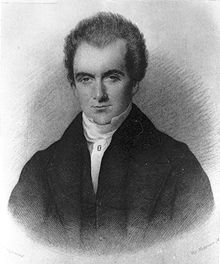
-
Article
Regina
Regina, Saskatchewan, founded in 1882, incorporated as a city in 1903, population 226,404 (2021 census), 215,106 (2016 census). The City of Regina is the capital, commercial and financial centre of Saskatchewan. Regina is situated 160 km north of the United States border. The city is set in a wide, level alluvial plain. It was named for Queen Victoria, mother-in-law of the Marquess of Lorne, governor general at the time of the city’s founding.
"https://d3d0lqu00lnqvz.cloudfront.net/media/media/28886a39-49ac-49a7-b464-aeefa4a2b4cc.jpg" // resources/views/front/categories/view.blade.php
https://d3d0lqu00lnqvz.cloudfront.net/media/media/28886a39-49ac-49a7-b464-aeefa4a2b4cc.jpg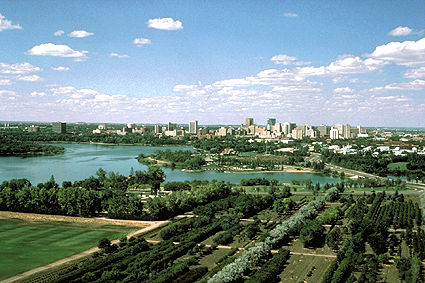
-
Article
Naujaat
Naujaat, Nunavut, incorporated as a hamlet in 1978, population 1,225 (2021 census), 1,082 (2016 census). The hamlet of Naujaat is located on the north shore of Repulse Bay, which is on the south shore of the Rae Isthmus. For a period of time, Naujaat was known as Repulse Bay.
"https://thecanadianencyclopedia.ca/images/tce_placeholder.jpg?v=e9dca980c9bdb3aa11e832e7ea94f5d9" // resources/views/front/categories/view.blade.php
https://thecanadianencyclopedia.ca/images/tce_placeholder.jpg?v=e9dca980c9bdb3aa11e832e7ea94f5d9
-
Article
Reserves in British Columbia
As of 2019, there were 1,583 reserves in British Columbia associated with 203 Indigenous Nations (see also First Nations in British Columbia). Unlike many other parts the country, where reserves resulted from treaties made between the federal government and Indigenous Nations, most reserves in BC were created without such negotiations. Only two general locations in BC are covered by historic treaties: parts of Vancouver Island are covered by the Douglas Treaties, and the northeast corner of the province by Treaty 8. In BC as with other parts of the country, reserves are bound by the terms of the Indian Act. However, given the number of Indigenous Nations without a treaty in BC, the province has implemented a modern treaty negotiation process. Several BC Indigenous communities have used this process or other means to negotiate self-governing agreements. These agreements place decision-making authority over land management in the hands of Indigenous governments.
"https://d3d0lqu00lnqvz.cloudfront.net/ReservesInBC/TribalCanoeJourney.jpg" // resources/views/front/categories/view.blade.php
https://d3d0lqu00lnqvz.cloudfront.net/ReservesInBC/TribalCanoeJourney.jpg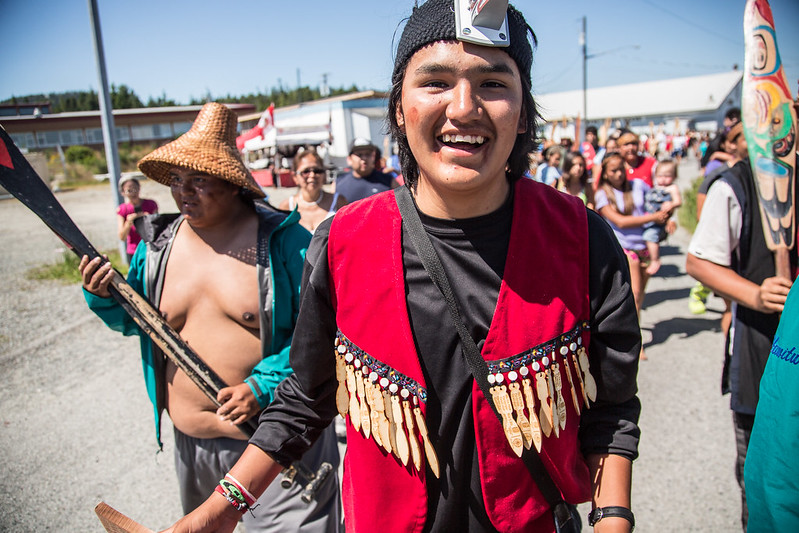
-
Article
Reserves in Canada (Plain-Language Summary)
A reserve is land set aside by the Canadian government for use by First Nations. Reserves are managed under the Indian Act. Reserves are places where First Nations often live. However, some reserves are only for practices like hunting. Not all First Nations have reserve lands. There are reserves in every province in Canada, but most are in rural or remote areas. Few reserves have been established in the territories. (This is a plain-language summary of Reserves in Canada. If you are interested in reading about this topic in more depth, please see our full-length entry, Reserves in Canada.)
"https://d3d0lqu00lnqvz.cloudfront.net/media/media/98f21d5f-b51e-4f33-8760-a876daffe0cd.jpg" // resources/views/front/categories/view.blade.php
https://d3d0lqu00lnqvz.cloudfront.net/media/media/98f21d5f-b51e-4f33-8760-a876daffe0cd.jpg
-
Article
Reserves in New Brunswick
There are 31 reserves in New Brunswick held by 15 First Nations (see alsoFirst Nations in New Brunswick). These First Nations belong to one of two larger cultural groups, namely the Mi’kmaq or Wolastoqiyik (Maliseet), who are, in turn, part of the Wabanaki Confederacy. Reserve names and boundaries have changed through time and some reserves either no longer exist or are not recognized by the provincial government. As of 2021, there were 16,985 Registered Indians in New Brunswick, about 59 per cent of whom lived on reserves.
"https://d3d0lqu00lnqvz.cloudfront.net/ReservesinNB/PotatoPickers.jpg" // resources/views/front/categories/view.blade.php
https://d3d0lqu00lnqvz.cloudfront.net/ReservesinNB/PotatoPickers.jpg