Share on Facebook
 Share on X
 Share by Email
 Share on Google Classroom
Eagles are large birds of prey in the family Accipitridae with exceptionally keen vision, long, powerful wings, a hooked bill and strong feet with sharp curved talons. Eagles are fierce predators, spotting their animal prey as they soar or from their perches, and then swooping to kill. Two species of eagles can be found in Canada: the bald and golden eagles.
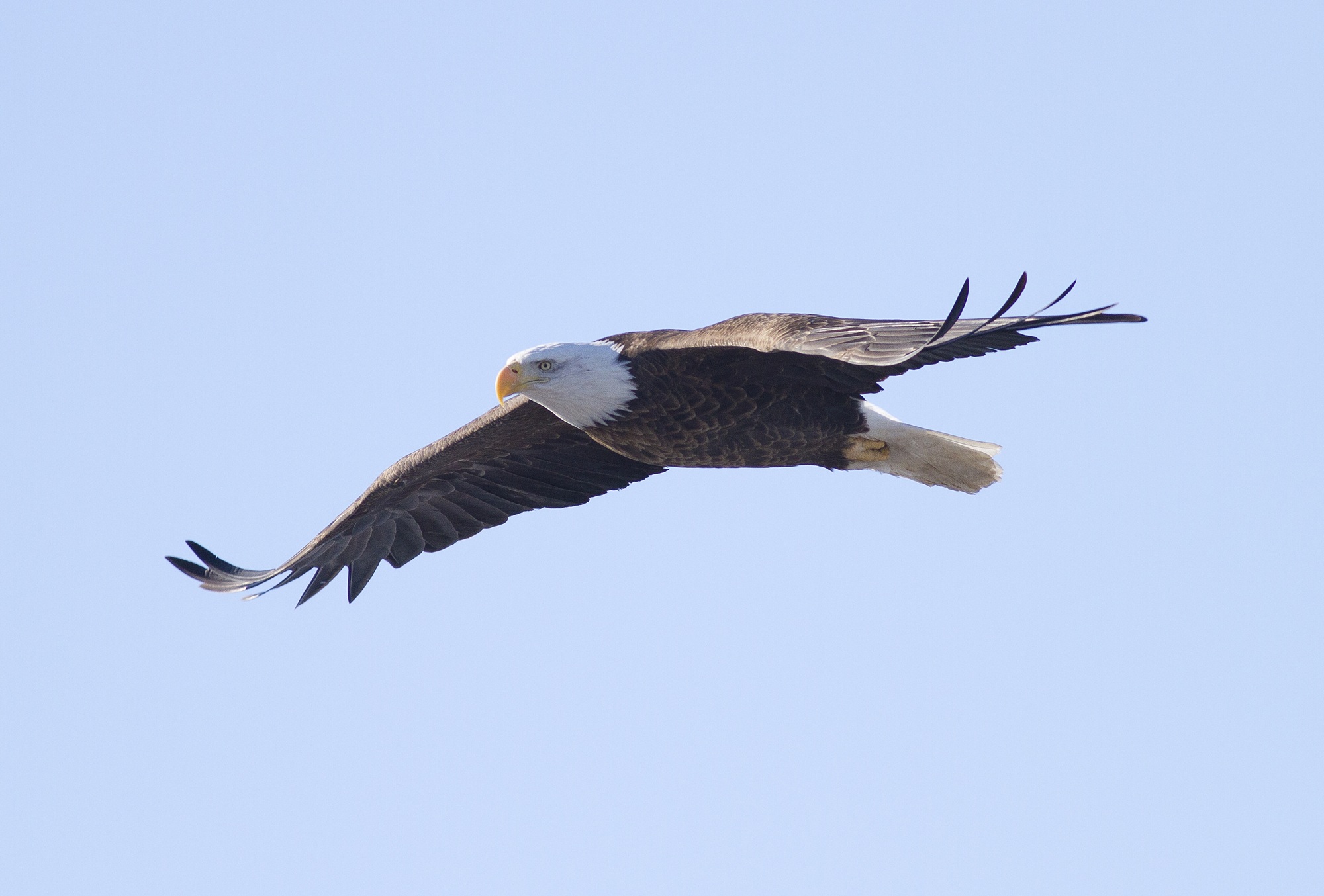
Eagle Diversity
The more than 50 species of eagles are found on all continents and are divided into four major groups: the mainly tropical snake eagles and harpy eagles, not found in Canada; fish eagles, represented in Canada by the bald eagle (Haliaeetus leucocephalus); and true eagles (subfamily Aquilinae), including the golden eagle (Aquila chrysaetos), which breeds in mountainous regions of Canada, except on the arctic islands.
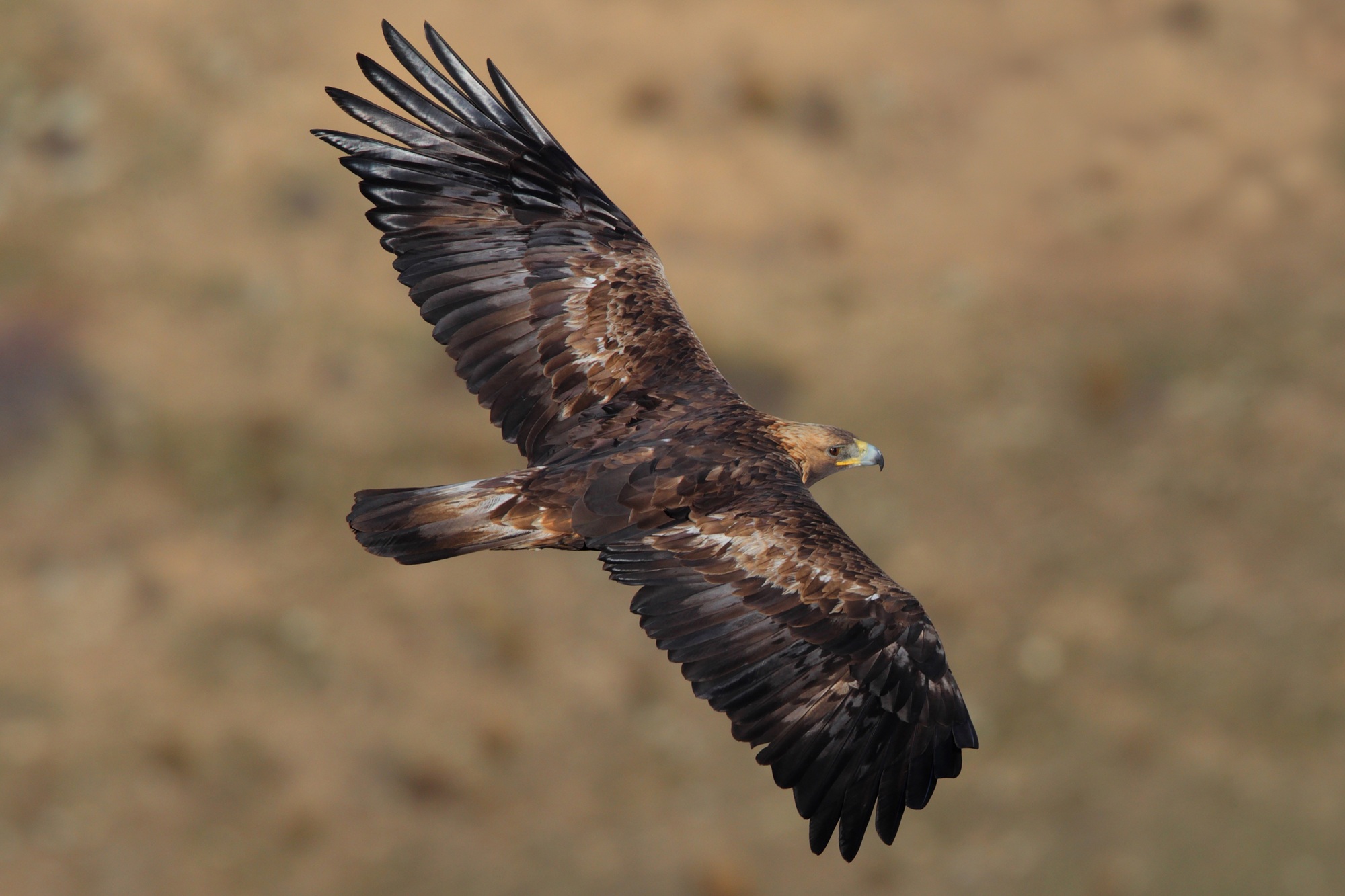
Canadian Eagle Species
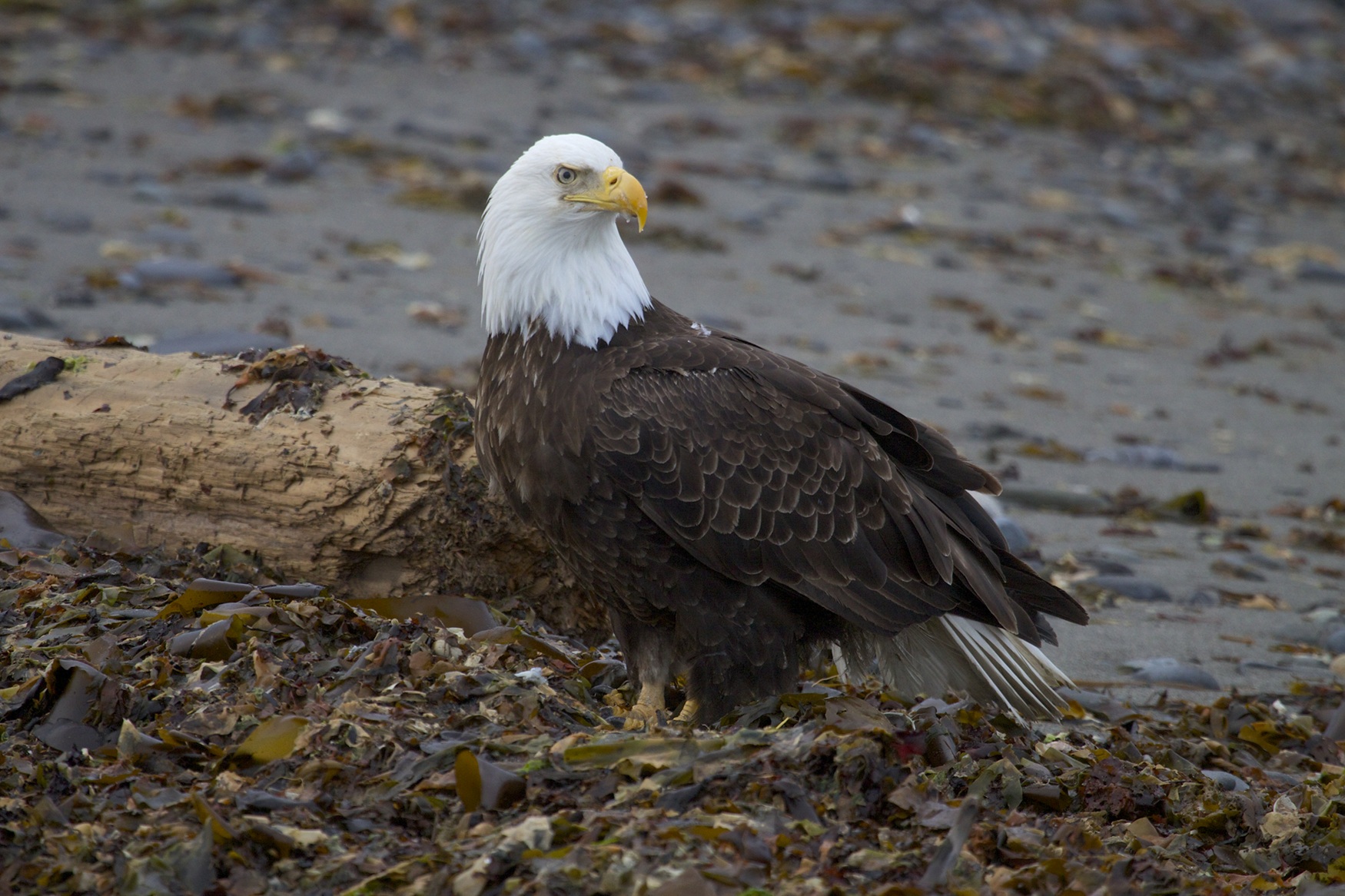
Bald and golden eagles are immediately recognizable by their large size and 1.8 m wingspan. As adults, the two are easily distinguished: the bald eagle has a white head (not truly bald) and tail, contrasting with the solid brown of the golden eagle, and the golden eagle has legs feathered to the talons.
|
Common Name |
Scientific Name |
Provinces/Territories |
|
Bald eagle |
Haliaeetus leucocephalus |
All |
|
Golden eagle |
Aquila chrysaetos |
All |
Nesting and Reproduction
Bald and golden eagles nest in treetops or cliff ledges. Nests are made of sticks lined with grasses, weeds, etc. Because nests can be used for years, they can become enormous. Usually, two eggs are laid (range 1–3). Golden eagles incubate eggs for 43 days; bald eagles, 35 days. Young are down-covered and remain helpless in the nest for 50–100 days.
Cultural Significance
The feathers of an eagle are of great symbolic value to several Indigenous cultures of the Plains, signifying bravery or holding the power of spirits.