Browse "Things"
-
Article
Plover
Plover is the common name for a family (Charadriidae) of shorebirds with 2 subfamilies: Charadriinae, including true plovers; and Vanellinae, including lapwings.
"https://d3d0lqu00lnqvz.cloudfront.net/media/media/54ed14de-ebc8-46ba-80f7-c4f5bbef4130.jpg" // resources/views/front/categories/view.blade.php
https://d3d0lqu00lnqvz.cloudfront.net/media/media/54ed14de-ebc8-46ba-80f7-c4f5bbef4130.jpg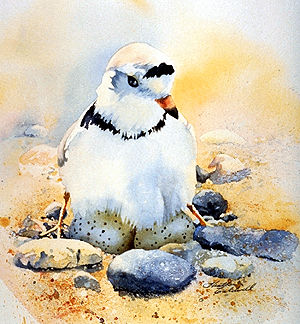
-
Article
Plum
Plum is a common name for certain members of genus Prunus of the rose family, which produce a smooth-skinned, elliptical, heart-shaped, oblong, ovate or round fruit with a flat seed. About 18 plum species are horticulturally important, including the European plum (P. domestica), which probably originated in the Caspian Sea area; Japanese plum (P. salicina), of Chinese origin; cherry plum (P. ceracifera), native to southeast Europe or southwest Asia; and P. nigra and P. americana, of Canadian and American origin respectively.
"https://d3d0lqu00lnqvz.cloudfront.net/media/media/a7b2bcfe-316e-4c50-b69e-69d4fc395472.jpg" // resources/views/front/categories/view.blade.php
https://d3d0lqu00lnqvz.cloudfront.net/media/media/a7b2bcfe-316e-4c50-b69e-69d4fc395472.jpg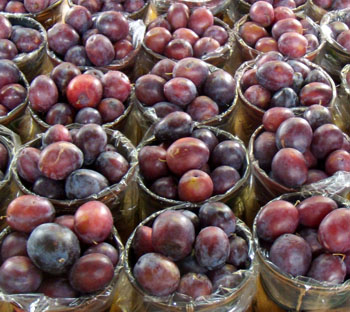
-
Macleans
PM and Delegates Revisit Asia
If omens mean anything, the members of Prime Minister Jean CHRÉTIEN's new version of Team Canada may have some cause for concern.This article was originally published in Maclean's Magazine on January 20, 1997
"https://thecanadianencyclopedia.ca/images/tce_placeholder.jpg?v=e9dca980c9bdb3aa11e832e7ea94f5d9" // resources/views/front/categories/view.blade.php
https://thecanadianencyclopedia.ca/images/tce_placeholder.jpg?v=e9dca980c9bdb3aa11e832e7ea94f5d9
-
Article
Pocket Gophers in Canada
Pocket gophers (Geomyidae) are a family of medium-sized, solitary, nonhibernating, subterranean rodents. About 31 species occur in North and Central America, and two in Canada. The northern pocket gopher (Thomomys talpoides) lives in southern Manitoba, Saskatchewan and Alberta, and in south-central BC. The larger plains pocket gopher (Geomys bursarius) barely extends into Canada via the Red River Valley, Manitoba.
"https://d3d0lqu00lnqvz.cloudfront.net/pocketgopher/Thomomys_talpoides_22641948.jpg" // resources/views/front/categories/view.blade.php
https://d3d0lqu00lnqvz.cloudfront.net/pocketgopher/Thomomys_talpoides_22641948.jpg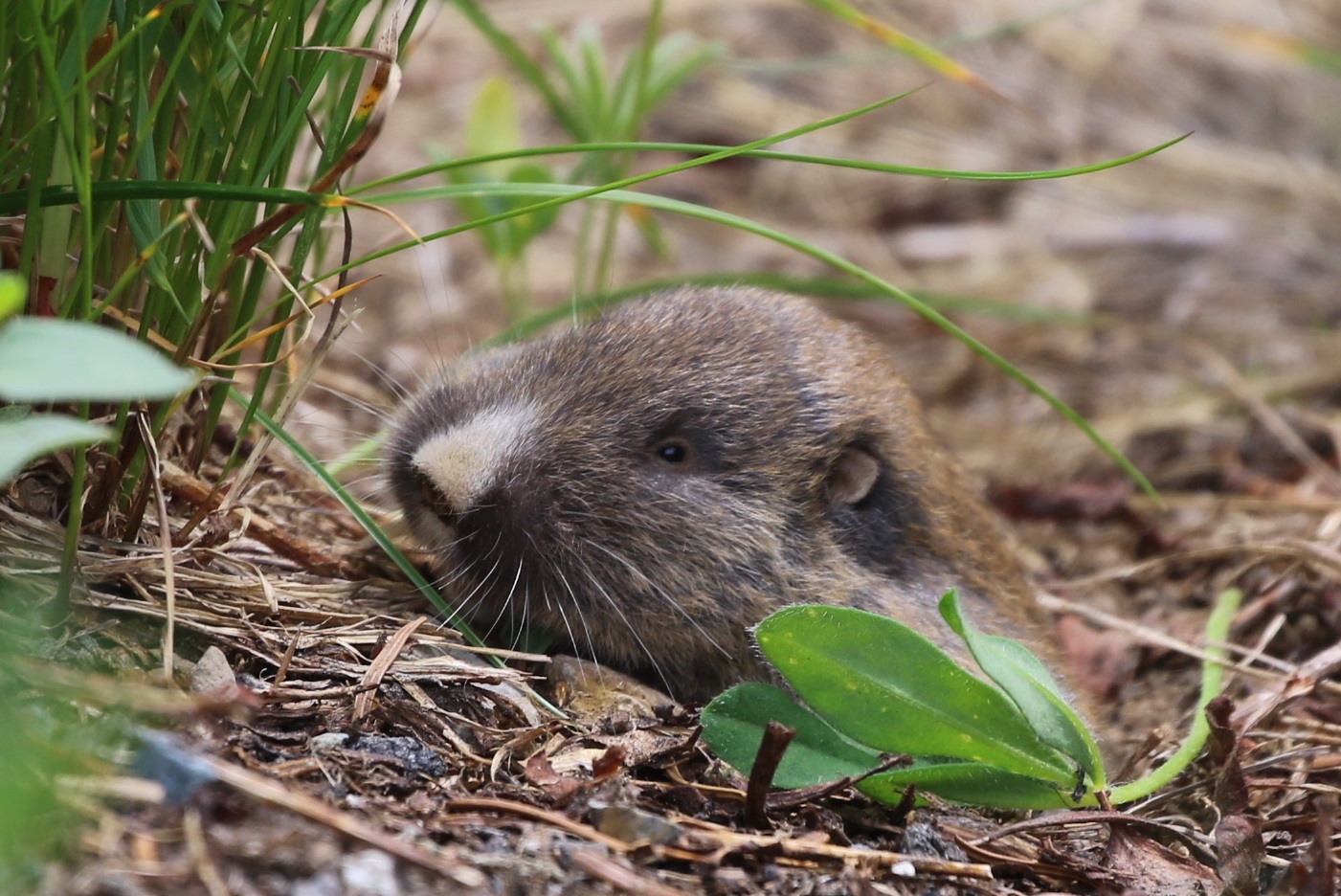
-
Article
Pocket Mouse
The pocket mouse is a small, jumping rodent of the North American family Heteromyidae. The 75 species of Heteromyidae are adapted to desert and semidesert environments. Three live in Canada: olive-backed and Great Basin pocket mice (Perognathus fasciatus, P. parvus respectively) and Ord's kangaroo rat. They occur in the dry western plains and the basin between the Rocky Mountains and the BC coastal range.
"https://d3d0lqu00lnqvz.cloudfront.net/media/media/bb3cae34-7af8-4118-acfb-e7bdd5f3128f.jpg" // resources/views/front/categories/view.blade.php
https://d3d0lqu00lnqvz.cloudfront.net/media/media/bb3cae34-7af8-4118-acfb-e7bdd5f3128f.jpg
-
Macleans
POGs Appeal
After boy scout meetings in Calgary, 13-year-old Johnny Seipel and 12-year-old Kristopher Pataky play their latest favorite game in a corner of the coatroom, in among the racks of snowsuits, scarves and winter mitts.This article was originally published in Maclean's Magazine on February 27, 1995
"https://thecanadianencyclopedia.ca/images/tce_placeholder.jpg?v=e9dca980c9bdb3aa11e832e7ea94f5d9" // resources/views/front/categories/view.blade.php
https://thecanadianencyclopedia.ca/images/tce_placeholder.jpg?v=e9dca980c9bdb3aa11e832e7ea94f5d9
-
Article
Point Amour Lighthouse
In 1858 the Point Amour Lighthouse was built to help sailors through the dangerous waters of the Strait of Belle Isle between Labrador and Newfoundland.
"https://thecanadianencyclopedia.ca/images/tce_placeholder.jpg?v=e9dca980c9bdb3aa11e832e7ea94f5d9" // resources/views/front/categories/view.blade.php
https://thecanadianencyclopedia.ca/images/tce_placeholder.jpg?v=e9dca980c9bdb3aa11e832e7ea94f5d9
-
Article
Pointe-du-Buisson Archaeological Sites
Pointe-du-Buisson is a small point of land (21 ha) extending into the waters of Lake St Louis (a widening of the St-Lawrence River) at the convergence of the Ottawa River.
"https://d3d0lqu00lnqvz.cloudfront.net/media/media/b8bf0f8e-3c7a-4b11-9fa4-efe4e14a1650.jpg" // resources/views/front/categories/view.blade.php
https://d3d0lqu00lnqvz.cloudfront.net/media/media/b8bf0f8e-3c7a-4b11-9fa4-efe4e14a1650.jpg
-
Article
Poison Ivy
Poison ivy is the common name collectively referring to a small genus (Toxicodendron) of woody perennial plants of the cashew family (Anacardiaceae). Poison ivy is closely related to and sometimes classified with the Sumacs in the genus Rhus.
"https://thecanadianencyclopedia.ca/images/tce_placeholder.jpg?v=e9dca980c9bdb3aa11e832e7ea94f5d9" // resources/views/front/categories/view.blade.php
https://thecanadianencyclopedia.ca/images/tce_placeholder.jpg?v=e9dca980c9bdb3aa11e832e7ea94f5d9
-
Article
Poisonous Plants
Most major groups of plants contain species that can produce toxic reactions in humans and other animals, ranging from mild discomfort to organ damage, and even death. Such poisons may be assimilated by being eaten, inhaled or absorbed through the skin. Some plants that are not poisonous can also be dangerous, including those with sharp parts (e.g., thorns, prickles, spines) that may cause physical damage followed by infection.
"https://d3d0lqu00lnqvz.cloudfront.net/media/media/3118a894-b3ac-4aea-92be-4e8966b78166.jpg" // resources/views/front/categories/view.blade.php
https://d3d0lqu00lnqvz.cloudfront.net/media/media/3118a894-b3ac-4aea-92be-4e8966b78166.jpg
-
Article
Polish Music in Canada
The first Polish settlement in Canada was established by Kashubian peasants in the early 1860s in Renfrew County, south of Pembroke, Ont. In 1875 a Polish parish was organized and a church built at the place which became the village of Wilno in the 1880s.
"https://thecanadianencyclopedia.ca/images/tce_placeholder.jpg?v=e9dca980c9bdb3aa11e832e7ea94f5d9" // resources/views/front/categories/view.blade.php
https://thecanadianencyclopedia.ca/images/tce_placeholder.jpg?v=e9dca980c9bdb3aa11e832e7ea94f5d9
-
Article
Polar Bear
The polar bear (Ursus maritimus) is the largest living species of bear. They are found throughout the circumpolar Arctic. In Canada, this means polar bears live in parts of the Yukon, the Northwest Territories, Nunavut, Manitoba, Ontario, Quebec and Newfoundland and Labrador. Polar bears are both culturally and economically significant to the Inuit. As climate change continues to reduce their sea ice habitat, polar bears are increasingly threatened.
"https://d3d0lqu00lnqvz.cloudfront.net/media/media/7567797a-10ef-4939-9b3f-818ad7f357fa.jpg" // resources/views/front/categories/view.blade.php
https://d3d0lqu00lnqvz.cloudfront.net/media/media/7567797a-10ef-4939-9b3f-818ad7f357fa.jpg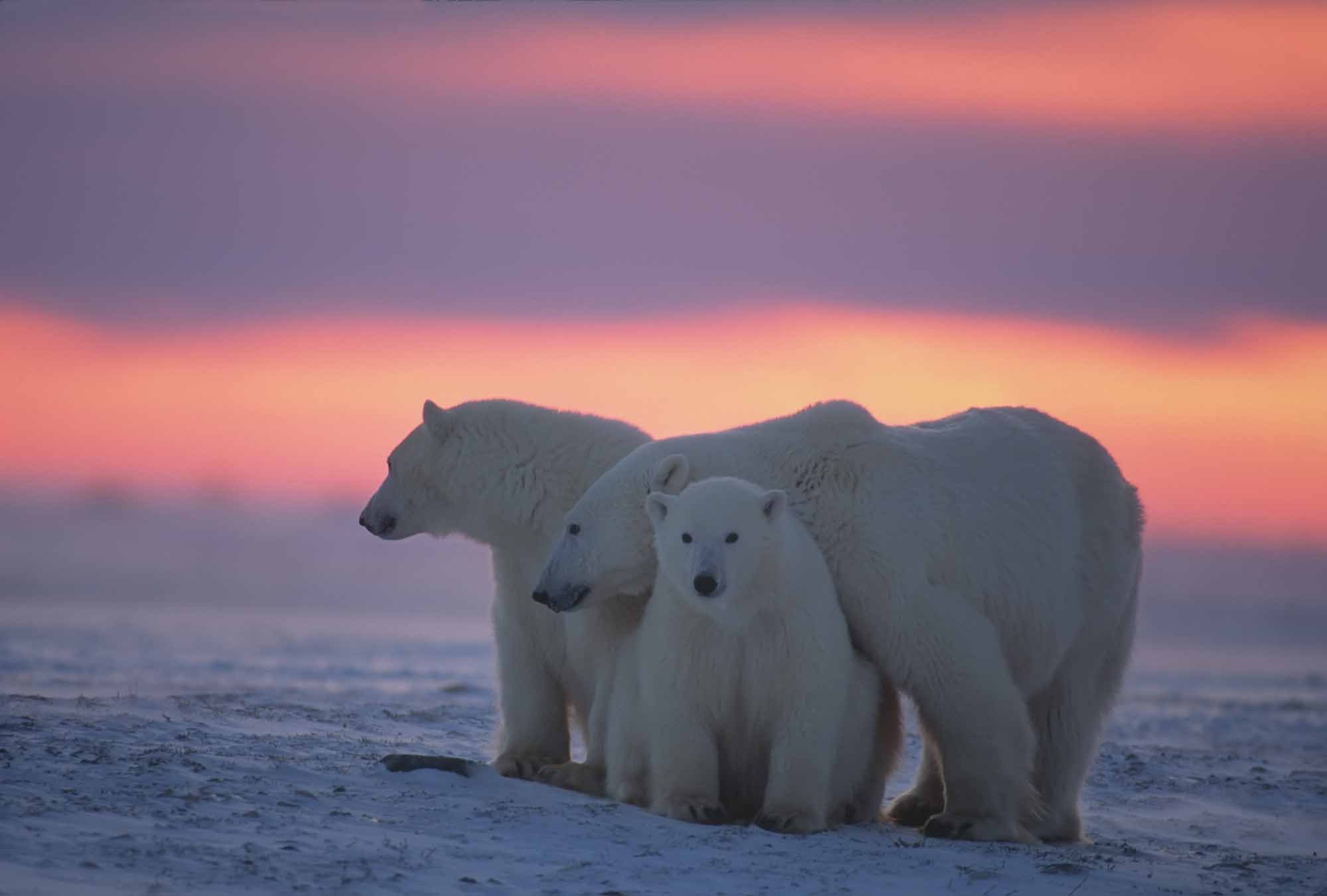
-
Macleans
Polar Lander Fails on Mars
No one knows exactly what the surface of Mars is like, but Robert Zubrin has a pretty good idea. At least some of it, he says, is much like a frozen, god-forsaken corner of the Canadian Arctic called Haughton Crater. The terrain is similar - rough-strewn rock on the floor of a crater 16 km across.This article was originally published in Maclean's Magazine on December 20, 1999
"https://thecanadianencyclopedia.ca/images/tce_placeholder.jpg?v=e9dca980c9bdb3aa11e832e7ea94f5d9" // resources/views/front/categories/view.blade.php
https://thecanadianencyclopedia.ca/images/tce_placeholder.jpg?v=e9dca980c9bdb3aa11e832e7ea94f5d9
-
Article
Polar Vortex
The polar vortex is a wind pattern surrounding the Earth’s poles. Both the North and South pole have polar vortices spinning around them. In both cases, the rotation is generally cyclonic — counter-clockwise around the North Pole and clockwise around the South Pole. While polar vortices exist year-round, they are strongest during each pole’s winter. Canadians tend to experience the effects of the North Pole’s polar vortex toward the end of winter. At this time, the vortex begins to weaken, and cold, polar air travels further south. Polar vortices are atmospheric phenomena which occur on other planets too, such as Mars, Venus and Saturn.
"https://d3d0lqu00lnqvz.cloudfront.net/media/new_article_images/PolarVortex/PolarVortex.jpg" // resources/views/front/categories/view.blade.php
https://d3d0lqu00lnqvz.cloudfront.net/media/new_article_images/PolarVortex/PolarVortex.jpg
-
Article
Polaris Music Prize
The Polaris Music Prize was founded by Steve Jordan in 2006 and is presented by the CBC. It is awarded annually to the Canadian artist or group who creates the best full-length album of the year. All genres of contemporary music are eligible, and albums are judged on artistic merit rather than commercial success. The winner is announced at the Polaris Music Prize Gala held each September in Toronto. The original cash prize of $20,000 was increased to $30,000 in 2011 and to $50,000 in 2015. It was lowered back to $30,000 in 2025, when a new $10,000 SOCAN Polaris Song Prize was introduced to honour individual songs. The Polaris Festival was also launched in 2025, featuring numerous events throughout September. The cash prize is provided by the Slaight Family Foundation (see Allan Slaight). Other sponsors include Sirius XM, the Government of Canada, Music Canada, FACTOR, and SOCAN. Shortlisted artists often perform at the gala, which is broadcast live on CBC Radio 3 and YouTube.
"https://d3d0lqu00lnqvz.cloudfront.net/media/new_article_images/PolarisMusicPrize/Polaris_Music_Prize_logo.png" // resources/views/front/categories/view.blade.php
https://d3d0lqu00lnqvz.cloudfront.net/media/new_article_images/PolarisMusicPrize/Polaris_Music_Prize_logo.png