Browse "Things"
-
Article
Offshore Mineral Rights Reference
The Supreme Court of Canada, in a decision about the ownership of seabed mineral rights off BC and on the legislative jurisdiction over these rights, decided in 1967 that Parliament, not the BC legislature, owned the territorial seabed adjacent to that province and enjoyed exclusive legislative jurisdiction by virtue of the Constitution Act, 1867 (s91.1A), ie, Parliament's residuary power. Rights in the territorial sea derive from international law and Canada is the sovereign state recognized...
"https://thecanadianencyclopedia.ca/images/tce_placeholder.jpg?v=e9dca980c9bdb3aa11e832e7ea94f5d9" // resources/views/front/categories/view.blade.php
https://thecanadianencyclopedia.ca/images/tce_placeholder.jpg?v=e9dca980c9bdb3aa11e832e7ea94f5d9
-
Macleans
OFFSHORE PRESSURE: What Newfoundland wants - and why Danny Williams may get it yet.
The last time Williams met with federal officials, on Dec. 22 in Winnipeg, he ended up storming home and ordering the Canadian flag taken down from provincial government buildings.This article was originally published in Maclean's Magazine on January 31, 2005
"https://d3d0lqu00lnqvz.cloudfront.net/media/media/eee3ae29-ece8-4e05-8734-c9161cf6442f.jpg" // resources/views/front/categories/view.blade.php
https://d3d0lqu00lnqvz.cloudfront.net/media/media/eee3ae29-ece8-4e05-8734-c9161cf6442f.jpg
-
Article
Oil, Chemical and Atomic Workers International Union v Imperial Oil Limited et al
In 1961 the BC Legislature prohibited trade unions from using membership fees paid under a collective agreement checkoff provision for political purposes.
"https://thecanadianencyclopedia.ca/images/tce_placeholder.jpg?v=e9dca980c9bdb3aa11e832e7ea94f5d9" // resources/views/front/categories/view.blade.php
https://thecanadianencyclopedia.ca/images/tce_placeholder.jpg?v=e9dca980c9bdb3aa11e832e7ea94f5d9
-
Article
Oil City
Oil City, Alberta, is the site of western Canada's first producing oil well, known previously as Original Discovery No 1, located in WATERTON LAKES NATIONAL PARK. Kutenai had used oil from seepage pools along Cameron Creek and early settlers used it to lubricate wagons.
"https://thecanadianencyclopedia.ca/images/tce_placeholder.jpg?v=e9dca980c9bdb3aa11e832e7ea94f5d9" // resources/views/front/categories/view.blade.php
https://thecanadianencyclopedia.ca/images/tce_placeholder.jpg?v=e9dca980c9bdb3aa11e832e7ea94f5d9
-
Article
Oil Sands
The Canadian oil sands (or tar sands) are a large area of petroleum extraction from bitumen, located primarily along the Athabasca River with its centre of activity close to Fort McMurray in Alberta, approximately 400 km northeast of the provincial capital, Edmonton. Increased global energy demand, high petroleum dependency and geopolitical conflict in key oil producing regions has driven the exploration of unconventional oil sources since the 1970s which, paired with advances in the field of petroleum engineering, has continued to make bitumen extraction economically profitable at a time of rising oil prices. Oil sands are called “unconventional” oil because the extraction process is more difficult than extracting from liquid (“conventional”) oil reserves, causing higher costs of production and increased environmental concerns.
"https://d3d0lqu00lnqvz.cloudfront.net/media/media/55ab3410-4b51-409d-bdb8-019dbd2c6d20.jpg" // resources/views/front/categories/view.blade.php
https://d3d0lqu00lnqvz.cloudfront.net/media/media/55ab3410-4b51-409d-bdb8-019dbd2c6d20.jpg
-
Article
Oilseed Crops
Oilseed Crops are grown primarily for the oil contained in the seeds. The oil content of small grains (eg, wheat) is only 1-2%; that of oilseeds ranges from about 20% for soybeans to over 40% for sunflowers and rapeseed (canola).
"https://d3d0lqu00lnqvz.cloudfront.net/media/media/dc2050ae-b79f-4f42-9cb0-d37a157abffa.jpg" // resources/views/front/categories/view.blade.php
https://d3d0lqu00lnqvz.cloudfront.net/media/media/dc2050ae-b79f-4f42-9cb0-d37a157abffa.jpg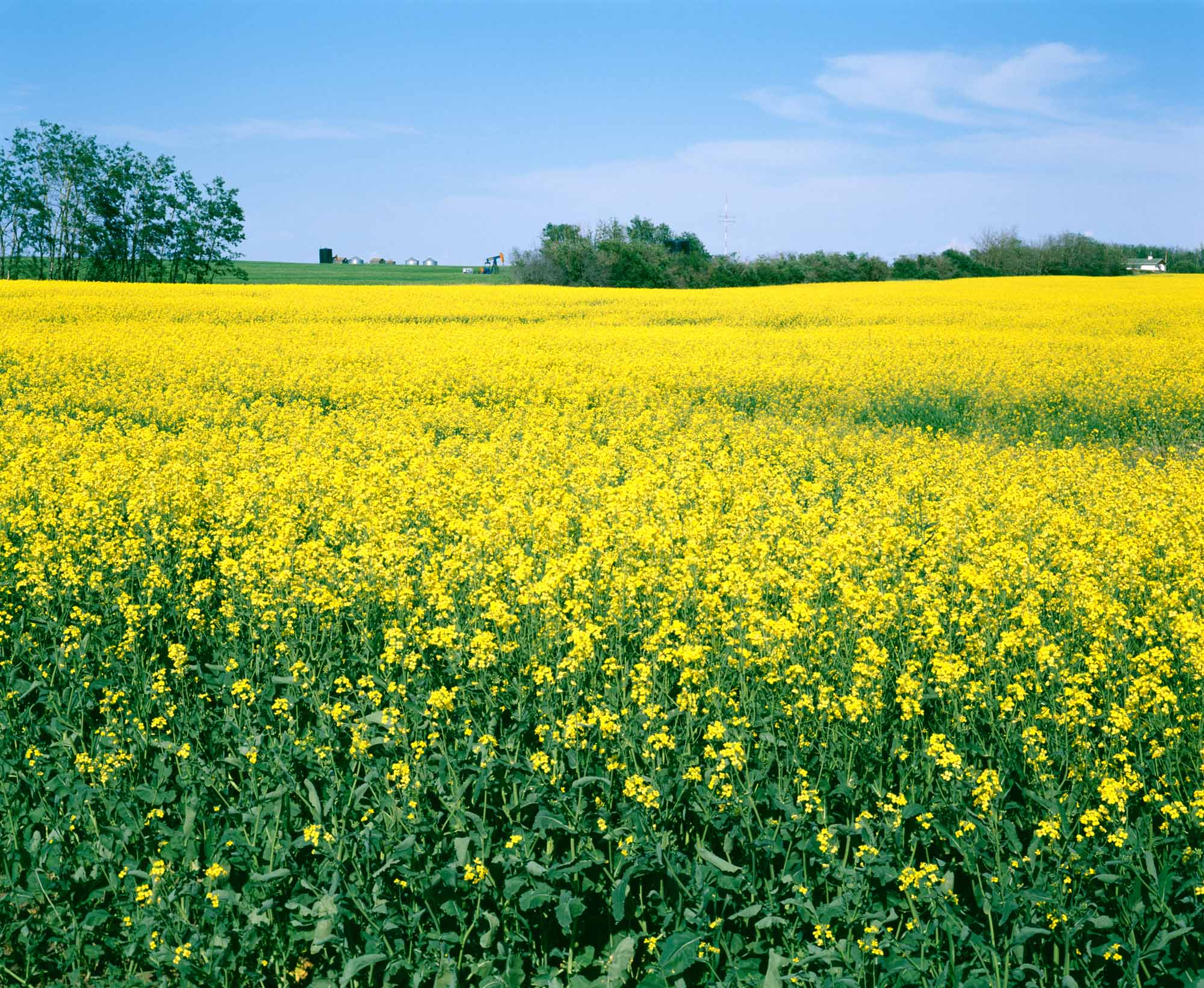
-
Macleans
O.J. Simpson to Pay Millions
There were 1,811 murders in Los Angeles County in 1994. But for much of the past three years, just two of those killings have rivetted the attention of the American media, the public and legal experts - not to mention the families of the victims.This article was originally published in Maclean's Magazine on February 17, 1997
"https://thecanadianencyclopedia.ca/images/tce_placeholder.jpg?v=e9dca980c9bdb3aa11e832e7ea94f5d9" // resources/views/front/categories/view.blade.php
https://thecanadianencyclopedia.ca/images/tce_placeholder.jpg?v=e9dca980c9bdb3aa11e832e7ea94f5d9
-
Article
Kanesatake Resistance (Oka Crisis)
The Kanesatake Resistance, also known as the Oka Crisis or the Mohawk Resistance at Kanesatake, was a 78-day standoff (11 July–26 September 1990) between Kanyen'kehà:ka (Mohawk) protesters, Quebec police, the RCMP and the Canadian Army. It took place in the community of Kanesatake, near the Town of Oka, on the north shore of Montreal. Related protests and violence occurred in the Kahnawá:ke reserve, to the south of Montreal. The crisis was sparked by the proposed expansion of a golf course and the development of townhouses on disputed land in Kanesatake that included a Kanyen'kehà:ka burial ground. Tensions were high, particularly after the death of Corporal Marcel Lemay, a Sûreté du Québec police officer. Eventually, the army was called in and the protest ended. The golf course expansion was cancelled, and the land was purchased by the federal government. However, it did not establish the land as a reserve, and there has since been no organized transfer of the land to the Mohawks of Kanesatake. This article is a full-length entry about the Kanesatake Resistance (Oka Crisis). For a plain-language summary, please see Kanesatake Resistance (Oka Crisis) (Plain-Language Summary).
"https://d3d0lqu00lnqvz.cloudfront.net/media/new_article_images/OkaCrisis/1990_C_35_7 (003).jpg" // resources/views/front/categories/view.blade.php
https://d3d0lqu00lnqvz.cloudfront.net/media/new_article_images/OkaCrisis/1990_C_35_7 (003).jpg.jpg)
-
Macleans
Oklahoma City Bombing
It was just after 3 a.m. last Thursday morning, more than 18 hours after the deadliest terrorist bomb in American history detonated in front of a federal building in downtown Oklahoma City.This article was originally published in Maclean's Magazine on May 1, 1995
"https://thecanadianencyclopedia.ca/images/tce_placeholder.jpg?v=e9dca980c9bdb3aa11e832e7ea94f5d9" // resources/views/front/categories/view.blade.php
https://thecanadianencyclopedia.ca/images/tce_placeholder.jpg?v=e9dca980c9bdb3aa11e832e7ea94f5d9
-
Macleans
Oklahoma City Bombing: Canadian Link?
There is, first of all, the Worship House - a blue-roofed building that looks as though it could be the dwelling place of forest creatures in a Wagnerian opera.This article was originally published in Maclean's Magazine on April 7, 1997
"https://thecanadianencyclopedia.ca/images/tce_placeholder.jpg?v=e9dca980c9bdb3aa11e832e7ea94f5d9" // resources/views/front/categories/view.blade.php
https://thecanadianencyclopedia.ca/images/tce_placeholder.jpg?v=e9dca980c9bdb3aa11e832e7ea94f5d9
-
Macleans
Oklahoma City Bombing Verdict
They cried often, smothering their sobs with their hands, as the prosecutor meticulously detailed how their relatives had died in the horrifying explosion.This article was originally published in Maclean's Magazine on June 9, 1997
"https://thecanadianencyclopedia.ca/images/tce_placeholder.jpg?v=e9dca980c9bdb3aa11e832e7ea94f5d9" // resources/views/front/categories/view.blade.php
https://thecanadianencyclopedia.ca/images/tce_placeholder.jpg?v=e9dca980c9bdb3aa11e832e7ea94f5d9
-
Article
Old-Age Pension
The old-age pension is a government initiative to help Canadians avoid poverty in retirement. It has changed from a strictly anti-poverty measure, that often humiliated the elderly, into an accepted, mainstream aspect of post-work life.
"https://thecanadianencyclopedia.ca/images/tce_placeholder.jpg?v=e9dca980c9bdb3aa11e832e7ea94f5d9" // resources/views/front/categories/view.blade.php
https://thecanadianencyclopedia.ca/images/tce_placeholder.jpg?v=e9dca980c9bdb3aa11e832e7ea94f5d9
-
Article
Old Crow Plain
The Old Crow Plain, about 5,000 km2, elevation 300 m, referred to locally as Old Crow Flats, is the northernmost part of the Porcupine Plateau in the Yukon, lying north of the Arctic Circle and 150 km south of the Beaufort Sea. The plain is a pristine wilderness area underlain by continuous permafrost and covered with a myriad of shallow lakes and ponds, some of which have an oriented rectangular shape related to prevailing wind directions and to patterned ground phenomena, (e.g., ice polygons and wedges). Its name honours the memory of a chieftain of the Gwich'in tribe.
"https://d3d0lqu00lnqvz.cloudfront.net/media/media/3372115f-2e5f-492c-a1d9-de73d4668939.jpg" // resources/views/front/categories/view.blade.php
https://d3d0lqu00lnqvz.cloudfront.net/media/media/3372115f-2e5f-492c-a1d9-de73d4668939.jpg
-
Article
Old-Growth Forests in Canada
Old-growth forests are complex forest ecosystems that have developed over a long period of time without experiencing any major disturbances. They have unique features and significant ecological, social, cultural and economic value. Old-growth forests used to be a significant part of Canada’s forest landscape but now only exist as small, fragmented patches due to intensive logging (see Forest Harvesting), conversion of forest for agriculture, insect epidemics (see Four Major Insect Pests of Forests in Canada), wildfires and disease. Increasing measures to protect these ecosystems are being implemented across Canada to combat their continued decline.
"https://d3d0lqu00lnqvz.cloudfront.net/oldgrowthforests/lady-slippers.jpg" // resources/views/front/categories/view.blade.php
https://d3d0lqu00lnqvz.cloudfront.net/oldgrowthforests/lady-slippers.jpg
-
Article
Oldest Trees in Canada
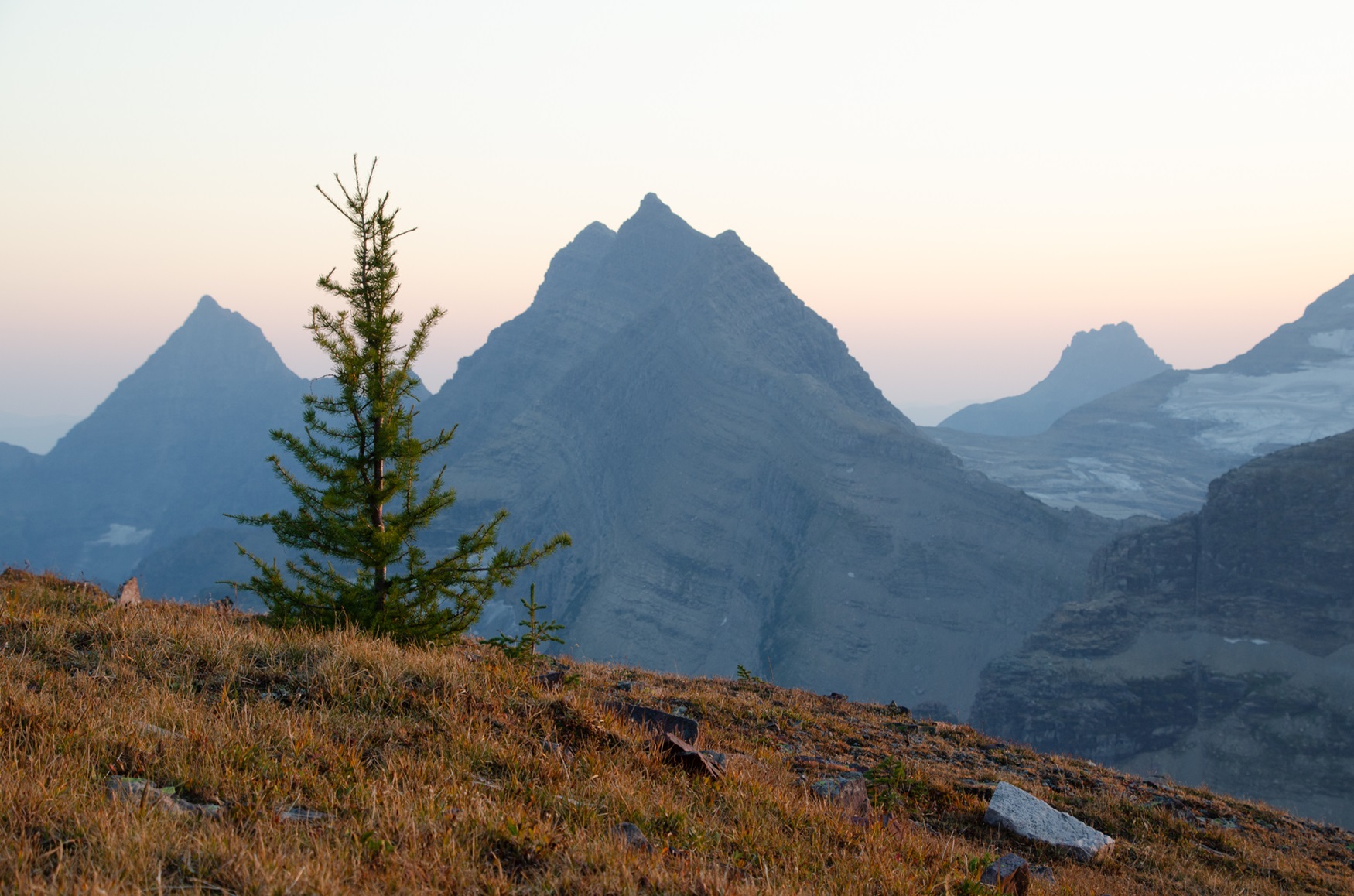
There are about 200 native species of trees in Canada, many of which can live for hundreds of years. It is possible that the very oldest tree in Canada has yet to be identified. Most scientists interested in trees are more concerned with the health of whole forests rather than with the ages of individual trees, meaning they don’t determine the age of every tree they come across. The oldest trees are not generally the largest or the most impressive-looking, and the principal way of finding a living tree’s true age is to measure it by using a tool called an increment borer. Below are some examples of the oldest known trees in Canada, from the temperate rainforests of the Pacific to the ancient forest of the Niagara Escarpment.
"https://d3d0lqu00lnqvz.cloudfront.net/oldesttrees/subalpine-larch.jpg" // resources/views/front/categories/view.blade.php
https://d3d0lqu00lnqvz.cloudfront.net/oldesttrees/subalpine-larch.jpg