
Browse "Things"
-
Article
Nunavut and Confederation
Nunavut — meaning "our land" in the Inuit language Inuktitut — entered Confederation in 1999 as Canada's third territory and newest member of the country.
"https://d3d0lqu00lnqvz.cloudfront.net/media/media/c3b5ada1-b017-4ea1-ae8a-9d781a968d59.jpg" // resources/views/front/categories/view.blade.php
https://d3d0lqu00lnqvz.cloudfront.net/media/media/c3b5ada1-b017-4ea1-ae8a-9d781a968d59.jpg
-
Article
Nursery School
Nursery School, as part of early childhood education, refers to group experience for 3 and 4 year olds and includes DAY CARE as well as various types of "nursery" programs.
"https://thecanadianencyclopedia.ca/images/tce_placeholder.jpg?v=e9dca980c9bdb3aa11e832e7ea94f5d9" // resources/views/front/categories/view.blade.php
https://thecanadianencyclopedia.ca/images/tce_placeholder.jpg?v=e9dca980c9bdb3aa11e832e7ea94f5d9
-
Macleans
Nurses Defy Quebec Government
Under a hazy sky, Helen Beath clutched a placard on the picket line outside Montreal General Hospital. Even though she retired in May after 43 years of nursing, Beath returned to the hospital last week to support her former colleagues.This article was originally published in Maclean's Magazine on July 12, 1999
"https://thecanadianencyclopedia.ca/images/tce_placeholder.jpg?v=e9dca980c9bdb3aa11e832e7ea94f5d9" // resources/views/front/categories/view.blade.php
https://thecanadianencyclopedia.ca/images/tce_placeholder.jpg?v=e9dca980c9bdb3aa11e832e7ea94f5d9
-
Article
Nursing
Marie Rollet Hébert [Hubou] has been credited with being the first person in what is now Canada to provide nursing care to the sick. The wife of Louis HÉBERT, a surgeon-apothecary, she arrived in Québec in 1617 and assisted her husband in caring for the sick.
"https://d3d0lqu00lnqvz.cloudfront.net/media/media/08deff50-6a3a-4687-8f30-5a0c2c7c2da2.jpg" // resources/views/front/categories/view.blade.php
https://d3d0lqu00lnqvz.cloudfront.net/media/media/08deff50-6a3a-4687-8f30-5a0c2c7c2da2.jpg
-
Article
Nuthatch
The nuthatch (Sittidae) family consists of small, tree-climbing birds with a short tail, pointed bill and long, sturdy toes and claws. Nuthatches eat invertebrates and seeds, and often store seeds in crevices in bark. Hard-shelled seeds are hammered open in such crevices, hence the name "nuthatch." They often associate in mixed-species feeding flocks with chickadees. Nuthatch vocalizations consist of nasal sound calls.
"https://d3d0lqu00lnqvz.cloudfront.net/nuthatch/red-breasted-nuthatch-on-feeder.jpg" // resources/views/front/categories/view.blade.php
https://d3d0lqu00lnqvz.cloudfront.net/nuthatch/red-breasted-nuthatch-on-feeder.jpg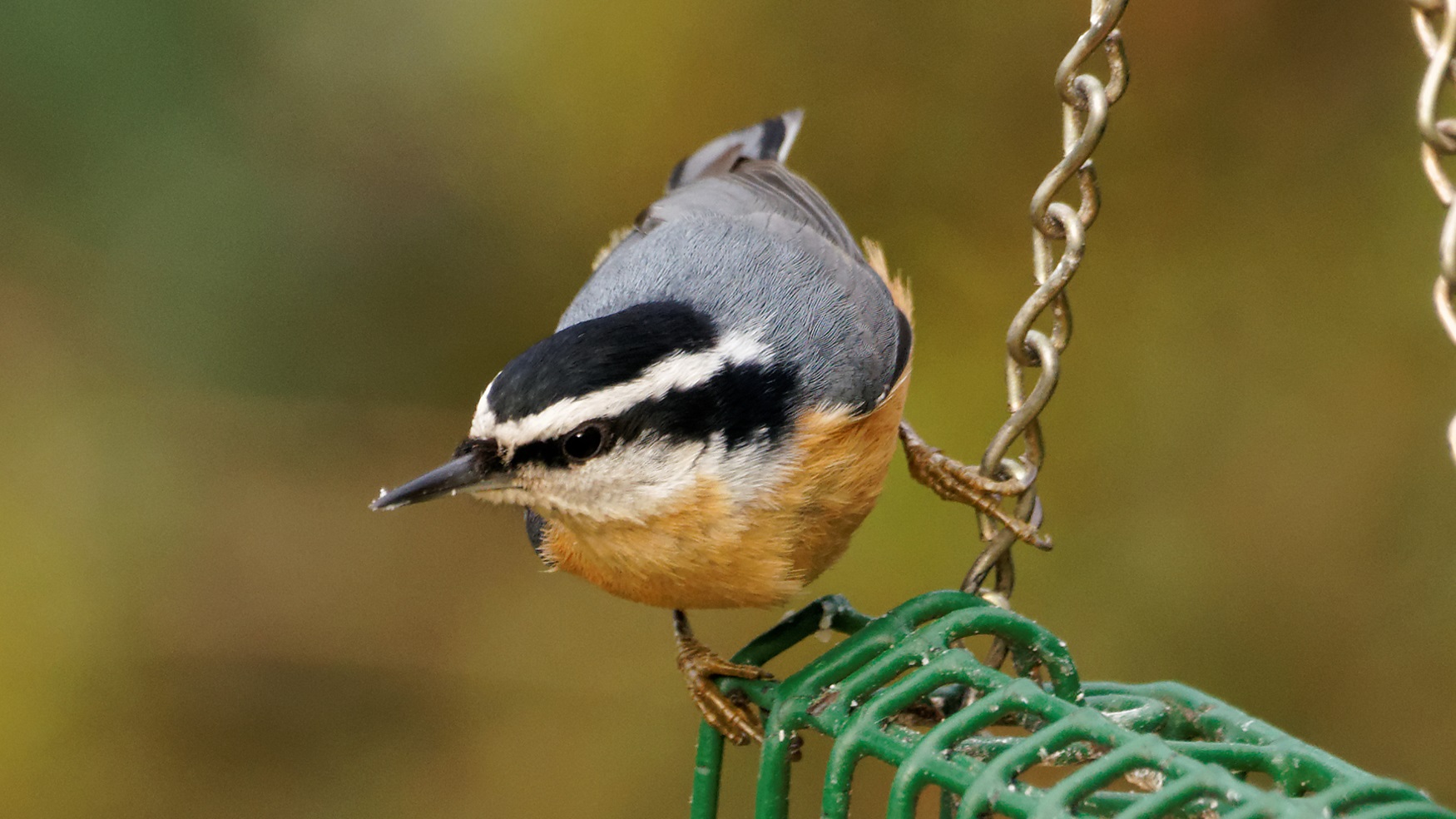
-
Macleans
NWT Miner Guilty of Murder
For 15 agonizing weeks, the three women sat in the Yellowknife courtroom in a row directly behind Crown prosecutor Peter Martin.This article was originally published in Maclean's Magazine on January 30, 1995
"https://thecanadianencyclopedia.ca/images/tce_placeholder.jpg?v=e9dca980c9bdb3aa11e832e7ea94f5d9" // resources/views/front/categories/view.blade.php
https://thecanadianencyclopedia.ca/images/tce_placeholder.jpg?v=e9dca980c9bdb3aa11e832e7ea94f5d9
-
Article
Nylon and the Second World War
Nylon was patented in 1938 and became commercially available in 1939. The fabric quickly became popular among consumers, particularly women, replacing silk as the fabric of choice for stockings. During the Second World War, the fabric was in high demand for military products such as parachutes, tents and shoelaces. This led to strict control of nylon by Canada’s Wartime Industries Control Board. Women either did without nylon stockings, painting their legs instead, or purchased them on the black market. After the war, demand for nylon stockings skyrocketed.
"https://d3d0lqu00lnqvz.cloudfront.net/NylonSWW/Parachute.jpg" // resources/views/front/categories/view.blade.php
https://d3d0lqu00lnqvz.cloudfront.net/NylonSWW/Parachute.jpg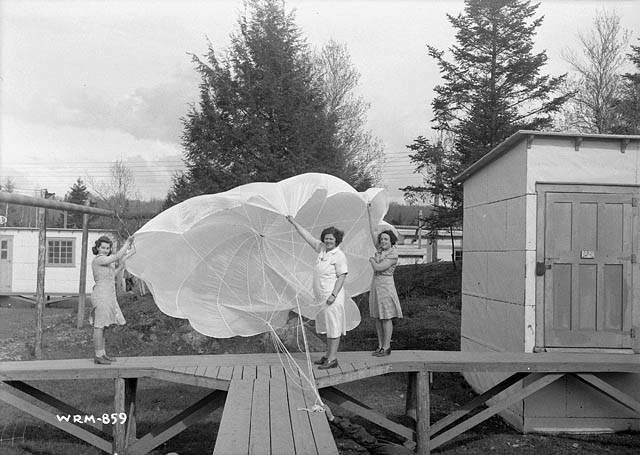
-
Article
“O Canada”
“O Canada” is Canada’s national anthem. Originally called “Chant national,” it was written in Quebec City by Sir Adolphe-Basile Routhier (French lyrics) and composer Calixa Lavallée (music), and first performed there on 24 June 1880. It began to be sung widely in French Canada at that time and later spread across Canada in various English-language versions, of which the best-known was written by Robert Stanley Weir in 1908. The lyrics of this version were amended several times over the years, with the most recent changes occurring in February 2018; the French lyrics have been shortened but otherwise remain unaltered from the original. “O Canada” was approved as Canada’s national anthem by a Special Joint Committee of the Senate and House of Commons on 15 March 1967. It was officially adopted as Canada’s national anthem under the National Anthem Act on 27 June 1980. The Act was proclaimed by Governor General Edward Schreyer in a public ceremony on Parliament Hill on 1 July 1980.
"https://d3d0lqu00lnqvz.cloudfront.net/media/media/b82d1c6f-e0dd-4fbe-ba40-5e1b7e2b35dd.jpg" // resources/views/front/categories/view.blade.php
https://d3d0lqu00lnqvz.cloudfront.net/media/media/b82d1c6f-e0dd-4fbe-ba40-5e1b7e2b35dd.jpg
-
Article
Oak Trees in Canada
The oak (Quercus) is a genus of trees and shrubs of the beech family (Fagaceae). Of the around 500 species found worldwide, 75–80 are native to North America and 12 to Canada. Canadian species largely grow locally in Ontario and eastward, except for the Garry oak, found only in British Columbia, and the bur oak, which occurs as far west as Saskatchewan. In Canada, oaks are usually divided into two groups: red oaks (northern red, Shumard, black, bear, pin and northern pin) and white oaks (white, Garry, bur, swamp white, chinquapin and dwarf chinquapin). These trees usually have lobed leaves of variable shapes and sizes. The acorns, produced in large quantities, are important to the diets of various wild animals. Known for its strength and longevity, the oak has been the symbol of several peoples and is often referred to in literature. Prince Edward Island designated the northern red oak as its provincial tree. Known for its versatility and longevity, the oak is often referred to as “the tree of life.”
"https://d3d0lqu00lnqvz.cloudfront.net/oaktree/Shumard-Oak-Leaves.jpg" // resources/views/front/categories/view.blade.php
https://d3d0lqu00lnqvz.cloudfront.net/oaktree/Shumard-Oak-Leaves.jpg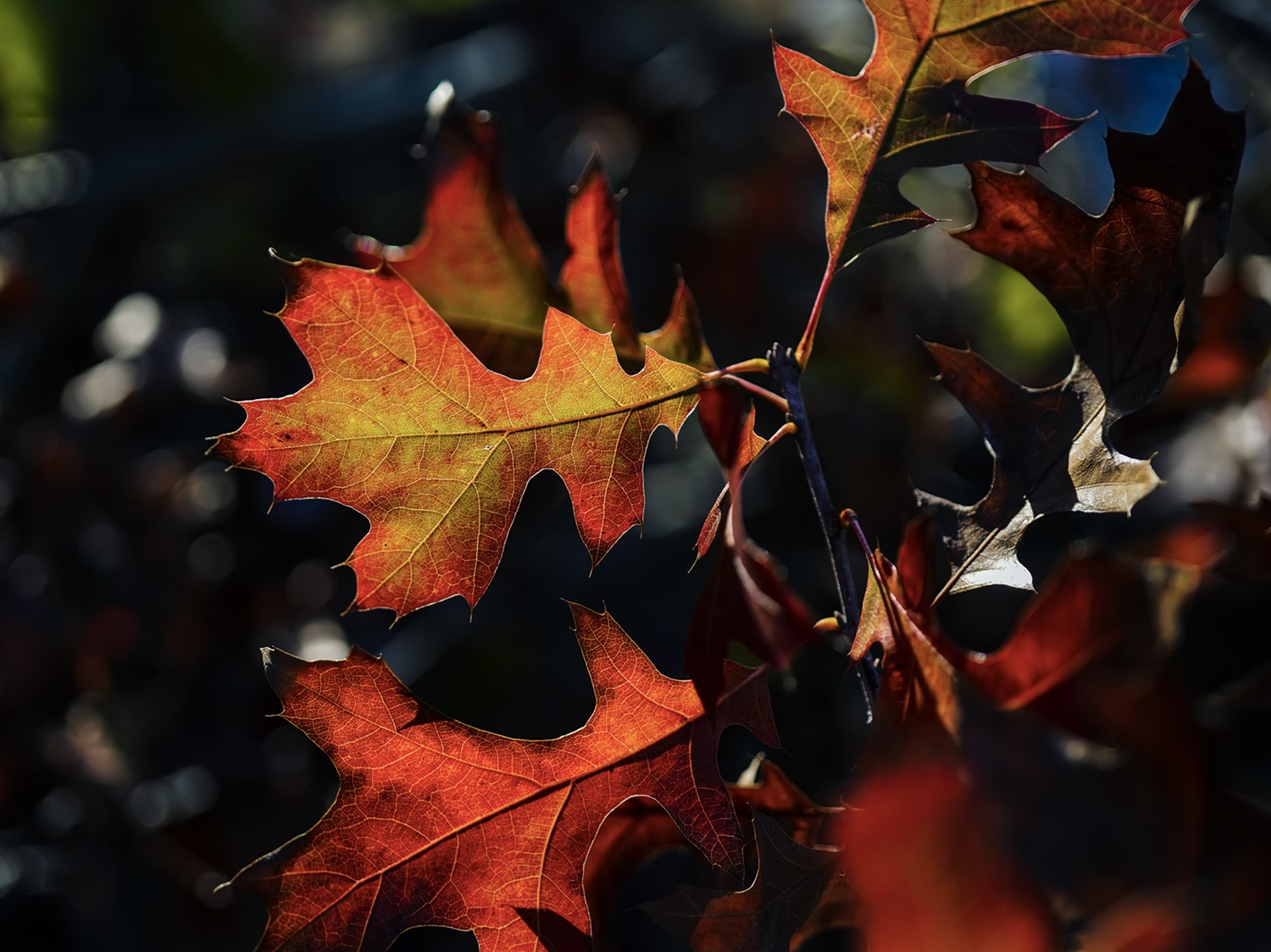
-
Article
Oakes Case (R v. Oakes)
In R v. Oakes (1986), David E. Oakes was accused of possession of drugs for the purpose of trafficking. The Supreme Court of Canada concluded that section 8 of the Narcotic Control Act runs counter to the presumption of innocence enshrined in section 11(d) of the Canadian Charter of Rights and Freedoms. Section 8 states that if a person is found in possession of a drug, he is presumed to have intended to traffic in it. This constitutes a limitation of rights and freedoms that cannot be justified in a free and democratic society, according to section 1 of the Charter. This judgement is the most important to date by the Supreme Court concerning section 1 of the Charter.
"https://d3d0lqu00lnqvz.cloudfront.net/media/media/c813762a-d4db-4a05-b769-18eb4e9b7957.jpg" // resources/views/front/categories/view.blade.php
https://d3d0lqu00lnqvz.cloudfront.net/media/media/c813762a-d4db-4a05-b769-18eb4e9b7957.jpg
-
Article
Oats
Oats (Avena sativa), member of the grass family (Gramineae), are grown for cereal grains.
"https://d3d0lqu00lnqvz.cloudfront.net/media/media/05d93051-ce06-4c9a-8160-1b469bf5192f.jpg" // resources/views/front/categories/view.blade.php
https://d3d0lqu00lnqvz.cloudfront.net/media/media/05d93051-ce06-4c9a-8160-1b469bf5192f.jpg
-
Article
Oberon-class Submarines
The Oberon class was a highly successful British conventional submarine design, operated by the Royal Navy (RN) and exported widely to Commonwealth and allied navies. The Royal Canadian Navy (RCN) acquired three of the type in the mid-1960s to act as antisubmarine warfare (ASW) training “targets” for surface and air forces. A major operational update in the 1980s transformed them into true hunter-killer attack submarines and laid the groundwork for a proper submarine force with their replacement by the Victoria class at the turn of the 21st century.
"https://d3d0lqu00lnqvz.cloudfront.net/Oberon-class/ojibwa-cfc67-2.jpg" // resources/views/front/categories/view.blade.php
https://d3d0lqu00lnqvz.cloudfront.net/Oberon-class/ojibwa-cfc67-2.jpg
-
Article
Obscenity
Obscenity became an offence in 1663 when Sir Charles Sidley was convicted for his behaviour after a drinking orgy. He appeared naked on a balcony and threw bottles filled with his own urine down among the people in Covent Garden.
"https://thecanadianencyclopedia.ca/images/tce_placeholder.jpg?v=e9dca980c9bdb3aa11e832e7ea94f5d9" // resources/views/front/categories/view.blade.php
https://thecanadianencyclopedia.ca/images/tce_placeholder.jpg?v=e9dca980c9bdb3aa11e832e7ea94f5d9
-
Article
Observatory
Of the observatories in use before the invention of the telescope, perhaps the most scientifically productive was that of Tycho Brahe, built 400 years ago on the island of Hveen in the Baltic Sea.
"https://d3d0lqu00lnqvz.cloudfront.net/media/media/e017ec41-8b62-49c2-8cd4-78fd183ba8be.jpg" // resources/views/front/categories/view.blade.php
https://d3d0lqu00lnqvz.cloudfront.net/media/media/e017ec41-8b62-49c2-8cd4-78fd183ba8be.jpg
-
Article
Occupational Diseases
Occupational diseases are disorders of health resulting from conditions related to the workplace. They are distinguished from occupational injuries, which are disorders resulting from trauma such as strains or sprains, lacerations, burns or soft-tissue injuries such as bruises.
"https://thecanadianencyclopedia.ca/images/tce_placeholder.jpg?v=e9dca980c9bdb3aa11e832e7ea94f5d9" // resources/views/front/categories/view.blade.php
https://thecanadianencyclopedia.ca/images/tce_placeholder.jpg?v=e9dca980c9bdb3aa11e832e7ea94f5d9