
Browse "Things"
-
Article
Northern Leopard Frog
The Northern leopard frog (Lithobates pipiens, previously Rana pipiens) is a green or brown frog covered in large, distinct spots. In Canada, three populations exist: the Eastern population, the Western Boreal/Prairie population and the Rocky Mountain population. The Committee on the Status of Endangered Wildlife in Canada characterizes the Western Boreal/Prairie and Rocky Mountain populations as special concern and endangered, respectively. The Eastern population is considered widespread and abundant, although the population has shown evidence of decline.
"https://d3d0lqu00lnqvz.cloudfront.net/northernleopardfrog/Crowley-Northern-Leopard-Frog-Lithobates-pipiens-1.jpg" // resources/views/front/categories/view.blade.php
https://d3d0lqu00lnqvz.cloudfront.net/northernleopardfrog/Crowley-Northern-Leopard-Frog-Lithobates-pipiens-1.jpg
-
Article
Northern Lights
The northern lights, or aurora borealis, are a dynamic display of multicoloured luminosity appearing in the day or night sky in the high latitudes of the Northern Hemisphere. At any instant of time, the auroras are arrayed along a band (the auroral oval) with the North Magnetic Pole near its centre. The southern hemisphere gets a similar display known as the southern lights or the aurora australis, centred around the south magnetic pole.
"https://d3d0lqu00lnqvz.cloudfront.net/media/media/4867ce13-0798-4ffb-9374-b522144721a3.jpg" // resources/views/front/categories/view.blade.php
https://d3d0lqu00lnqvz.cloudfront.net/media/media/4867ce13-0798-4ffb-9374-b522144721a3.jpg
-
Article
Northern Railway of Canada
The railway was designed to link the 3 lakes for which it was originally named - the Ontario, Simcoe and Huron Railway. It opened in May 1853 when the locomotive Toronto (made in Toronto) hauled the first steam train in present-day Ontario from Toronto to Machell's Corners (present-day Aurora).
"https://thecanadianencyclopedia.ca/images/tce_placeholder.jpg?v=e9dca980c9bdb3aa11e832e7ea94f5d9" // resources/views/front/categories/view.blade.php
https://thecanadianencyclopedia.ca/images/tce_placeholder.jpg?v=e9dca980c9bdb3aa11e832e7ea94f5d9
-
"https://thecanadianencyclopedia.ca/images/tce_placeholder.jpg?v=e9dca980c9bdb3aa11e832e7ea94f5d9" // resources/views/front/categories/view.blade.php
https://thecanadianencyclopedia.ca/images/tce_placeholder.jpg?v=e9dca980c9bdb3aa11e832e7ea94f5d9
-
Article
Northern Walkingstick
The Northern walkingstick (Diapheromera femorata) is Canada’s only native species of stick insect. Stick insects belong to the order Phasmida, a group known for their remarkable camouflage making them resemble twigs, bark and leaves. There are over 3,000 species of phasmid worldwide, most of which live in tropical and sub-tropical regions.
"https://d3d0lqu00lnqvz.cloudfront.net/northernwalkingstick/small-northern-walkingstick.jpg" // resources/views/front/categories/view.blade.php
https://d3d0lqu00lnqvz.cloudfront.net/northernwalkingstick/small-northern-walkingstick.jpg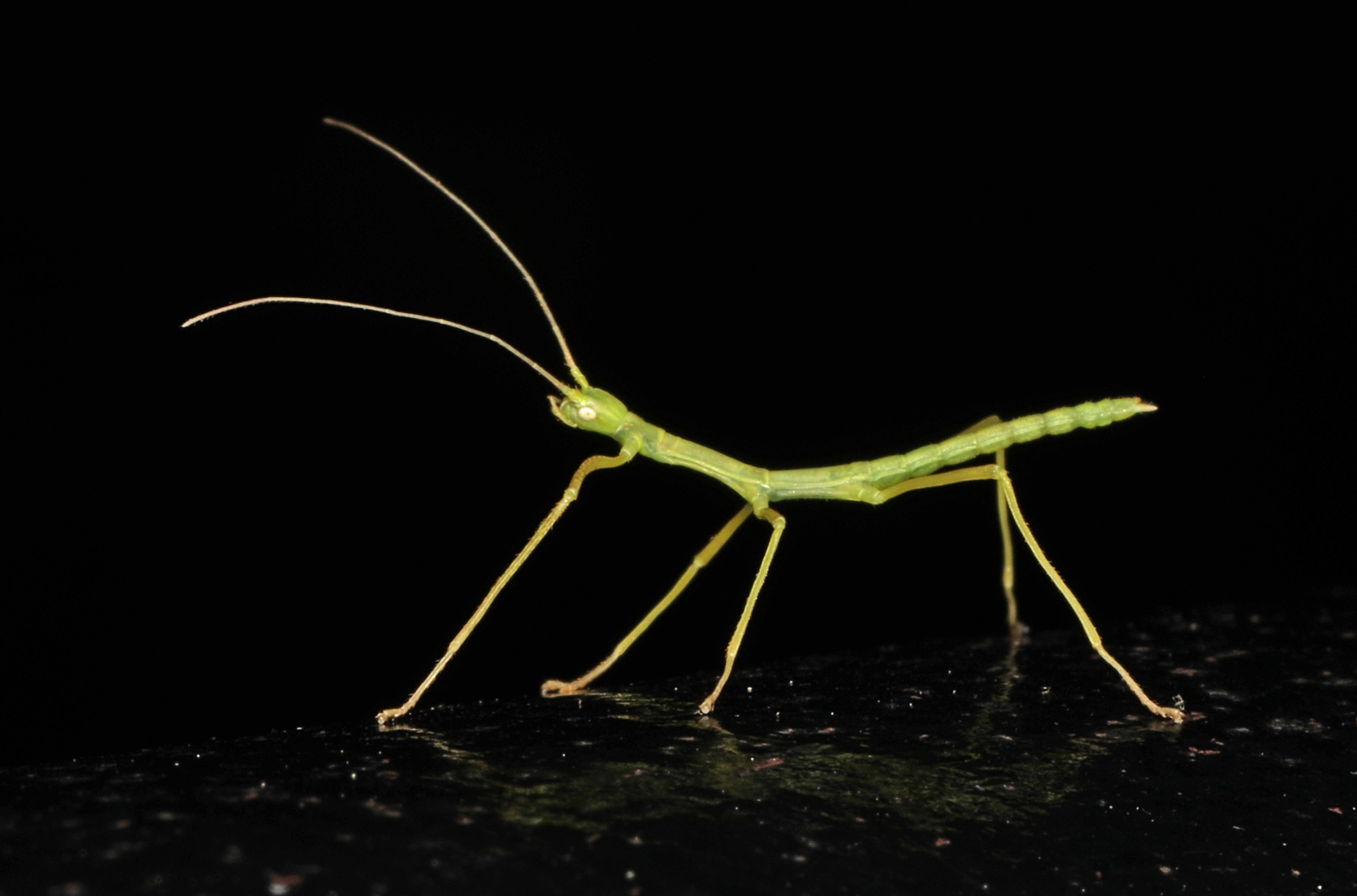
-
Article
Northwest Territories and Confederation
The Northwest Territories (NWT) entered Confederation in 1870 after Canada acquired Rupert’s Land and the North-Western Territory from the Hudson’s Bay Company. The smaller territory now known as the NWT is what remains after the creation of several other provinces and territories out of the original 1870 lands.
"https://d3d0lqu00lnqvz.cloudfront.net/media/media/a08da9c3-b38b-4f80-a425-a29b706528af.jpg" // resources/views/front/categories/view.blade.php
https://d3d0lqu00lnqvz.cloudfront.net/media/media/a08da9c3-b38b-4f80-a425-a29b706528af.jpg
-
Editorial
Not for Saps: Tree Planting in Alberta
Over a century’s worth of shifting environmental policy means that today, maintaining Canada’s forests is as important as cutting them down. Tree planting is an essential part of this maintenance, and each year thousands of young Canadians trek through rough conditions and remote areas to replant thousands of trees.
"https://d3d0lqu00lnqvz.cloudfront.net/media/media/3f6e30bf-0cc6-47cd-8961-1918b0dae744.jpg" // resources/views/front/categories/view.blade.php
https://d3d0lqu00lnqvz.cloudfront.net/media/media/3f6e30bf-0cc6-47cd-8961-1918b0dae744.jpg
-
List
Notable Indigenous Rights Court Cases
Rights of Indigenous peoples in Canada are recognized within the Constitution of Canada, particularly in section 35. While the Constitution of Canada states “The existing aboriginal and treaty rights of the aboriginal peoples of Canada are hereby recognized and affirmed,” these rights are not explicitly stated within the Constitution. As a result, there have been numerous Supreme Court of Canada cases related to Indigenous rights. Below is a list of prominent Indigenous rights Supreme Court of Canada cases. Note: This is not a complete list of all Supreme Court of Canada cases related to Indigenous peoples or rights.
"https://thecanadianencyclopedia.ca/images/tce_placeholder.jpg?v=e9dca980c9bdb3aa11e832e7ea94f5d9" // resources/views/front/categories/view.blade.php
https://thecanadianencyclopedia.ca/images/tce_placeholder.jpg?v=e9dca980c9bdb3aa11e832e7ea94f5d9
-
Article
Notwithstanding Clause
Section 33 of the Canadian Charter of Rights and Freedoms is known as the notwithstanding clause. Also known as the override clause, it is part of the Constitution of Canada. The clause allows federal, provincial or territorial governments to temporarily override, or bypass, certain Charter rights. These overrides are subject to renewal after five years. Although the clause is available to governments, its use is politically difficult and therefore rare. It is known colloquially as the “nuclear option,” because its use is considered extremely severe. Since the Constitution was patriated in 1982, the clause has been used only a handful of times by various provinces. The federal government has never invoked the clause.
"https://d3d0lqu00lnqvz.cloudfront.net/media/media/eb6ec132-1f25-4df9-b54d-d101ef2e4e7e.jpg" // resources/views/front/categories/view.blade.php
https://d3d0lqu00lnqvz.cloudfront.net/media/media/eb6ec132-1f25-4df9-b54d-d101ef2e4e7e.jpg
-
Article
Notwithstanding Clause (Plain-Language Summary)
Section 33 of the Charter of Rights and Freedoms is called the notwithstanding clause. It is also called the override clause. It is part of the Constitution of Canada. The clause was crucial in winning provincial support for the Charter. The clause allows governments to bypass some rights. Such an override must be renewed after five years. Use of the clause is politically hard and therefore rare. It has been used by provinces only a handful of times. It has never been used by the federal government. This article is a plain-language summary of the Notwithstanding Clause. If you are interested in reading about this topic more in depth, please see our full-length entry, Notwithstanding Clause.
"https://d3d0lqu00lnqvz.cloudfront.net/media/media/31f862c0-7a65-41c2-a522-44c57858f583.jpg" // resources/views/front/categories/view.blade.php
https://d3d0lqu00lnqvz.cloudfront.net/media/media/31f862c0-7a65-41c2-a522-44c57858f583.jpg
-
Macleans
Nova and TransCanada Merge
This article was originally published in Maclean’s magazine on February 9, 1998. Partner content is not updated. When he arrived at his Calgary office last Nov. 11 after unveiling a plan to split Nova Corp.'s pipeline and petrochemical operations into separate companies, CEO Ted Newall received an urgent message from his counterpart at TransCanada PipeLines Ltd.
"https://thecanadianencyclopedia.ca/images/tce_placeholder.jpg?v=e9dca980c9bdb3aa11e832e7ea94f5d9" // resources/views/front/categories/view.blade.php
https://thecanadianencyclopedia.ca/images/tce_placeholder.jpg?v=e9dca980c9bdb3aa11e832e7ea94f5d9
-
Article
NOVA Corporation
NOVA Corporation was a Canadian energy company based in Calgary. Originally known as the Alberta Gas Trunk Line Company Ltd., it was established in 1954 to build, own and operate Alberta’s natural gas gathering and transmission facilities. In 1998, NOVA merged with TransCanada (now TC Energy), creating the fourth largest gas pipeline company in North America.
"https://thecanadianencyclopedia.ca/images/tce_placeholder.jpg?v=e9dca980c9bdb3aa11e832e7ea94f5d9" // resources/views/front/categories/view.blade.php
https://thecanadianencyclopedia.ca/images/tce_placeholder.jpg?v=e9dca980c9bdb3aa11e832e7ea94f5d9
-
Article
Nova Scotia Duck Tolling Retriever
The Nova Scotia duck tolling retriever (or toller) is one of five dog breeds recognized by the Canadian Kennel Club as uniquely Canadian (see also Dogs in Canada). Originally bred for tolling and retrieving waterfowl, the toller is a highly intelligent dog. It loves the outdoors and is easy to train. The Nova Scotia duck tolling retriever is the provincial dog of Nova Scotia — one of two Canadian dogs declared a provincial or territorial symbol (the other, the Canadian Inuit dog, is Nunavut’s official animal).
"https://d3d0lqu00lnqvz.cloudfront.net/media/new_article_images/NovaScotiaDuckTollingRetriever/TollerPortrait.jpg" // resources/views/front/categories/view.blade.php
https://d3d0lqu00lnqvz.cloudfront.net/media/new_article_images/NovaScotiaDuckTollingRetriever/TollerPortrait.jpg
-
Article
Nova Scotia 1714-84
Confirmed as British by the Treaty of Utrecht in 1713, the peninsula of Nova Scotia was neglected until 1749 - a period of "phantom rule" and "counterfeit suzerainty.
"https://d3d0lqu00lnqvz.cloudfront.net/media/media/12f25a44-2508-4e64-9dd1-8eb4b212345d.jpg" // resources/views/front/categories/view.blade.php
https://d3d0lqu00lnqvz.cloudfront.net/media/media/12f25a44-2508-4e64-9dd1-8eb4b212345d.jpg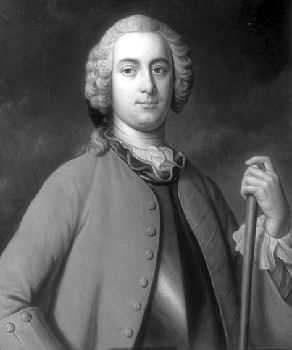
-
Article
Nova Scotia Agricultural College
In 2012, the Nova Scotia Agricultural College merged with Dalhousie University, becoming the University’s Faculty of Agriculture.
"https://thecanadianencyclopedia.ca/images/tce_placeholder.jpg?v=e9dca980c9bdb3aa11e832e7ea94f5d9" // resources/views/front/categories/view.blade.php
https://thecanadianencyclopedia.ca/images/tce_placeholder.jpg?v=e9dca980c9bdb3aa11e832e7ea94f5d9