
Browse "Things"
-
Article
Bread and Roses March
The first Bread and Roses March, an initiative of the Fédération des femmes du Québec, began on 26 May 1995.
"https://d3d0lqu00lnqvz.cloudfront.net/Quebec_solidaire/c647b1ce-e0f7-4756-af2b-9729339c538c.jpg" // resources/views/front/categories/view.blade.php
https://d3d0lqu00lnqvz.cloudfront.net/Quebec_solidaire/c647b1ce-e0f7-4756-af2b-9729339c538c.jpg
-
Article
Cannabis Legalization in Canada
Cannabis, also known as marijuana (among countless other names), is a psychoactive intoxicant that was banned in Canada from 1923 until medical cannabis became legal in 2001. The consumption and sale of recreational cannabis was legalized and regulated on 17 October 2018, after Parliament passed Bill C-45, the Cannabis Act. Legalization was supported by a majority of Canadians, despite concerns about the drug’s addictiveness and health effects, especially among young people.
"https://d3d0lqu00lnqvz.cloudfront.net/media/media/15a75b1f-63f9-44a5-a4b5-e145225ac9a7.jpg" // resources/views/front/categories/view.blade.php
https://d3d0lqu00lnqvz.cloudfront.net/media/media/15a75b1f-63f9-44a5-a4b5-e145225ac9a7.jpg
-
Article
Marine Disasters
Over the course of Canada’s history, marine disasters have occurred along the country’s coasts as well as in its freshwater lakes. The most fatal of these disasters occurred on 29 May 1914, when the Empress of Ireland sank near Rimouski, Quebec, killing 1,012 people. This article outlines some of the worst marine disasters to occur in Canadian waters.
"https://d3d0lqu00lnqvz.cloudfront.net/media/media/6b656b4b-173d-416d-967d-03c44bca61ca.jpg" // resources/views/front/categories/view.blade.php
https://d3d0lqu00lnqvz.cloudfront.net/media/media/6b656b4b-173d-416d-967d-03c44bca61ca.jpg
-
Article
Maritime Archaeology
British ColumbiaIn BC, most work has been carried out by the Underwater Archaeological Society of British Columbia (UASBC), a large, successful and mostly avocational group that was formed in 1975. The UASBC's has published seven regional shipwreck inventories.
"https://d3d0lqu00lnqvz.cloudfront.net/media/media/7ecaa63a-c7a6-4708-9151-98a099cb711d.jpg" // resources/views/front/categories/view.blade.php
https://d3d0lqu00lnqvz.cloudfront.net/media/media/7ecaa63a-c7a6-4708-9151-98a099cb711d.jpg
-
Article
Maritime Rights
Maritime Rights was a regional protest that climaxed in the 1920s. Essentially a reform movement, it was triggered by the region's declining influence in CONFEDERATION and its inability to protect important interests in transportation, tariffs, port development and federal subsidies.
"https://thecanadianencyclopedia.ca/images/tce_placeholder.jpg?v=e9dca980c9bdb3aa11e832e7ea94f5d9" // resources/views/front/categories/view.blade.php
https://thecanadianencyclopedia.ca/images/tce_placeholder.jpg?v=e9dca980c9bdb3aa11e832e7ea94f5d9
-
Article
Marmots in Canada
The marmot is a large, diurnal, burrowing rodent of the squirrel family, native to Eurasia and North America. Marmots are rotund and stocky, weigh 2–9 kg, and have thick fur, short bushy tails and small ears.
"https://d3d0lqu00lnqvz.cloudfront.net/media/media/15effd45-c38a-45a3-8690-674f5e83cbe9.jpg" // resources/views/front/categories/view.blade.php
https://d3d0lqu00lnqvz.cloudfront.net/media/media/15effd45-c38a-45a3-8690-674f5e83cbe9.jpg
-
"https://d3d0lqu00lnqvz.cloudfront.net/media/media/5fe2870d-d68e-42fc-8552-596cf7670004.jpg" // resources/views/front/categories/view.blade.php
https://d3d0lqu00lnqvz.cloudfront.net/media/media/5fe2870d-d68e-42fc-8552-596cf7670004.jpg
-
Article
Marriage in Canada
Marriage remains one of the most important social institutions in Canada. It has undergone profound changes since the 1960s. The marriage rate is in decline and the traditional idea of a family is being transformed. After the turn of the millennium, the marriage rate fell to 4.7 marriages per 1,000 people (compared to 10.9 in the 1940s). Married couples are still the predominant family structure. But between 2001 and 2016, the number of common-law couples rose 51.4 per cent; more than five times the increase for married couples over the same period. The definition of what constitutes a married couple also changed in 2005 with the legalization of same-sex marriage. In 2016, 65.8 per cent of Canadian families were headed by married couples; down from 70.5 per cent in 2001. Marriage falls under federal jurisdiction, but the provinces regulate marriage ceremonies and grant marriage licences.
"https://d3d0lqu00lnqvz.cloudfront.net/media/media/774be527-3b4e-4d62-8441-076a3a72ec1e.jpg" // resources/views/front/categories/view.blade.php
https://d3d0lqu00lnqvz.cloudfront.net/media/media/774be527-3b4e-4d62-8441-076a3a72ec1e.jpg
-
Article
Marshall Case
The Marshall case is a landmark ruling in Indigenous treaty rights in Canada. The case centres on Donald Marshall Jr., a Mi’kmaq man from Membertou, Nova Scotia. In August 1993, Marshall caught and sold 210 kg of eel with an illegal net and without a licence during closed-season times. He was arrested after being charged under the federal Fisheries Act and the Maritime Provinces Fishery Regulations. In Marshall’s court case, R. v. Marshall, he was found guilty on all three charges in provincial court (1996) and appeals court (1997). The Supreme Court of Canada reversed Marshall’s convictions in September 1999. The Supreme Court recognized the hunting and fishing rights promised in the Peace and Friendship Treaties. These treaties were signed between the British and the Mi’kmaq, Wolastoqiyik and Peskotomuhkati in 1760–61.
"https://d3d0lqu00lnqvz.cloudfront.net/media/media/0696b0d3-e259-4e89-8895-f6296d7ab589.JPG" // resources/views/front/categories/view.blade.php
https://d3d0lqu00lnqvz.cloudfront.net/media/media/0696b0d3-e259-4e89-8895-f6296d7ab589.JPG
-
Article
Marshall Inquiry
The Marshall Inquiry was a Royal Commission called by the Government of Nova Scotia. It investigated the 1971 wrongful murder conviction of Mi’kmaq man Donald Marshall Jr. of Nova Scotia. This was the first inquiry of its kind in Canada. The commission released its report on 26 January 1990. It made recommendations that changed the criminal justice system in Nova Scotia, particularly in its treatment of Indigenous peoples.
"https://d3d0lqu00lnqvz.cloudfront.net/media/media/a5a37c90-f350-403f-b8fd-d2b40c0520a9.jpg" // resources/views/front/categories/view.blade.php
https://d3d0lqu00lnqvz.cloudfront.net/media/media/a5a37c90-f350-403f-b8fd-d2b40c0520a9.jpg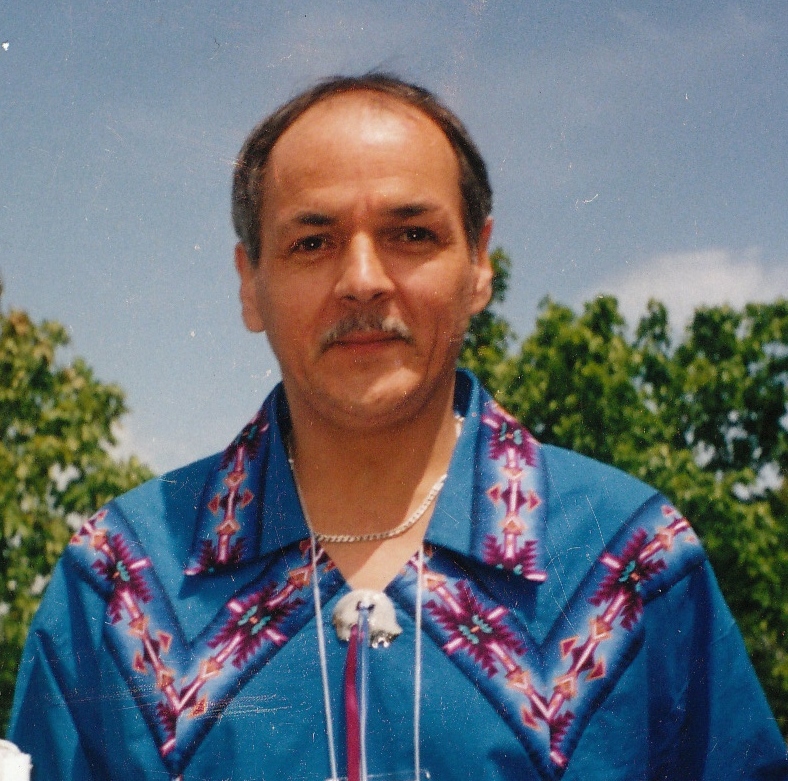
-
Article
Marsupialia
Marsupialia, order of mammals belonging to the infraclass Metatheria, comprising some 280 living species, of which two-thirds are found in Australia.
"https://thecanadianencyclopedia.ca/images/tce_placeholder.jpg?v=e9dca980c9bdb3aa11e832e7ea94f5d9" // resources/views/front/categories/view.blade.php
https://thecanadianencyclopedia.ca/images/tce_placeholder.jpg?v=e9dca980c9bdb3aa11e832e7ea94f5d9
-
Article
Martello Tower
Martello tower is a distinctive masonry fortification used in defence of British North America in the first half of the 19th century. Built from 1796 to 1848 during times of tension with the United States, there remains over a dozen Martello Towers between Halifax, Saint John, Quebec City and Kingston.
"https://d3d0lqu00lnqvz.cloudfront.net/media/media/97b0d919-cae9-420e-8e8f-399b7ffbb025.jpg" // resources/views/front/categories/view.blade.php
https://d3d0lqu00lnqvz.cloudfront.net/media/media/97b0d919-cae9-420e-8e8f-399b7ffbb025.jpg
-
Article
American Marten
American martens (Martes americana) are slender weasels specialized for life in the northern coniferous forests. They are found from Alaska and British Columbia to Newfoundland and into the US.
"https://d3d0lqu00lnqvz.cloudfront.net/americanmarten/marten-us-parks.jpg" // resources/views/front/categories/view.blade.php
https://d3d0lqu00lnqvz.cloudfront.net/americanmarten/marten-us-parks.jpg
-
Macleans
Martin, Chretien Gird for Battle
It was appropriate that as he embarked on the biggest political gamble of his life, Paul Martin chose to talk about wavering at the edge of the Rubicon.This article was originally published in Maclean's Magazine on June 17, 2002
"https://thecanadianencyclopedia.ca/images/tce_placeholder.jpg?v=e9dca980c9bdb3aa11e832e7ea94f5d9" // resources/views/front/categories/view.blade.php
https://thecanadianencyclopedia.ca/images/tce_placeholder.jpg?v=e9dca980c9bdb3aa11e832e7ea94f5d9
-
Macleans
Martin Fired from Cabinet
Stories about Paul Martin always seem to contain an element of frenetic activity or plain haste. There's the one about what amounted to his first date with Sheila Cowan, a friend of his younger sister.This article was originally published in Maclean's Magazine on June 17, 2002
"https://thecanadianencyclopedia.ca/images/tce_placeholder.jpg?v=e9dca980c9bdb3aa11e832e7ea94f5d9" // resources/views/front/categories/view.blade.php
https://thecanadianencyclopedia.ca/images/tce_placeholder.jpg?v=e9dca980c9bdb3aa11e832e7ea94f5d9