
Browse "Things"
-
Article
Maple Trees in Canada
Maples are trees and shrubs in the genus Acer, previously classified within the maple family Aceraceae, but now placed by some taxonomists in Sapindaceae (Soapberry family), which also includes horse chestnut (Aesculus hippocastaneum). There are approximately 150 species of maple around the world, most in the temperate zone of the Northern Hemisphere, and the majority native to eastern Asia. Ten maple species are native to Canada, perhaps the best known being sugar maple (Acer saccharum) of eastern Canada and the northeastern United States. The Canadian flag displays a stylized maple leaf, and maple is Canada’s official arboreal emblem. Maples are not only important to Canada symbolically, they are also ecologically and economically significant.
"https://d3d0lqu00lnqvz.cloudfront.net/media/home-page-images/Douglas-maple.jpg" // resources/views/front/categories/view.blade.php
https://d3d0lqu00lnqvz.cloudfront.net/media/home-page-images/Douglas-maple.jpg
-
Article
Maple Leaf Foods Inc
Maple Leaf Foods Inc, with head offices in Toronto, is the largest Canadian producer of food products.
"https://thecanadianencyclopedia.ca/images/tce_placeholder.jpg?v=e9dca980c9bdb3aa11e832e7ea94f5d9" // resources/views/front/categories/view.blade.php
https://thecanadianencyclopedia.ca/images/tce_placeholder.jpg?v=e9dca980c9bdb3aa11e832e7ea94f5d9
-
Article
Maple Syrup Industry
Canada is the world’s leading producer and exporter of maple products, accounting for 75 per cent of the global market. In 2020, Canadian producers exported over 61 million kg of maple products, with a value of $515 million. The province of Quebec is by far the largest producer, representing 96.4 per cent of Canadian product exports. Maple syrup and maple sugar products are made by boiling down the sap of maple trees. World production of maple syrup and sugar is mainly limited to the Maple Belt, the hardwood forest stretching from the midwestern United States through Ontario, Quebec and New England and into New Brunswick, Nova Scotia and Prince Edward Island; however, British Columbia, Manitoba and Saskatchewan also produce some syrup.
"https://d3d0lqu00lnqvz.cloudfront.net/media/media/sugar-bush.jpg" // resources/views/front/categories/view.blade.php
https://d3d0lqu00lnqvz.cloudfront.net/media/media/sugar-bush.jpg
-
Article
Marathon
Marathon, Ontario, incorporated as a town in 1988, population 3,273 (2016 c), 3,353 (2011 c). The Town of Marathon is located in northern Ontario on Lake Superior, 296 km east of Thunder Bay.
"https://d3d0lqu00lnqvz.cloudfront.net/media/media/a364de6c-8814-45b4-b744-80d158f117c5.jpg" // resources/views/front/categories/view.blade.php
https://d3d0lqu00lnqvz.cloudfront.net/media/media/a364de6c-8814-45b4-b744-80d158f117c5.jpg
-
Article
Marathon Swimming
Marathon swimming takes place on open water for distances in excess of 1500 m; the events are either solo crossings of certain bodies of water or race competitions.
"https://d3d0lqu00lnqvz.cloudfront.net/media/media/8bdbd818-705c-4144-91b0-00b99f3a309f.jpg" // resources/views/front/categories/view.blade.php
https://d3d0lqu00lnqvz.cloudfront.net/media/media/8bdbd818-705c-4144-91b0-00b99f3a309f.jpg
-
Article
Marc Nadon Nomination Controversy
In 2013, an attempt by Prime Minister Stephen Harper to appoint Federal Court of Appeal judge Marc Nadon to a Supreme Court vacancy sparked a political and legal dispute. Many observers, including Chief Justice Beverley McLachlin, questioned whether Nadon met the constitutional requirement for a judge from Quebec. But the Harper government proceeded with the nomination. Following a court challenge to the appointment, the federal government asked the Supreme Court to rule on Nadon’s eligibility. A 6–1 majority decided that he did not meet the criteria for a justice from Quebec and was therefore ineligible.
"https://d3d0lqu00lnqvz.cloudfront.net/media/media/a4e59d7a-0581-47a1-a5ff-60757732f349.jpg" // resources/views/front/categories/view.blade.php
https://d3d0lqu00lnqvz.cloudfront.net/media/media/a4e59d7a-0581-47a1-a5ff-60757732f349.jpg
-
Article
Marcellus Gilmore Edson
Marcellus Gilmore Edson, chemist, pharmacist (born 7 February 1849 in Bedford, QC; died 6 March 1940 in Montreal, QC). In 1884, Edson received a patent for the manufacture of a peanut paste, which he named “peanut-candy.” Edson’s patent for peanut-candy has been recognized as a forerunner to the commercially available peanut butter or spread. (See also Legume; Oilseed Crops.)
"https://d3d0lqu00lnqvz.cloudfront.net/marcellusgilmoreedson/peanutbutter.jpg" // resources/views/front/categories/view.blade.php
https://d3d0lqu00lnqvz.cloudfront.net/marcellusgilmoreedson/peanutbutter.jpg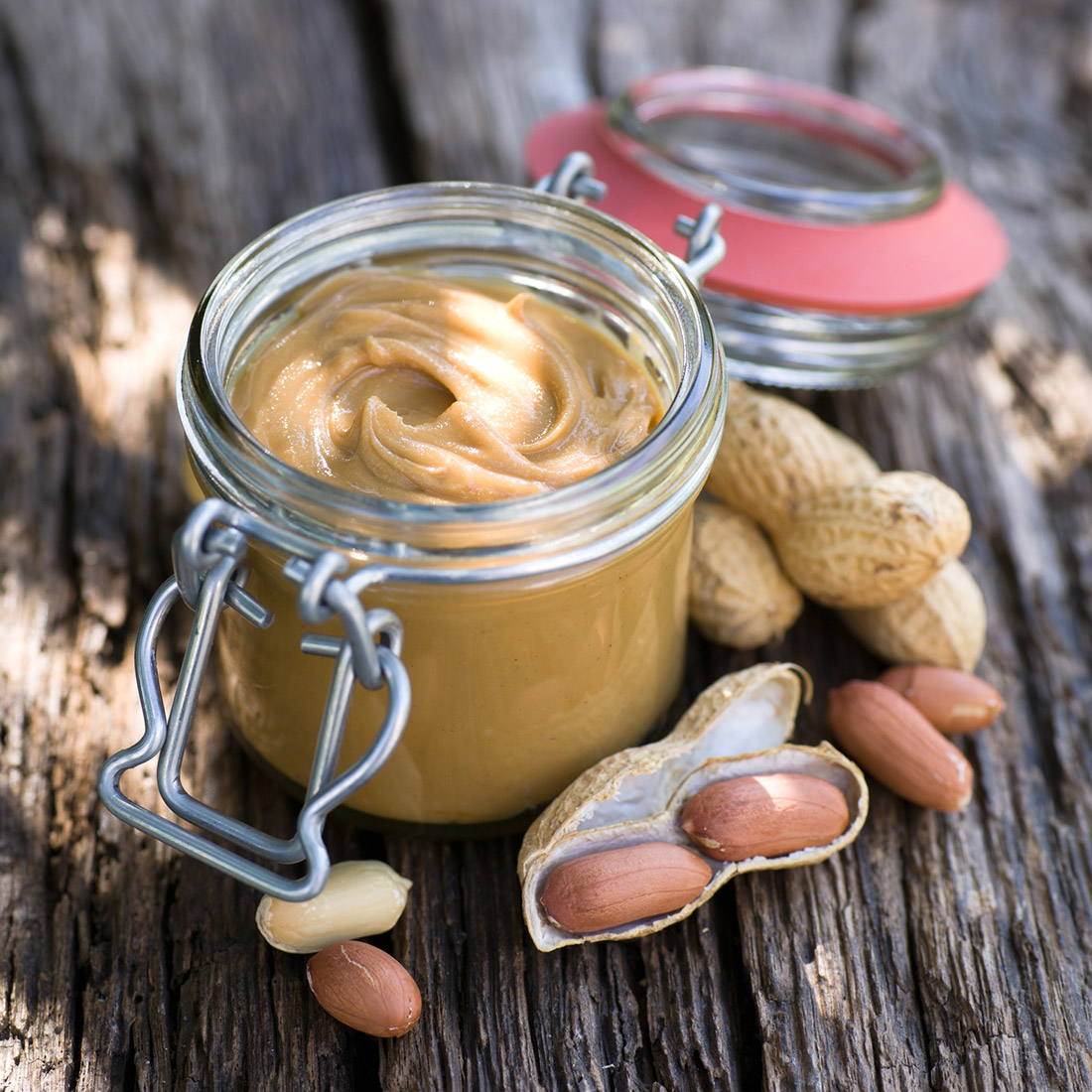
-
Article
Bread and Roses March
The first Bread and Roses March, an initiative of the Fédération des femmes du Québec, began on 26 May 1995.
"https://d3d0lqu00lnqvz.cloudfront.net/Quebec_solidaire/c647b1ce-e0f7-4756-af2b-9729339c538c.jpg" // resources/views/front/categories/view.blade.php
https://d3d0lqu00lnqvz.cloudfront.net/Quebec_solidaire/c647b1ce-e0f7-4756-af2b-9729339c538c.jpg
-
Article
Cannabis Legalization in Canada
Cannabis, also known as marijuana (among countless other names), is a psychoactive intoxicant that was banned in Canada from 1923 until medical cannabis became legal in 2001. The consumption and sale of recreational cannabis was legalized and regulated on 17 October 2018, after Parliament passed Bill C-45, the Cannabis Act. Legalization was supported by a majority of Canadians, despite concerns about the drug’s addictiveness and health effects, especially among young people.
"https://d3d0lqu00lnqvz.cloudfront.net/media/media/15a75b1f-63f9-44a5-a4b5-e145225ac9a7.jpg" // resources/views/front/categories/view.blade.php
https://d3d0lqu00lnqvz.cloudfront.net/media/media/15a75b1f-63f9-44a5-a4b5-e145225ac9a7.jpg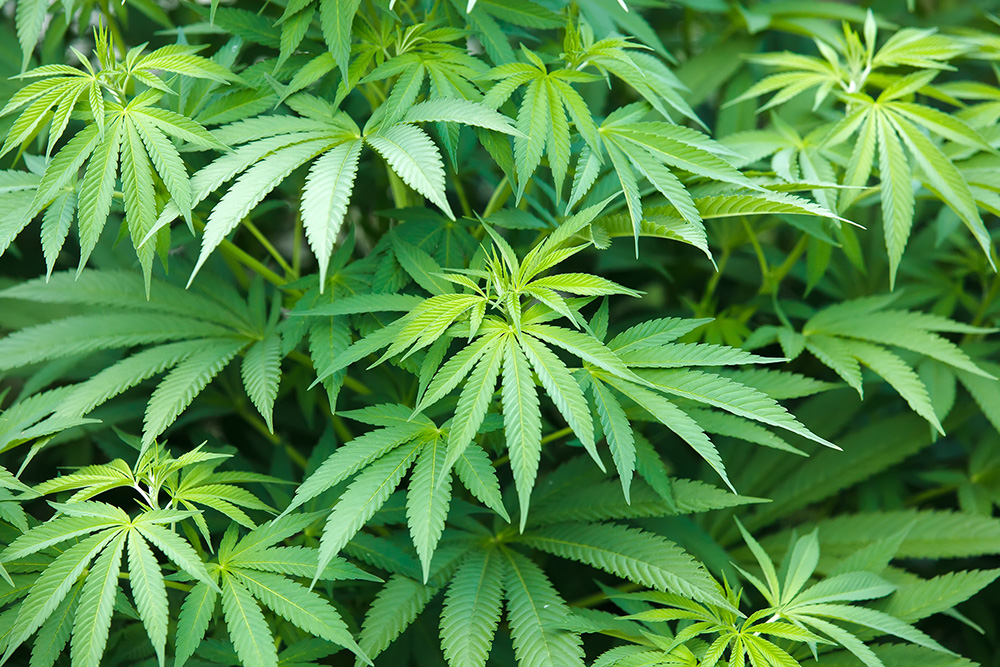
-
Article
Marine Disasters
Over the course of Canada’s history, marine disasters have occurred along the country’s coasts as well as in its freshwater lakes.
"https://d3d0lqu00lnqvz.cloudfront.net/media/media/6b656b4b-173d-416d-967d-03c44bca61ca.jpg" // resources/views/front/categories/view.blade.php
https://d3d0lqu00lnqvz.cloudfront.net/media/media/6b656b4b-173d-416d-967d-03c44bca61ca.jpg
-
Article
Maritime Archaeology
British ColumbiaIn BC, most work has been carried out by the Underwater Archaeological Society of British Columbia (UASBC), a large, successful and mostly avocational group that was formed in 1975. The UASBC's has published seven regional shipwreck inventories.
"https://d3d0lqu00lnqvz.cloudfront.net/media/media/7ecaa63a-c7a6-4708-9151-98a099cb711d.jpg" // resources/views/front/categories/view.blade.php
https://d3d0lqu00lnqvz.cloudfront.net/media/media/7ecaa63a-c7a6-4708-9151-98a099cb711d.jpg
-
Article
Maritime Rights
Maritime Rights was a regional protest that climaxed in the 1920s. Essentially a reform movement, it was triggered by the region's declining influence in CONFEDERATION and its inability to protect important interests in transportation, tariffs, port development and federal subsidies.
"https://thecanadianencyclopedia.ca/images/tce_placeholder.jpg?v=e9dca980c9bdb3aa11e832e7ea94f5d9" // resources/views/front/categories/view.blade.php
https://thecanadianencyclopedia.ca/images/tce_placeholder.jpg?v=e9dca980c9bdb3aa11e832e7ea94f5d9
-
Article
Marmots in Canada
The marmot is a large, diurnal, burrowing rodent of the squirrel family, native to Eurasia and North America. Marmots are rotund and stocky, weigh 2–9 kg, and have thick fur, short bushy tails and small ears.
"https://d3d0lqu00lnqvz.cloudfront.net/media/media/15effd45-c38a-45a3-8690-674f5e83cbe9.jpg" // resources/views/front/categories/view.blade.php
https://d3d0lqu00lnqvz.cloudfront.net/media/media/15effd45-c38a-45a3-8690-674f5e83cbe9.jpg
-
"https://d3d0lqu00lnqvz.cloudfront.net/media/media/5fe2870d-d68e-42fc-8552-596cf7670004.jpg" // resources/views/front/categories/view.blade.php
https://d3d0lqu00lnqvz.cloudfront.net/media/media/5fe2870d-d68e-42fc-8552-596cf7670004.jpg
-
Article
Marriage in Canada
Marriage remains one of the most important social institutions in Canada. It has undergone profound changes since the 1960s. The marriage rate is in decline and the traditional idea of a family is being transformed. After the turn of the millennium, the marriage rate fell to 4.7 marriages per 1,000 people (compared to 10.9 in the 1940s). Married couples are still the predominant family structure. But between 2001 and 2016, the number of common-law couples rose 51.4 per cent; more than five times the increase for married couples over the same period. The definition of what constitutes a married couple also changed in 2005 with the legalization of same-sex marriage. In 2016, 65.8 per cent of Canadian families were headed by married couples; down from 70.5 per cent in 2001. Marriage falls under federal jurisdiction, but the provinces regulate marriage ceremonies and grant marriage licences.
"https://d3d0lqu00lnqvz.cloudfront.net/media/media/774be527-3b4e-4d62-8441-076a3a72ec1e.jpg" // resources/views/front/categories/view.blade.php
https://d3d0lqu00lnqvz.cloudfront.net/media/media/774be527-3b4e-4d62-8441-076a3a72ec1e.jpg