Browse "Things"
-
Article
Leader of the Opposition
In Canada, the leader of the Opposition is the leader of the largest political party sitting in opposition to the federal government. In other words, it is the party with the second most seats in the House of Commons. The formal title is “Leader of His Majesty's Loyal Opposition.” This title reflects the Westminster system of government found in many Commonwealth countries whose political roots can be traced to the United Kingdom. It also emphasizes that the opposition remains loyal to the government even while opposing it. The current leader of the Opposition is Pierre Poilievre, leader of the Conservative Party of Canada.
"https://d3d0lqu00lnqvz.cloudfront.net/Pierre_Poilievre_in_2023.jpg" // resources/views/front/categories/view.blade.php
https://d3d0lqu00lnqvz.cloudfront.net/Pierre_Poilievre_in_2023.jpg
-
Article
Leadership Convention
A leadership convention is a meeting of party members to select a leader of the party. Of the countries deriving their parliamentary system from the Westminster model, Canada alone has adopted and modified the American national party convention as the means for choosing its party leaders.
"https://thecanadianencyclopedia.ca/images/tce_placeholder.jpg?v=e9dca980c9bdb3aa11e832e7ea94f5d9" // resources/views/front/categories/view.blade.php
https://thecanadianencyclopedia.ca/images/tce_placeholder.jpg?v=e9dca980c9bdb3aa11e832e7ea94f5d9
-
Article
League for a Revolutionary Workers’ Party
The League for a Revolutionary Workers’ Party (LRWP) was a small but influential communist organization active in Canada from 1934 until 1940. Often referred to as “Fieldites” – after their leader in New York, B.J. Field – the extreme left-wing group advocated for violent revolution, direct labour action, the formation of workers’ councils (Soviets), and the establishment of a new revolutionary organization to replace the corrupted Third International (Comintern). The Canadian wing of the LRWP was notable for its volume of publications, some successes in labour and anti-fascist organization, and its support for the Workers’ Party of Marxist Unification (POUM) during the Spanish Civil War.
"https://d3d0lqu00lnqvz.cloudfront.net/William_Krehm.jpg" // resources/views/front/categories/view.blade.php
https://d3d0lqu00lnqvz.cloudfront.net/William_Krehm.jpg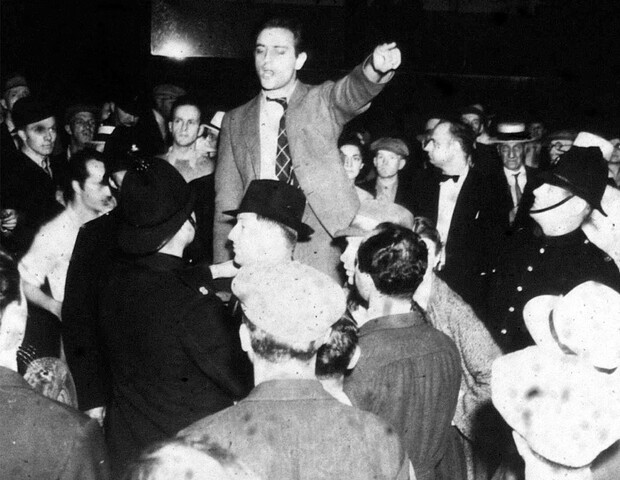
-
Article
League for Social Reconstruction
The League for Social Reconstruction (1932–42) was an organization of socialist intellectuals that advocated for political education and economic and social reform. The LSR was formed in response to the Great Depression. Its members were influential in the Co-operative Commonwealth Federation.
"https://d3d0lqu00lnqvz.cloudfront.net/Frank-Scott.jpg" // resources/views/front/categories/view.blade.php
https://d3d0lqu00lnqvz.cloudfront.net/Frank-Scott.jpg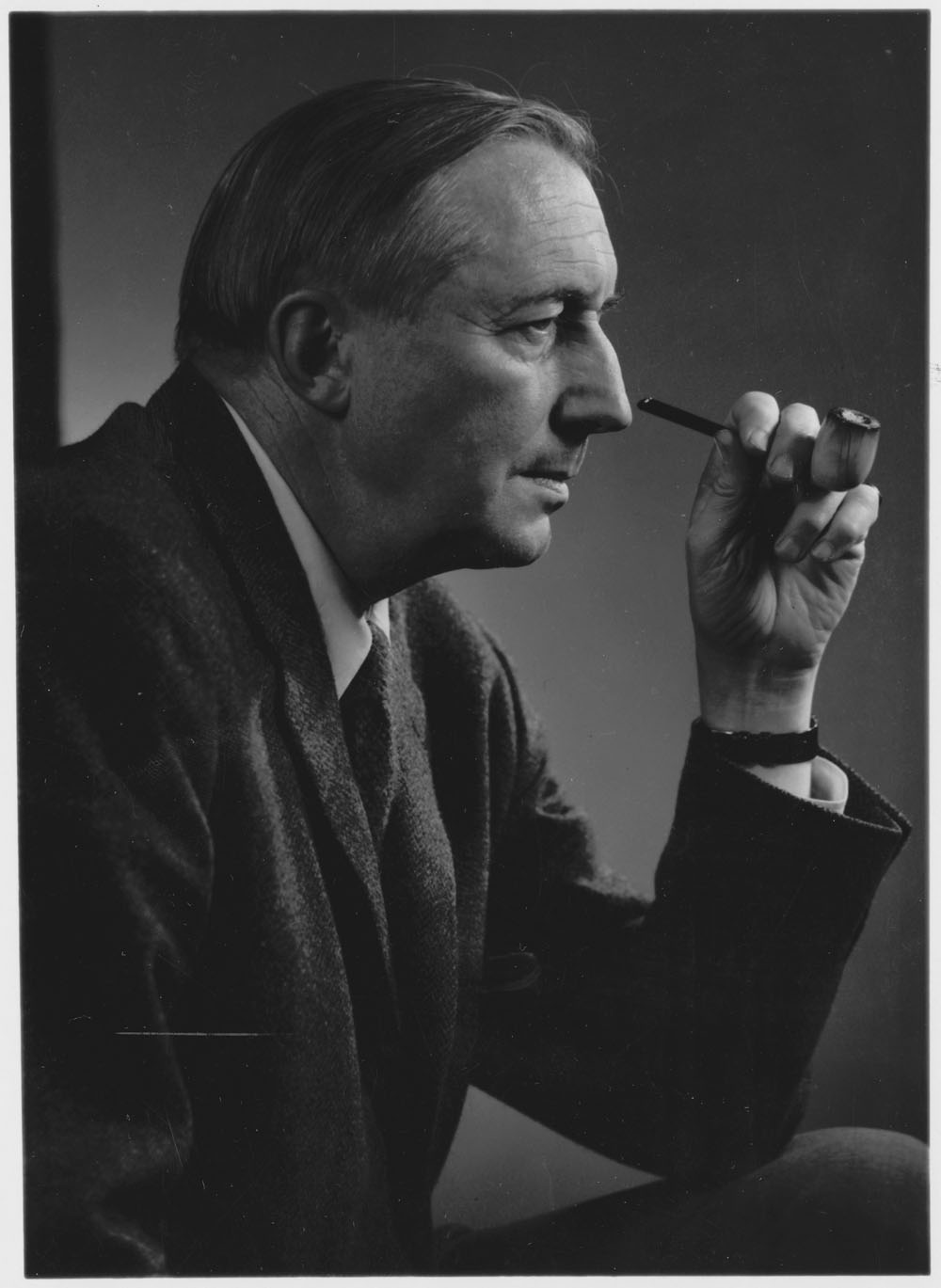
-
Article
Canada and the League of Nations
The League of Nations was an organization of 63 countries established in 1919, after the First World War. Canada was a founding member. The League ultimately failed in its aim of collective security. It was replaced by the United Nations at the end of the Second World War. However, the League of Nations did establish a new model for international organizations. League membership brought Canada its first official contact with foreign governments and helped to establish its position as a sovereign state. It also introduced Canada to the opportunities and challenges of international co-operation and peacekeeping.
"https://d3d0lqu00lnqvz.cloudfront.net/media/media/51b027bf-71b7-4da0-b10b-083506ad8a36.jpg" // resources/views/front/categories/view.blade.php
https://d3d0lqu00lnqvz.cloudfront.net/media/media/51b027bf-71b7-4da0-b10b-083506ad8a36.jpg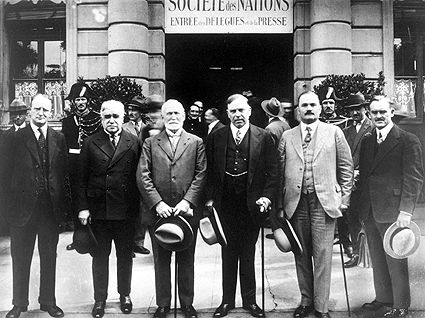
-
Article
League of Nations Society in Canada
The League of Nations Society in Canada was founded 1921 to promote international peace by developing public knowledge of and support for the League of Nations. With headquarters in Ottawa, it operated until 1942. Its presidents included such public figures as Sir Robert Borden, Sir George Foster, Ernest Lapointe and Cairine Wilson. John W. Dafoe, Newton W. Rowell and J.S. Woodsworth served on its national council. The society's activities were primarily promotional and educational. It distributed league publications and its own monthly, Interdependence, and sponsored speaking tours and radio broadcasts by supporters. It was the first Canadian organization to encourage public interest in and understanding of international affairs.
"https://thecanadianencyclopedia.ca/images/tce_placeholder.jpg?v=e9dca980c9bdb3aa11e832e7ea94f5d9" // resources/views/front/categories/view.blade.php
https://thecanadianencyclopedia.ca/images/tce_placeholder.jpg?v=e9dca980c9bdb3aa11e832e7ea94f5d9
-
Article
Leatherback Sea Turtle
The leatherback sea turtle (Dermochelys coriacea), or simply “leatherback,” is the largest turtle and widest-ranging reptile in the world. It began evolving over 100 million years ago and is the last remaining member of the Dermochelyidae family. It has seven subpopulations worldwide, two of which can be found in Canadian waters.
"https://d3d0lqu00lnqvz.cloudfront.net/media/new_article_images/LeatherbackSeaTurtle/BabyLeatherback.jpg" // resources/views/front/categories/view.blade.php
https://d3d0lqu00lnqvz.cloudfront.net/media/new_article_images/LeatherbackSeaTurtle/BabyLeatherback.jpg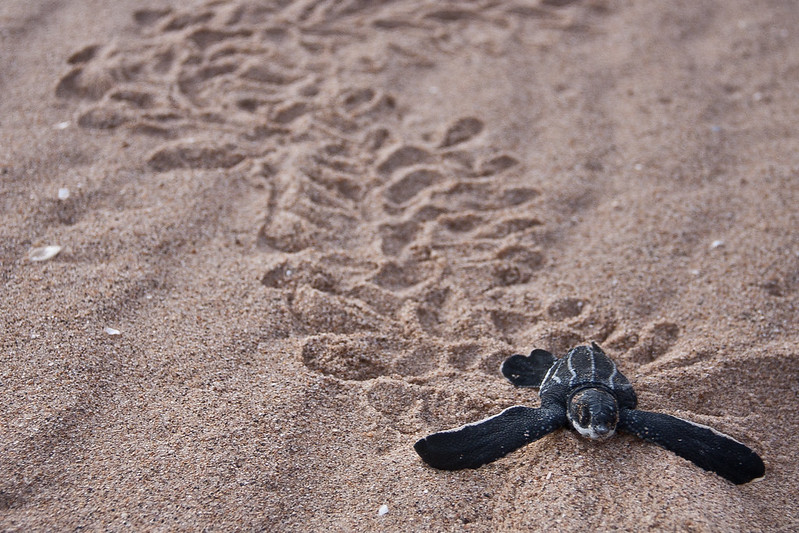
-
Article
Lebanese Food in Canada
In 2021, Canada’s Lebanese diaspora numbered 210,605 people. Lebanese respondents made up Canada’s largest Middle Eastern or Southwest Asian population group. (See also Arab Canadians.) Over the years, Lebanese immigrants have brought Lebanese food, cuisine and products to Canada. They’ve used their cuisine to showcase their culture through grocery stores, restaurants, bakeries and cookbooks. Food was not only a way to build a life in Canada but also a way to keep Lebanese culture alive for future generations.
"https://d3d0lqu00lnqvz.cloudfront.net/lebanese-dishes/hummus.jpg" // resources/views/front/categories/view.blade.php
https://d3d0lqu00lnqvz.cloudfront.net/lebanese-dishes/hummus.jpg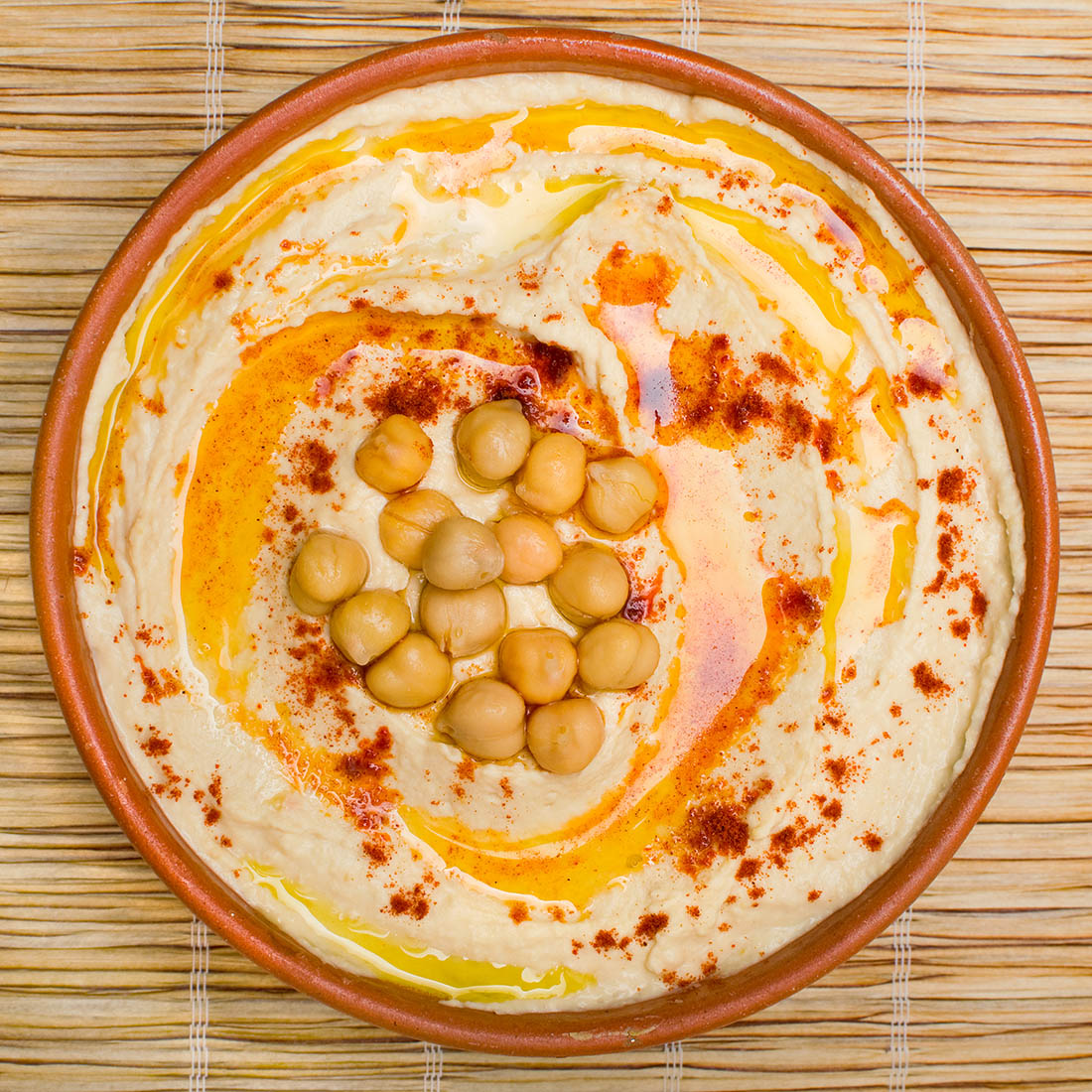
-
Article
Lebanese Music in Canada
Immigration to Canada from Lebanon (formerly part of the Ottoman district of 'Greater Syria') began in 1882.
"https://thecanadianencyclopedia.ca/images/tce_placeholder.jpg?v=e9dca980c9bdb3aa11e832e7ea94f5d9" // resources/views/front/categories/view.blade.php
https://thecanadianencyclopedia.ca/images/tce_placeholder.jpg?v=e9dca980c9bdb3aa11e832e7ea94f5d9
-
Article
Leech
Leech (class Hirudinea) is a segmented annelid worm with 34 segments, many external rings and no setae (bristles).
"https://d3d0lqu00lnqvz.cloudfront.net/media/media/e1a3571d-42b5-49b0-97fb-d6e0d037c1f9.jpg" // resources/views/front/categories/view.blade.php
https://d3d0lqu00lnqvz.cloudfront.net/media/media/e1a3571d-42b5-49b0-97fb-d6e0d037c1f9.jpg
-
Article
Legal Aid
The availability of publicly funded legal services for poor clients in Canada has developed only in the latter half of the 20th century.
"https://thecanadianencyclopedia.ca/images/tce_placeholder.jpg?v=e9dca980c9bdb3aa11e832e7ea94f5d9" // resources/views/front/categories/view.blade.php
https://thecanadianencyclopedia.ca/images/tce_placeholder.jpg?v=e9dca980c9bdb3aa11e832e7ea94f5d9
-
Article
Legal Education
Because all provinces but Québec inherited the English COMMON LAW, legal education in Canada - training for the practice of law - was in the beginning modelled on that in England. In England, however, the profession was and is divided into 2 mutually exclusive branches - BARRISTERS and SOLICITORS.
"https://d3d0lqu00lnqvz.cloudfront.net/media/media/e50058ce-1b34-4494-a8e7-3eadcaf26a14.jpg" // resources/views/front/categories/view.blade.php
https://d3d0lqu00lnqvz.cloudfront.net/media/media/e50058ce-1b34-4494-a8e7-3eadcaf26a14.jpg
-
Article
Legume
Leguminosae, or Fabaceae, is the third-largest family of flowering plants, containing up to 650 genera and 18,000 species. Over 4,000 species are native to North America, most of which are members of the bean subfamily. They occur as scattered, secondary components of native vegetation. Over 2,000 species of milk vetch (genus Astragalus) alone occur worldwide, more than 40 in Canada. Other common native legumes are lupines (Lupinus), vetches (Vicia), locoweed (Oxytropis) and vetchling (Lathyrus). Most legumes, in association with strains of the bacterium Rhizobium,"fix" part of their nitrogen requirement and improve soils as green manure. Legumes are also a staple in the diets of both animals and humans.
"https://d3d0lqu00lnqvz.cloudfront.net/legume/alfalfa.jpg" // resources/views/front/categories/view.blade.php
https://d3d0lqu00lnqvz.cloudfront.net/legume/alfalfa.jpg
-
Article
Leliefontein
During the SOUTH AFRICAN WAR 90 officers and men of the Royal Canadian Dragoons were assigned to cover the retreat of a British infantry column under attack by several hundred Boer horsemen near Leliefontein farm, east Transvaal.
"https://thecanadianencyclopedia.ca/images/tce_placeholder.jpg?v=e9dca980c9bdb3aa11e832e7ea94f5d9" // resources/views/front/categories/view.blade.php
https://thecanadianencyclopedia.ca/images/tce_placeholder.jpg?v=e9dca980c9bdb3aa11e832e7ea94f5d9
-
Article
Lemmings in Canada
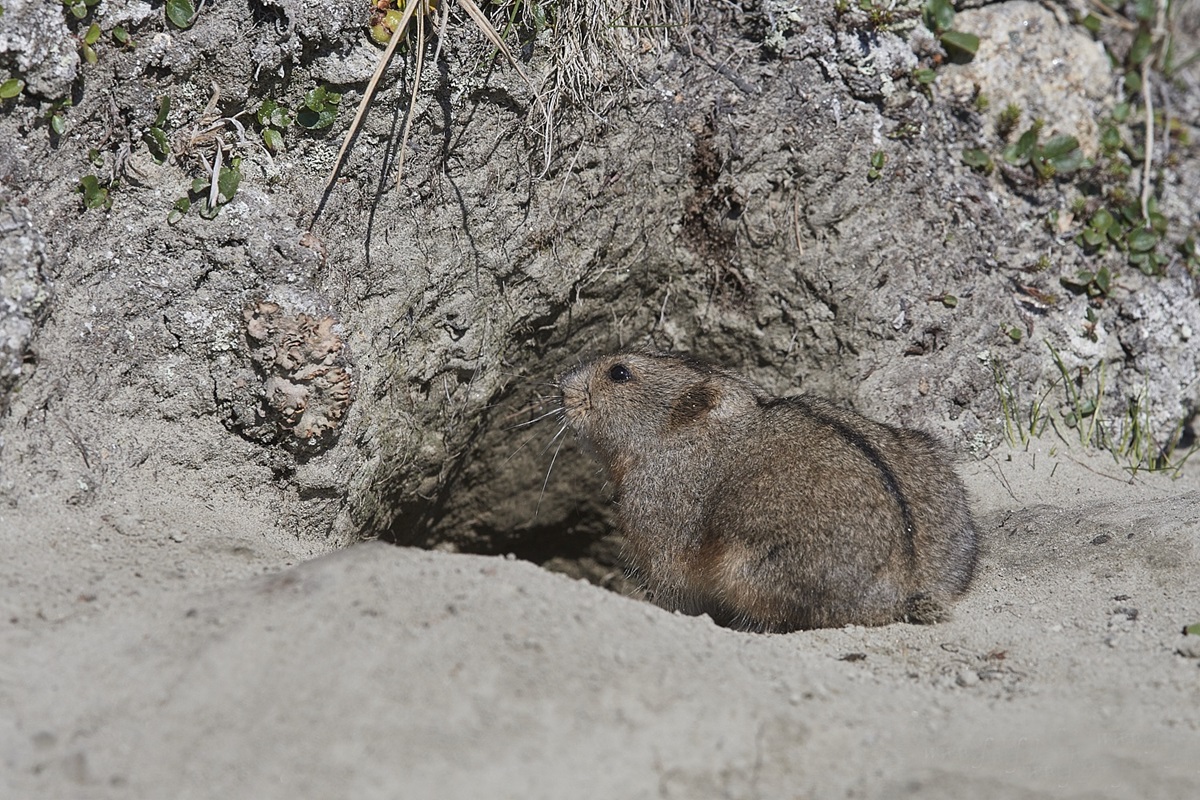
Lemmings are stocky northern rodents related to voles. About 16 species occur worldwide, six of which can be found in Canada: the northern bog lemming (Mictomys borealis), the southern bog lemming (Synaptomys cooperi), the Nearctic brown lemming (also known as the Canadian lemming, Lemmus trimucronatus), the northern collared lemming (Dicrostonyx groenlandicus), the Richardson's collared lemming (Dicrostonyx richardsoni) and the Ungava collared lemming (Dicrostonyx hudsonius). Both the Richardson's and the Ungava collared lemming are endemic to Canada (see Animals Only Found in Canada). Most Canadian lemmings are found in the tundra of the Arctic Archipelago, the Hudson Bay area, Labrador and the Ungava Peninsula.
"https://d3d0lqu00lnqvz.cloudfront.net/animalsonlyincanada/ungava-collared-lemming.jpg" // resources/views/front/categories/view.blade.php
https://d3d0lqu00lnqvz.cloudfront.net/animalsonlyincanada/ungava-collared-lemming.jpg