Browse "Things"
-
Macleans
Layton's New Ambition
The dark cars with the tinted windows roll up and Jack Layton emerges, an RCMP detail, as all candidates for prime minister are afforded, in tow.This article was originally published in Maclean's Magazine on September 29, 2008
"https://thecanadianencyclopedia.ca/images/tce_placeholder.jpg?v=e9dca980c9bdb3aa11e832e7ea94f5d9" // resources/views/front/categories/view.blade.php
https://thecanadianencyclopedia.ca/images/tce_placeholder.jpg?v=e9dca980c9bdb3aa11e832e7ea94f5d9
-
Article
Lachine Canal
The Lachine Canal passes through the southwestern part of the island of Montreal, from the Old Port to the borough of Lachine, where it flows into Lake Saint-Louis. Now 14 km long and an average of about 50 m wide, it is, among other things, a navigable waterway that boats can use to bypass the Lachine Rapids, though these are passable only in small crafts with very shallow drafts. A series of five locks in total provides elevation changes of 12 to 15 m. While the canal’s structures look recent and are now used exclusively for recreational boating, they actually conceal a 300-plus-year history, including an industrial past of which only a few vestiges can still be seen. A living legacy of Canada’s industrial history, the Lachine Canal was declared a Canadian national historic site in 1996. The Lachine Canal National Historic Site is administered by Parks Canada, a federal agency.
"https://d3d0lqu00lnqvz.cloudfront.net/media/media/3cff11c1-33f8-46e7-a459-1dcfb3bd09e1.jpg" // resources/views/front/categories/view.blade.php
https://d3d0lqu00lnqvz.cloudfront.net/media/media/3cff11c1-33f8-46e7-a459-1dcfb3bd09e1.jpg
-
Article
Château Ramezay
Château Ramezay, in Old Montréal, was the first building to be designated a historic monument by the government of Québec, in 1929. Recognized as a National Historic Site of Canada in 1949, it is now a museum with permanent collections and temporary exhibits where visitors can learn about over 500 years of Montréal’s history.
"https://d3d0lqu00lnqvz.cloudfront.net/media/media/0e53d9e8-0dcd-402a-ae45-4a6207d2455e.jpg" // resources/views/front/categories/view.blade.php
https://d3d0lqu00lnqvz.cloudfront.net/media/media/0e53d9e8-0dcd-402a-ae45-4a6207d2455e.jpg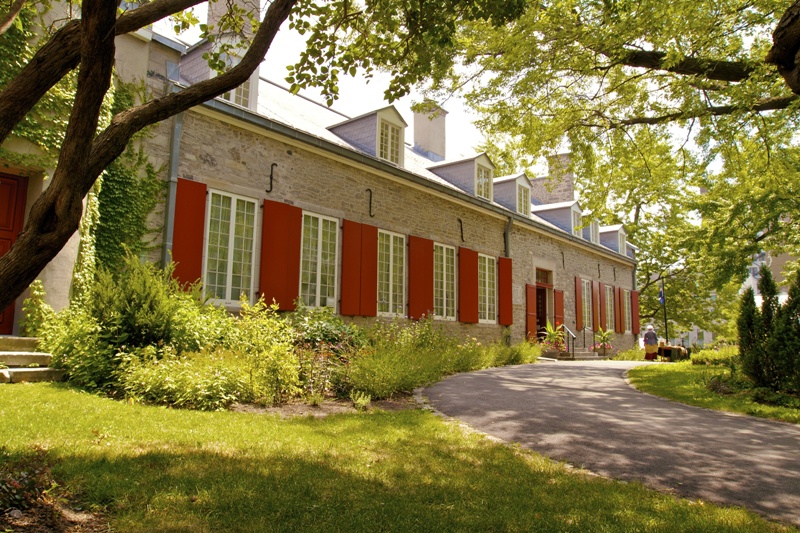
-
Article
Le Devoir
Le Devoir is a French-language newspaper founded in Montreal in 1910 by Henri Bourassa. Known for its financial independence, this daily newspaper is still active to this day.
"https://d3d0lqu00lnqvz.cloudfront.net/media/media/04c5cf2b-940f-4410-b1a6-fa7105c8b99e.jpg" // resources/views/front/categories/view.blade.php
https://d3d0lqu00lnqvz.cloudfront.net/media/media/04c5cf2b-940f-4410-b1a6-fa7105c8b99e.jpg
-
Article
Le Graduel romain
Le Graduel romain. A collection containing all the chants for the Proper of the mass: introit, gradual, tract or alleluia, offertory, and communion, as well as those for the Feasts of Our Lord (the Proper of the Time) and of the Saints (the Common of the Saints).
"https://thecanadianencyclopedia.ca/images/tce_placeholder.jpg?v=e9dca980c9bdb3aa11e832e7ea94f5d9" // resources/views/front/categories/view.blade.php
https://thecanadianencyclopedia.ca/images/tce_placeholder.jpg?v=e9dca980c9bdb3aa11e832e7ea94f5d9
-
Article
Le Patriote
Boîte à chansons opened in January 1965 in east Montreal by Yves Blais and Percival Bloomfield. Until 1972 it was the only establishment of its kind in Quebec to present singer-songwriters seven nights a week.
"https://thecanadianencyclopedia.ca/images/tce_placeholder.jpg?v=e9dca980c9bdb3aa11e832e7ea94f5d9" // resources/views/front/categories/view.blade.php
https://thecanadianencyclopedia.ca/images/tce_placeholder.jpg?v=e9dca980c9bdb3aa11e832e7ea94f5d9
-
Article
Lead
Lead is extracted from mined ores containing zinc, silver and minor amounts of copper. It is also recovered from recycled materials; more than 50% of world metal production comes from recycling, making lead one of the most recycled metals in the world.
"https://d3d0lqu00lnqvz.cloudfront.net/media/media/ce44b12a-2a95-49bd-8a7d-3904be24498f.jpg" // resources/views/front/categories/view.blade.php
https://d3d0lqu00lnqvz.cloudfront.net/media/media/ce44b12a-2a95-49bd-8a7d-3904be24498f.jpg
-
Article
Leader of the Opposition
In Canada, the leader of the Opposition is the leader of the largest political party sitting in opposition to the federal government. In other words, it is the party with the second most seats in the House of Commons. The formal title is “Leader of His Majesty's Loyal Opposition.” This title reflects the Westminster system of government found in many Commonwealth countries whose political roots can be traced to the United Kingdom. It also emphasizes that the opposition remains loyal to the government even while opposing it. The current leader of the Opposition is Pierre Poilievre, leader of the Conservative Party of Canada.
"https://d3d0lqu00lnqvz.cloudfront.net/Pierre_Poilievre_in_2023.jpg" // resources/views/front/categories/view.blade.php
https://d3d0lqu00lnqvz.cloudfront.net/Pierre_Poilievre_in_2023.jpg
-
Article
Leadership Convention
A leadership convention is a meeting of party members to select a leader of the party. Of the countries deriving their parliamentary system from the Westminster model, Canada alone has adopted and modified the American national party convention as the means for choosing its party leaders.
"https://thecanadianencyclopedia.ca/images/tce_placeholder.jpg?v=e9dca980c9bdb3aa11e832e7ea94f5d9" // resources/views/front/categories/view.blade.php
https://thecanadianencyclopedia.ca/images/tce_placeholder.jpg?v=e9dca980c9bdb3aa11e832e7ea94f5d9
-
Article
League for a Revolutionary Workers’ Party
The League for a Revolutionary Workers’ Party (LRWP) was a small but influential communist organization active in Canada from 1934 until 1940. Often referred to as “Fieldites” – after their leader in New York, B.J. Field – the extreme left-wing group advocated for violent revolution, direct labour action, the formation of workers’ councils (Soviets), and the establishment of a new revolutionary organization to replace the corrupted Third International (Comintern). The Canadian wing of the LRWP was notable for its volume of publications, some successes in labour and anti-fascist organization, and its support for the Workers’ Party of Marxist Unification (POUM) during the Spanish Civil War.
"https://d3d0lqu00lnqvz.cloudfront.net/William_Krehm.jpg" // resources/views/front/categories/view.blade.php
https://d3d0lqu00lnqvz.cloudfront.net/William_Krehm.jpg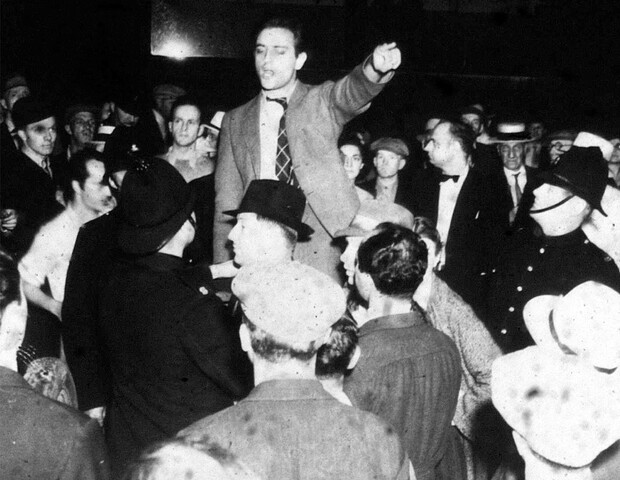
-
Article
League for Social Reconstruction
The League for Social Reconstruction (1932–42) was an organization of socialist intellectuals that advocated for political education and economic and social reform. The LSR was formed in response to the Great Depression. Its members were influential in the Co-operative Commonwealth Federation.
"https://d3d0lqu00lnqvz.cloudfront.net/Frank-Scott.jpg" // resources/views/front/categories/view.blade.php
https://d3d0lqu00lnqvz.cloudfront.net/Frank-Scott.jpg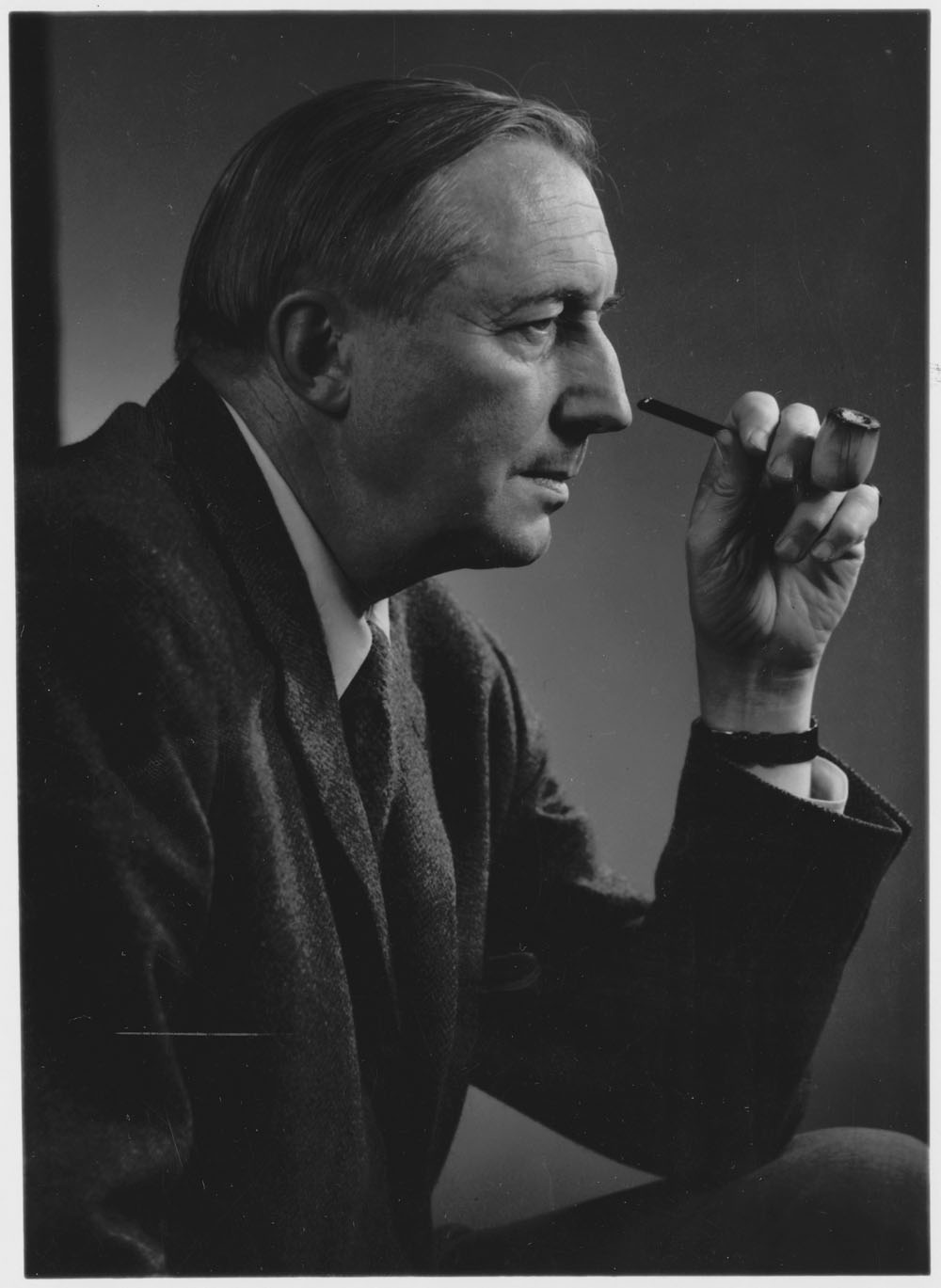
-
Article
Canada and the League of Nations
The League of Nations was an organization of 63 countries established in 1919, after the First World War. Canada was a founding member. The League ultimately failed in its aim of collective security. It was replaced by the United Nations at the end of the Second World War. However, the League of Nations did establish a new model for international organizations. League membership brought Canada its first official contact with foreign governments and helped to establish its position as a sovereign state. It also introduced Canada to the opportunities and challenges of international co-operation and peacekeeping.
"https://d3d0lqu00lnqvz.cloudfront.net/media/media/51b027bf-71b7-4da0-b10b-083506ad8a36.jpg" // resources/views/front/categories/view.blade.php
https://d3d0lqu00lnqvz.cloudfront.net/media/media/51b027bf-71b7-4da0-b10b-083506ad8a36.jpg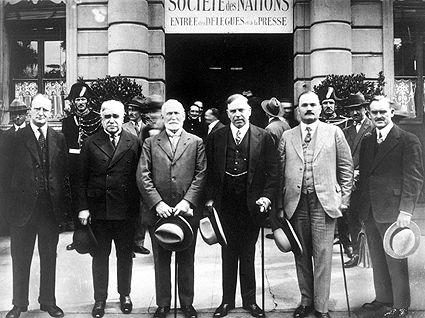
-
Article
League of Nations Society in Canada
The League of Nations Society in Canada was founded 1921 to promote international peace by developing public knowledge of and support for the League of Nations. With headquarters in Ottawa, it operated until 1942. Its presidents included such public figures as Sir Robert Borden, Sir George Foster, Ernest Lapointe and Cairine Wilson. John W. Dafoe, Newton W. Rowell and J.S. Woodsworth served on its national council. The society's activities were primarily promotional and educational. It distributed league publications and its own monthly, Interdependence, and sponsored speaking tours and radio broadcasts by supporters. It was the first Canadian organization to encourage public interest in and understanding of international affairs.
"https://thecanadianencyclopedia.ca/images/tce_placeholder.jpg?v=e9dca980c9bdb3aa11e832e7ea94f5d9" // resources/views/front/categories/view.blade.php
https://thecanadianencyclopedia.ca/images/tce_placeholder.jpg?v=e9dca980c9bdb3aa11e832e7ea94f5d9
-
Article
Leatherback Sea Turtle
The leatherback sea turtle (Dermochelys coriacea), or simply “leatherback,” is the largest turtle and widest-ranging reptile in the world. It began evolving over 100 million years ago and is the last remaining member of the Dermochelyidae family. It has seven subpopulations worldwide, two of which can be found in Canadian waters.
"https://d3d0lqu00lnqvz.cloudfront.net/media/new_article_images/LeatherbackSeaTurtle/BabyLeatherback.jpg" // resources/views/front/categories/view.blade.php
https://d3d0lqu00lnqvz.cloudfront.net/media/new_article_images/LeatherbackSeaTurtle/BabyLeatherback.jpg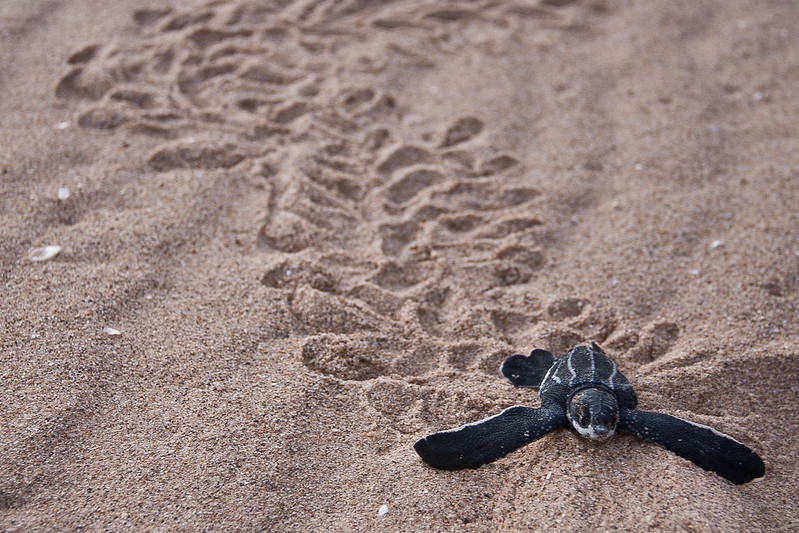
-
Article
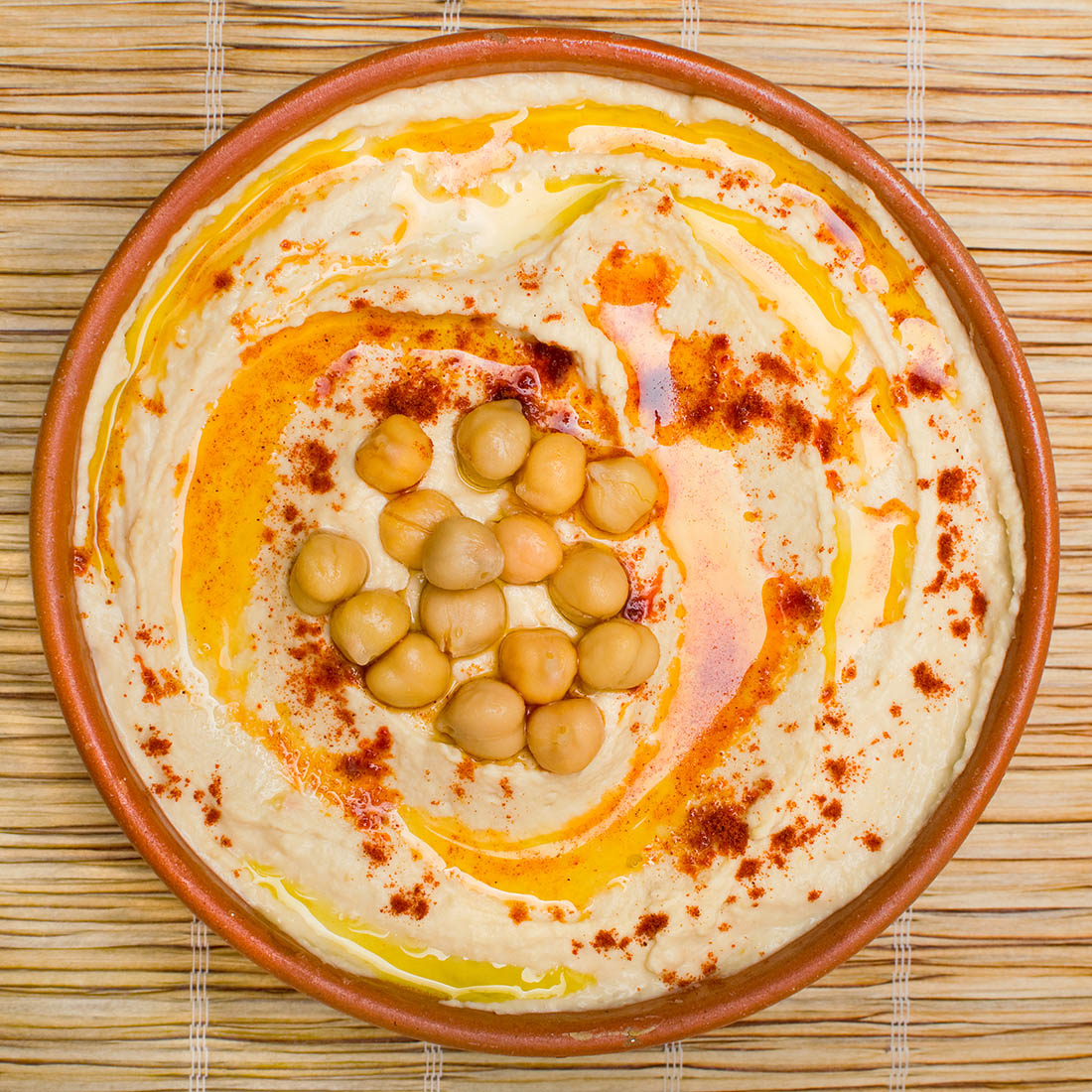
Lebanese Food in Canada
In 2021, Canada’s Lebanese diaspora numbered 210,605 people. Lebanese respondents made up Canada’s largest Middle Eastern or Southwest Asian population group. (See also Arab Canadians.) Over the years, Lebanese immigrants have brought Lebanese food, cuisine and products to Canada. They’ve used their cuisine to showcase their culture through grocery stores, restaurants, bakeries and cookbooks. Food was not only a way to build a life in Canada but also a way to keep Lebanese culture alive for future generations.
"https://d3d0lqu00lnqvz.cloudfront.net/lebanese-dishes/hummus.jpg" // resources/views/front/categories/view.blade.php
https://d3d0lqu00lnqvz.cloudfront.net/lebanese-dishes/hummus.jpg