Browse "Things"
-
Article
Gulls in Canada
The gull (Laridae) family consists of long-winged, web-footed birds containing two subfamilies: Larinae (true gulls and kittiwakes, about 50 species) and Sterninae (terns, 44 species). All but one species of Larinae have squared-off tails. Most adults are white with grey backs and wings, and black wingtips. Most have white heads, but some smaller species have black heads. Nearly all juveniles are brownish, becoming white adults in 2–3 years. They are relatively long-lived (banding records show 20–30 years), breeding from 3 to at least 12 years of age.
"https://d3d0lqu00lnqvz.cloudfront.net/gull/ringbilled-gull.jpg" // resources/views/front/categories/view.blade.php
https://d3d0lqu00lnqvz.cloudfront.net/gull/ringbilled-gull.jpg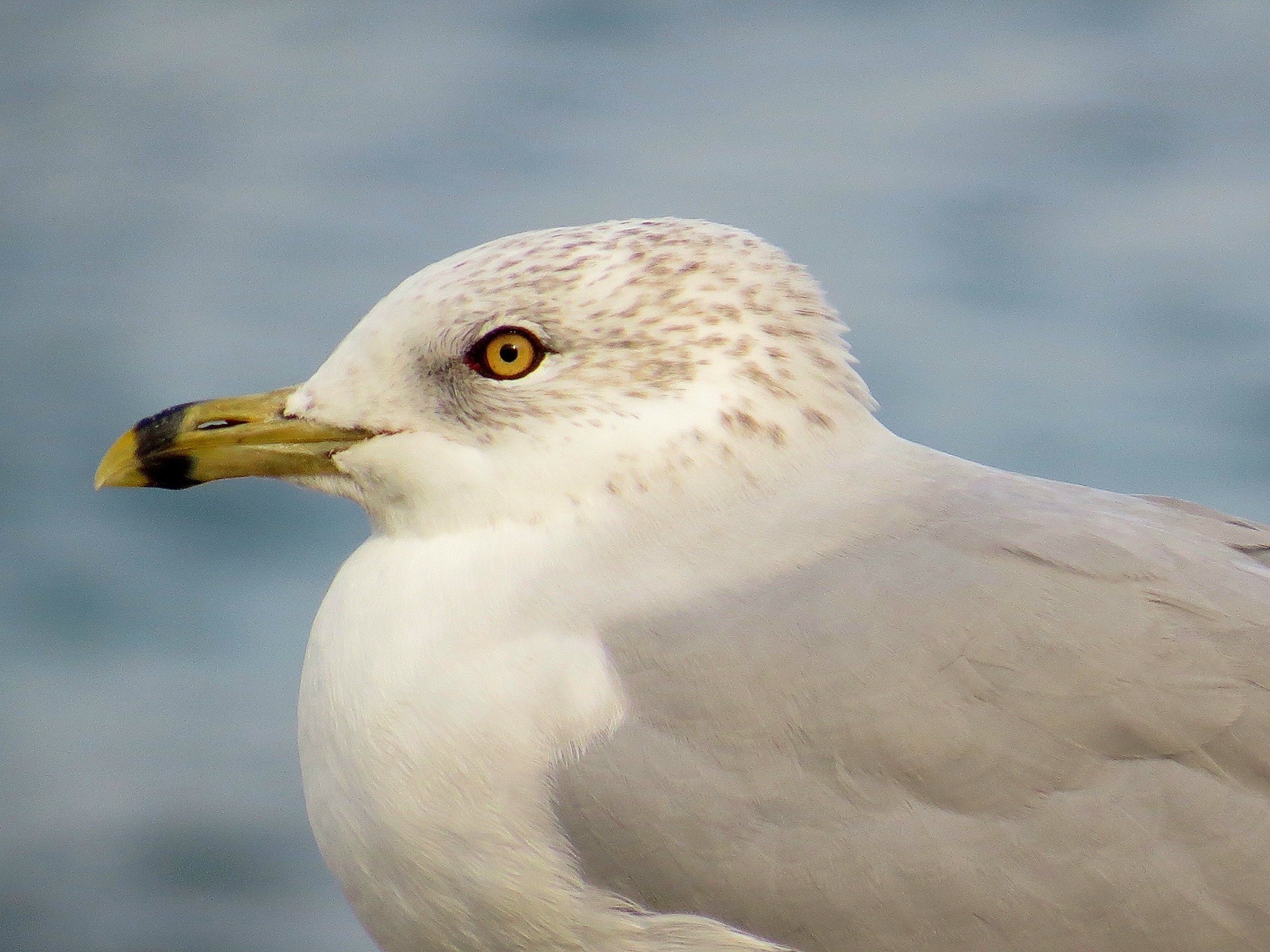
-
Article
Gun Control in Canada
Gun control in Canada is governed by the Criminal Code, as well as the Firearms Act (1995) and related regulations. The Criminal Code lays out the criminal offences related to the misuse, storage, transportation, sale and possession of firearms; as well as consequent punishments. The Firearms Act regulates the manufacture, import/export, acquisition, possession, transfer, transportation, and storage of firearms in Canada. It lays out prohibitions and restrictions on various types of firearms, which are classified as either non-restricted, restricted, or prohibited. The Act also outlines the requirements for the licensing and registration of firearms in Canada. The Canadian Firearms Program (CFP), led by the RCMP, administers the Firearms Act. Fulfilment of the Canadian Firearms Safety Course and obtainment of a Possession and Acquisition Licence (PAL) are required to possess and use firearms in Canada.
"https://d3d0lqu00lnqvz.cloudfront.net/media/new_article_images/GunControl/Handgun_collection.jpg" // resources/views/front/categories/view.blade.php
https://d3d0lqu00lnqvz.cloudfront.net/media/new_article_images/GunControl/Handgun_collection.jpg
-
Article
Gustafsen Lake Standoff
The Gustafsen Lake Standoff was a month-long conflict (18 August–17 September 1995) between a small group of First Nations Sun Dancers and the Royal Canadian Mounted Police (RCMP). The standoff took place in central British Columbia, in Secwepemc (Shuswap) territory near 100 Mile House. Sparked by a dispute between a local rancher and a camp of Sun Dancers over access to private land for ceremonial purposes, the armed confrontation raised larger questions of Indigenous land rights in British Columbia. On 11 September 1995, in what was later called the largest paramilitary operation in the history of the province, RCMP surrounded the remote camp and a firefight erupted during which, remarkably, no one was seriously injured. The standoff at Gustafsen Lake is perhaps the least known in a series of localized armed conflicts involving Indigenous peoples in the 1990s that included the Oka and Ipperwash crises in Quebec and Ontario, respectively.
"https://d3d0lqu00lnqvz.cloudfront.net/media/media/a91c62c3-627d-4cbc-bc37-75fe1f9ee255.jpg" // resources/views/front/categories/view.blade.php
https://d3d0lqu00lnqvz.cloudfront.net/media/media/a91c62c3-627d-4cbc-bc37-75fe1f9ee255.jpg
-
Macleans
Gustafsen Lake Standoff: 15 Charged
The trial took 10 months, its drama unfolding daily behind floor-to-ceiling bulletproof glass in the highest-security courtroom in British Columbia. Spectators passed through a metal detector before entering the B.C. Supreme Court in Surrey, a southeast suburb of Vancouver.This article was originally published in Maclean's Magazine on June 2, 1997
"https://thecanadianencyclopedia.ca/images/tce_placeholder.jpg?v=e9dca980c9bdb3aa11e832e7ea94f5d9" // resources/views/front/categories/view.blade.php
https://thecanadianencyclopedia.ca/images/tce_placeholder.jpg?v=e9dca980c9bdb3aa11e832e7ea94f5d9
-
Macleans
Gut of the matter
Heart disease, Crohn’s, even autism may be affected by the bacteria in our guts—and the fix may live there, too.This article was originally published in Maclean's Magazine on July 15, 2013
"https://thecanadianencyclopedia.ca/images/tce_placeholder.jpg?v=e9dca980c9bdb3aa11e832e7ea94f5d9" // resources/views/front/categories/view.blade.php
https://thecanadianencyclopedia.ca/images/tce_placeholder.jpg?v=e9dca980c9bdb3aa11e832e7ea94f5d9
-
Article
Guy Paul Morin Case
The Guy Paul Morin case was the second major wrongful conviction case to occur in the modern era of the Canadian criminal justice system. The case was riddled with official errors — from inaccurate eyewitness testimony and police tunnel vision, to scientific bungling and the suppression of evidence. Morin had been acquitted of the murder of nine-year-old Christine Jessop in 1986, only to be found guilty at a retrial in 1992. He was cleared by DNA evidence in 1995 and received $1.25 million in compensation. In 2020, DNA evidence identified Calvin Hoover, a Jessop family friend who died in 2015, as the real killer.This article contains sensitive material that may not be suitable for all audiences.
"https://d3d0lqu00lnqvz.cloudfront.net/media/media/3db345a4-10ed-4079-a8dd-64108fa40934.jpg" // resources/views/front/categories/view.blade.php
https://d3d0lqu00lnqvz.cloudfront.net/media/media/3db345a4-10ed-4079-a8dd-64108fa40934.jpg
-
Article
Gymnastics
One of the oldest and most fundamental sports, it originated in ancient Greece. Modern-day artistic gymnastics developed in Germany in the early 1800s. The first Olympic Gymnasium opened in Montréal in 1843, followed by others in Québec City, Toronto, Hamilton, Ottawa, Halifax and Victoria.
"https://d3d0lqu00lnqvz.cloudfront.net/media/media/abf2d306-c9df-4f21-8072-d6ff3c712de5.jpg" // resources/views/front/categories/view.blade.php
https://d3d0lqu00lnqvz.cloudfront.net/media/media/abf2d306-c9df-4f21-8072-d6ff3c712de5.jpg
-
Article
Gypsum
The principal use for gypsum is wallboard. Crude gypsum is pulverized and heated to form stucco, which is mixed with water and aggregate (sand, vermiculite or expanded perlite) and applied over wood, metal or gypsum lath to form interior wall finishes.
"https://d3d0lqu00lnqvz.cloudfront.net/media/media/d296e1a0-9748-4a50-b6ea-9863ac520767.jpg" // resources/views/front/categories/view.blade.php
https://d3d0lqu00lnqvz.cloudfront.net/media/media/d296e1a0-9748-4a50-b6ea-9863ac520767.jpg
-
Article
Gyrfalcon
The gyrfalcon (Falco rusticolus) is the largest and most northerly of diurnal raptors, and nests on cliff sides in circumpolar Arctic tundra and taiga habitats. Although its diet varies with location, the gyrfalcon is considered a specialist predator, with ptarmigan as its primary food source. The gyrfalcon is the official bird of the Northwest Territories. In Inuktitut, it is called kissaviarsuk and kingavik.
"https://d3d0lqu00lnqvz.cloudfront.net/gyrfalcon/gyrfalcon-close-up.jpg" // resources/views/front/categories/view.blade.php
https://d3d0lqu00lnqvz.cloudfront.net/gyrfalcon/gyrfalcon-close-up.jpg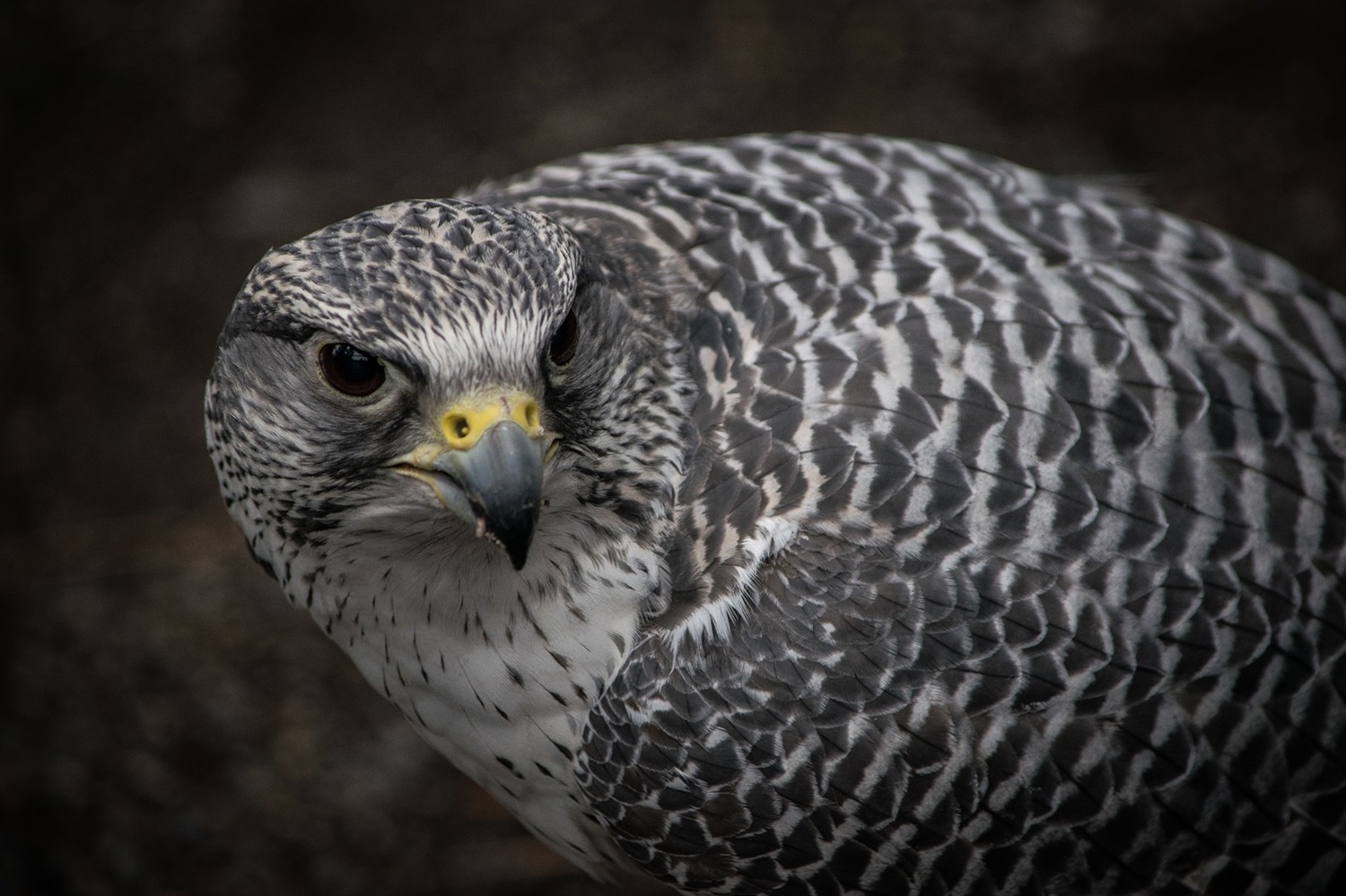
-
Article
H1N1 Flu of 2009 in Canada
From April to December 2009, Canada experienced an outbreak of influenza A (H1N1). The virus began in North America and spread to many other countries in a global pandemic. This new type of flu differed from the typical seasonal flu, and its effects were more severe. Worldwide, more than 18,000 people are confirmed to have died of H1N1, including 428 Canadians. Estimates based on statistical models have put global deaths much higher. Totals may have been in the hundreds of thousands. The H1N1 pandemic tested Canada’s improvements to its public health system after the SARS outbreak of 2003. On the whole, it revealed a more efficient, coordinated response. Click here for definitions of key terms used in this article.
"https://d3d0lqu00lnqvz.cloudfront.net/media/new_article_images/H1N1Fluof2009/H1N1_influenza_virus.jpg" // resources/views/front/categories/view.blade.php
https://d3d0lqu00lnqvz.cloudfront.net/media/new_article_images/H1N1Fluof2009/H1N1_influenza_virus.jpg
-
Article
Habitat 67
Habitat 67 is an experimental urban residential complex designed by Israeli-born architect Moshe Safdie and located in the Cité du Havre neighbourhood south of Montréal’s Old Port sector. Commissioned by the Canadian Corporation for Expo 67, the project derives its name from the theme of the fair, “Man and His World,” and became one of the major pavilions of the exhibition. It is the only remaining structure from Expo 67 to retain its original function. In 2015, the Guardian called Habitat “a functioning icon of 1960s utopianism, and one of that period’s most important buildings.”
"https://d3d0lqu00lnqvz.cloudfront.net/media/new_article_images/Habitat67/d378c1fa-9a6d-400c-aa2b-eb5b8351d306.jpg" // resources/views/front/categories/view.blade.php
https://d3d0lqu00lnqvz.cloudfront.net/media/new_article_images/Habitat67/d378c1fa-9a6d-400c-aa2b-eb5b8351d306.jpg
-
Article
Hagfish
Hagfish, group of primitive vertebrates which together with lampreys and various extinct forms comprise the fish class Agnatha.
"https://d3d0lqu00lnqvz.cloudfront.net/media/media/917408af-771b-4db4-bc1b-9a5098db913a.jpg" // resources/views/front/categories/view.blade.php
https://d3d0lqu00lnqvz.cloudfront.net/media/media/917408af-771b-4db4-bc1b-9a5098db913a.jpg
-
Article
HMCS Haida
The HMCS Haida is a “Tribal” Class destroyer that served in the Second World War and the Korean War. It is a National Historic Site operated by Parks Canada and is moored in Hamilton Harbour. The Haida is known as Canada’s “fightingest” warship.
"https://d3d0lqu00lnqvz.cloudfront.net/media/media/bdd8f002-5a0f-4adb-adc2-9afecd1e4bb1.jpg" // resources/views/front/categories/view.blade.php
https://d3d0lqu00lnqvz.cloudfront.net/media/media/bdd8f002-5a0f-4adb-adc2-9afecd1e4bb1.jpg
-
Article
Hail
Hail, precipitation consisting of lumps of ICE, about 5 mm to 10 cm in diameter and about 0.1 g to 1 kg in weight. A 290 g hailstone that fell near Cedoux, Sask, is one of the largest recorded in Canada. The authenticated world record belongs to a 770 g hailstone that fell in Coffeyville, Kansas.
"https://thecanadianencyclopedia.ca/images/tce_placeholder.jpg?v=e9dca980c9bdb3aa11e832e7ea94f5d9" // resources/views/front/categories/view.blade.php
https://thecanadianencyclopedia.ca/images/tce_placeholder.jpg?v=e9dca980c9bdb3aa11e832e7ea94f5d9
-
Article
Haldimand Proclamation
On 25 October 1784, Sir Frederick Haldimand, the governor of the province Quebec, signed a decree that granted a tract of land to the Haudenosaunee (Iroquois), also known as the Six Nations, in compensation for their alliance with British forces during the American Revolution (1775–83). This tract of land, known as the Haldimand Grant or Haldimand Tract, extended for 10 km on both sides of the Grand River (southwestern Ontario), from its source to Lake Erie. Throughout the late 1700s and 1800s, the Crown and Haudenosaunee disputed rights to the land title. Negotiations about title to the Haldimand Tract still continue between the Canadian government and the Six Nations Confederacy.
"https://d3d0lqu00lnqvz.cloudfront.net/media/media/4e9bdb40-6a17-4aed-8166-559a7b871ae7.jpg" // resources/views/front/categories/view.blade.php
https://d3d0lqu00lnqvz.cloudfront.net/media/media/4e9bdb40-6a17-4aed-8166-559a7b871ae7.jpg