Browse "Things"
-
Article
Finch
Finch is a common name for one of the larger bird families, Fringillidae, which occurs worldwide (introduced in Australia). It includes some GROSBEAKS, crossbills, Hawaiian honey creepers, redpolls, siskins and birds specifically named finches.
"https://d3d0lqu00lnqvz.cloudfront.net/media/media/eca83442-77d5-44c5-87d2-63625c1052a5.jpg" // resources/views/front/categories/view.blade.php
https://d3d0lqu00lnqvz.cloudfront.net/media/media/eca83442-77d5-44c5-87d2-63625c1052a5.jpg
-
Article
Finnish Music in Canada
Finnish music first appeared in Canada with the early waves of immigration dating back to the mid-18th century. Finnish communities in Ontario, Quebec and British Columbia introduced the songs and instruments of their homeland, such as the works of famous composer Jean Sibelius (1865–1957). Many musicians of Finnish descent have enjoyed successful careers in Canada, thereby contributing to the enrichment of their communities’ cultural life.
"https://thecanadianencyclopedia.ca/images/tce_placeholder.jpg?v=e9dca980c9bdb3aa11e832e7ea94f5d9" // resources/views/front/categories/view.blade.php
https://thecanadianencyclopedia.ca/images/tce_placeholder.jpg?v=e9dca980c9bdb3aa11e832e7ea94f5d9
-
Article
Finnish Canadians
Between 1835 and 1865, several hundred immigrants from Finland settled in Alaska (which was part of Russia at that time). Many moved down the coast to British Columbia (see Sointula). Some early Finnish immigrants to Ontario worked on the construction of the first Welland Canal, which was completed in 1829. The 2021 census reported 144,055 people of Finnish origin in Canada.
"https://d3d0lqu00lnqvz.cloudfront.net/media/new_article_images/FinnishCanadians/Finnish_immigrants_in_Rouyn,_Quebec,_Canada,_1926.png" // resources/views/front/categories/view.blade.php
https://d3d0lqu00lnqvz.cloudfront.net/media/new_article_images/FinnishCanadians/Finnish_immigrants_in_Rouyn,_Quebec,_Canada,_1926.png
-
Article
Finta Case
In its first decision relating to the Finta war crimes case (1993), the Supreme Court of Canada permitted 3 interested groups to intervene - the Human Rights League of B'nai B'rith Canada, the Canadian Jewish Congress and InterAmicus.
"https://thecanadianencyclopedia.ca/images/tce_placeholder.jpg?v=e9dca980c9bdb3aa11e832e7ea94f5d9" // resources/views/front/categories/view.blade.php
https://thecanadianencyclopedia.ca/images/tce_placeholder.jpg?v=e9dca980c9bdb3aa11e832e7ea94f5d9
-
Article
Fir Trees in Canada
Fir trees (Abies) are conifers within the Pinaceae family. While about 50 species of fir are found worldwide, only four are found in Canada. Two fir trees act as provincial or territorial emblems: the balsam fir in New Brunswick and the subalpine fir in Yukon. Firs can often be identified by their straight trunks, soft and flat needle-like leaves, and their cones, which stand vertically on the branches. Contrary to popular belief, Douglas firs are not considered true firs and fall under their own genus Pseudotsuga.
"https://d3d0lqu00lnqvz.cloudfront.net/firtreesincanada/Balsam-fir-tree.jpg" // resources/views/front/categories/view.blade.php
https://d3d0lqu00lnqvz.cloudfront.net/firtreesincanada/Balsam-fir-tree.jpg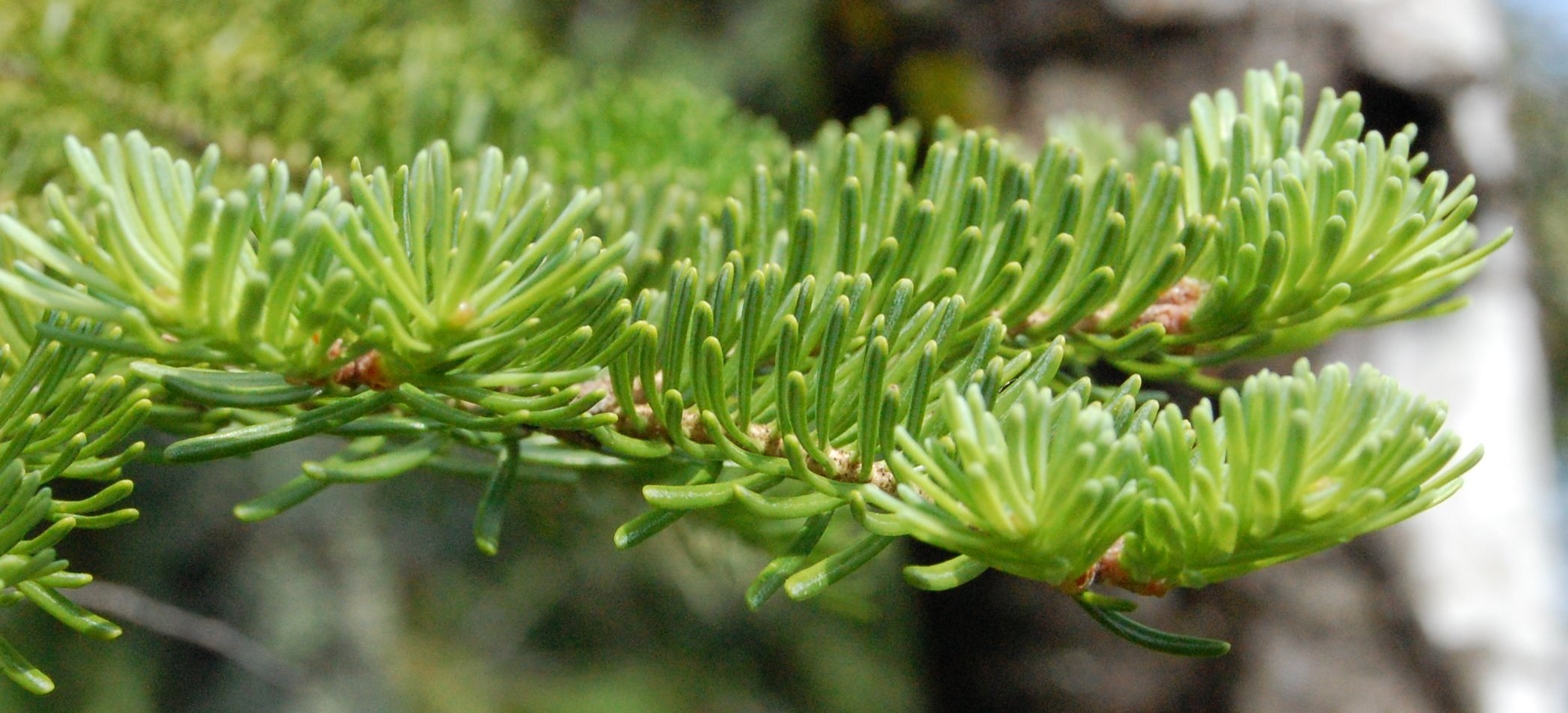
-
Article
Fire Disasters in Canada
Disastrous fires may result from arson, accidents or uncontrolled forest fires. Their impact may include lives lost, people evacuated and property damaged. Numerous fires, especially forest fires, occur in Canada every year; this article details the worst that have occurred throughout the country’s history.
"https://d3d0lqu00lnqvz.cloudfront.net/media/media/cd1053ad-3a76-4373-8e6b-49b1e805fefa.jpg" // resources/views/front/categories/view.blade.php
https://d3d0lqu00lnqvz.cloudfront.net/media/media/cd1053ad-3a76-4373-8e6b-49b1e805fefa.jpg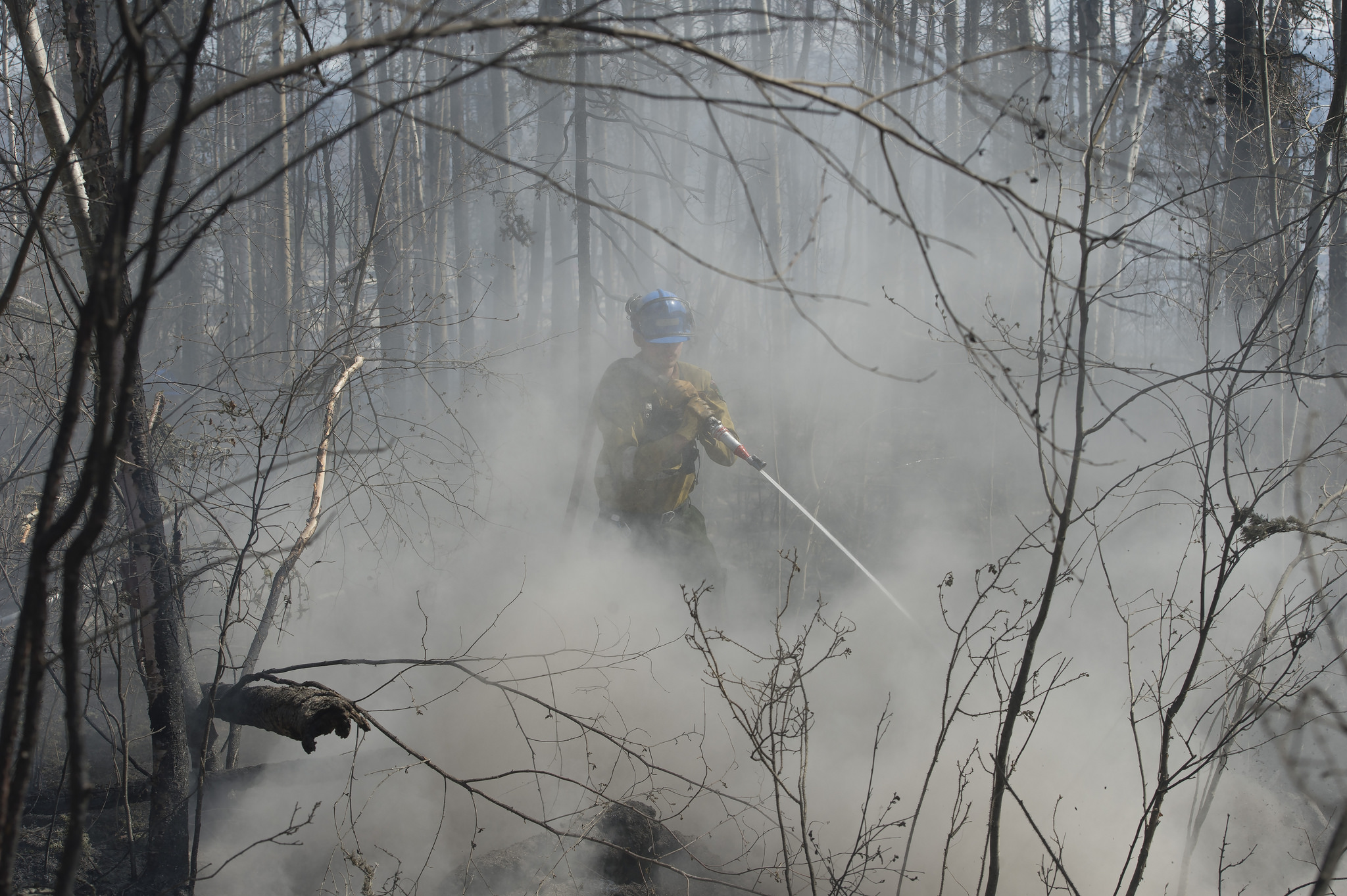
-
Editorial
The Parliament Hill Fire of 1916
The following article is an editorial written by The Canadian Encyclopedia staff. Editorials are not usually updated.
"https://thecanadianencyclopedia.ca/images/tce_placeholder.jpg?v=e9dca980c9bdb3aa11e832e7ea94f5d9" // resources/views/front/categories/view.blade.php
https://thecanadianencyclopedia.ca/images/tce_placeholder.jpg?v=e9dca980c9bdb3aa11e832e7ea94f5d9
-
Article
Firearms
For many centuries, a legend has persisted that gunpowder was invented in China. Until recently, however, there was no real proof to support the story. In 1986, a team of researchers headed by Dr. Joseph Neeham at Cambridge University published the necessary evidence.
"https://d3d0lqu00lnqvz.cloudfront.net/media/new_article_images/GunControl/Handgun_collection.jpg" // resources/views/front/categories/view.blade.php
https://d3d0lqu00lnqvz.cloudfront.net/media/new_article_images/GunControl/Handgun_collection.jpg
-
Article
Firefly
Fireflies, also known as lightning bugs, are beetles belonging to the family Lampyridae and are best known for their ability to produce light. There are over 2,200 species of fireflies worldwide, including 32 species found in Canada, with more being discovered every year. Of these species, some of the most commonly encountered in Canada are the winter firefly (Ellychnia corrusca), the black firefly (Lucidota atra) and the common firefly (Photinus pyralis).
"https://d3d0lqu00lnqvz.cloudfront.net/firefly/Adult-Firefly.jpg" // resources/views/front/categories/view.blade.php
https://d3d0lqu00lnqvz.cloudfront.net/firefly/Adult-Firefly.jpg
-
Article
Fireweed
Fireweed, the common name for Epilobium angustifolium, is a member of a genus of herbaceous or shrubby plants of the evening primrose family (Onagraceae ). Fireweed is the official flower of the Yukon.
"https://d3d0lqu00lnqvz.cloudfront.net/hainesjunction/haines-junction-sunrise.jpg" // resources/views/front/categories/view.blade.php
https://d3d0lqu00lnqvz.cloudfront.net/hainesjunction/haines-junction-sunrise.jpg
-
Article
First Canadian Army
First Canadian Army was a field army formed in 1942 during the Second World War. It became an international force in 1943, when Allied units were added to keep the army up to strength. The First Canadian Army was commanded by A.G.L. McNaughton and H.D.G. “Harry” Crerar.
"https://d3d0lqu00lnqvz.cloudfront.net/FirstCanadianArmy/FirstCanadianArmy_MarchPast.jpg" // resources/views/front/categories/view.blade.php
https://d3d0lqu00lnqvz.cloudfront.net/FirstCanadianArmy/FirstCanadianArmy_MarchPast.jpg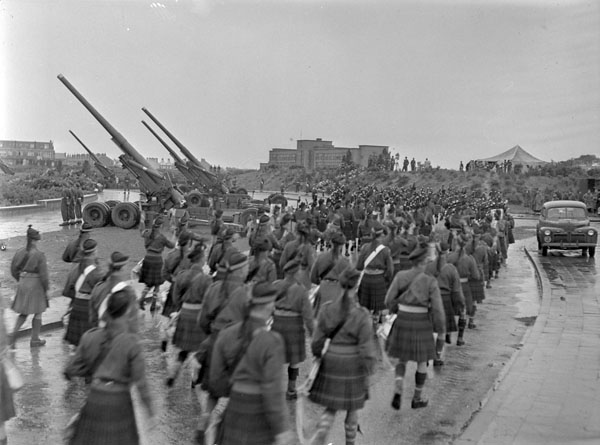
-
Article
First Ministers Conferences
First Ministers Conferences, gatherings of Canada's provincial premiers with the federal prime minister, is a term that has overtaken the older "dominion-provincial" and "federal-provincial" usages.
"https://thecanadianencyclopedia.ca/images/tce_placeholder.jpg?v=e9dca980c9bdb3aa11e832e7ea94f5d9" // resources/views/front/categories/view.blade.php
https://thecanadianencyclopedia.ca/images/tce_placeholder.jpg?v=e9dca980c9bdb3aa11e832e7ea94f5d9
-
Macleans
First Ministers Win Concessions
The First Ministers had barely tucked into their beef consommé when Alberta Premier Ralph Klein began to denounce the federal governments betrayal.This article was originally published in Maclean's Magazine on December 22, 1997
"https://thecanadianencyclopedia.ca/images/tce_placeholder.jpg?v=e9dca980c9bdb3aa11e832e7ea94f5d9" // resources/views/front/categories/view.blade.php
https://thecanadianencyclopedia.ca/images/tce_placeholder.jpg?v=e9dca980c9bdb3aa11e832e7ea94f5d9
-
Article
First Nations in Canada
First Nation is one of three groupings of Indigenous people in Canada, the other two being Métis and Inuit. Unlike Métis and Inuit, most First Nations hold reserve lands. Members of a First Nation may live both on and off these reserves. While the term First Nation can describe a large ethnic grouping (e.g. the Cree Nation), in other cases it is synonymous with the term band. The term band was originally chosen by the federal government and used in the Indian Act. The word band describes smaller communities. Many First Nations prefer the term First Nation over band.
"https://d3d0lqu00lnqvz.cloudfront.net/media/media/4bdede30-06f1-4f71-9047-c7db15051829.jpg" // resources/views/front/categories/view.blade.php
https://d3d0lqu00lnqvz.cloudfront.net/media/media/4bdede30-06f1-4f71-9047-c7db15051829.jpg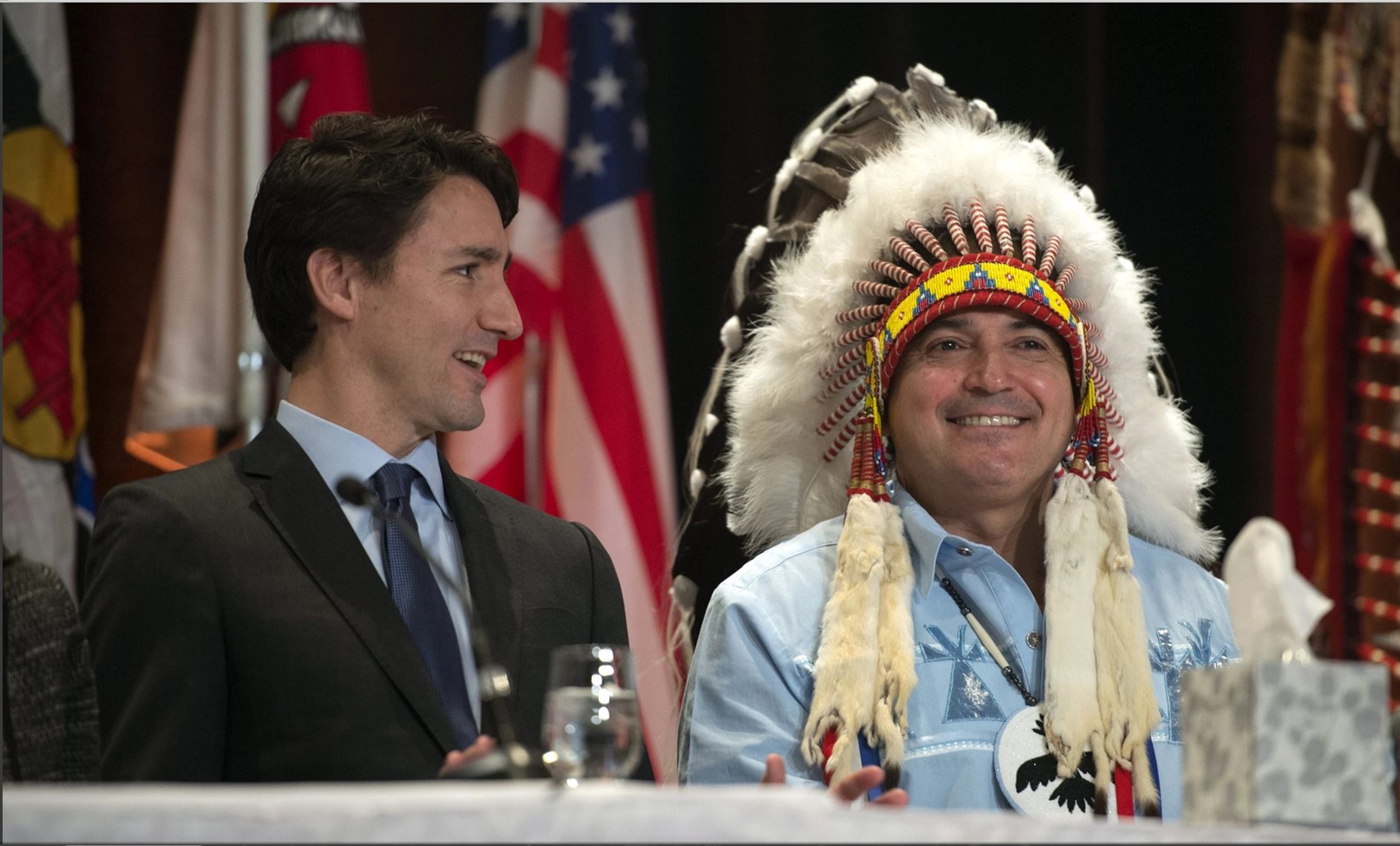
-
Article
First Nations Bank of Canada
First Nations Bank of Canada (FNBC) is a Canadian chartered bank. Established in 1996 as a partnership between Saskatchewan Indian Equity Foundation (SIEF)—now Saskatchewan Indigenous Enterprise Foundation—and TD Bank, it is currently majority controlled by Indigenous shareholders. According to its mission statement, FNBC “exists to advance Indigenous prosperity and self-determination by delivering trusted, purpose-driven financial services, rooted in relationship, guided by culture and committed to long-term economic reconciliation.” (See also Reconciliation in Canada; Economic Conditions of Indigenous Peoples in Canada.)
"https://d3d0lqu00lnqvz.cloudfront.net/firstnationsbankofcanada/fnbcwebsite.jpg" // resources/views/front/categories/view.blade.php
https://d3d0lqu00lnqvz.cloudfront.net/firstnationsbankofcanada/fnbcwebsite.jpg