
Browse "Things"
-
Article
Elites
As used every day, elite is an adjective referring to the upper echelon of any activity - eg, elite athletes or elite soldiers. Used more analytically as a noun, elites are those who hold the uppermost decision-making positions in important activities organized in a definite hierarchy.
"https://d3d0lqu00lnqvz.cloudfront.net/media/media/5090b907-78e2-4d1d-82a1-12e989970250.jpg" // resources/views/front/categories/view.blade.php
https://d3d0lqu00lnqvz.cloudfront.net/media/media/5090b907-78e2-4d1d-82a1-12e989970250.jpg
-
Article
Elizabeth Fry Society
The Elizabeth Fry Society is a not-for-profit social service agency that provides support for women and girls involved in the Canadian justice system. The Society provides a range of services to women who are criminalized and to women who are at risk of being criminalized. It works to reduce the impact of criminalization, to provide equal opportunities for women in the justice system and to empower marginalized women.
"https://d3d0lqu00lnqvz.cloudfront.net/media/Mrs._Fry_reading_to_the_prisoners_in_Newgate_John_Johnson.jpg" // resources/views/front/categories/view.blade.php
https://d3d0lqu00lnqvz.cloudfront.net/media/Mrs._Fry_reading_to_the_prisoners_in_Newgate_John_Johnson.jpg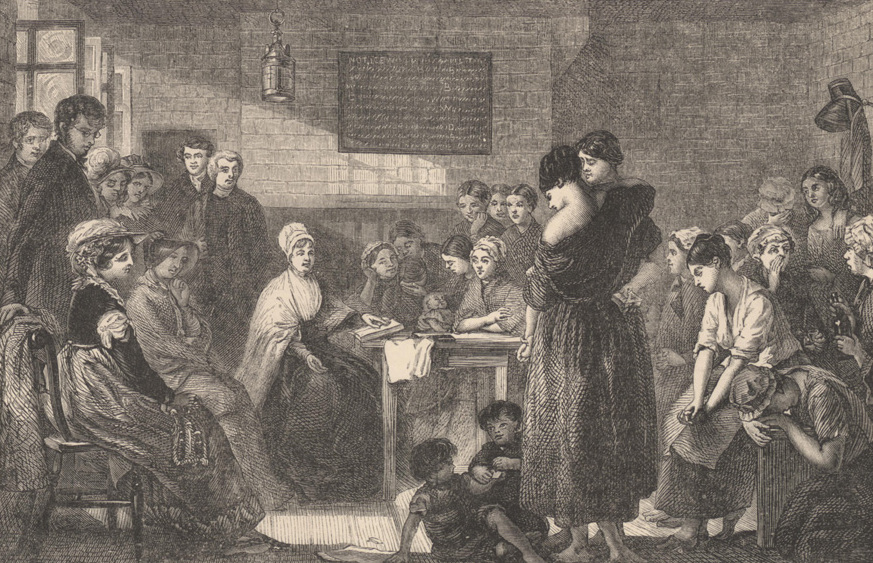
-
Article
Elizabeth Wettlaufer Case
Elizabeth Wettlaufer is a former nurse who murdered eight elderly patients and attempted to harm six others in southwestern Ontario between 2007 and 2016. One of the most prolific serial killers in Canadian history, she was sentenced to life in prison for the murders in 2017. The case prompted widespread public outrage and made headlines internationally. It later resulted in lawsuits against Wettlaufer, and the nursing homes she worked for, and a sweeping provincial inquiry into flaws in Ontario’s long-term care system.
"https://thecanadianencyclopedia.ca/images/tce_placeholder.jpg?v=e9dca980c9bdb3aa11e832e7ea94f5d9" // resources/views/front/categories/view.blade.php
https://thecanadianencyclopedia.ca/images/tce_placeholder.jpg?v=e9dca980c9bdb3aa11e832e7ea94f5d9
-
Article
Ellesmere Island Eocene Fossils
Some 55 million years ago, during the early Eocene Epoch, Ellesmere Island in Canada's eastern High Arctic was warm and ice-free. It was also home to lush lowland forests and swamps inhabited by alligators, giant tortoises, snakes, lizards, and a host of mammals that included primates, tapirs, hippo-like Coryphodon, and large, rhino-like brontotheres. In the nearby ocean, clams and snails thrived. This extinct environment, well above the Arctic Circle, combined a warm temperate climate with a typical Arctic light regime of bright summers and dark winters.
"https://d3d0lqu00lnqvz.cloudfront.net/media/media/aad2c212-c087-43c4-8332-2d38b2f04f6d.jpg" // resources/views/front/categories/view.blade.php
https://d3d0lqu00lnqvz.cloudfront.net/media/media/aad2c212-c087-43c4-8332-2d38b2f04f6d.jpg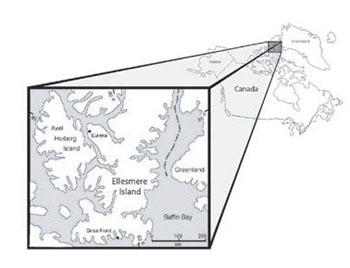
-
Article
Ellesmere Island Pliocene Fossils
Toward the close of the Tertiary (5 to 2 million years ago) and the beginning of the ice age (Quaternary — about 2 million years ago), a beaver pond existed on what is now Canada's Ellesmere Island, Nunavut. The site, which is located near the head of Strathcona Fiord (78°33'N), was discovered by Geological Survey of Canada geologist John Fyles in 1961. It is the world's most northerly Early Pliocene vertebrate locality. The small exposure of peaty, fossil-bearing beds have produced tree trunks up to 3 m long, many beaver-cut sticks (some burned by forest fires), remains of freshwater mollusks, insects, pollen, plant macrofossils (such as twigs, cones and leaves) and vertebrates.
"https://d3d0lqu00lnqvz.cloudfront.net/media/media/4bdc5be8-286b-4108-81c1-9602995884ad.jpg" // resources/views/front/categories/view.blade.php
https://d3d0lqu00lnqvz.cloudfront.net/media/media/4bdc5be8-286b-4108-81c1-9602995884ad.jpg
-
Article
Elm
Elm (Ulmus), genus of trees of elm family (Ulmaceae), found only in temperate regions of the Northern Hemisphere.
"https://thecanadianencyclopedia.ca/images/tce_placeholder.jpg?v=e9dca980c9bdb3aa11e832e7ea94f5d9" // resources/views/front/categories/view.blade.php
https://thecanadianencyclopedia.ca/images/tce_placeholder.jpg?v=e9dca980c9bdb3aa11e832e7ea94f5d9
-
Article
Emblems of Canada
Emblems of Canada include the national coat of arms and flag. When John Cabot arrived on the shores of North America in 1497, he raised a cross and the royal banner of England. Since then, Canada’s emblems have evolved out of those traditionally used by France and Britain. Today they include such national symbols as the beaver and the maple leaf.
"https://d3d0lqu00lnqvz.cloudfront.net/media/media/810e05f9-098e-42c8-a510-3500d30f3e73.jpg" // resources/views/front/categories/view.blade.php
https://d3d0lqu00lnqvz.cloudfront.net/media/media/810e05f9-098e-42c8-a510-3500d30f3e73.jpg
-
Article
Emergencies Act
In July 1988, the War Measures Act was repealed and replaced by the Emergencies Act. The Emergencies Act authorizes “the taking of special temporary measures to ensure safety and security during national emergencies and to amend other Acts in consequence thereof.” In contrast to the sweeping powers and violation of civil liberties authorized by the War Measures Act, the Emergencies Act created more limited and specific powers for the federal government to deal with security emergencies of five different types: national emergencies; public welfare emergencies; public order emergencies; international emergencies; and war emergencies. Under the Act, Cabinet orders and regulations must be reviewed by Parliament, meaning the Cabinet cannot act on its own, unlike under the War Measures Act. The Emergencies Act outlines how people affected by government actions during emergencies are to be compensated. It also notes that government actions are subject to the Canadian Charter of Rights and Freedoms and the Canadian Bill of Rights.
"https://d3d0lqu00lnqvz.cloudfront.net/media/media/c8a1d56b-60f5-40b0-86e2-3ce31bc3e7b0.jpg" // resources/views/front/categories/view.blade.php
https://d3d0lqu00lnqvz.cloudfront.net/media/media/c8a1d56b-60f5-40b0-86e2-3ce31bc3e7b0.jpg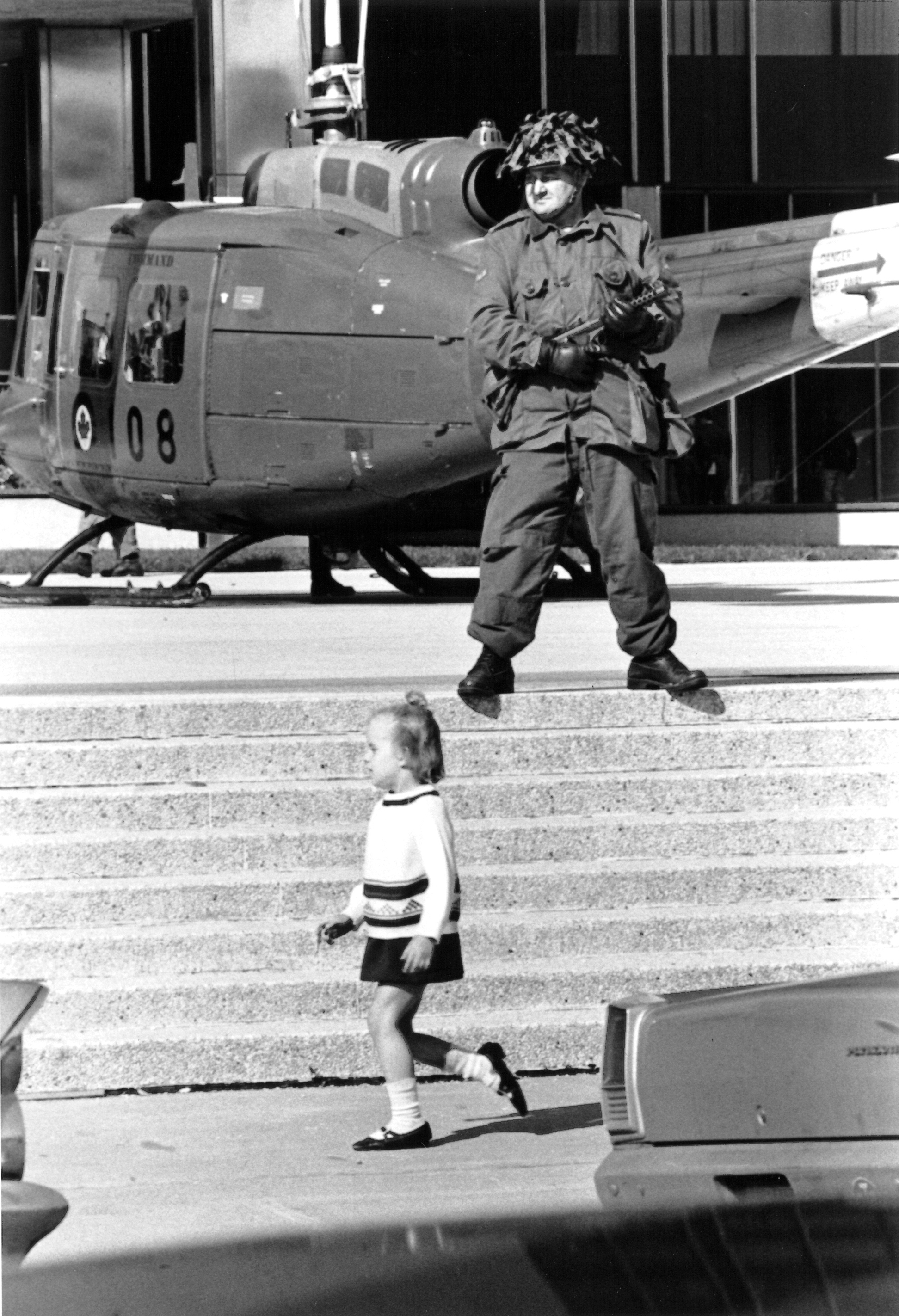
-
Article
Emergency Preparedness
Emergency Preparedness Canada (EPC) is a federal government organization within the Department of National Defence. It plays an important role in the development and maintenance of civil emergency preparedness in Canada.
"https://thecanadianencyclopedia.ca/images/tce_placeholder.jpg?v=e9dca980c9bdb3aa11e832e7ea94f5d9" // resources/views/front/categories/view.blade.php
https://thecanadianencyclopedia.ca/images/tce_placeholder.jpg?v=e9dca980c9bdb3aa11e832e7ea94f5d9
-
Article
Emigration
Emigration refers to the act of leaving one's region or country of origin to settle in another. This is unlike immigration which is the action of arriving in a country.
"https://thecanadianencyclopedia.ca/images/tce_placeholder.jpg?v=e9dca980c9bdb3aa11e832e7ea94f5d9" // resources/views/front/categories/view.blade.php
https://thecanadianencyclopedia.ca/images/tce_placeholder.jpg?v=e9dca980c9bdb3aa11e832e7ea94f5d9
-
Article
Emily Carr University of Art and Design
Emily Carr University of Art and Design is the only post-secondary institution in British Columbia offering a program of study that is focused exclusively on arts, media and design. Based in a custom-built campus in Vancouver that opened in 2017, Emily Carr University has been at the forefront of exploring the use of digital technologies in art and design in the 21st century.
"https://d3d0lqu00lnqvz.cloudfront.net/media/media/cd3186ff-9c73-4e49-a69e-2ad8f4407645.jpg" // resources/views/front/categories/view.blade.php
https://d3d0lqu00lnqvz.cloudfront.net/media/media/cd3186ff-9c73-4e49-a69e-2ad8f4407645.jpg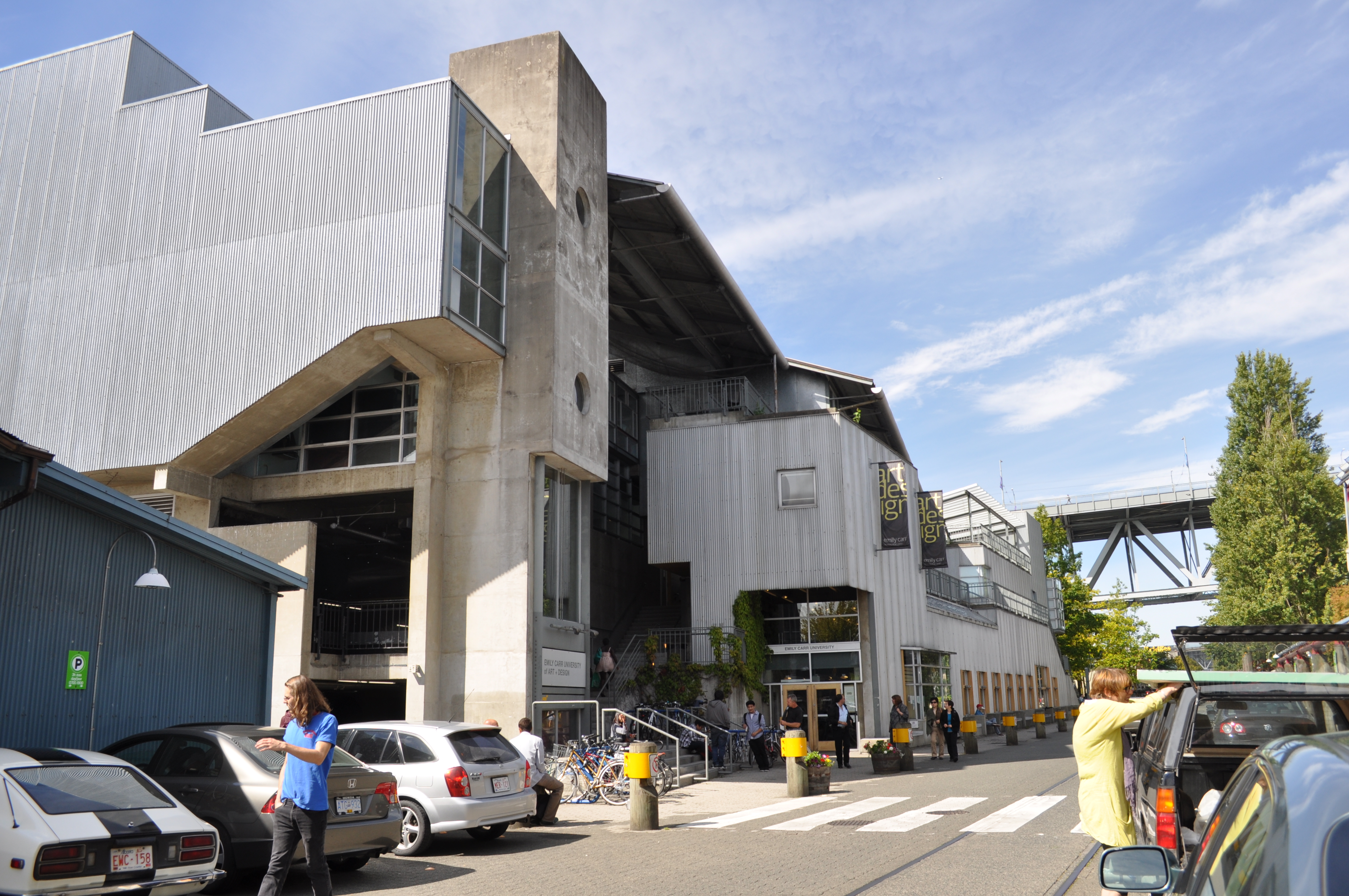
-
Article
Empire Day
Empire Day, observed annually on the school day preceding the May 24 holiday for Queen Victoria's birthday, was the most important patriotic rite for children in English-speaking Canada during the half century following its first observance 23 May 1899.
"https://thecanadianencyclopedia.ca/images/tce_placeholder.jpg?v=e9dca980c9bdb3aa11e832e7ea94f5d9" // resources/views/front/categories/view.blade.php
https://thecanadianencyclopedia.ca/images/tce_placeholder.jpg?v=e9dca980c9bdb3aa11e832e7ea94f5d9
-
Article
Employment Insurance
Employment Insurance (formerly Unemployment Insurance) is a government program that provides temporary benefit payments during a period of unemployment. The Employment Insurance (EI) program also provides illness, parental and caregiving benefits for persons who are away from work due to health and family-related reasons. EI is financed by premiums paid by employers and employees. The program is overseen by the Canada Employment Insurance Commission (CEIC). In July 2021, approximately 1.5 million Canadians received EI benefits.
"https://thecanadianencyclopedia.ca/images/tce_placeholder.jpg?v=e9dca980c9bdb3aa11e832e7ea94f5d9" // resources/views/front/categories/view.blade.php
https://thecanadianencyclopedia.ca/images/tce_placeholder.jpg?v=e9dca980c9bdb3aa11e832e7ea94f5d9
-
Article
Employment Law
Employment law in Canada generally refers to the law governing the relationship of an individual employee to an employer, as distinguished from labour law, the law of unionized collective bargaining relationships. Employment law includes both the common, or judge-made, law of "master and servant," which is concerned mainly with wrongful dismissal, and a complex mass of statute law dealing with minimum labour standards, human rights, occupational health and safety and workers' compensation.
"https://d3d0lqu00lnqvz.cloudfront.net/media/media/36644e0b-a223-4610-9438-e3dc39f576e8.jpg" // resources/views/front/categories/view.blade.php
https://d3d0lqu00lnqvz.cloudfront.net/media/media/36644e0b-a223-4610-9438-e3dc39f576e8.jpg
-
Macleans
Employment Rises
John Jacobsen has been through a lot of boom and bust cycles over the past 30 years, but he's never seen anything quite like this. As vice-president in charge of operations for Calgary contractor Precision Drilling Corp.This article was originally published in Maclean's Magazine on March 20, 2000
"https://thecanadianencyclopedia.ca/images/tce_placeholder.jpg?v=e9dca980c9bdb3aa11e832e7ea94f5d9" // resources/views/front/categories/view.blade.php
https://thecanadianencyclopedia.ca/images/tce_placeholder.jpg?v=e9dca980c9bdb3aa11e832e7ea94f5d9