
Browse "Politics & Law"
-
Macleans
Teen Describes Murders
This article was originally published in Maclean’s magazine on December 25, 1995. Partner content is not updated. Following their brutal murders in suburban Montreal last April, Frank Toope, a 75-year-old retired Anglican minister, and his wife, Jocelyn, 70, were uniformly praised by friends and former parishioners as a warm, caring and generous couple.
"https://thecanadianencyclopedia.ca/images/tce_placeholder.jpg?v=e9dca980c9bdb3aa11e832e7ea94f5d9" // resources/views/front/categories/view.blade.php
https://thecanadianencyclopedia.ca/images/tce_placeholder.jpg?v=e9dca980c9bdb3aa11e832e7ea94f5d9
-
Macleans
Teen Killing in Toronto
This article was originally published in Maclean’s magazine on November 29, 1999. Partner content is not updated. At the foot of Dmitri Baranovski's bed are some weights, a soccer ball, tennis rackets and - what his stepfather picked up at a garage sale to help him adjust to Canadian life - a football and two hockey sticks.
"https://thecanadianencyclopedia.ca/images/tce_placeholder.jpg?v=e9dca980c9bdb3aa11e832e7ea94f5d9" // resources/views/front/categories/view.blade.php
https://thecanadianencyclopedia.ca/images/tce_placeholder.jpg?v=e9dca980c9bdb3aa11e832e7ea94f5d9
-
Article
Temperance Movement in Canada
The temperance movement was an international social and political campaign of the 19th and early 20th centuries. It was based on the belief that drinking was responsible for many of society’s ills. It called for moderation or total abstinence from alcohol. This led to the legal prohibition of alcohol in many parts of Canada. The Canada Temperance Act (Scott Act) of 1878 gave local governments the “local option” to ban the sale of alcohol. In 1915 and 1916, all provinces but Quebec prohibited the sale of alcohol as a patriotic measure during the First World War. Most provincial laws were repealed in the 1920s in favour of allowing governments to control alcohol sales. Temperance societies were later criticized for distorting economic activity, and for encouraging drinking and organized crime.
"https://d3d0lqu00lnqvz.cloudfront.net/media/media/c0f20001-e566-4ebf-9c88-f1a5ae278291.jpg" // resources/views/front/categories/view.blade.php
https://d3d0lqu00lnqvz.cloudfront.net/media/media/c0f20001-e566-4ebf-9c88-f1a5ae278291.jpg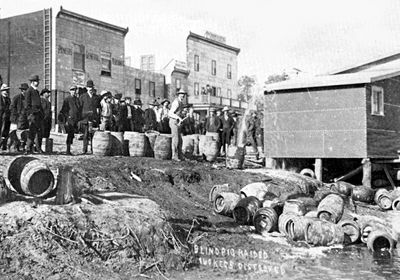
-
Article
Tenant League
Tenant League, popular name for the Tenant Union of Prince Edward Island, a militant agrarian movement fd 19 May 1864 in Charlottetown, PEI.
"https://thecanadianencyclopedia.ca/images/tce_placeholder.jpg?v=e9dca980c9bdb3aa11e832e7ea94f5d9" // resources/views/front/categories/view.blade.php
https://thecanadianencyclopedia.ca/images/tce_placeholder.jpg?v=e9dca980c9bdb3aa11e832e7ea94f5d9
-
Article
Territorial Government in Canada
Under Canada’s federal system, the powers of government are shared between the federal government, provincial governments and territorial governments. The territories — Northwest Territories, Nunavut and Yukon — are governed by their respective governments. They receive their legislative authority (the ability to create laws) from the federal government. Ottawa has given territorial governments authority over public education, health and social services; as well as the administration of justice and municipal government. More and more of these powers have been handed down from the federal government in a process called devolution. Crown-Indigenous Relations and Northern Affairs Canada is the federal ministry responsible for the territories.
"https://d3d0lqu00lnqvz.cloudfront.net/media/media/b9f1e62c-f97e-49dc-ad8f-ef525846081d.jpg" // resources/views/front/categories/view.blade.php
https://d3d0lqu00lnqvz.cloudfront.net/media/media/b9f1e62c-f97e-49dc-ad8f-ef525846081d.jpg
-
Article
Terrorism and Canada
Terrorism is the use of violence or threats of violence by persons or groups against civilians or property. Terrorists use violence to try and achieve political ends. Terrorist activities include assassinations, bombings, hijackings and kidnappings. Some states use terror against their own or enemy populations. But this is not classified as terrorism under Canadian or international law. Terrorist is a politically charged term that carries highly negative connotations. Few violent extremists would accept the label. Instead, most describe themselves as fighters for freedom and justice.
"https://d3d0lqu00lnqvz.cloudfront.net/media/new_article_images/FLQ/CP2755756.jpg" // resources/views/front/categories/view.blade.php
https://d3d0lqu00lnqvz.cloudfront.net/media/new_article_images/FLQ/CP2755756.jpg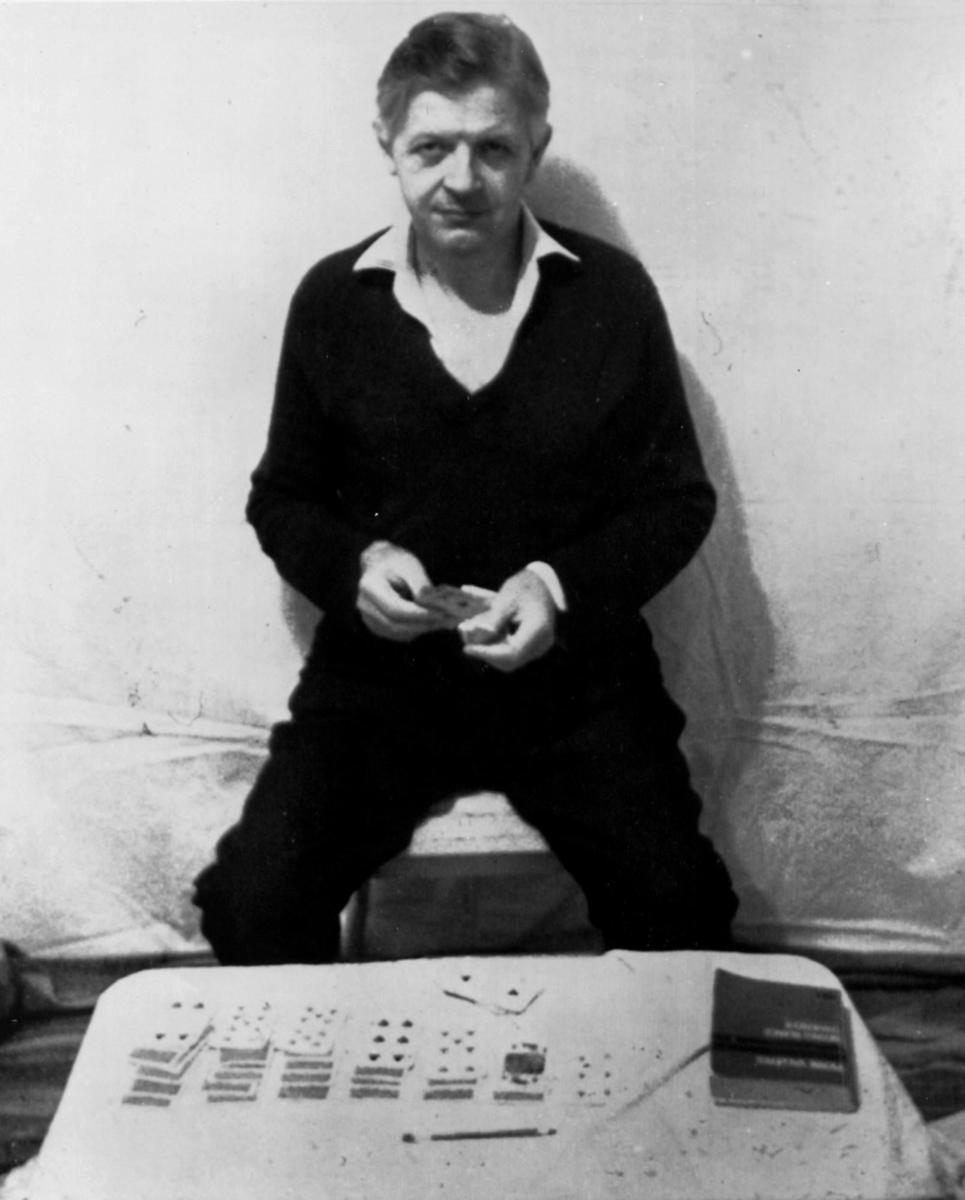
-
Macleans
Terrorism Summit
This article was originally published in Maclean’s magazine on March 25, 1996. Partner content is not updated.Terrorism is not a new curse. There was a time when the most fearsome terrorist of the day was "Carlos" Sanchez, better remembered by his flashier nom de guerre, The Jackal.This article was originally published in Maclean's Magazine on March 25, 1996
"https://thecanadianencyclopedia.ca/images/tce_placeholder.jpg?v=e9dca980c9bdb3aa11e832e7ea94f5d9" // resources/views/front/categories/view.blade.php
https://thecanadianencyclopedia.ca/images/tce_placeholder.jpg?v=e9dca980c9bdb3aa11e832e7ea94f5d9
-
Macleans
Terrorist Attack in Tel Aviv
This article was originally published in Maclean’s magazine on March 18, 1996. Partner content is not updated.In this holiest of lands, there is nothing particularly sacred about the intersection of King George and Dizengoff boulevards in downtown Tel Aviv. No prophets are buried on the spot. There are no slabs of ancient rock to be worshipped or fought over.This article was originally published in Maclean's Magazine on March 18, 1996
"https://thecanadianencyclopedia.ca/images/tce_placeholder.jpg?v=e9dca980c9bdb3aa11e832e7ea94f5d9" // resources/views/front/categories/view.blade.php
https://thecanadianencyclopedia.ca/images/tce_placeholder.jpg?v=e9dca980c9bdb3aa11e832e7ea94f5d9
-
Editorial
The Assassination of Thomas D'Arcy McGee
The following article is an editorial written by The Canadian Encyclopedia staff. Editorials are not usually updated. It is the greatest murder mystery in Canadian political history. Thomas D’Arcy McGee, Father of Confederation and outspoken opponent of the Fenians, was assassinated on an Ottawa street in the early hours of Tuesday, 7 April 1868.
"https://d3d0lqu00lnqvz.cloudfront.net/media/media/4a74eaf5-4691-4b89-9d50-e98da872ed41.jpg" // resources/views/front/categories/view.blade.php
https://d3d0lqu00lnqvz.cloudfront.net/media/media/4a74eaf5-4691-4b89-9d50-e98da872ed41.jpg
-
Editorial
André Laurendeau and the Royal Commission on Bilingualism and Biculturalism
The following article is an editorial written by The Canadian Encyclopedia staff. Editorials are not usually updated.
"https://d3d0lqu00lnqvz.cloudfront.net/media/media/9c18ebf1-d915-4554-8654-fb1cba462a3e.jpg" // resources/views/front/categories/view.blade.php
https://d3d0lqu00lnqvz.cloudfront.net/media/media/9c18ebf1-d915-4554-8654-fb1cba462a3e.jpg
-
Article
The Book of Negroes
The document called the “Book of Negroes” is a British naval ledger that lists the names of Black Loyalists who fled to Canada during the American Revolutionary War (1775–83). It is also the title of Lawrence Hill’s third novel, which was published in 2007. (It was released in the United States, Australia and New Zealand under the title Someone Knows My Name.) A work of historical fiction, The Book of Negroes tells the story of Aminata Diallo, who is captured by slave traders in Africa and brought to America. Aminata’s story illustrates the physical, sexual, emotional, psychological, religious and economic violations of the slave trade. The novel has been translated into more than eight languages and has sold more than 800,000 copies worldwide. It won the Rogers Writers’ Trust Fiction Prize, the Commonwealth Writers’ Prize and the Commonwealth Prize for Best Book. It was also the first book to win both CBC Radio’s Canada Reads and Radio Canada’s Combat des livres.
"https://d3d0lqu00lnqvz.cloudfront.net/media/new_article_images/TheBookOfNegroes/48275821552_2b150a253f_c.jpg" // resources/views/front/categories/view.blade.php
https://d3d0lqu00lnqvz.cloudfront.net/media/new_article_images/TheBookOfNegroes/48275821552_2b150a253f_c.jpg
-
Editorial
Ken Taylor and the "Canadian Caper"
The following article is an editorial written by The Canadian Encyclopedia staff. Editorials are not usually updated.
"https://thecanadianencyclopedia.ca/images/tce_placeholder.jpg?v=e9dca980c9bdb3aa11e832e7ea94f5d9" // resources/views/front/categories/view.blade.php
https://thecanadianencyclopedia.ca/images/tce_placeholder.jpg?v=e9dca980c9bdb3aa11e832e7ea94f5d9
-
Article
Charlottetown Accord
The Charlottetown Accord of 1992 was a failed attempt by Prime Minister Brian Mulroney and all 10 provincial premiers to amend the Canadian Constitution. The goal was to obtain Quebec’s consent to the Constitution Act, 1982. The Accord would have recognized Quebec as a distinct society; decentralized many federal powers to the provinces; addressed the issue of Indigenous self-government; and reformed the Senate and the House of Commons. The Accord had the approval of the federal government and all 10 provincial governments. But it was rejected by Canadian voters in a referendum on 26 October 1992.
"https://d3d0lqu00lnqvz.cloudfront.net/media/media/8d1b4b1d-ce97-42aa-99a7-f4e33c1f6b7a.jpg" // resources/views/front/categories/view.blade.php
https://d3d0lqu00lnqvz.cloudfront.net/media/media/8d1b4b1d-ce97-42aa-99a7-f4e33c1f6b7a.jpg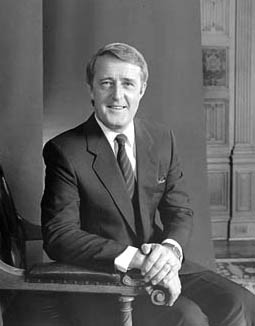
-
Article
Québec Values Charter
The contents of the Québec values charter were unveiled on 10 September 2013, by Bernard Drainville, a member of Pauline Marois’ Parti Québécois government and Minister responsible for Democratic Institutions and Active Citizenship. The goal of this highly anticipated charter was the creation of a secular society — a society in which religion and the state are completely separate. The result of numerous controversies in the media and in Québec society regarding reasonable accommodation, the charter encouraged religious neutrality by means of five “proposals.” One of the proposals was a ban on the wearing of any visible symbol indicating a religious affiliation, including a turban, hijab or kippah, by public servants when they are providing services to the public. The charter sparked controversy in Québec and divided the Québécois. On 7 November 2013, Drainville officially tabled the bill (Bill 60) in Québec’s National Assembly.
"https://d3d0lqu00lnqvz.cloudfront.net/media/media/aa124fea-cca4-4d56-8176-2b8fa9c2da28.jpg" // resources/views/front/categories/view.blade.php
https://d3d0lqu00lnqvz.cloudfront.net/media/media/aa124fea-cca4-4d56-8176-2b8fa9c2da28.jpg
-
Article
The Charter of the Forest
The 1217 Charter of the Forest (Carta de Foresta) is a companion document to the Magna Carta of 1215.
"https://d3d0lqu00lnqvz.cloudfront.net/media/media/12f085dc-bd2e-4629-b64e-74e579809d83.jpg" // resources/views/front/categories/view.blade.php
https://d3d0lqu00lnqvz.cloudfront.net/media/media/12f085dc-bd2e-4629-b64e-74e579809d83.jpg