
Browse "Politics & Law"
-
Macleans
Somalia Affair: Chronology
This article was originally published in Maclean’s magazine on April 15, 1996. Partner content is not updated. What began as a humanitarian mission quickly unravelled into one of the darkest chapters in Canadian military history (see Somalia Affair).
"https://thecanadianencyclopedia.ca/images/tce_placeholder.jpg?v=e9dca980c9bdb3aa11e832e7ea94f5d9" // resources/views/front/categories/view.blade.php
https://thecanadianencyclopedia.ca/images/tce_placeholder.jpg?v=e9dca980c9bdb3aa11e832e7ea94f5d9
-
Macleans
Somalia Inquiry's Damning Report
This article was originally published in Maclean’s magazine on July 14, 1997. Partner content is not updated. Hindsight is a wonderful thing. If only Prime Minister Brian Mulroney had not jumped at U.S. President George Bushs request to send Canadian troops to Somalia in 1992.
"https://thecanadianencyclopedia.ca/images/tce_placeholder.jpg?v=e9dca980c9bdb3aa11e832e7ea94f5d9" // resources/views/front/categories/view.blade.php
https://thecanadianencyclopedia.ca/images/tce_placeholder.jpg?v=e9dca980c9bdb3aa11e832e7ea94f5d9
-
Article
Sombra Township Treaty (No.7)
The Sombra Township Treaty of 1796 (also known as Treaty 7 in the Upper Canada treaties numbering system) was an early land agreement between First Nations and British authorities in Upper Canada (later Ontario). It was one of a series of Upper Canada Land Surrenders. The Sombra Township Treaty encompassed a tract of land 12 miles square (about 31 kilometres square) on the St. Clair River in the southwestern part of the colony. The British originally purchased it to offer it for settlement to their Indigenous allies who had fought with them during the American Revolution but who still lived in the new nation of the United States."
"https://d3d0lqu00lnqvz.cloudfront.net/SombraTreaty.jpg" // resources/views/front/categories/view.blade.php
https://d3d0lqu00lnqvz.cloudfront.net/SombraTreaty.jpg
-
Article
Sovereign
Under Canada’s constitutional monarchy, the sovereign is head of state, the legal foundation of the executive branch of government and one part of Parliament — along with the Senate and House of Commons. The current sovereign of Canada is King Charles III. The sovereign is represented in Canada by the governor general, lieutenant-governors and territorial commissioners and acts on the advice of the prime minister, the head of government.
"https://d3d0lqu00lnqvz.cloudfront.net/KingCharlesIII.jpg" // resources/views/front/categories/view.blade.php
https://d3d0lqu00lnqvz.cloudfront.net/KingCharlesIII.jpg
-
Article
Sovereign Council
The council initially comprised the governor, the bishop, the INTENDANT and 5 councillors. In 1703 membership grew to 12, to which 4 associated judges were added in 1742. Members, usually recruited from the French gentry, were nominated initially by the governor and the bishop and later by the king.
"https://d3d0lqu00lnqvz.cloudfront.net/media/media/f8cf074d-4ef8-4e3c-bdba-fb5451668052.jpg" // resources/views/front/categories/view.blade.php
https://d3d0lqu00lnqvz.cloudfront.net/media/media/f8cf074d-4ef8-4e3c-bdba-fb5451668052.jpg
-
Article
Sovereignty
Sovereignty is an abstract legal concept. It also has political, social and economic implications. In strictly legal terms, sovereignty describes the power of a state to govern itself and its subjects. In this sense, sovereignty is the highest source of the law. With Confederation and the passage of the British North America Act, 1867, Canada’s Parliament was still legally under the authority of the British Parliament. By 1949, Canada had become fully sovereign in relation to Great Britain. This was due to landmark legislation such as the Statute of Westminster (1931). The Constitution Act, 1982 swept away Britain’s leftover authority. Questions of sovereignty have also been raised by Indigenous peoples in Canada and by separatists in Quebec. The latter, for a time, championed the concept of sovereignty-association.
"https://d3d0lqu00lnqvz.cloudfront.net/media/media/39b78f3a-b1bb-47ec-aa0b-d4f5de005157.jpg" // resources/views/front/categories/view.blade.php
https://d3d0lqu00lnqvz.cloudfront.net/media/media/39b78f3a-b1bb-47ec-aa0b-d4f5de005157.jpg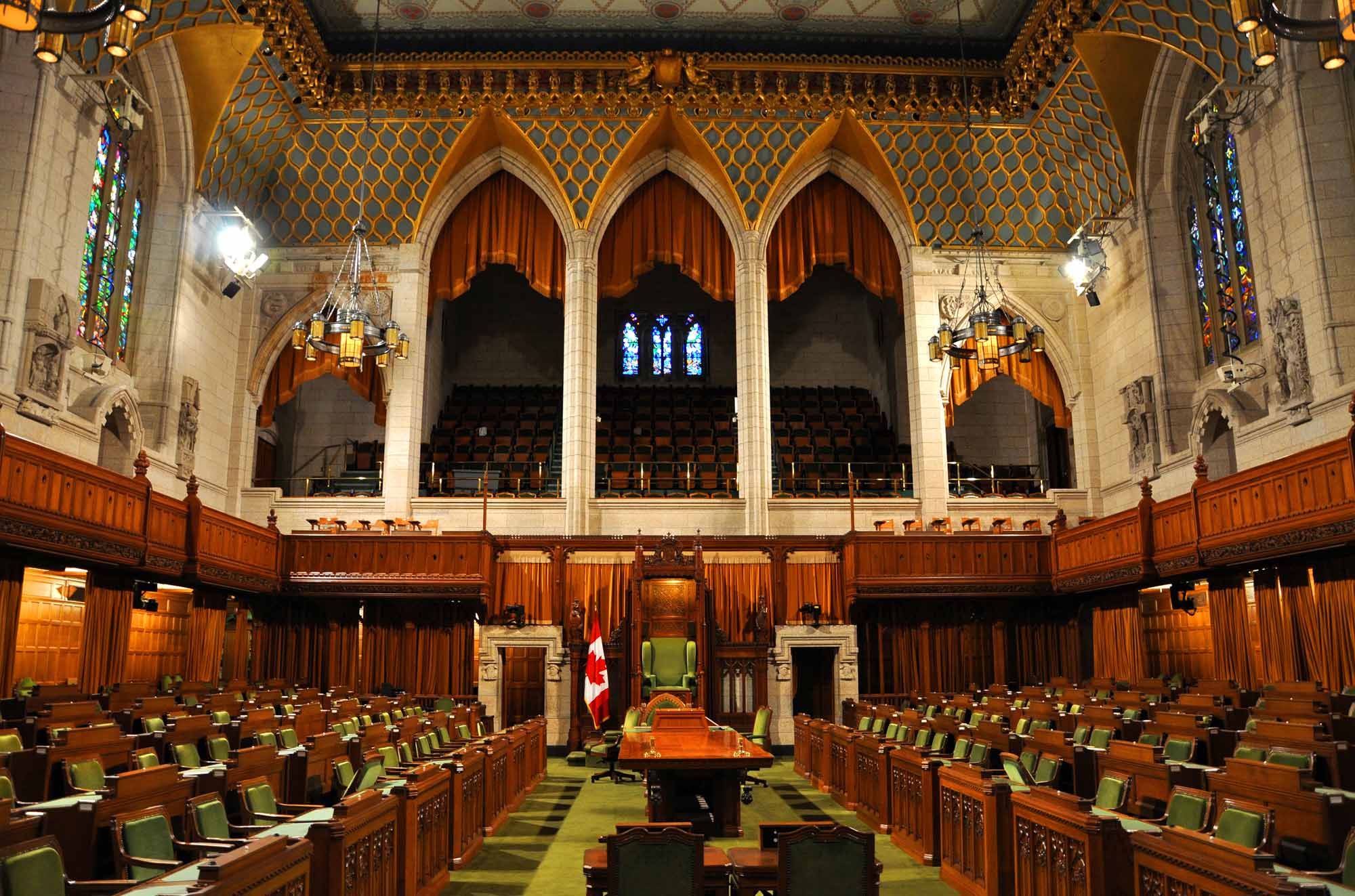
-
Article
Sovereignty-Association
First used as a slogan by the Mouvement Souveraineté-Association (MSA), forerunners of the Parti Québécois, this term became the PQ’s cornerstone and main objective.
"https://d3d0lqu00lnqvz.cloudfront.net/media/media/cf2ba193-435f-4280-85a0-88632e234b1d.jpg" // resources/views/front/categories/view.blade.php
https://d3d0lqu00lnqvz.cloudfront.net/media/media/cf2ba193-435f-4280-85a0-88632e234b1d.jpg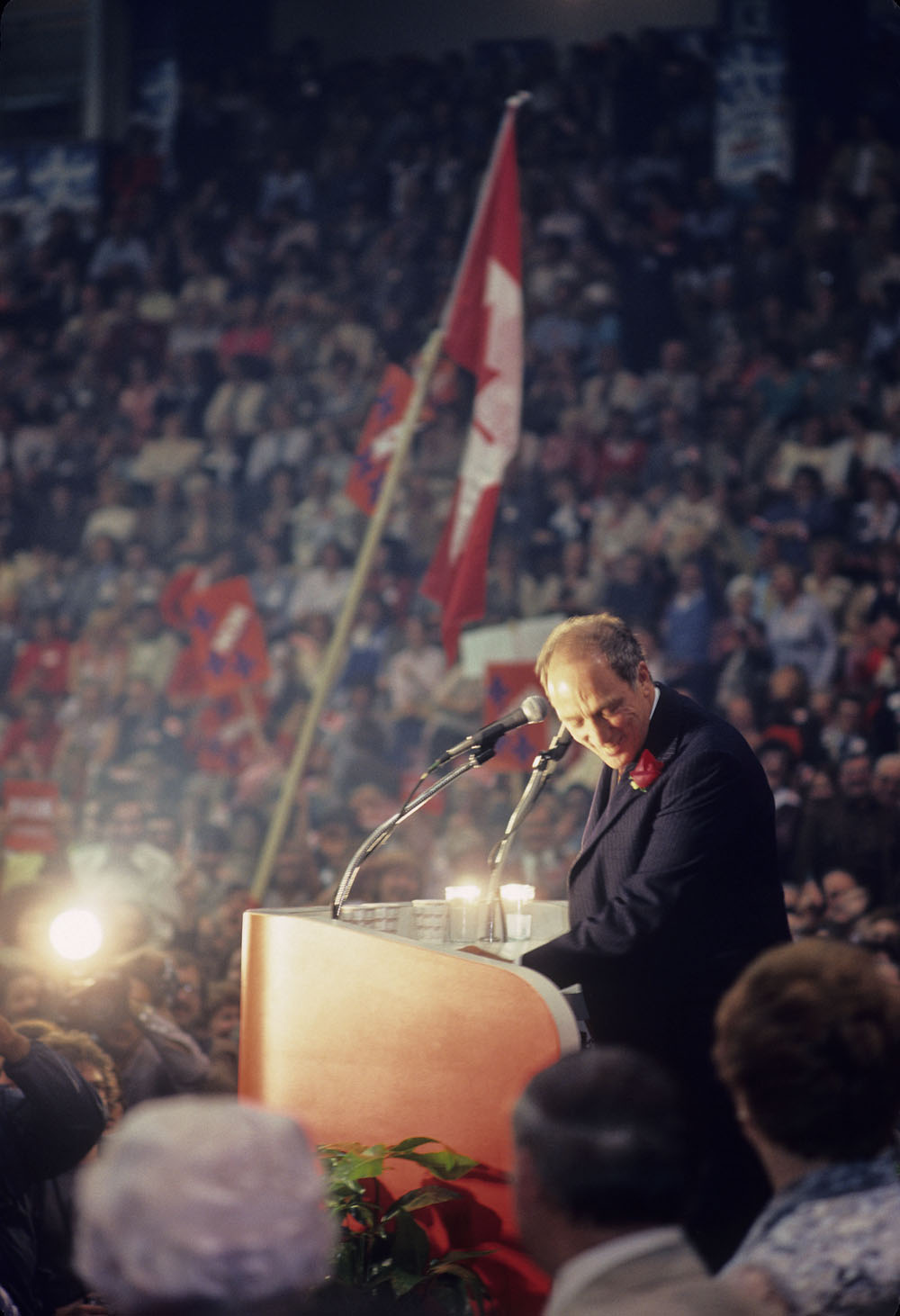
-
Macleans
Spanish Trawler Released
The Spanish, in fairness, were there first. It may have been an English expedition, led by John Cabot in 1497, that first dipped baskets into the teeming waters of the Grand Banks and hauled them in filled with cod.This article was originally published in Maclean's Magazine on March 27, 1995
"https://thecanadianencyclopedia.ca/images/tce_placeholder.jpg?v=e9dca980c9bdb3aa11e832e7ea94f5d9" // resources/views/front/categories/view.blade.php
https://thecanadianencyclopedia.ca/images/tce_placeholder.jpg?v=e9dca980c9bdb3aa11e832e7ea94f5d9
-
Article
Sparrow Case
R. v. Sparrow (1990) was the first Supreme Court of Canada case to test section 35 of the Constitution Act, 1982. Initially convicted of fishing illegally, Musqueam man Ronald Edward Sparrow was cleared by the Supreme Court and his ancestral right to fishing was upheld.
"https://d3d0lqu00lnqvz.cloudfront.net/media/media/a4e59d7a-0581-47a1-a5ff-60757732f349.jpg" // resources/views/front/categories/view.blade.php
https://d3d0lqu00lnqvz.cloudfront.net/media/media/a4e59d7a-0581-47a1-a5ff-60757732f349.jpg
-
Article
Special Council of Lower Canada (1838–1841)
Between 1838 and 1841, Lower Canada was governed by an “authoritarian” political body known as the Special Council.
"https://d3d0lqu00lnqvz.cloudfront.net/media/media/9b102db4-f93d-44c3-a26e-d61b3ea11b50.jpg" // resources/views/front/categories/view.blade.php
https://d3d0lqu00lnqvz.cloudfront.net/media/media/9b102db4-f93d-44c3-a26e-d61b3ea11b50.jpg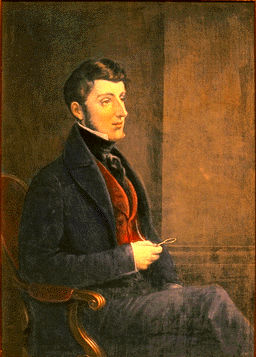
-
Article
Species at Risk Legislation in Canada
Species at risk are species, subspecies or populations of animals, plants or fungi that are broadly considered to be in decline. In most cases, if the decline is not addressed, these species could be at risk of extinction. Canada is home to many species at risk, whether globally, nationally or locally (see Environmental Movements in Canada). Many pieces of legislation aim to prevent the decline or extinction of wild species in Canada, most notably the federal Species at Risk Act. Every province and territory also has its own regionally specific legislature.
"https://d3d0lqu00lnqvz.cloudfront.net/foxesincanada/Swift-Fox.jpg" // resources/views/front/categories/view.blade.php
https://d3d0lqu00lnqvz.cloudfront.net/foxesincanada/Swift-Fox.jpg
-
Article
Indigenous Peoples and Specific Claims
Specific claims originate in First Nations’ grievances over outstanding treaty obligations, or the administration of Indigenous lands and assets under the Indian Act. Specific claims have been dealt with by several mechanisms since 1973. The Specific Claims Tribunal — an independent judicial body created by the federal government in 2009 — has the authority to make final and binding decisions.
"https://d3d0lqu00lnqvz.cloudfront.net/media/media/4dcbf639-bbf0-4543-b290-714440cf9c81.JPG" // resources/views/front/categories/view.blade.php
https://d3d0lqu00lnqvz.cloudfront.net/media/media/4dcbf639-bbf0-4543-b290-714440cf9c81.JPG
-
Article
Speech from the Throne
The Speech from the Throne declares a government’s agenda for a new session of the legislature. The speech contains comments on the state of the country or province and outlines the matters on which the government will seek action. The monarch or their representative — the governor general federally and the lieutenant-governor provincially — delivers the speech; but it is entirely the work of the Cabinet ministers.
"https://d3d0lqu00lnqvz.cloudfront.net/media/media/11551bec-a5f6-4e78-b101-265ddf7610cb.jpg" // resources/views/front/categories/view.blade.php
https://d3d0lqu00lnqvz.cloudfront.net/media/media/11551bec-a5f6-4e78-b101-265ddf7610cb.jpg
-
Article
Société Saint-Jean-Baptiste
The Société Saint-Jean-Baptiste (SSJB), founded in Montréal in 1834 by Ludger Duvernay, is the oldest patriotic association in French North America. With branches at one time located throughout the continent, it has long been engaged in fighting the linguistic and identity battles of francophones in North America. Since the 1960s, the SSJB network has played a crucial role in developing and defining contemporary Québec nationalism.
"https://d3d0lqu00lnqvz.cloudfront.net/media/media/ef7bbd29-9362-4824-bad2-c951dda3339c.jpg" // resources/views/front/categories/view.blade.php
https://d3d0lqu00lnqvz.cloudfront.net/media/media/ef7bbd29-9362-4824-bad2-c951dda3339c.jpg
-
Article
St. John’s Election Riot of 1861
On 13 May 1861, 2,000 protesters gathered outside the Colonial Building in St. John’s, Newfoundland. They objected to actions taken by the colony’s governor, Sir Alexander Bannerman, during the recent, highly contentious election; he had defied responsible government and install a new, Conservative government. The protest turned into a riot that damaged property and resulted in the deaths of three people. It took months to settle the political stalemate. The Conservatives won by-elections in disputed ridings and remained in power. The riot led to new laws that protected polling stations, saw police officers keep the peace instead of soldiers, and discouraged events and practices that could lead to violence.
"https://d3d0lqu00lnqvz.cloudfront.net/media/new_article_images/StJohnsRiots/Stamp_Newfoundland_1928_20c_Colonial_Building.jpg" // resources/views/front/categories/view.blade.php
https://d3d0lqu00lnqvz.cloudfront.net/media/new_article_images/StJohnsRiots/Stamp_Newfoundland_1928_20c_Colonial_Building.jpg