
Browse "Nature & Geography"
-
Article
Biosphere Reserves of Canada
A biosphere reserve represents one of the world’s important ecosystems and is divided into three zones: a protected core zone (such as a park or wildlife area), a buffer zone around the core, and a transition zone that fosters sustainable economic and cultural activity. The World Network of Biosphere Reserves includes 797 sites around the world, 19 of which are in Canada. The network is part of the larger Man and the Biosphere Program of the United Nations Educational, Scientific and Cultural Organization (UNESCO). Biosphere reserves are designated by UNESCO to help conserve biodiversity, demonstrate sustainable development and build the local community’s capacity to deal with human and environmental issues.
"https://d3d0lqu00lnqvz.cloudfront.net/media/media/0b4a5b26-9047-48ec-97c2-3490843a5b3f.jpg" // resources/views/front/categories/view.blade.php
https://d3d0lqu00lnqvz.cloudfront.net/media/media/0b4a5b26-9047-48ec-97c2-3490843a5b3f.jpg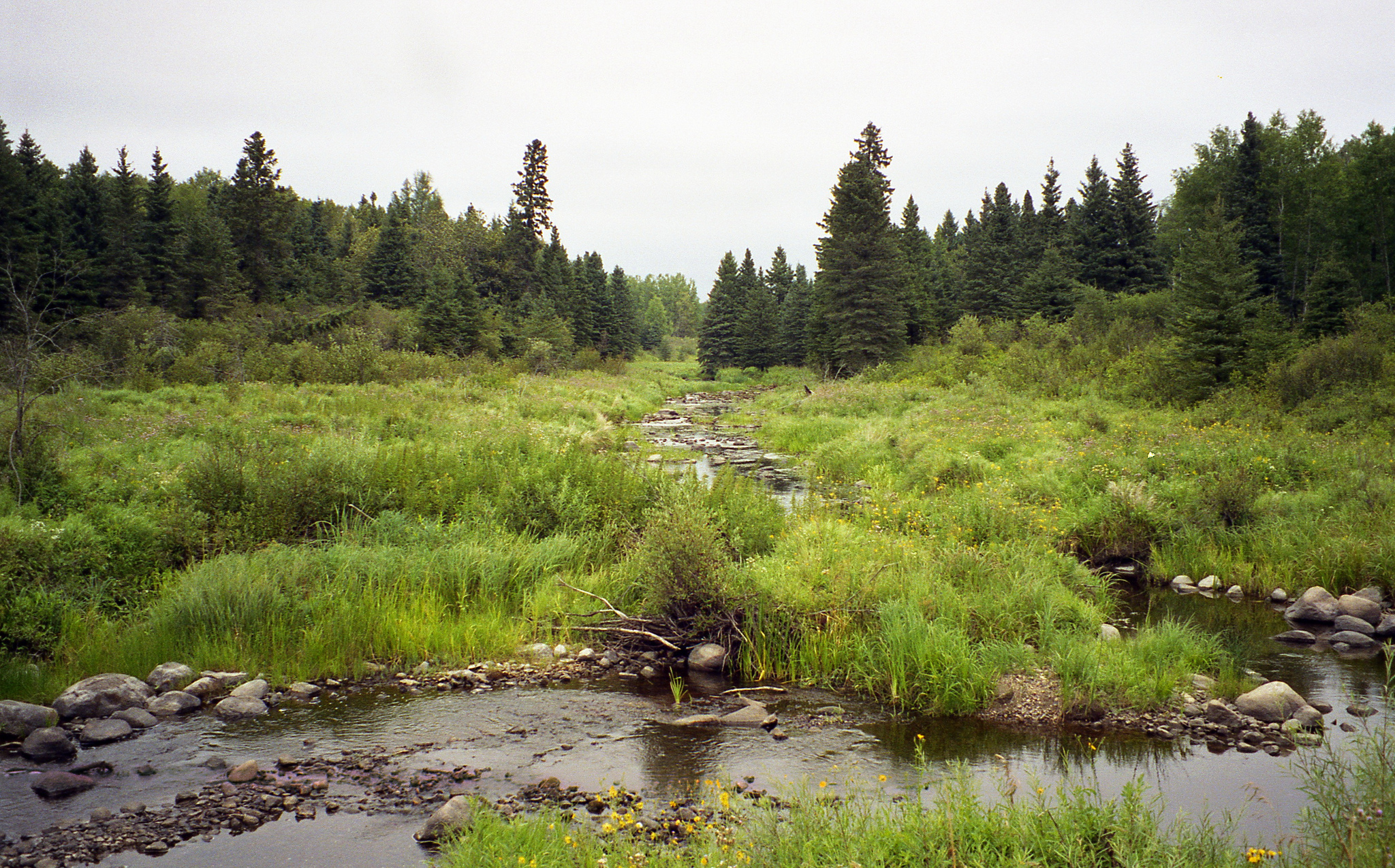
-
Article
Bird Distribution and Habitat
Animals' lives are circumscribed by two imperatives: finding food for survival, growth and reproduction and avoiding becoming prey before reproducing. For an animal to occupy a habitat, it must be able to survive and reproduce within it. Birds have evolved many ways to meet these challenges. Their feeding structures (feet, bills and gastrointestinal tracts) are adapted to take in available food. Plumage structure, colour and pattern protect them from their physical environment and camouflage them from potential predators and sometimes from potential prey.
"https://d3d0lqu00lnqvz.cloudfront.net/media/media/c06fb4d9-165b-4774-b1d1-0a3373197d75.jpg" // resources/views/front/categories/view.blade.php
https://d3d0lqu00lnqvz.cloudfront.net/media/media/c06fb4d9-165b-4774-b1d1-0a3373197d75.jpg
-
Article
Bird Feathers
Feathers are only found on birds. They probably evolved as a temperature-control device from scales, much like those of modern reptiles.
"https://d3d0lqu00lnqvz.cloudfront.net/media/media/bd6ae83e-381f-4d09-9c25-3b2420244b9d.jpg" // resources/views/front/categories/view.blade.php
https://d3d0lqu00lnqvz.cloudfront.net/media/media/bd6ae83e-381f-4d09-9c25-3b2420244b9d.jpg
-
Article
Bird Flight
Wing evolution has been affected by the habitats to which birds have adapted (e.g. the open ocean, cliff tops or the closed environment of forests) and by the need to reduce drag, or air resistance.
"https://d3d0lqu00lnqvz.cloudfront.net/media/media/bc3b402e-0e9b-4e6e-964d-57f8aa782fb7.jpg" // resources/views/front/categories/view.blade.php
https://d3d0lqu00lnqvz.cloudfront.net/media/media/bc3b402e-0e9b-4e6e-964d-57f8aa782fb7.jpg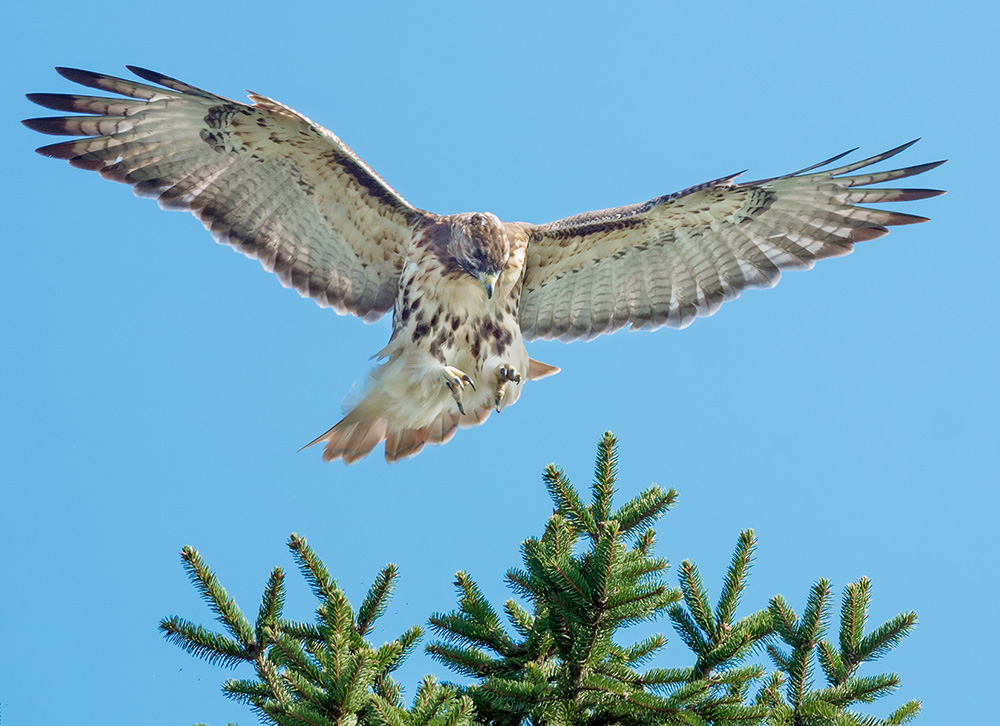
-
Article
Bird Sanctuaries and Reserves
Protection may be achieved by various means, including land-use zoning, long-term agreements with landowners and outright acquisition of land by wildlife agencies. Protected land areas may be designated as national wildlife areas, conservation areas, game reserves, etc.
"https://d3d0lqu00lnqvz.cloudfront.net/media/media/c69a8239-200e-4a58-9eac-691b6eb64f68.jpg" // resources/views/front/categories/view.blade.php
https://d3d0lqu00lnqvz.cloudfront.net/media/media/c69a8239-200e-4a58-9eac-691b6eb64f68.jpg
-
Article
Bird Watching
Bird watching is the field observation of birds. The popularity of bird watching has burgeoned, especially since WWII, assisted by increased leisure time, a rich literature of books and periodicals, more organizations and better educational, communication and travel facilities.
"https://d3d0lqu00lnqvz.cloudfront.net/media/media/70676950-d173-4bb5-8a43-d919d9483bd3.jpg" // resources/views/front/categories/view.blade.php
https://d3d0lqu00lnqvz.cloudfront.net/media/media/70676950-d173-4bb5-8a43-d919d9483bd3.jpg
-
Macleans
Bison Back from Brink of Extinction
This article was originally published in Maclean’s magazine on February 16, 2004. Partner content is not updated. AS MUCH as a 400-lb. animal can be said to frolic, that's what 50 BISON calves have been doing since they arrived on the rolling flatlands of southwestern Saskatchewan in mid-December.
"https://thecanadianencyclopedia.ca/images/tce_placeholder.jpg?v=e9dca980c9bdb3aa11e832e7ea94f5d9" // resources/views/front/categories/view.blade.php
https://thecanadianencyclopedia.ca/images/tce_placeholder.jpg?v=e9dca980c9bdb3aa11e832e7ea94f5d9
-
Article
Bison Farming
In the early 1800s it is reported that over 50 million bison roamed the plains of North America. In the late 1800s, as a consequence of hunting for meat, hides and trophies, and conversion of natural grass to farmland, there were fewer than 1000 plains bison remaining.
"https://d3d0lqu00lnqvz.cloudfront.net/media/media/6bdc1d51-94c4-45bd-ad41-c8673a3cfd35.jpg" // resources/views/front/categories/view.blade.php
https://d3d0lqu00lnqvz.cloudfront.net/media/media/6bdc1d51-94c4-45bd-ad41-c8673a3cfd35.jpg
-
Article
Bitumen
One of the easiest ways to understand bitumen is to compare it to its cousin, conventional crude oil. Whereas conventional crude oil flows freely, bitumen does not. At room temperature it looks like cold molasses, and must be either heated or diluted before it flows.
"https://d3d0lqu00lnqvz.cloudfront.net/media/media/5b3c7c5d-d083-4c67-9b18-611af4e00f75.jpg" // resources/views/front/categories/view.blade.php
https://d3d0lqu00lnqvz.cloudfront.net/media/media/5b3c7c5d-d083-4c67-9b18-611af4e00f75.jpg
-
Article
Blackbird
Blackbird is a common name for several species of birds of the New World family Icteridae (which also includes meadowlarks, orioles, cowbirds and grackles).
"https://d3d0lqu00lnqvz.cloudfront.net/media/media/b6a98ed0-ade7-4c66-b99c-5ce2f51a9d5a.jpg" // resources/views/front/categories/view.blade.php
https://d3d0lqu00lnqvz.cloudfront.net/media/media/b6a98ed0-ade7-4c66-b99c-5ce2f51a9d5a.jpg
-
Article
Bloodvein River
Named, perhaps, for the red granite stripes running through the bedrock near its source, the Bloodvein River begins in the vast wilderness of the Canadian Shield, 600 km northwest of Thunder Bay, Ont, and 500 km northeast of Winnipeg.
"https://thecanadianencyclopedia.ca/images/tce_placeholder.jpg?v=e9dca980c9bdb3aa11e832e7ea94f5d9" // resources/views/front/categories/view.blade.php
https://thecanadianencyclopedia.ca/images/tce_placeholder.jpg?v=e9dca980c9bdb3aa11e832e7ea94f5d9
-
Article
Bloody Falls
Bloody Falls are rapids located about 15 km above the mouth of the Coppermine River in the central Arctic.
"https://d3d0lqu00lnqvz.cloudfront.net/media/media/ae69d3f2-aebe-4a53-b1a8-ddfebac57e3f.jpg" // resources/views/front/categories/view.blade.php
https://d3d0lqu00lnqvz.cloudfront.net/media/media/ae69d3f2-aebe-4a53-b1a8-ddfebac57e3f.jpg
-
Article
Blue-green Algae
Blue-green Algae, now known as Cyanobacteria, are named for the blue-green pigment phycocyanin which along with chlorophyll a gives them a blue-green appearance. This led to Cyanobacteria being called blue-green algae before the kingdom Monera was recognized.
"https://thecanadianencyclopedia.ca/images/tce_placeholder.jpg?v=e9dca980c9bdb3aa11e832e7ea94f5d9" // resources/views/front/categories/view.blade.php
https://thecanadianencyclopedia.ca/images/tce_placeholder.jpg?v=e9dca980c9bdb3aa11e832e7ea94f5d9
-
Article
Blue-Grey Gnatcatcher
The Blue-grey gnatcatcher (Polioptila caerulea, family Muscicapidae, subfamily Sylviinae) is a tiny, migratory, insectivorous songbird.
"https://d3d0lqu00lnqvz.cloudfront.net/media/media/e06faec4-a017-43e4-acbd-b40dd8ec37f0.jpg" // resources/views/front/categories/view.blade.php
https://d3d0lqu00lnqvz.cloudfront.net/media/media/e06faec4-a017-43e4-acbd-b40dd8ec37f0.jpg
-
Article
Blue Mountains
The Blue Mountains (Montagnes Bleues) is a 240 km long group of high hills along the Canada and United States border in the Eastern Townships.
"https://thecanadianencyclopedia.ca/images/tce_placeholder.jpg?v=e9dca980c9bdb3aa11e832e7ea94f5d9" // resources/views/front/categories/view.blade.php
https://thecanadianencyclopedia.ca/images/tce_placeholder.jpg?v=e9dca980c9bdb3aa11e832e7ea94f5d9