
Browse "Nature & Geography"
-
Article
Urban Heat Island Effect
The urban heat island effect is a phenomenon created by city infrastructure like buildings, roads and rooftops, which absorb heat from the sun and re-emit this heat back into the air. This can cause higher air temperatures in urban areas. While some 27 million Canadians are affected by the urban heat island effect, many Canadian cities are creating green spaces with plants and trees and passing new urban design policies to reduce the impact of the urban heat island effect.
"https://d3d0lqu00lnqvz.cloudfront.net/urbanheatislandeffect/Downtown-Vancouver.jpg" // resources/views/front/categories/view.blade.php
https://d3d0lqu00lnqvz.cloudfront.net/urbanheatislandeffect/Downtown-Vancouver.jpg
-
"https://d3d0lqu00lnqvz.cloudfront.net/media/media/5c5f5b70-259f-45ae-b85c-adfccbec4228.jpg" // resources/views/front/categories/view.blade.php
https://d3d0lqu00lnqvz.cloudfront.net/media/media/5c5f5b70-259f-45ae-b85c-adfccbec4228.jpg
-
Article
Vetch
Vetch species are in the genus Vicia, which includes about 150 species native to both the Old and New Worlds, especially the Mediterranean area. Only 3 are native to Canada, although 9 or so have been introduced.
"https://d3d0lqu00lnqvz.cloudfront.net/media/media/d7fae5ba-4ae1-4b17-a561-d902f6186b96.jpg" // resources/views/front/categories/view.blade.php
https://d3d0lqu00lnqvz.cloudfront.net/media/media/d7fae5ba-4ae1-4b17-a561-d902f6186b96.jpg
-
Article
Violet
The Violet is a family (Violaceae) of annual or perennial herbaceous plants widely distributed throughout temperate and tropical regions. Tropical species may reach tree size. Roughly 500 species of genera Viola (violets, pansies) and Hybanthus (green violets) alone occur worldwide.
"https://thecanadianencyclopedia.ca/images/tce_placeholder.jpg?v=e9dca980c9bdb3aa11e832e7ea94f5d9" // resources/views/front/categories/view.blade.php
https://thecanadianencyclopedia.ca/images/tce_placeholder.jpg?v=e9dca980c9bdb3aa11e832e7ea94f5d9
-
Article
Vireo
The vireo (Vireonidae) is a family of small, basically olive green, insectivorous and partly frugivorous songbirds with repetitive, persistent song.
"https://thecanadianencyclopedia.ca/images/tce_placeholder.jpg?v=e9dca980c9bdb3aa11e832e7ea94f5d9" // resources/views/front/categories/view.blade.php
https://thecanadianencyclopedia.ca/images/tce_placeholder.jpg?v=e9dca980c9bdb3aa11e832e7ea94f5d9
-
Article
Volcano
A volcano is an opening in the crust of a planetary body through which liquid, gaseous or solid material is expelled; also, the structure formed by the eruption of this material. Most terrestrial volcanoes expel magma, a mixture of molten rock and dissolved gases (eg, water vapour, carbon dioxide, sulphur dioxide). The Earth's volcanic belts are located above zones of anomalously high temperature (700–1,400°C) where magma is produced by partial melting of solid material in the crust and upper mantle. These areas commonly occur along crustal plate margins at depths of 10–50 km (see plate tectonics). Basalt is the principal magma at diverging plate boundaries, such as oceanic spreading ridges; basalt, andesite, dacite, and rhyolite characterize volcanic arcs along converging plate margins. The relatively low density of magma causes it to rise through fractures into regions of lower pressure where dissolved gases expand and propel it toward the surface. Magma trapped in shallow reservoirs may solidify to form subvolcanic intrusions or may undergo chemical change before resuming its ascent. Evacuation of such reservoirs sometimes causes overlying rocks to collapse, leaving steep-walled, circular depressions (calderas). Groundwater heated by magma may discharge as hot mineral springs, as geysers or as fumaroles, or steam may escape in explosive bursts (phreatic eruptions) which commonly precede eruptions of magma. Magma reaching the surface may issue as molten lava or as solid, pyroclastic ejecta (bombs, blocks, lapilli, ash).
"https://d3d0lqu00lnqvz.cloudfront.net/media/media/55b65d67-fab1-4bea-a12a-8d19e4088565.jpg" // resources/views/front/categories/view.blade.php
https://d3d0lqu00lnqvz.cloudfront.net/media/media/55b65d67-fab1-4bea-a12a-8d19e4088565.jpg
-
Article
Vulture
The vulture is a large, long-winged, bald-headed bird of prey, normally abundant in warmer latitudes.
"https://d3d0lqu00lnqvz.cloudfront.net/media/media/70245b69-4c81-436d-b1c9-79c1e3d9b92c.jpg" // resources/views/front/categories/view.blade.php
https://d3d0lqu00lnqvz.cloudfront.net/media/media/70245b69-4c81-436d-b1c9-79c1e3d9b92c.jpg
-
Article
Walnut
Walnut (Juglans), genus of trees of the walnut family (Juglandaceae). The roughly 15 known species are widely dispersed through temperate and tropical regions.
"https://thecanadianencyclopedia.ca/images/tce_placeholder.jpg?v=e9dca980c9bdb3aa11e832e7ea94f5d9" // resources/views/front/categories/view.blade.php
https://thecanadianencyclopedia.ca/images/tce_placeholder.jpg?v=e9dca980c9bdb3aa11e832e7ea94f5d9
-
Article
Wapiti
Wapiti or American elk (Cervus canadensis) are the second largest (after the moose) deer in North America. The name wapiti is Shawnee for "white rump."
"https://d3d0lqu00lnqvz.cloudfront.net/deerincanada/Female-Elk.jpg" // resources/views/front/categories/view.blade.php
https://d3d0lqu00lnqvz.cloudfront.net/deerincanada/Female-Elk.jpg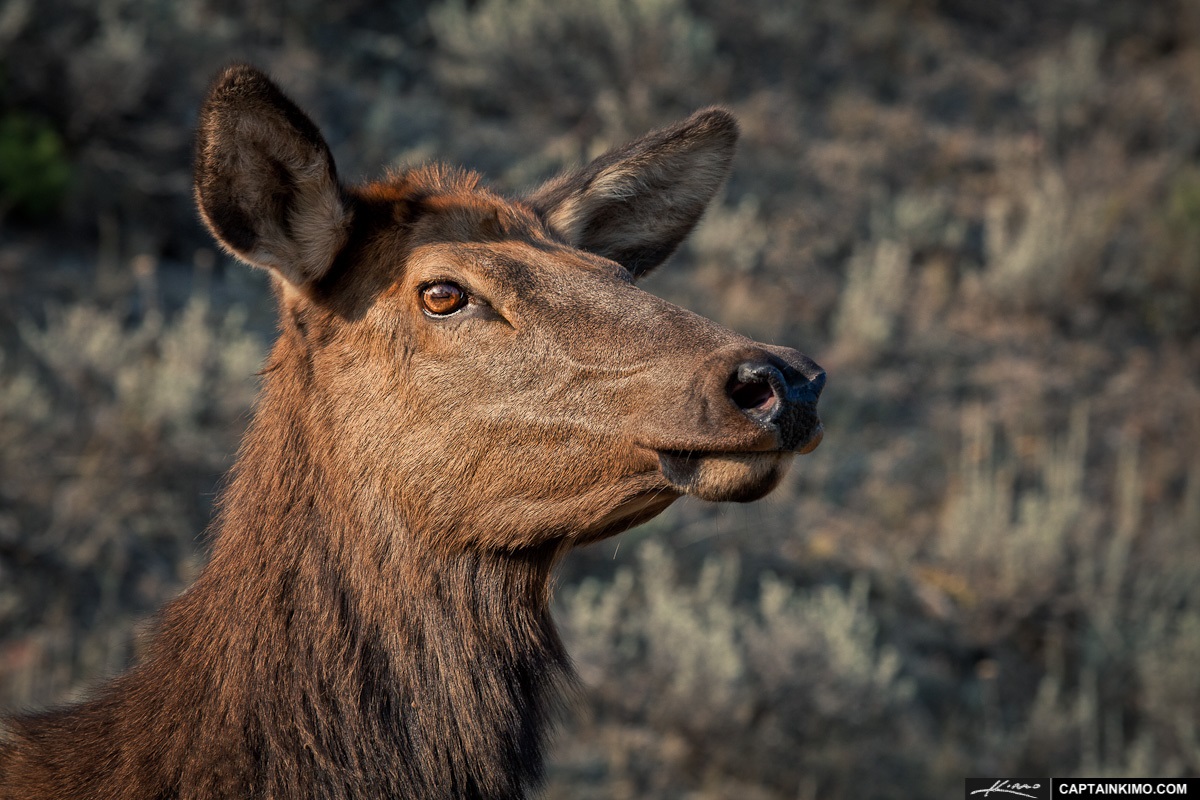
-
Article
Warbler
Warbler is a name applied to several groups of birds, primarily the New World wood warblers, and Old World warblers of which only 3 species commonly breed in Canada.
"https://d3d0lqu00lnqvz.cloudfront.net/media/media/8ba88883-d122-40fb-9532-84b5544afa79.jpg" // resources/views/front/categories/view.blade.php
https://d3d0lqu00lnqvz.cloudfront.net/media/media/8ba88883-d122-40fb-9532-84b5544afa79.jpg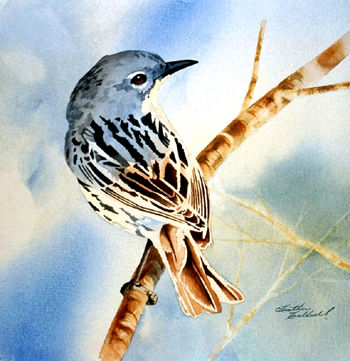
-
"https://d3d0lqu00lnqvz.cloudfront.net/media/media/f968e2cd-86a8-4763-a99e-b2199dcf06d1.jpg" // resources/views/front/categories/view.blade.php
https://d3d0lqu00lnqvz.cloudfront.net/media/media/f968e2cd-86a8-4763-a99e-b2199dcf06d1.jpg
-
Article
Water Pollution
Water pollution occurs when discharges of energy or materials degrade the quality of water for other users, including both humans and wildlife. Pollution can affect inland waters such as lakes, rivers and groundwater, as well as coastal marine waters.
"https://d3d0lqu00lnqvz.cloudfront.net/media/media/f9901a84-76fe-4be2-9d6f-7b434709a151.jpg" // resources/views/front/categories/view.blade.php
https://d3d0lqu00lnqvz.cloudfront.net/media/media/f9901a84-76fe-4be2-9d6f-7b434709a151.jpg
-
Article
Waterfowl
Waterfowl is a general term used for members of the family Anatidae, composed of closely allied species commonly known as ducks, geese and swans.
"https://d3d0lqu00lnqvz.cloudfront.net/media/media/473c32f2-43fb-4b28-adcf-d02c1c0811c1.jpg" // resources/views/front/categories/view.blade.php
https://d3d0lqu00lnqvz.cloudfront.net/media/media/473c32f2-43fb-4b28-adcf-d02c1c0811c1.jpg
-
Article
Weather Forecasting
Most modern meteorologists attempt to cope with physical processes by expressing them mathematically, ie, by creating mathematical models of the atmosphere. Powerful computers are then used to solve problems.
"https://d3d0lqu00lnqvz.cloudfront.net/media/media/d32eb943-b421-42f4-bb17-0d8dbdeb99d9.jpg" // resources/views/front/categories/view.blade.php
https://d3d0lqu00lnqvz.cloudfront.net/media/media/d32eb943-b421-42f4-bb17-0d8dbdeb99d9.jpg
-
Article
Weather Modification
Weather modification has been used in an attempt to increase rainfall and snowfall, to suppress hail, to clear fogs, to modify tropical cyclones and to suppress lightning. The term "weather modification" is not normally used to describe inadvertent changes in our WEATHER.
"https://thecanadianencyclopedia.ca/images/tce_placeholder.jpg?v=e9dca980c9bdb3aa11e832e7ea94f5d9" // resources/views/front/categories/view.blade.php
https://thecanadianencyclopedia.ca/images/tce_placeholder.jpg?v=e9dca980c9bdb3aa11e832e7ea94f5d9