
Browse "Nature & Geography"
-
Article
Supply Management in Canada
Supply management is a system designed to control the supply — and thereby stabilize the price — of Canadian dairy, chicken, turkey and egg products (see Poultry Farming). It began in 1972 as a response to a series of crises that farmers faced due to decreasing prices for these products.
"https://d3d0lqu00lnqvz.cloudfront.net/media/new_article_images/SupplyManagement/1280px-Four_litre_bagged_milk,_Quebec.jpg" // resources/views/front/categories/view.blade.php
https://d3d0lqu00lnqvz.cloudfront.net/media/new_article_images/SupplyManagement/1280px-Four_litre_bagged_milk,_Quebec.jpg
-
Macleans
Surviving 1998's Great Ice Storm
In a dark high-school hallway in Cowansville, Que., two elderly women tried to play canasta by candlelight one night last week. Since the power went out on Jan.This article was originally published in Maclean's Magazine on January 26, 1998
"https://thecanadianencyclopedia.ca/images/tce_placeholder.jpg?v=e9dca980c9bdb3aa11e832e7ea94f5d9" // resources/views/front/categories/view.blade.php
https://thecanadianencyclopedia.ca/images/tce_placeholder.jpg?v=e9dca980c9bdb3aa11e832e7ea94f5d9
-
Article
Sustainable Development
Sustainable development has been defined by the United Nations (UN) as development that “meets the needs of the present” while ensuring the future sustainability of the planet, its people and its resources. Meeting these needs often requires balancing three key features of sustainable development: environmental protection, economic growth and social inclusion. The goals of sustainable development are interconnected. The most successful sustainable development projects will include environmental, economic and social considerations in their final plan. These considerations must include the free, prior and informed consent of any Indigenous groups impacted by a sustainable development project.
"https://d3d0lqu00lnqvz.cloudfront.net/media/new_article_images/Sustainability/Planet_earth.jpg" // resources/views/front/categories/view.blade.php
https://d3d0lqu00lnqvz.cloudfront.net/media/new_article_images/Sustainability/Planet_earth.jpg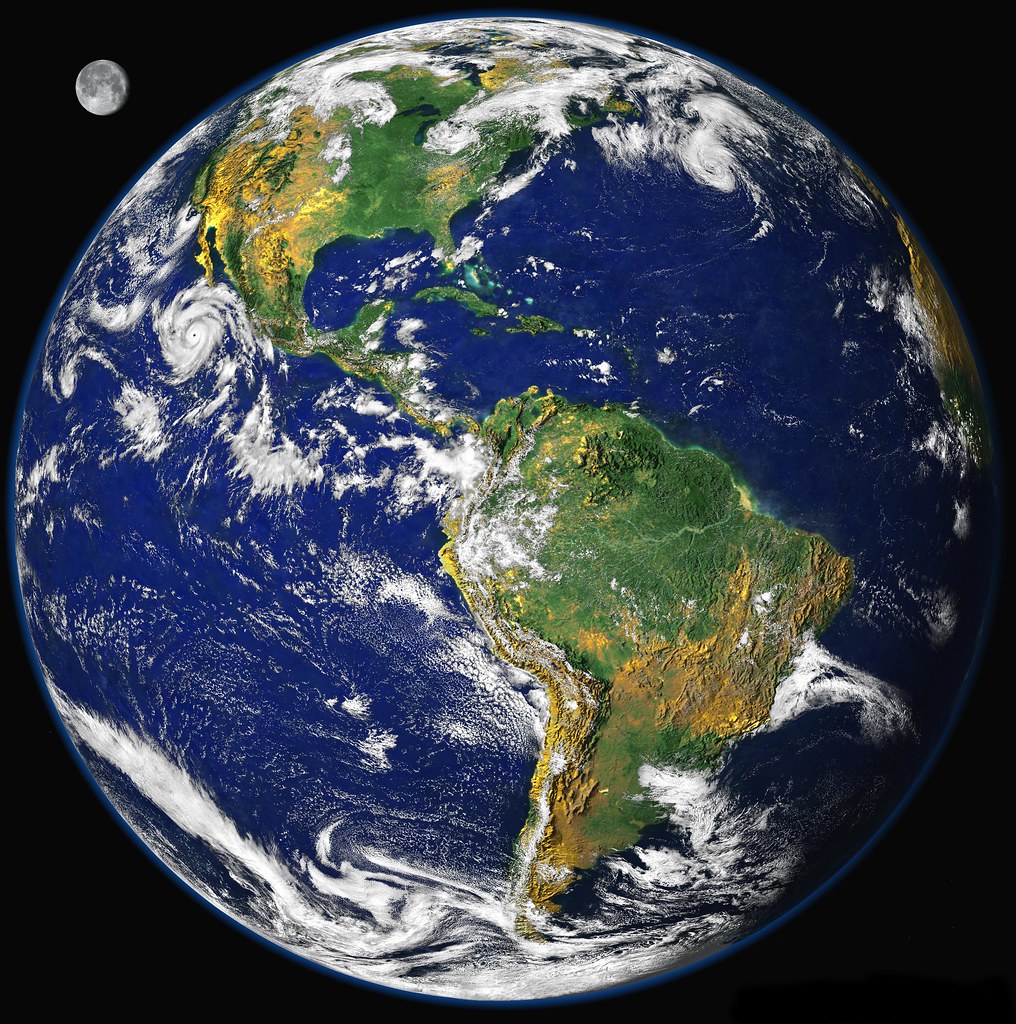
-
Article
Sutil and Mexicana
In 1792, after exploratory voyages by Spaniards Manuel Quimper (1790) and Francisco de Eliza (1791), the extent of Juan de Fuca Strait remained a mystery. Some still believed the strait held the entry to the fabled Northwest Passage.
"https://thecanadianencyclopedia.ca/images/tce_placeholder.jpg?v=e9dca980c9bdb3aa11e832e7ea94f5d9" // resources/views/front/categories/view.blade.php
https://thecanadianencyclopedia.ca/images/tce_placeholder.jpg?v=e9dca980c9bdb3aa11e832e7ea94f5d9
-
Article
Sweet Apple
The sweet apple (Malus pumila) is a cultivated species of the rose family and Canada's most important tree fruit crop. The sweet apple likely originated in the Heavenly Mountains (Tian Shan) of western China, and was brought to the Middle East on the Silk Road. Wild apple forests can still be found in central Asia, especially in Kazakhstan. The sweet apple is believed to have arisen from an interspecies hybridization in the distant past. Many wild species of Malus have been recognized, but some are hybrids among about 40 true species (nine of which are native to North America). Cultivated varieties (cultivars) were recognized at least by the 3rd century BCE, and valued types have been propagated clonally by budding and grafting since Roman times in the west, and probably far earlier in China.
"https://d3d0lqu00lnqvz.cloudfront.net/media/media/602b3e13-d1de-488a-a3f2-a924912a4fa7.jpg" // resources/views/front/categories/view.blade.php
https://d3d0lqu00lnqvz.cloudfront.net/media/media/602b3e13-d1de-488a-a3f2-a924912a4fa7.jpg
-
Article
Sweet Corn
Sweet corn (Zea mays var. saccharata or rugosa) is an annual vegetable of the grass family.
"https://d3d0lqu00lnqvz.cloudfront.net/media/media/0e05eb7f-505a-485a-a505-c169a1fd2ce1.jpg" // resources/views/front/categories/view.blade.php
https://d3d0lqu00lnqvz.cloudfront.net/media/media/0e05eb7f-505a-485a-a505-c169a1fd2ce1.jpg
-
Article
Swift
Swift is a common name for about 100 species of birds in 2 closely related families (Apodidae, Hemiprocnidae).
"https://d3d0lqu00lnqvz.cloudfront.net/media/media/f61405bb-d45a-4511-bd1a-004523f56e02.jpg" // resources/views/front/categories/view.blade.php
https://d3d0lqu00lnqvz.cloudfront.net/media/media/f61405bb-d45a-4511-bd1a-004523f56e02.jpg
-
Article
Tahltan Bear Dog
The Tahltan (pronounced tall-tan) bear dog was one of five dog breeds recognized by the Canadian Kennel Club as uniquely Canadian (see also Dogs in Canada). Although the name of the breed suggests it was only kept by the Tahltan Nation of Northwestern British Columbia, the dog was common among other First Nations in the region, too. These included the Tlingit, Tagish, Kaska and Sekani. The Tahltan people referred to it as “our dog,” which gave the breed its name. Indigenous peoples used the Tahltan bear dog in sustenance hunting— primarily for bear— an activity in which it excelled. The breed went extinct in the in the 1970s or 80s.
"https://d3d0lqu00lnqvz.cloudfront.net/media/media/5e996c76-2f62-4622-b889-20d4eebc2518.jpg" // resources/views/front/categories/view.blade.php
https://d3d0lqu00lnqvz.cloudfront.net/media/media/5e996c76-2f62-4622-b889-20d4eebc2518.jpg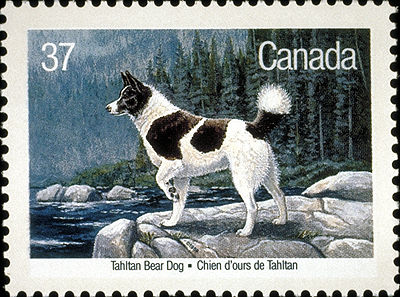
-
Article
Tanager
The tanager (Thraupidae) is a family of small songbirds, possibly comprising as many as 413 species.
"https://thecanadianencyclopedia.ca/images/tce_placeholder.jpg?v=e9dca980c9bdb3aa11e832e7ea94f5d9" // resources/views/front/categories/view.blade.php
https://thecanadianencyclopedia.ca/images/tce_placeholder.jpg?v=e9dca980c9bdb3aa11e832e7ea94f5d9
-
Article
Tantramar Marsh
The Tantramar marsh is one of four saltwater tidal marshes covering 20,230 ha on the narrow Chignecto Isthmus that connects New Brunswick and Nova Scotia.
"https://thecanadianencyclopedia.ca/images/tce_placeholder.jpg?v=e9dca980c9bdb3aa11e832e7ea94f5d9" // resources/views/front/categories/view.blade.php
https://thecanadianencyclopedia.ca/images/tce_placeholder.jpg?v=e9dca980c9bdb3aa11e832e7ea94f5d9
-
Article
Termite
Termites are social insects of the infraorder Isoptera. They may be thought of as “social cockroaches,” as they evolved from their wood-eating cockroach ancestors approximately 200 million years ago.
"https://d3d0lqu00lnqvz.cloudfront.net/media/media/4be4a60c-706f-461e-864a-8092a1f88036.jpg" // resources/views/front/categories/view.blade.php
https://d3d0lqu00lnqvz.cloudfront.net/media/media/4be4a60c-706f-461e-864a-8092a1f88036.jpg
-
Article
Montréal Biodôme
Opened in 1992 and located in the former Olympic velodrome, the Montréal Biodôme is part of the “Space for Life” network, which includes Montréal’s Insectarium, Planetarium and Botanical Garden.
"https://d3d0lqu00lnqvz.cloudfront.net/media/media/602331f5-435c-42b0-848e-0be2945dce57.jpg" // resources/views/front/categories/view.blade.php
https://d3d0lqu00lnqvz.cloudfront.net/media/media/602331f5-435c-42b0-848e-0be2945dce57.jpg
-
Article
Thistle
The thistle (Carduaceae tribe, family Compositae or Asteraceae) is a spiny herbaceous plant with white or purple flowers. There are 800 species worldwide, 46 in Canada (15 native). Native species (none serious WEEDS) are mainly "true" or "plumed" thistles of genus Cirsium.
"https://thecanadianencyclopedia.ca/images/tce_placeholder.jpg?v=e9dca980c9bdb3aa11e832e7ea94f5d9" // resources/views/front/categories/view.blade.php
https://thecanadianencyclopedia.ca/images/tce_placeholder.jpg?v=e9dca980c9bdb3aa11e832e7ea94f5d9
-
Article
Thrasher
Thrashers (Mimidae) are a small family of slender, long-tailed, medium-sized, insectivorous and frugivorous birds with loud, musical, repetitive songs.
"https://d3d0lqu00lnqvz.cloudfront.net/media/media/0b04d7e6-d80a-4290-8760-e575afc17c1b.jpg" // resources/views/front/categories/view.blade.php
https://d3d0lqu00lnqvz.cloudfront.net/media/media/0b04d7e6-d80a-4290-8760-e575afc17c1b.jpg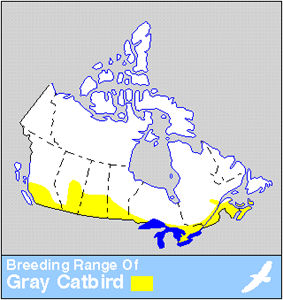
-
Article
Thrips
Thrips, order Thysanoptera (Gk for "fringe-wings"), are among the smallest insects, being slender and usually less than 2 mm long.
"https://thecanadianencyclopedia.ca/images/tce_placeholder.jpg?v=e9dca980c9bdb3aa11e832e7ea94f5d9" // resources/views/front/categories/view.blade.php
https://thecanadianencyclopedia.ca/images/tce_placeholder.jpg?v=e9dca980c9bdb3aa11e832e7ea94f5d9