
Browse "Nature & Geography"
-
Article
Solar Energy
The energy contained in sunlight is the source of life on Earth. Humans can harness it to generate power for our activities without producing harmful pollutants. There are many methods of converting solar energy into more readily usable forms of energy such as heat or electricity. The technologies we use to convert solar energy have a relatively small impact on the environment. However, they each have disadvantages that have kept them from being widely adopted. In Canada, the use of solar energy to generate electricity and heat is growing quickly and is helping reduce pollution related to energy production. Despite Canada’s cold climate and high latitudes (which get less direct sunlight than mid-latitudes), solar power technologies are used in many places, from household rooftops to large power plants. The Canada Energy Regulator (formerly the National Energy Board) expects solar power to make up 3 per cent of Canada’s total electricity generation capacity by 2040.
"https://d3d0lqu00lnqvz.cloudfront.net/media/media/bfcd57a6-65cf-486a-b845-726de3285690.jpg" // resources/views/front/categories/view.blade.php
https://d3d0lqu00lnqvz.cloudfront.net/media/media/bfcd57a6-65cf-486a-b845-726de3285690.jpg
-
Article
Solomon's Seal
Solomon's seal (genus Polygonatum) is a herbaceous plant of lily family (Liliaceae). About 50 species occur in the Northern Hemisphere.
"https://thecanadianencyclopedia.ca/images/tce_placeholder.jpg?v=e9dca980c9bdb3aa11e832e7ea94f5d9" // resources/views/front/categories/view.blade.php
https://thecanadianencyclopedia.ca/images/tce_placeholder.jpg?v=e9dca980c9bdb3aa11e832e7ea94f5d9
-
Article
Soybean
Soybean (Glycine max) is a herbaceous annual belonging to the legume family, grown as an oilseed crop in Canada. The soybean, among the oldest of cultivated crops, probably originated in East Asia. Introduced into the US as a hay crop about 1800, it was not recognized as a valuable source of edible oil until the early 1900s.
"https://d3d0lqu00lnqvz.cloudfront.net/media/media/735549a0-545a-4fa3-8e3f-b2e86a3b8471.jpg" // resources/views/front/categories/view.blade.php
https://d3d0lqu00lnqvz.cloudfront.net/media/media/735549a0-545a-4fa3-8e3f-b2e86a3b8471.jpg
-
Article
Sparrows in Canada
Sparrow is the name given to several unrelated groups of birds. Sparrows are classified in two families: Passerellidae, which includes American sparrows; and Passeridae, which includes the familiar house sparrow. About 25 species of the family Passerellidae regularly occur in Canada. Some notable native species are the song sparrow (Melospiza melodia), white-throated sparrow (Zonotrichia albicollis) and the lark bunting (Calamospiza melanocorys).
"https://d3d0lqu00lnqvz.cloudfront.net/cattail/Cattail.jpg" // resources/views/front/categories/view.blade.php
https://d3d0lqu00lnqvz.cloudfront.net/cattail/Cattail.jpg
-
Article
Species at Risk Legislation in Canada
Species at risk are species, subspecies or populations of animals, plants or fungi that are broadly considered to be in decline. In most cases, if the decline is not addressed, these species could be at risk of extinction. Canada is home to many species at risk, whether globally, nationally or locally (see Environmental Movements in Canada). Many pieces of legislation aim to prevent the decline or extinction of wild species in Canada, most notably the federal Species at Risk Act. Every province and territory also has its own regionally specific legislature.
"https://d3d0lqu00lnqvz.cloudfront.net/foxesincanada/Swift-Fox.jpg" // resources/views/front/categories/view.blade.php
https://d3d0lqu00lnqvz.cloudfront.net/foxesincanada/Swift-Fox.jpg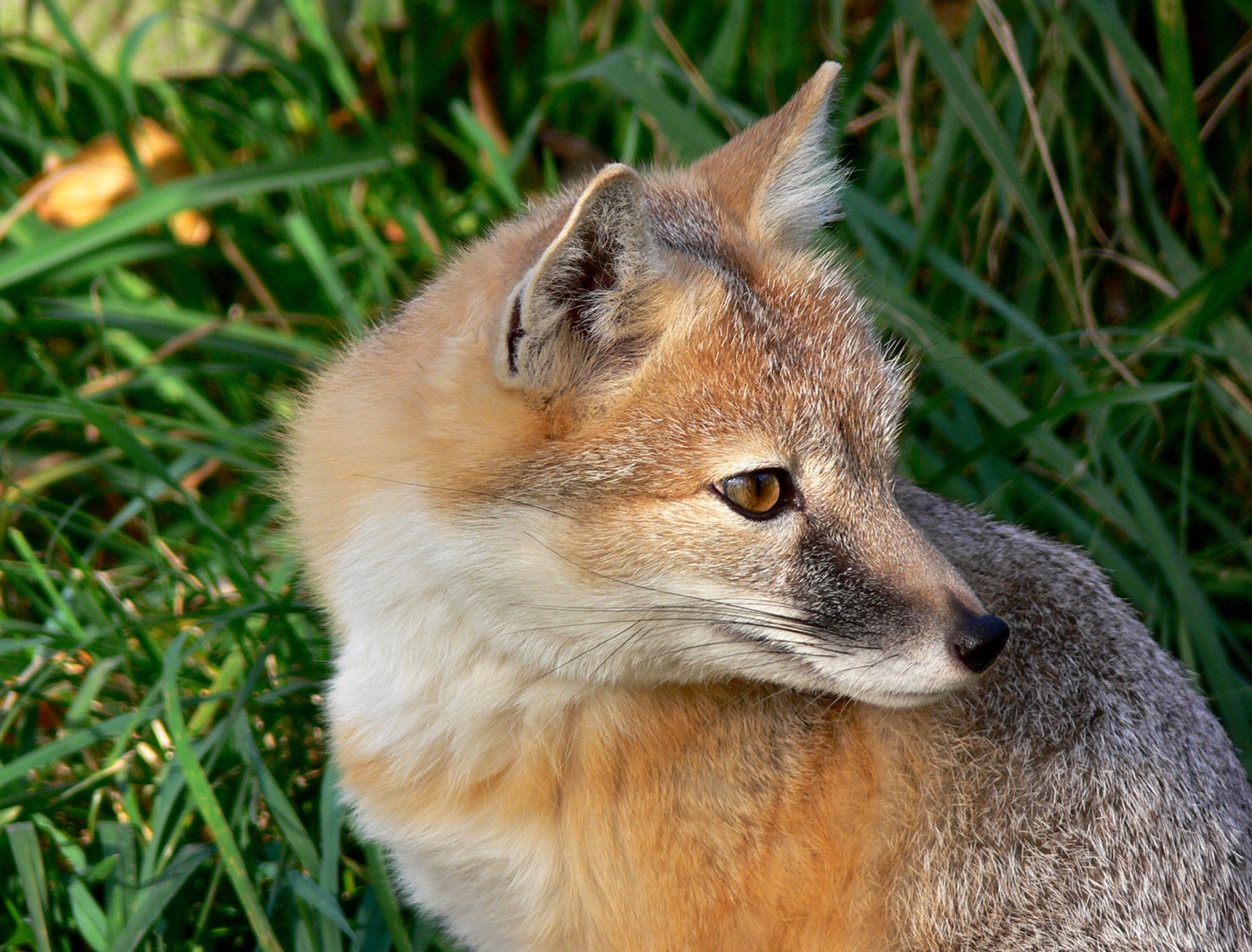
-
Macleans
Sperm Scare
During the mid-1970s, a Canadian Wildlife Service researcher discovered that birds in Lake Ontario were behaving in a bizarre way: unable to find mates, pairs of female herring gulls were nesting together and devotedly tending clutches of eggs that usually turned out to be infertile.This article was originally published in Maclean's Magazine on April 1, 1996
"https://thecanadianencyclopedia.ca/images/tce_placeholder.jpg?v=e9dca980c9bdb3aa11e832e7ea94f5d9" // resources/views/front/categories/view.blade.php
https://thecanadianencyclopedia.ca/images/tce_placeholder.jpg?v=e9dca980c9bdb3aa11e832e7ea94f5d9
-
Article
Spinach
Spinach (Spinacia oleracea), is a leafy, cool-season vegetable that belongs to the Chenopodiaceae family.
"https://d3d0lqu00lnqvz.cloudfront.net/media/media/b8897f58-3813-46a9-a321-d3583cd167c4.jpg" // resources/views/front/categories/view.blade.php
https://d3d0lqu00lnqvz.cloudfront.net/media/media/b8897f58-3813-46a9-a321-d3583cd167c4.jpg
-
Article
Spiraea
Spiraea is a genus of small shrubs of the family Rosaceae (rose). The genus consists of some 70-80 species, as well as many horticultural varieties of garden origin that have resulted from hybridization. Probably the most noteworthy of these hybrids is S.
"https://thecanadianencyclopedia.ca/images/tce_placeholder.jpg?v=e9dca980c9bdb3aa11e832e7ea94f5d9" // resources/views/front/categories/view.blade.php
https://thecanadianencyclopedia.ca/images/tce_placeholder.jpg?v=e9dca980c9bdb3aa11e832e7ea94f5d9
-
Article
Sponge
Sponges (phylum Porifera) are bottom-dwelling, attached, aquatic organisms which, as adults, generate vigorous water currents through their porous bodies by action of internal fields of microscopic flagella (whiplike structures). Sponges are the most primitive multicelled animals. The 5,000–10,000 known species are distributed worldwide in marine and freshwater habitats (98 per cent and 2 per cent of species, respectively).
"https://d3d0lqu00lnqvz.cloudfront.net/animalsincanada/Halichondria_panicea-bread-crumb-sponge.jpg" // resources/views/front/categories/view.blade.php
https://d3d0lqu00lnqvz.cloudfront.net/animalsincanada/Halichondria_panicea-bread-crumb-sponge.jpg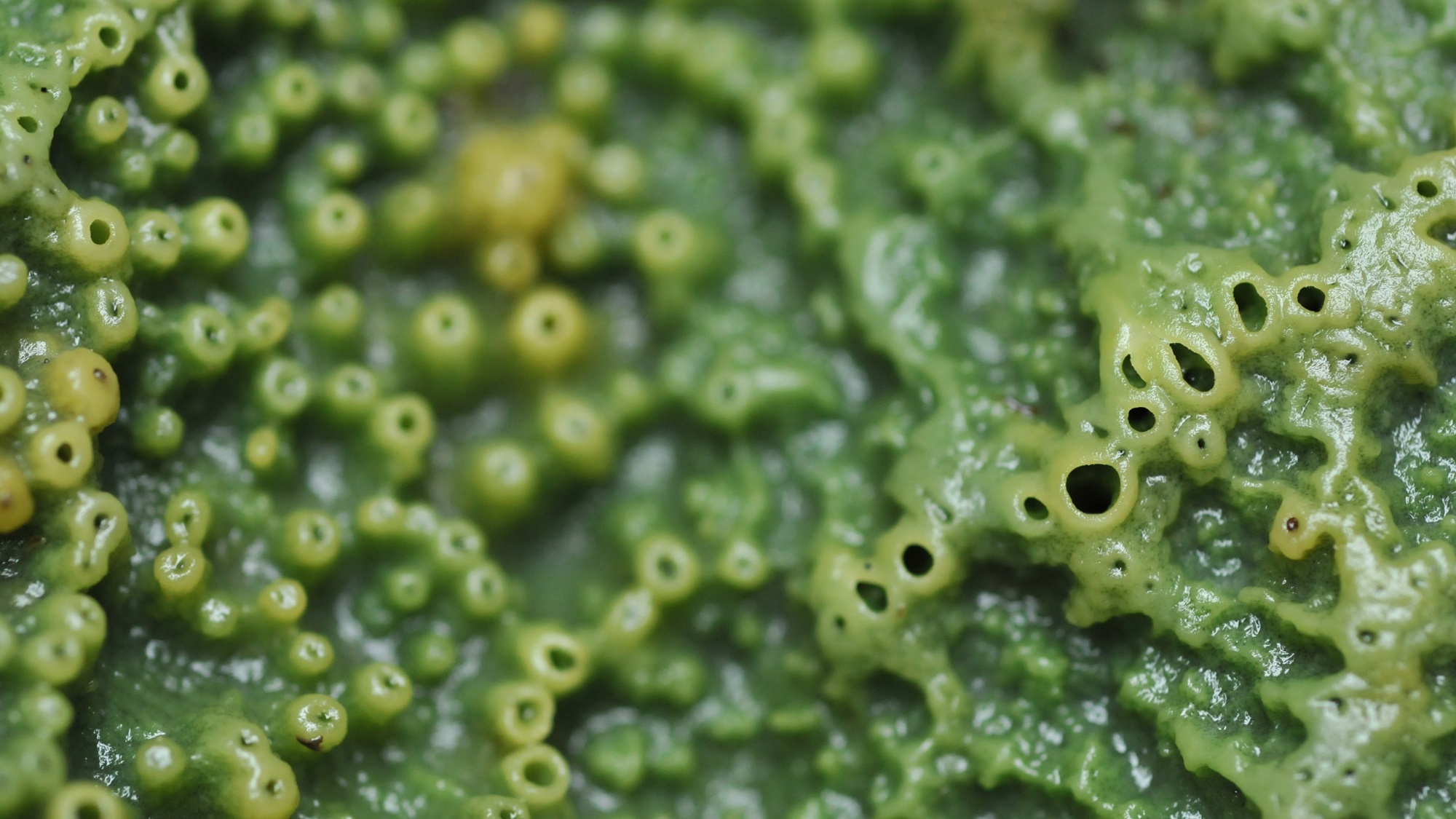
-
Article
Spotted Turtle
The spotted turtle (Clemmys guttata) is a small freshwater turtle native to Eastern North America. It is named for the bright yellow or yellow-orange spots on its shell, head and limbs. Its Canadian range is restricted to Southern and Central Ontario, where it is found in shallow wetland habitats such as swamps, marshes, fens and bogs. The spotted turtle is endangered, both in Canada and globally.
"https://d3d0lqu00lnqvz.cloudfront.net/spottedturtle/Spotted-Turtle-Clemmys-guttata-female.jpg" // resources/views/front/categories/view.blade.php
https://d3d0lqu00lnqvz.cloudfront.net/spottedturtle/Spotted-Turtle-Clemmys-guttata-female.jpg
-
Article
Spring
A spring is a point of natural, concentrated groundwater discharge from soil or rock.
"https://d3d0lqu00lnqvz.cloudfront.net/media/media/24f61a09-a6c8-4eb9-9898-c8a025daa602.jpg" // resources/views/front/categories/view.blade.php
https://d3d0lqu00lnqvz.cloudfront.net/media/media/24f61a09-a6c8-4eb9-9898-c8a025daa602.jpg
-
Article
Spring Peeper
The spring peeper (Pseudacris crucifer) is a small tree frog native to the forests of Eastern North America. Within Canada, the spring peeper can be found from Manitoba to the Atlantic provinces, excluding Newfoundland. (See also Frog Species in Canada.) In the spring, male spring peepers come together in groups around temporary breeding ponds to call out in a series of loud, high-pitched peeps meant to attract females. This sound is one of the earliest frog calls heard in the spring.
"https://d3d0lqu00lnqvz.cloudfront.net/springpeeper/springpeeper.jpg" // resources/views/front/categories/view.blade.php
https://d3d0lqu00lnqvz.cloudfront.net/springpeeper/springpeeper.jpg
-
Article
Squash
Squash (genus Cucurbita) is an annual plant belonging to the Cucurbitaceae family and native to the Americas.
"https://d3d0lqu00lnqvz.cloudfront.net/media/media/2ee8d55b-3100-4c31-9ceb-2698b95688b1.jpg" // resources/views/front/categories/view.blade.php
https://d3d0lqu00lnqvz.cloudfront.net/media/media/2ee8d55b-3100-4c31-9ceb-2698b95688b1.jpg
-
Article
Squid
Squid are decapods ("10-footed") molluscs of class Cephalopoda. Squid are usually of the order Teuthoidea).
"https://d3d0lqu00lnqvz.cloudfront.net/media/media/2b5058f2-5d4b-452a-a9fc-4c9772aed091.jpg" // resources/views/front/categories/view.blade.php
https://d3d0lqu00lnqvz.cloudfront.net/media/media/2b5058f2-5d4b-452a-a9fc-4c9772aed091.jpg
-
Article
Squirrel Species in Canada
Squirrels are rodents of the widespread family Sciuridae, which includes species such as chipmunks, ground squirrels and marmots. Approximately 285 species of squirrel have been found worldwide, from the Americas to Eurasia and Africa. In Canada, 23 species occur, all of which are native. Of these 23 species, six are tree-dwelling squirrels (two of which are flying squirrels) and 17 are ground-dwelling squirrels (seven of which are ground squirrels, five of which are chipmunks, four of which are marmots and one of which is a prairie dog). Squirrels are closely related to mountain beavers and dormice (suborder Sciuromorpha).
"https://d3d0lqu00lnqvz.cloudfront.net/squirrel/American-Red-Squirrel-Close-Up.jpg" // resources/views/front/categories/view.blade.php
https://d3d0lqu00lnqvz.cloudfront.net/squirrel/American-Red-Squirrel-Close-Up.jpg