
Browse "Nature & Geography"
-
Article
Scorpion
A scorpion is a carnivorous and venomous arthropod of the class Arachnida, order Scorpiones. Known from fossils 425-450 million years old, scorpions are among the oldest terrestrial animals.
"https://d3d0lqu00lnqvz.cloudfront.net/media/Twitter_Cards/scorpion.jpg" // resources/views/front/categories/view.blade.php
https://d3d0lqu00lnqvz.cloudfront.net/media/Twitter_Cards/scorpion.jpg
-
Article
Scotian Shelf
Scotian Shelf, a 700 km section of the Continental Shelf off Nova Scotia. Bounded by the Laurentian Channel on the NE, and Northeast Channel and the Gulf of Maine on the SW, it varies in width from 120 to 240 km; the average depth is 90 m.
"https://thecanadianencyclopedia.ca/images/tce_placeholder.jpg?v=e9dca980c9bdb3aa11e832e7ea94f5d9" // resources/views/front/categories/view.blade.php
https://thecanadianencyclopedia.ca/images/tce_placeholder.jpg?v=e9dca980c9bdb3aa11e832e7ea94f5d9
-
Article
Sculpin
Sculpin is one of the many common names given to the fish family Cottidae and its close relatives. The group, comprising over 300 species, is one of the dominant faunal components of the North Pacific Ocean, where it is believed to have evolved. Sculpins also occur in the Arctic and North Atlantic oceans; a few have penetrated to the southwest Pacific, South American and southern African waters. Freshwater forms occur in temperate and arctic waters of North America, Europe and Asia. Marine sculpins are found from intertidal waters to depths of several hundred metres; most inhabit relatively shallow waters (100 m or less). Freshwater forms generally live in shallow water. Most sculpins are bottom-living; a few occupy pelagic or mid-water habitats. About 63 species occur in Canadian waters, mostly on the west coast; a few in rivers and lakes throughout the country.
"https://d3d0lqu00lnqvz.cloudfront.net/media/media/0d8ca8c3-9e31-4dc8-b621-73792b3c7ec3.jpg" // resources/views/front/categories/view.blade.php
https://d3d0lqu00lnqvz.cloudfront.net/media/media/0d8ca8c3-9e31-4dc8-b621-73792b3c7ec3.jpg
-
Article
Sea Lion
The northern sea lion, also called the Steller sea lion (Eumetopias jubatus), is the largest of the eared SEALS.
"https://d3d0lqu00lnqvz.cloudfront.net/media/media/440414f5-caff-4536-9eac-90dceba5603d.jpg" // resources/views/front/categories/view.blade.php
https://d3d0lqu00lnqvz.cloudfront.net/media/media/440414f5-caff-4536-9eac-90dceba5603d.jpg
-
Article
Sea Urchin
Sea Urchin, radially symmetrical marine invertebrate. Sea urchins and near relatives, the sand dollars and heart urchins, belong to class Echinoidea of phylum Echinodermata.
"https://d3d0lqu00lnqvz.cloudfront.net/media/media/13013e6e-ff67-461b-a42c-416983fc0e43.jpg" // resources/views/front/categories/view.blade.php
https://d3d0lqu00lnqvz.cloudfront.net/media/media/13013e6e-ff67-461b-a42c-416983fc0e43.jpg
-
Article
Seabird
Seabirds are those bird species which spend long periods away from land and obtain all or most of their food from the sea while flying, swimming or diving, and occupy all of the world's oceans.
"https://d3d0lqu00lnqvz.cloudfront.net/media/media/74b6b3be-a60f-4ceb-91d9-cad952152631.jpg" // resources/views/front/categories/view.blade.php
https://d3d0lqu00lnqvz.cloudfront.net/media/media/74b6b3be-a60f-4ceb-91d9-cad952152631.jpg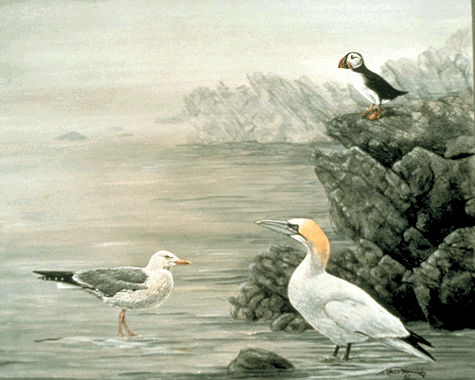
-
Article
Seal
Seal is a common name given to a diverse group of aquatic, generally marine mammals of the order Pinnipedia.
"https://d3d0lqu00lnqvz.cloudfront.net/media/media/ad6eb052-20b9-49bd-8d81-28d2b97038ec.jpg" // resources/views/front/categories/view.blade.php
https://d3d0lqu00lnqvz.cloudfront.net/media/media/ad6eb052-20b9-49bd-8d81-28d2b97038ec.jpg
-
Article
Seashell
Shell is a hard covering made primarily of calcium carbonate, secreted by invertebrate animals (eg, molluscs, barnacles, sea urchins).
"https://d3d0lqu00lnqvz.cloudfront.net/media/media/c310bf19-fd9d-46f4-9608-57aec8a21c89.jpg" // resources/views/front/categories/view.blade.php
https://d3d0lqu00lnqvz.cloudfront.net/media/media/c310bf19-fd9d-46f4-9608-57aec8a21c89.jpg
-
Timelines
Seasons in Canada
Being a large country spanning a wide variety of ecosystems, Canada experiences broad seasonal variation from coast to coast to coast. This timeline marks some of the most iconic yearly natural and astronomical events in Canada. Did you know? Phenology is the study of cycles and seasonal shifts in nature. This can include the study of when birds migrate, when plants flower or when certain climate phenomena occur.
"https://d3d0lqu00lnqvz.cloudfront.net/media/media/88760cde-ceef-4e4a-85eb-d278701f7930.jpg" // resources/views/front/categories/view.blade.php
https://d3d0lqu00lnqvz.cloudfront.net/media/media/88760cde-ceef-4e4a-85eb-d278701f7930.jpg
-
Article
Seaweeds
Seaweeds are multicellular marine algae, visible to the naked eye. They extend from the uppermost reaches of sea spray on the shore to the lower limits of light beneath the surface of the water.
"https://d3d0lqu00lnqvz.cloudfront.net/media/media/7fef297e-e301-4ad4-8cc1-d64bd2f9e902.jpg" // resources/views/front/categories/view.blade.php
https://d3d0lqu00lnqvz.cloudfront.net/media/media/7fef297e-e301-4ad4-8cc1-d64bd2f9e902.jpg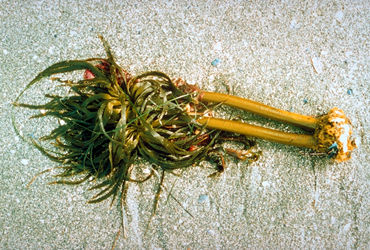
-
Article
Sedge
Sedge is a grasslike plant common throughout temperate and cold regions. The genus name, Carex (family Cyperaceae), is probably derived from keiro, referring to the sharp leaf margins.
"https://d3d0lqu00lnqvz.cloudfront.net/media/media/e54d9ac1-e557-4493-aa21-0155fa62dd38.jpg" // resources/views/front/categories/view.blade.php
https://d3d0lqu00lnqvz.cloudfront.net/media/media/e54d9ac1-e557-4493-aa21-0155fa62dd38.jpg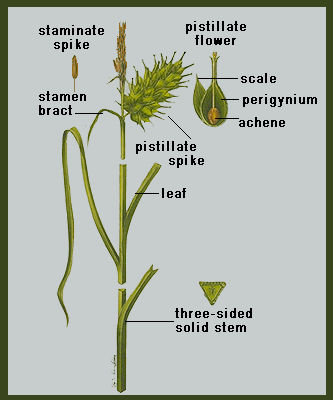
-
Article
Sedimentary Rock
Only about 5% of the Earth's crust is composed of sedimentary rocks, but they cover 70-75% of the exposed surface and contain many economically important minerals, as well as coal and petroleum.
"https://d3d0lqu00lnqvz.cloudfront.net/media/media/233c4490-07ce-414e-b2d5-e30602befc75.jpg" // resources/views/front/categories/view.blade.php
https://d3d0lqu00lnqvz.cloudfront.net/media/media/233c4490-07ce-414e-b2d5-e30602befc75.jpg
-
Article
Shark
A shark is a marine fish with cartilaginous skeleton belonging to subclass Elasmobranchii, class Chondrichthyes, order Pleurotremata.
"https://d3d0lqu00lnqvz.cloudfront.net/media/media/4a60ac6a-69a6-42b5-8c9e-49da8e4bb634.jpg" // resources/views/front/categories/view.blade.php
https://d3d0lqu00lnqvz.cloudfront.net/media/media/4a60ac6a-69a6-42b5-8c9e-49da8e4bb634.jpg
-
Article
Shearwater
The shearwater (order Procellariiformes, family Procellariidae) is a medium-sized seabird.
"https://d3d0lqu00lnqvz.cloudfront.net/media/media/0ad00d12-bb85-47c3-94ad-67bbe257713b.jpg" // resources/views/front/categories/view.blade.php
https://d3d0lqu00lnqvz.cloudfront.net/media/media/0ad00d12-bb85-47c3-94ad-67bbe257713b.jpg
-
Article
Shooting Star
Shooting Star (genus Dodecatheon) is a perennial herbaceous plant of Primulaceae family (primrose).
"https://thecanadianencyclopedia.ca/images/tce_placeholder.jpg?v=e9dca980c9bdb3aa11e832e7ea94f5d9" // resources/views/front/categories/view.blade.php
https://thecanadianencyclopedia.ca/images/tce_placeholder.jpg?v=e9dca980c9bdb3aa11e832e7ea94f5d9