Browse "Nature & Geography"
-
Article
Bears in Canada
Bears (family Ursidae) are large, stocky, bob-tailed mammals with five clawed toes on each paw. Three species inhabit Canada: the polar bear (Ursus maritimus), grizzly bear (U. arctos horribilis, subspecies of brown bear) and black bear (U. americanus).
"https://d3d0lqu00lnqvz.cloudfront.net/media/media/0d6fe195-4729-4873-a17f-c136d2580df9.jpg" // resources/views/front/categories/view.blade.php
https://d3d0lqu00lnqvz.cloudfront.net/media/media/0d6fe195-4729-4873-a17f-c136d2580df9.jpg
-
Article
Bear Attacks
Infrequent attacks on humans have been made by grizzly (or brown), black or polar bears. Bears can run at speeds exceeding 50 km/h, are significantly stronger than people and can inflict serious injury.
"https://d3d0lqu00lnqvz.cloudfront.net/media/media/39cb1d7c-2ee0-42d4-93e3-34525d646964.jpg" // resources/views/front/categories/view.blade.php
https://d3d0lqu00lnqvz.cloudfront.net/media/media/39cb1d7c-2ee0-42d4-93e3-34525d646964.jpg
-
Article
Beaufort Sea
The Beaufort Sea can be taken to include the whole of the clockwise gyre of the Canada Basin of the Arctic Ocean north of Alaska, Yukon and the Mackenzie Delta coast, bounded on the east by Banks Island and Prince Patrick Island. Alternatively, it has been defined as that part of the Arctic Ocean lying south and east of a line connecting Point Barrow, Alaska, and Lands End, Prince Patrick Island.
"https://d3d0lqu00lnqvz.cloudfront.net/beaufortsea/beaufort-sea-icebreaker.jpg" // resources/views/front/categories/view.blade.php
https://d3d0lqu00lnqvz.cloudfront.net/beaufortsea/beaufort-sea-icebreaker.jpg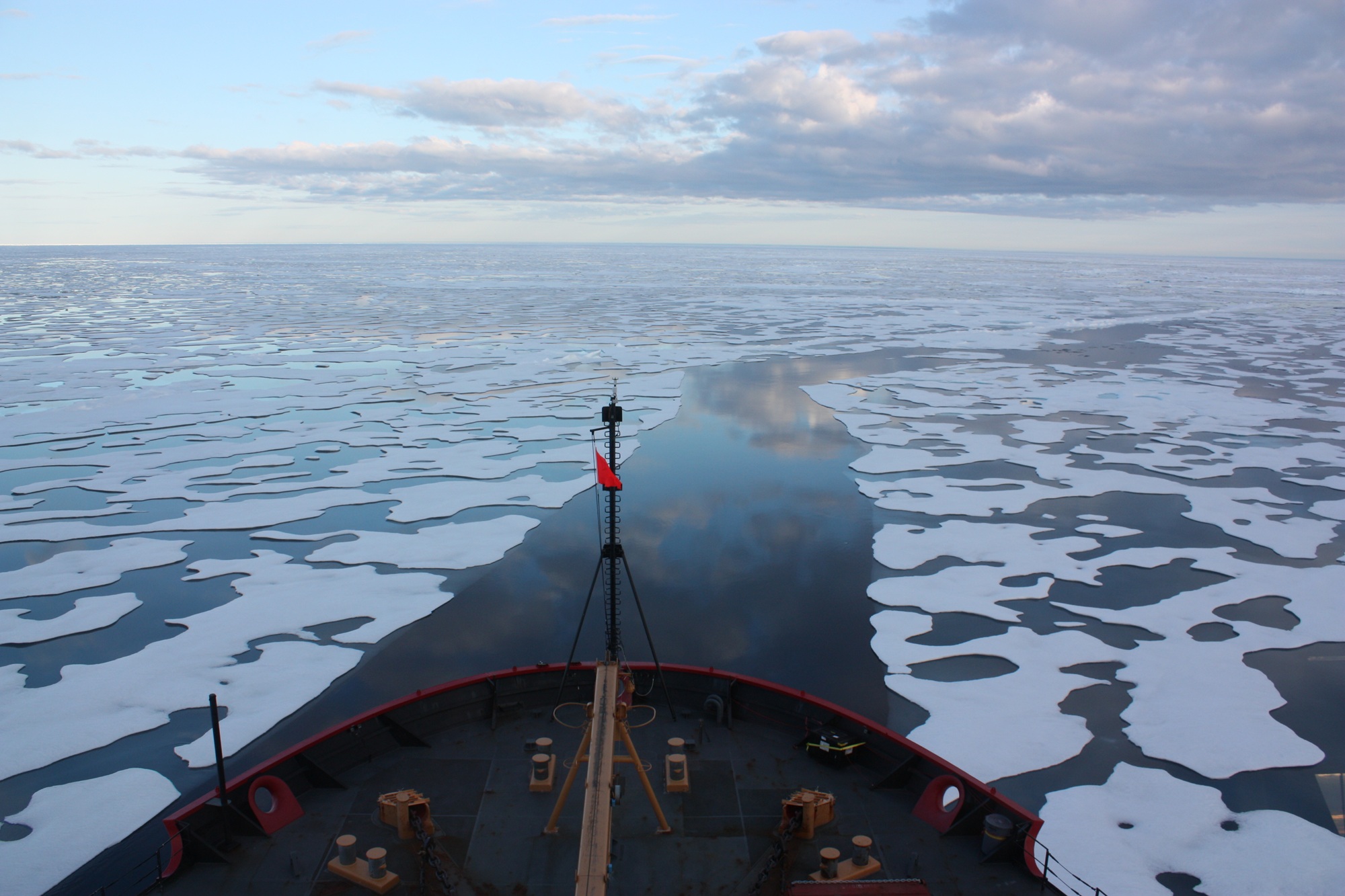
-
Article
Bedbug
Bedbugs (Cimex spp.) are small insects that feed on the blood of vertebrates. They cannot fly, jump or travel very far independently, so they primarily spread between locations by being carried on objects and clothing. Bedbugs are hemipterans, or “true bugs,” in the family Cimicidae. There are hundreds of bedbug species, with two species that are common pests of humans: Cimex hemipterus and, more commonly, C. lectularius. They have been a pest-control issue in Canada and the rest of the world since at least the early 2000s. Bedbugs have been parasites of humans for thousands of years and likely evolved from an ancestor that lived in caves and fed on bats.
"https://d3d0lqu00lnqvz.cloudfront.net/bedbug/bedbug.jpg" // resources/views/front/categories/view.blade.php
https://d3d0lqu00lnqvz.cloudfront.net/bedbug/bedbug.jpg
-
Article
Beech
Beech (Fagus), genus of trees of beech family (Fagaceae). Ten species occur worldwide; one, American beech (F. grandifolia), is native to North America.
"https://d3d0lqu00lnqvz.cloudfront.net/media/media/a2af7be4-325b-4223-ab2c-f192c693074d.jpg" // resources/views/front/categories/view.blade.php
https://d3d0lqu00lnqvz.cloudfront.net/media/media/a2af7be4-325b-4223-ab2c-f192c693074d.jpg
-
Article
Beef Cattle Farming
Beef cattle farming is a key component of Canadian agriculture. The four Western provinces account for about 85 per cent of beef cattle on Canadian cattle farms, with nearly one-half in Alberta alone. Beef farms make up about one-quarter of all farms in Canada, second only to field crops, while the dollar value of live cattle exports ranks just behind spring wheat, canola and durum exports. Canada ranks among the world’s top 10 per capita consumers and exporters of beef.
"https://d3d0lqu00lnqvz.cloudfront.net/media/media/723a21ea-1dd8-495d-9842-7cb533bfd984.jpg" // resources/views/front/categories/view.blade.php
https://d3d0lqu00lnqvz.cloudfront.net/media/media/723a21ea-1dd8-495d-9842-7cb533bfd984.jpg
-
Article
Beekeeping
The complex social organization, the biology and the industrious nature of honeybees (genus Apis) have long fascinated people.
"https://thecanadianencyclopedia.ca/images/tce_placeholder.jpg?v=e9dca980c9bdb3aa11e832e7ea94f5d9" // resources/views/front/categories/view.blade.php
https://thecanadianencyclopedia.ca/images/tce_placeholder.jpg?v=e9dca980c9bdb3aa11e832e7ea94f5d9
-
Article
Beet
Beet (Beta vulgaris), biennial herbaceous plant of the Chenopodiaceae family. There are 4 cultivated varieties: red or vegetable beet, fodder beet (mangel-wurzel), chard and sugar beet.
"https://d3d0lqu00lnqvz.cloudfront.net/media/media/f79c94c8-9f0d-444b-91cb-168c6903a0ea.jpg" // resources/views/front/categories/view.blade.php
https://d3d0lqu00lnqvz.cloudfront.net/media/media/f79c94c8-9f0d-444b-91cb-168c6903a0ea.jpg
-
Article
Beetle
Beetles are an extremely diverse group of insects, which together make up the order Coleoptera (from Greek koleos, meaning, “sheath,” and ptera, “wings”). So named for their hardened forewings, which conceal a second pair of flight wings, beetles have the greatest number of known species of any comparable group of living things. There are an estimated 380,000 described beetle species worldwide, representing about 40 per cent of the world’s known insects. Beetles occupy nearly every available terrestrial and freshwater habitat, having evolved to fulfill more ecological roles than probably any other group of organisms. As such, beetles are found all over the world. In Canada, over 8,150 species are known, representing 121 of the world’s 176 families of beetles. Familiar beetles include lady beetles, fireflies, scarabs, weevils, tiger, ground, blister and leaf beetles.
"https://d3d0lqu00lnqvz.cloudfront.net/media/media/363d9809-9283-479b-b225-1f7857211985.jpg" // resources/views/front/categories/view.blade.php
https://d3d0lqu00lnqvz.cloudfront.net/media/media/363d9809-9283-479b-b225-1f7857211985.jpg
-
Article
Beluga Whale
The beluga, or white whale, is a type of toothed whale found in Canada’s Arctic, Hudson Bay and St. Lawrence estuary.
"https://d3d0lqu00lnqvz.cloudfront.net/media/media/36db2274-75da-45e8-8119-a03c7203ce5c.jpg" // resources/views/front/categories/view.blade.php
https://d3d0lqu00lnqvz.cloudfront.net/media/media/36db2274-75da-45e8-8119-a03c7203ce5c.jpg
-
Article
Beneficial Insect
Most insects are beneficial, playing many ecological roles. Less than 1% are pests. They are the principal food of many birds and reptiles, and the survival of insect-pollinated plants depends on them.
"https://d3d0lqu00lnqvz.cloudfront.net/media/media/bdc4d290-63b3-44ee-a1c0-cdd4bd1288a8.jpg" // resources/views/front/categories/view.blade.php
https://d3d0lqu00lnqvz.cloudfront.net/media/media/bdc4d290-63b3-44ee-a1c0-cdd4bd1288a8.jpg
-
Article
Betula Lake
Betula Lake, Manitoba, is a freshwater lake and resort area in Whiteshell Provincial Park, 145 km by road northeast of Winnipeg. Opened to cottage development in the 1950s, Betula is a popular swimming, waterskiing and fishing area.
"https://thecanadianencyclopedia.ca/images/tce_placeholder.jpg?v=e9dca980c9bdb3aa11e832e7ea94f5d9" // resources/views/front/categories/view.blade.php
https://thecanadianencyclopedia.ca/images/tce_placeholder.jpg?v=e9dca980c9bdb3aa11e832e7ea94f5d9
-
Article
Biodiversity
Biodiversity is the variety of life (genetic, species and ecosystem levels) on Earth or some part of it. It includes all living forms, plants, animals and micro-organisms. It is the natural wealth of a region that provides resources and ecological services. But biological resources comprise only a small fraction of the biodiversity — biodiversity is all-encompassing.
"https://d3d0lqu00lnqvz.cloudfront.net/blueberry/Bee-pollinating-blueberry-flower.jpg" // resources/views/front/categories/view.blade.php
https://d3d0lqu00lnqvz.cloudfront.net/blueberry/Bee-pollinating-blueberry-flower.jpg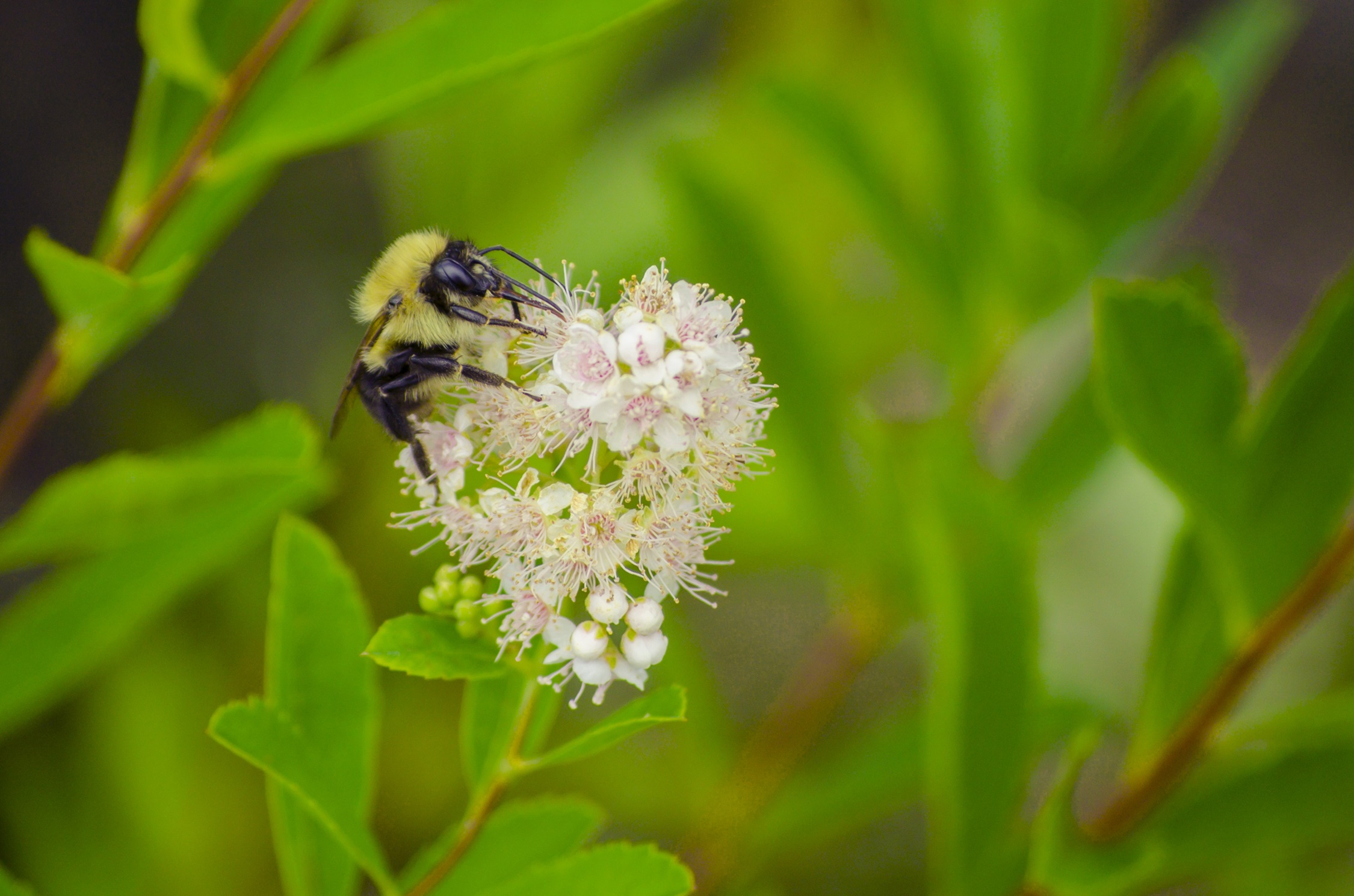
-
Article
Biogeoclimatic Zone
For example, in British Columbia, the Coastal Western Hemlock Zone is one of 14 biogeoclimatic zones. It occupies high precipitation areas up to 1000 m elevation west of the coastal mountains from the Washington to Alaska borders and beyond.
"https://thecanadianencyclopedia.ca/images/tce_placeholder.jpg?v=e9dca980c9bdb3aa11e832e7ea94f5d9" // resources/views/front/categories/view.blade.php
https://thecanadianencyclopedia.ca/images/tce_placeholder.jpg?v=e9dca980c9bdb3aa11e832e7ea94f5d9
-
Article
Biogeography
Biogeography studies all aspects of the adaptations of an organism to its environment, considering systematically the origins, migrations and associations of living things. Hence, it aims for a synthesis of data from nonbiological and biological disciplines: geology, physical geography, geomorphology, climatology and meteorology, on the one hand; biology, taxonomy, genetics and physiology, on the other. Biogeographical relationships cannot be understood except from an ecological perspective which tries to explain the exchanges between an organism and its environment.
"https://d3d0lqu00lnqvz.cloudfront.net/autumncolours/Yellow.jpg" // resources/views/front/categories/view.blade.php
https://d3d0lqu00lnqvz.cloudfront.net/autumncolours/Yellow.jpg