
Browse "Nature & Geography"
-
Article
Mussel
The mussel is a bivalve (hinged shell) mollusc of either the marine order Mytiloida or the freshwater superfamily Unionacea.
"https://d3d0lqu00lnqvz.cloudfront.net/media/media/7f00d523-6521-4a0d-bc8b-6d4f3971d383.jpg" // resources/views/front/categories/view.blade.php
https://d3d0lqu00lnqvz.cloudfront.net/media/media/7f00d523-6521-4a0d-bc8b-6d4f3971d383.jpg
-
Macleans
Natural Environment
This article was originally published in Maclean’s magazine on June 2, 2003. Partner content is not updated. THIS IS MY medicine cabinet," says Karl Schibli, his ice-blue eyes widening with the excitement of someone about to let a neophyte in on what he already knows. The object of Schibli's focused attention is a red Coleman picnic cooler on a shelf in his barn near Waterford, Ont.
"https://thecanadianencyclopedia.ca/images/tce_placeholder.jpg?v=e9dca980c9bdb3aa11e832e7ea94f5d9" // resources/views/front/categories/view.blade.php
https://thecanadianencyclopedia.ca/images/tce_placeholder.jpg?v=e9dca980c9bdb3aa11e832e7ea94f5d9
-
Article
Natural Gas in Canada
Natural gas ranks among the fastest-growing energy sources in Canada and is seen by many in the energy industry as a game-changer, a comparatively clean, low-cost and versatile fuel. It can directly generate power and heat and can be chemically altered to produce a wide range of useful commodity chemicals. It burns cleaner and more efficiently than other fossil fuels, releasing significantly fewer harmful pollutants into the atmosphere. Natural gas is colorless, odourless, shapeless, lighter than air and contains a mixture of several hydrocarbon gases, which are organic compounds consisting of some combination of hydrogen and carbon molecules. The primary consumers of natural gas are the industrial (54.1 per cent), residential (26.6 per cent) and commercial sectors (19.3 per cent). Canada is the fifth largest natural gas producer after the United States, Russia, Iran and Qatar. Currently, all of Canada’s natural gas exports go to the United States through a network of pipelines, making Canada the largest foreign source of US natural gas imports. At the end of 2016, Canada had 76.7 trillion cubic feet of proven natural gas reserves and had produced 152 billion cubic metres of natural gas that year. It is forecasted that global natural gas consumption will double by 2035.
"https://d3d0lqu00lnqvz.cloudfront.net/media/new_article_images/NaturalGas/Fig 1.jpg" // resources/views/front/categories/view.blade.php
https://d3d0lqu00lnqvz.cloudfront.net/media/new_article_images/NaturalGas/Fig 1.jpg
-
Article
Natural Regions
Natural regions are intended to describe areas of the Earth's surface which possess similar qualities or attributes. They may refer to either land or water, and can vary in size. The term “natural region” is often used interchangeably with the word “ecozone.” Canada has 20 natural regions (15 terrestrial and five marine).
"https://d3d0lqu00lnqvz.cloudfront.net/georgianbay/Beausoleil-Island-Coast.jpg" // resources/views/front/categories/view.blade.php
https://d3d0lqu00lnqvz.cloudfront.net/georgianbay/Beausoleil-Island-Coast.jpg
-
Article
Natural Resources in Alberta
Canada is a resource rich country and different natural resources are found across the provinces and territories. Alberta’s natural resources include mountains, lakes, rivers, fossil fuels, forests and agricultural land. These natural resources contribute towards the economies of Alberta and Canada, but there are environmental and health concerns regarding fossil fuel extraction in the province. (See also Oil Sands.)
"https://d3d0lqu00lnqvz.cloudfront.net/media/media/be7a97e5-19d2-4df5-b348-a549dd5b3fe7.jpg" // resources/views/front/categories/view.blade.php
https://d3d0lqu00lnqvz.cloudfront.net/media/media/be7a97e5-19d2-4df5-b348-a549dd5b3fe7.jpg
-
Article
Natural Resources in British Columbia
Canada is a resource rich country and different natural resources are found across the provinces and territories. British Columbia’s natural resources include forests, agricultural land, fish, minerals, natural gas and water. These natural resources contribute towards the economy of British Columbia and Canada.
"https://d3d0lqu00lnqvz.cloudfront.net/media/media/08691466-f851-405a-aed3-4dae6f6e6024.jpg" // resources/views/front/categories/view.blade.php
https://d3d0lqu00lnqvz.cloudfront.net/media/media/08691466-f851-405a-aed3-4dae6f6e6024.jpg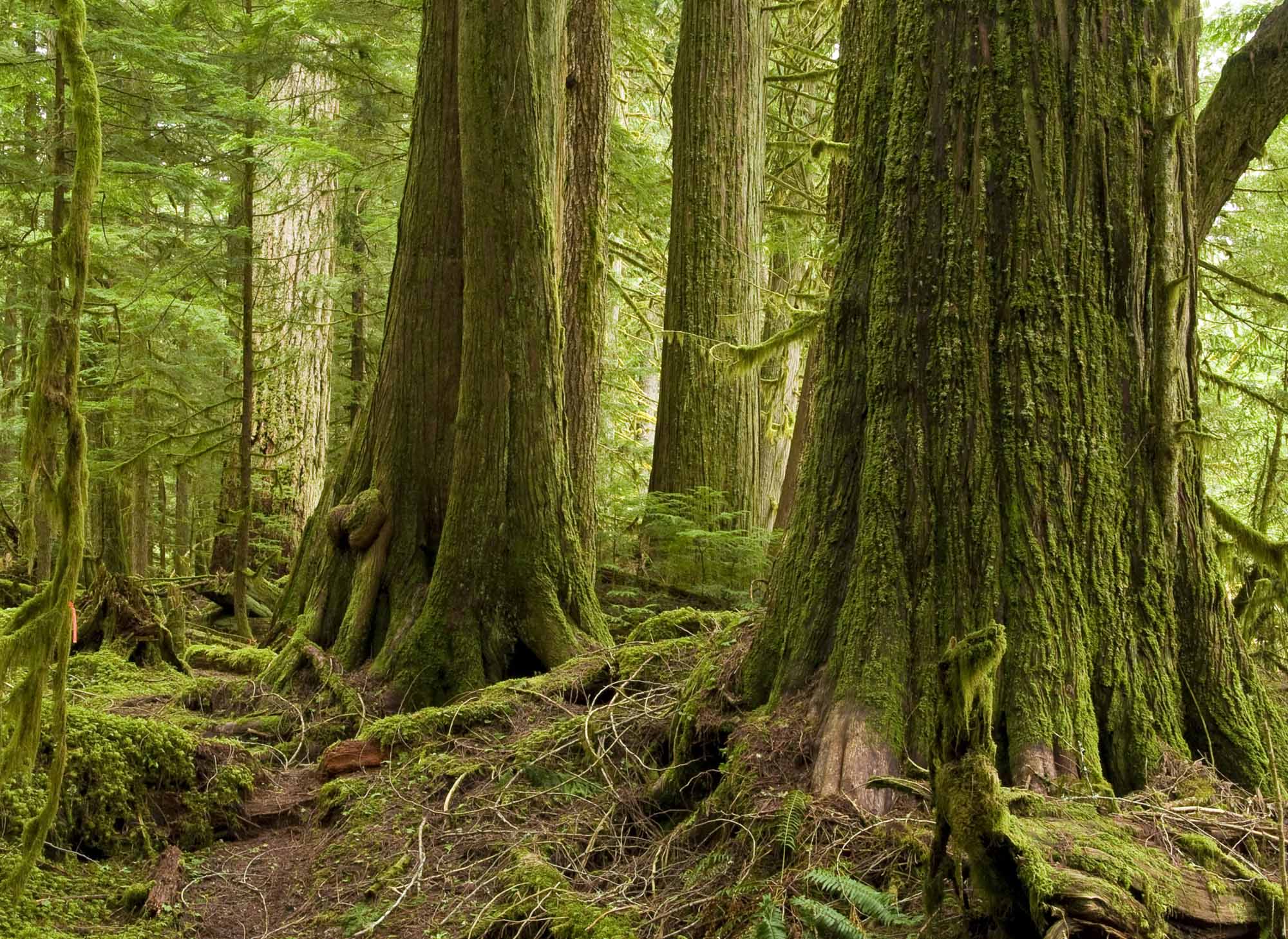
-
Article
Natural Resources in Manitoba
Canada is a resource rich country and different natural resources are found across the provinces and territories. Manitoba’s natural resources include agricultural land, minerals, water, fish and wildlife.
"https://d3d0lqu00lnqvz.cloudfront.net/media/media/ee4480f5-05e5-41fe-aa30-eb9cbf134135.jpg" // resources/views/front/categories/view.blade.php
https://d3d0lqu00lnqvz.cloudfront.net/media/media/ee4480f5-05e5-41fe-aa30-eb9cbf134135.jpg
-
Article
Natural Resources in Ontario
Canada is a resource rich country and different natural resources are found across the provinces and territories. Ontario is the largest market for resource-based goods and services in Canada (see Economy). With the important exception of fossil fuels, it has large stocks of renewable and non-renewable resources, which include agricultural land, forests, water, and minerals.
"https://d3d0lqu00lnqvz.cloudfront.net/media/media/3aa0a85d-0d22-4709-9c22-dda8d321f96e.jpg" // resources/views/front/categories/view.blade.php
https://d3d0lqu00lnqvz.cloudfront.net/media/media/3aa0a85d-0d22-4709-9c22-dda8d321f96e.jpg
-
Article
Natural Resources in Quebec
Most of Quebec lies on the Canadian Shield, where there are many rich renewable resources. Quebec’s natural resources include forests, water, minerals, agricultural land, rivers, lakes, fish and wildlife. These natural resources contribute towards the economy of Quebec.
"https://d3d0lqu00lnqvz.cloudfront.net/media/new_article_images/NaturalResources/La_Grande_1.jpg" // resources/views/front/categories/view.blade.php
https://d3d0lqu00lnqvz.cloudfront.net/media/new_article_images/NaturalResources/La_Grande_1.jpg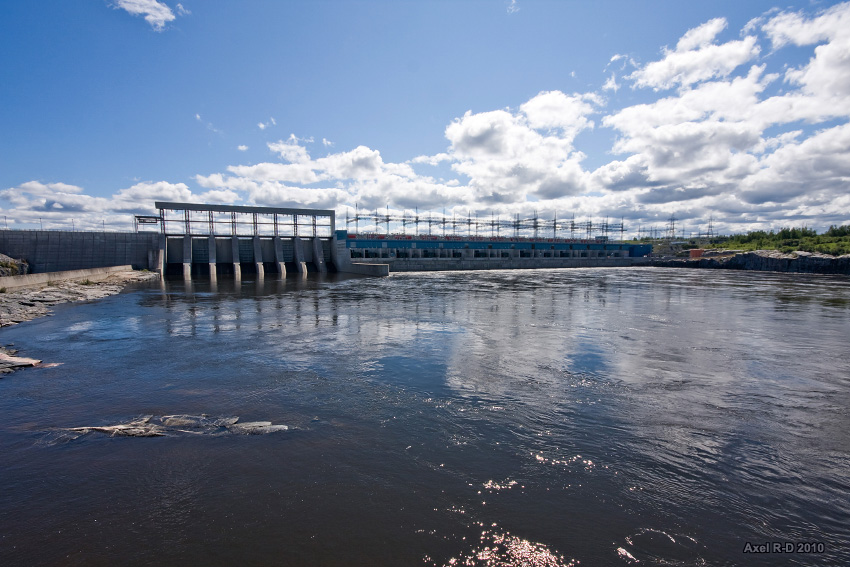
-
Article
Natural Resources in Saskatchewan
Canada is a resource rich country with different natural resources found across the provinces and territories. Saskatchewan’s natural resources include agricultural land, forests, minerals, oil, fish and wildlife. Natural resources contribute towards the economies of Saskatchewan and Canada.
"https://d3d0lqu00lnqvz.cloudfront.net/media/new_article_images/NaturalResources/Saskatchewan_wheat_fields.jpg" // resources/views/front/categories/view.blade.php
https://d3d0lqu00lnqvz.cloudfront.net/media/new_article_images/NaturalResources/Saskatchewan_wheat_fields.jpg
-
Article
Natural Resources in the Atlantic Provinces
The Atlantic provinces include Nova Scotia, New Brunswick, Prince Edward Island and Newfoundland and Labrador. The natural resources of the Atlantic provinces include fish and crustaceans, forests, water, minerals, fossil fuels and agricultural land.
"https://d3d0lqu00lnqvz.cloudfront.net/media/media/2280041c-0f68-4bff-b9af-57d165727396.jpg" // resources/views/front/categories/view.blade.php
https://d3d0lqu00lnqvz.cloudfront.net/media/media/2280041c-0f68-4bff-b9af-57d165727396.jpg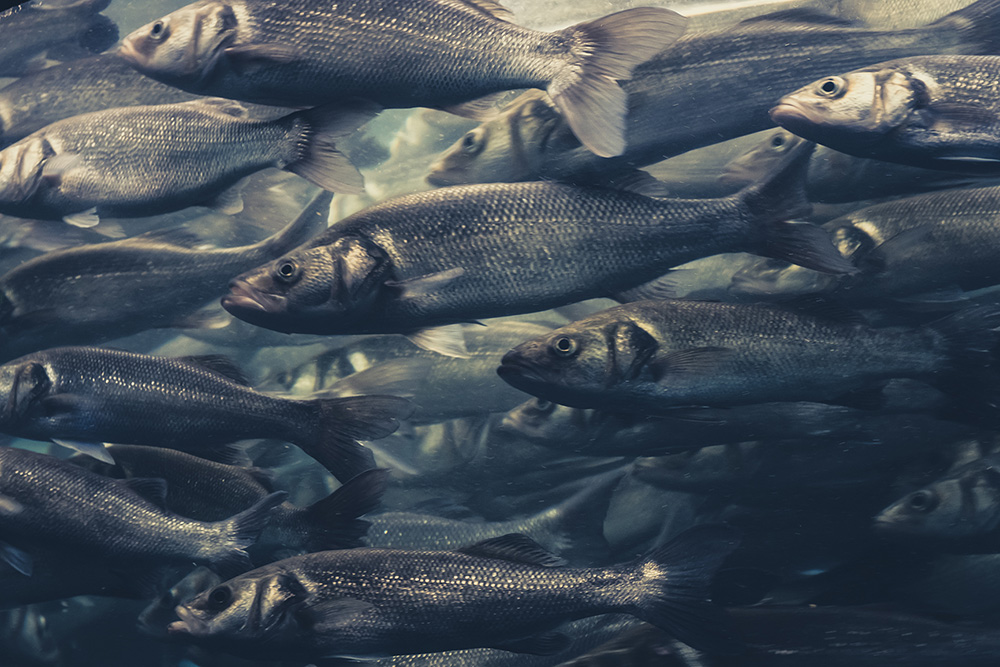
-
Article
Natural Resources in the Territories
The natural resources of Yukon, the Northwest Territories and Nunavut include wildlife, freshwater, minerals, oil and gas. Yukon and the Northwest territories also have vast forests. Through sustainable management, these resources can drive economic growth in the North. (See also Sustainability in Canada; Economy.)
"https://d3d0lqu00lnqvz.cloudfront.net/media/media/b0be7080-64dd-42a1-b455-dcf920df8bfa.jpg" // resources/views/front/categories/view.blade.php
https://d3d0lqu00lnqvz.cloudfront.net/media/media/b0be7080-64dd-42a1-b455-dcf920df8bfa.jpg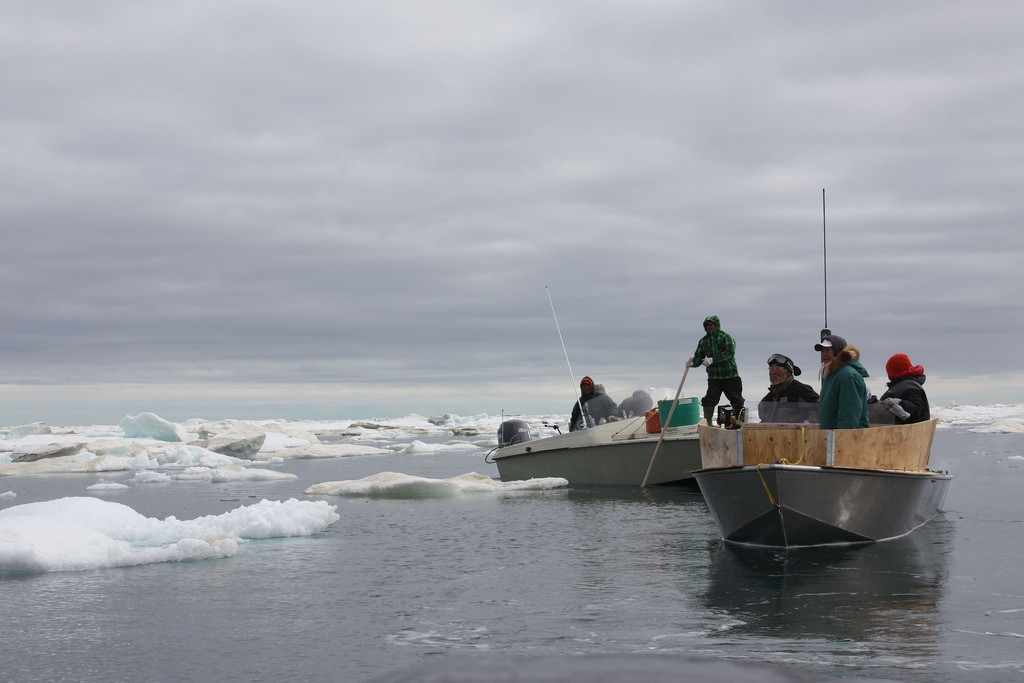
-
Article
Nature Conservancy of Canada
The Nature Conservancy of Canada (NCC) is the largest land conservation charity in Canada. Since 1962, NCC has helped to protect more than 160,000 km2 of land and water across the country. Its mission is to partner with individual donors, corporations, non-profits and governments to purchase and protect areas rich in species diversity (see Biodiversity). The charity and its partners achieve this goal by working with local communities to identify habitat and species in need of protection, and by implementing the best evidence-based conservation science available. As of June 2019, the NCC has conserved habitat across Canada for 34 per cent of Canada’s species at risk. (See also Endangered Animals in Canada.)
"https://d3d0lqu00lnqvz.cloudfront.net/media/media/867f193d-c63a-4822-a3e7-c0a38fa063cb.jpg" // resources/views/front/categories/view.blade.php
https://d3d0lqu00lnqvz.cloudfront.net/media/media/867f193d-c63a-4822-a3e7-c0a38fa063cb.jpg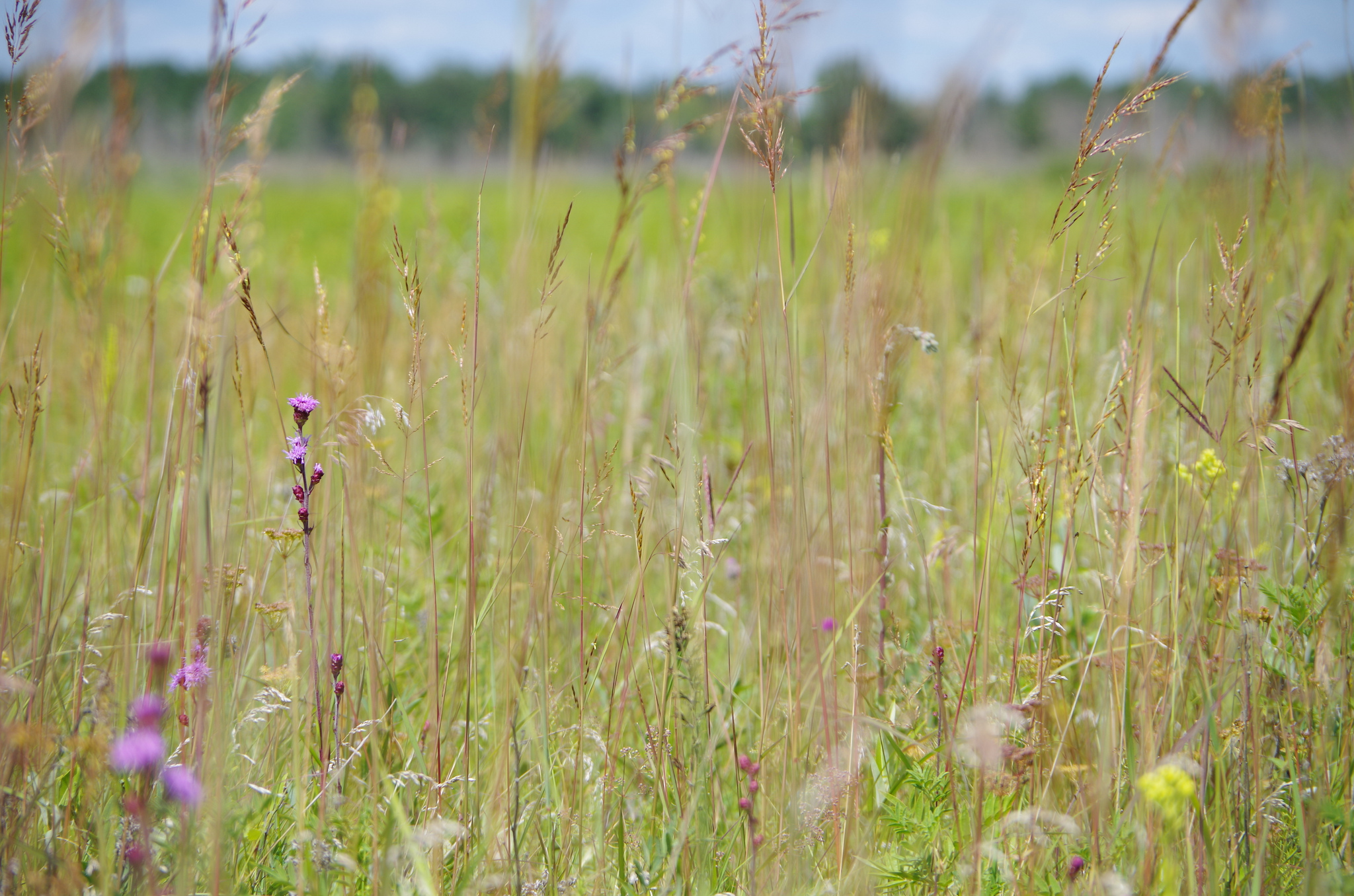
-
Article
Nematoda
Nematoda are a phylum of unsegmented, cylindrical worms; approximately 30 000 species are known.
"https://d3d0lqu00lnqvz.cloudfront.net/media/media/e2c984dd-2472-47a7-bf74-ba5a722f3708.jpg" // resources/views/front/categories/view.blade.php
https://d3d0lqu00lnqvz.cloudfront.net/media/media/e2c984dd-2472-47a7-bf74-ba5a722f3708.jpg
-
Article
Nepheline Syenite
Nepheline syenite is a white to light grey medium-grained IGNEOUS ROCK. It consists mostly of soda feldspar, nepheline and potash feldspar, accessory magnesium and iron-rich minerals.
"https://thecanadianencyclopedia.ca/images/tce_placeholder.jpg?v=e9dca980c9bdb3aa11e832e7ea94f5d9" // resources/views/front/categories/view.blade.php
https://thecanadianencyclopedia.ca/images/tce_placeholder.jpg?v=e9dca980c9bdb3aa11e832e7ea94f5d9