
Browse "Nature & Geography"
-
"https://thecanadianencyclopedia.ca/images/tce_placeholder.jpg?v=e9dca980c9bdb3aa11e832e7ea94f5d9" // resources/views/front/categories/view.blade.php
https://thecanadianencyclopedia.ca/images/tce_placeholder.jpg?v=e9dca980c9bdb3aa11e832e7ea94f5d9
-
Article
Mould
Mould or mold is a colloquial term for woolly or cottony growths produced by Fungi, and for species causing these growths. As many as 300,000 species are estimated to exist worldwide, although they are incompletely catalogued. Many common Canadian species have worldwide distributions, but some are unique to Canada.
"https://d3d0lqu00lnqvz.cloudfront.net/fungus/mold-on-fungus.jpg" // resources/views/front/categories/view.blade.php
https://d3d0lqu00lnqvz.cloudfront.net/fungus/mold-on-fungus.jpg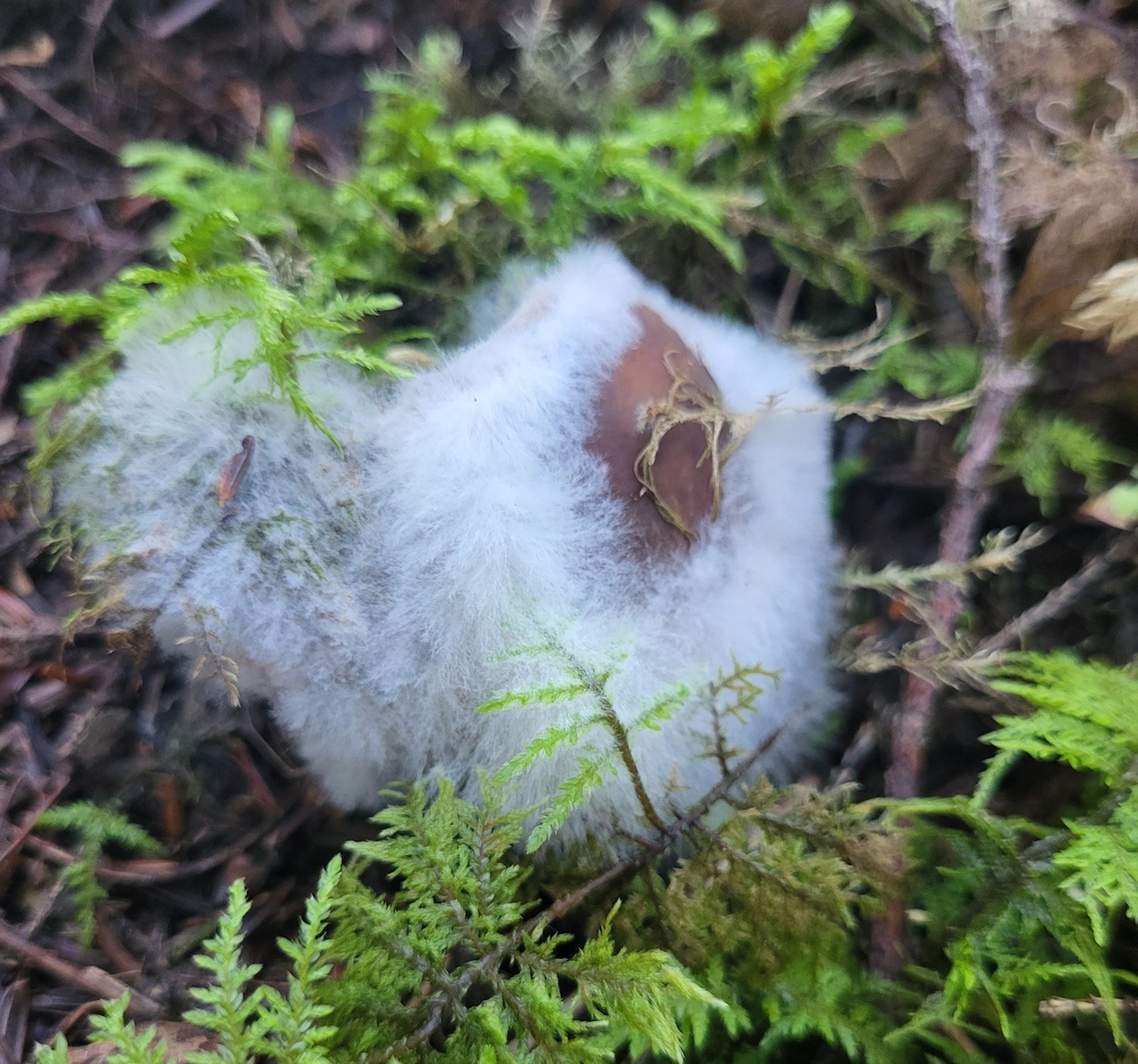
-
Article
Mollusc
The mollusc is a soft-bodied, usually shelled invertebrate belonging to one of the largest animal phyla (Mollusca) with some 100 000 living and about 35 000 fossil species.
"https://d3d0lqu00lnqvz.cloudfront.net/media/media/06525077-c3d6-4a56-a096-d0a611b208be.jpg" // resources/views/front/categories/view.blade.php
https://d3d0lqu00lnqvz.cloudfront.net/media/media/06525077-c3d6-4a56-a096-d0a611b208be.jpg
-
Article
Molluscan Resources
Although Canada's coastline is extensive and contains many diverse molluscan species, the resource is economically relatively small. In 1995 nearly 200 000 t valued at $114.5 million were taken.
"https://d3d0lqu00lnqvz.cloudfront.net/media/media/75b80a2e-5358-4b29-877d-cf3ed69aa9f5.jpg" // resources/views/front/categories/view.blade.php
https://d3d0lqu00lnqvz.cloudfront.net/media/media/75b80a2e-5358-4b29-877d-cf3ed69aa9f5.jpg
-
Article
Monarch Butterfly
The monarch (Danaus plexippus) is a species of butterfly best known for its migratory habits. Sometimes called the wanderer butterfly, its annual migration is unlike that of any other insect found in North America. During Canadian summers, the monarch butterfly is normally found in every province except Newfoundland and Labrador, and is abundant wherever its host plant milkweed grows. Due to a decline in milkweed among other factors, the monarch butterfly is an endangered species. Still, its large size, orange-and-black colouration, and slow, sailing flight make it a familiar sight across most of Canada.
"https://d3d0lqu00lnqvz.cloudfront.net/Monarch/MonarchMilkweed.jpg" // resources/views/front/categories/view.blade.php
https://d3d0lqu00lnqvz.cloudfront.net/Monarch/MonarchMilkweed.jpg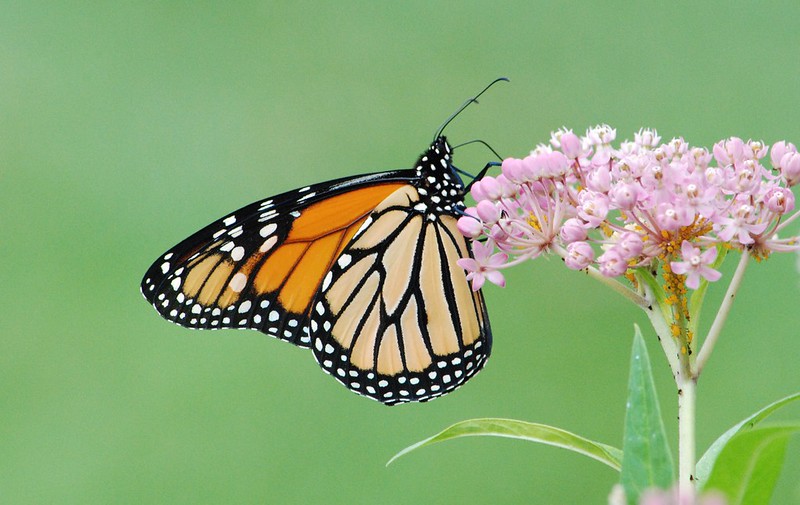
-
Article
Morning Glory
The morning glory family, containing 1200 species of herbaceous plants, is represented in Canada by cultivated common morning glory and 3 related species; 11 species of climbing, parasitic dodders; and 5 species of bindweed.
"https://thecanadianencyclopedia.ca/images/tce_placeholder.jpg?v=e9dca980c9bdb3aa11e832e7ea94f5d9" // resources/views/front/categories/view.blade.php
https://thecanadianencyclopedia.ca/images/tce_placeholder.jpg?v=e9dca980c9bdb3aa11e832e7ea94f5d9
-
Article
Mosquito
The mosquito (Spanish for "little fly") is a fragile, long-legged fly of the order Diptera, family Culicidae. Over 3,500 species are known worldwide and at least 82 are found in Canada. Often considered a nuisance to humans because of their itchy bites, it is the females that feed on the blood of other animals. Both sexes feed on plant fluids such as nectar. Most of the woodland species with which Canadians are familiar belong to the genus Aedes. These species are found throughout Canada and are recognizable by their alternating white and black colour, and slender, pointed abdomens. They are present in large numbers soon after winter’s end and on spring and summer evenings. The comparatively small northern house mosquito (Culex pipiens) is commonly found indoors in early spring and late fall, and is distinguished by its size and its blunt-tipped abdomen. Canada boasts the second oldest fossilized mosquito ever found. It is preserved in 76.5–79.5 million-year-old amber from southern Alberta.
"https://d3d0lqu00lnqvz.cloudfront.net/mosquito/mosquito1.jpg" // resources/views/front/categories/view.blade.php
https://d3d0lqu00lnqvz.cloudfront.net/mosquito/mosquito1.jpg
-
Article
Moth
Moths are distinguished from butterflies by having threadlike or feathery antennae. Most are nocturnal. They vary in size from adults of some leaf miners with wings spreading little more than 3 mm to the Asian atlas moth, spreading 20 cm.
"https://d3d0lqu00lnqvz.cloudfront.net/media/media/380673b7-8db1-4be5-b284-6764c9a0030d.jpg" // resources/views/front/categories/view.blade.php
https://d3d0lqu00lnqvz.cloudfront.net/media/media/380673b7-8db1-4be5-b284-6764c9a0030d.jpg
-
Article
Mountain Ash
Mountain Ash (Sorbus) are a genus of small trees or shrubs of the rose family (Rosaceae), consisting of perhaps 100 species distributed in temperate Eurasia and North America.
"https://thecanadianencyclopedia.ca/images/tce_placeholder.jpg?v=e9dca980c9bdb3aa11e832e7ea94f5d9" // resources/views/front/categories/view.blade.php
https://thecanadianencyclopedia.ca/images/tce_placeholder.jpg?v=e9dca980c9bdb3aa11e832e7ea94f5d9
-
Article
Mountain Goat
The mountain goat (Oreamnos americanus) is an even-toed, hoofed mammal of the cattle family (Bovidae), derived during the ice ages from the primitive Asiatic goat-antelopes.
"https://d3d0lqu00lnqvz.cloudfront.net/media/media/5ca6cc93-bd85-45b3-9e91-65f7b54979bc.jpg" // resources/views/front/categories/view.blade.php
https://d3d0lqu00lnqvz.cloudfront.net/media/media/5ca6cc93-bd85-45b3-9e91-65f7b54979bc.jpg
-
Article
Mountain Sheep
The mountain sheep is a highly successful, medium-sized, even-toed mammal (see Artiodactyla) of the cattle family (Bovidae), genus Ovis. It comprises some 37 subspecies in Eurasia and southern North America. Sheep colonized North America during the last Ice Age but remained rare until after the extinction of many large American mammals, about 11,000 years ago. The bighorn sheep is the provincial mammal of Alberta.
"https://d3d0lqu00lnqvz.cloudfront.net/media/media/e8973dae-460f-48da-8503-429c57a626f2.jpg" // resources/views/front/categories/view.blade.php
https://d3d0lqu00lnqvz.cloudfront.net/media/media/e8973dae-460f-48da-8503-429c57a626f2.jpg
-
Memory Project Archive
Alan Henry Sunley (Primary Source)
Alan Henry Sunley served in the Royal Canadian Air Force during the Second World War. Read and listen to Alan Henry Sunley's testimony below. Please be advised that Memory Project primary sources may deal with personal testimony that reflect the speaker’s recollections and interpretations of events. Individual testimony does not necessarily reflect the views of the Memory Project and Historica Canada.
"https://d3d0lqu00lnqvz.cloudfront.net/The-Memory-Project/image/2828_original.jpg" // resources/views/front/categories/view.blade.php
https://d3d0lqu00lnqvz.cloudfront.net/The-Memory-Project/image/2828_original.jpg
-
Memory Project Archive
Bert A. Sharp (Primary Source)
Bert A. Sharp served in the Royal Canadian Air Force during the Second World War. Read and listen to his testimony below. Please be advised that Memory Project primary sources may deal with personal testimony that reflect the speaker’s recollections and interpretations of events. Individual testimony does not necessarily reflect the views of the Memory Project and Historica Canada.
"https://d3d0lqu00lnqvz.cloudfront.net/The-Memory-Project/image/7115_original.jpg" // resources/views/front/categories/view.blade.php
https://d3d0lqu00lnqvz.cloudfront.net/The-Memory-Project/image/7115_original.jpg
-
Memory Project Archive
Roy Hall (Primary Source)
Roy Hall enlisted in the Royal Canadian Navy in 1948. He served on five other ships before assignment to HMCS Iroquois and overseas service in Korea in 1952. During the Korean War, HMCS Iroquois participated in shore bombardments, dropped off South Korean guerrillas for raids behind enemy lines, and patrolled the waters around the Korean peninsula. On 2 October 1952 HMCS Iroquois was hit by a shell, the only time during the war a Canadian warship was hit by enemy fire.Please be advised that Memory Project primary sources may deal with personal testimony that reflect the speaker’s recollections and interpretations of events. Individual testimony does not necessarily reflect the views of the Memory Project and Historica Canada.
"https://d3d0lqu00lnqvz.cloudfront.net/The-Memory-Project/image/13457_original.jpg" // resources/views/front/categories/view.blade.php
https://d3d0lqu00lnqvz.cloudfront.net/The-Memory-Project/image/13457_original.jpg
-
Article
Muskrat
Muskrat (Ondatra zibethicus), fairly large rodent common throughout much of North America
"https://d3d0lqu00lnqvz.cloudfront.net/media/media/32e05840-f732-477f-a6ac-fb872c43589a.jpg" // resources/views/front/categories/view.blade.php
https://d3d0lqu00lnqvz.cloudfront.net/media/media/32e05840-f732-477f-a6ac-fb872c43589a.jpg