Browse "Nature & Geography"
-
Article
Liverwort
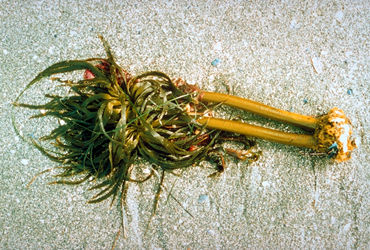
Liverwort, small terrestrial plant belonging, with mosses and hornworts, to division Bryophyta.
"https://d3d0lqu00lnqvz.cloudfront.net/media/media/687f71e6-ded3-41e0-82fa-ffe7b94cf180.jpg" // resources/views/front/categories/view.blade.php
https://d3d0lqu00lnqvz.cloudfront.net/media/media/687f71e6-ded3-41e0-82fa-ffe7b94cf180.jpg
-
Article
Lobstick
Lobstick (or lopstick) is a tall, conspicuously situated spruce or pine tree with all but its topmost branches stripped or lopped off. This was done by northern Aboriginal people, and later by voyageurs, to turn trees into talismans, landmarks or memorials.
"https://thecanadianencyclopedia.ca/images/tce_placeholder.jpg?v=e9dca980c9bdb3aa11e832e7ea94f5d9" // resources/views/front/categories/view.blade.php
https://thecanadianencyclopedia.ca/images/tce_placeholder.jpg?v=e9dca980c9bdb3aa11e832e7ea94f5d9
-
Article
Locoweed
Locoweed is the common name for plants of the genera Astragalus and Oxytropis in the pea family.
"https://d3d0lqu00lnqvz.cloudfront.net/media/media/392cbba3-2e8f-4a88-8a1a-95df502ee427.jpg" // resources/views/front/categories/view.blade.php
https://d3d0lqu00lnqvz.cloudfront.net/media/media/392cbba3-2e8f-4a88-8a1a-95df502ee427.jpg
-
Article
Loons in Canada
Loon (family Gaviidae) is a common name for a distinctive group of five large, swimming birds, all confined to the Northern Hemisphere and all occurring in North America. Loons nest on inland lakes and rivers, migrating to the sea for winter. The common loon is the provincial bird of Ontario.
"https://d3d0lqu00lnqvz.cloudfront.net/media/media/11b636e6-b2ad-4c58-bbfc-b7291fc0109f.jpg" // resources/views/front/categories/view.blade.php
https://d3d0lqu00lnqvz.cloudfront.net/media/media/11b636e6-b2ad-4c58-bbfc-b7291fc0109f.jpg
-
Article
Louse
Louse is the common term broadly used for certain insect pests of mammals, birds, plants (aphids), books (book lice), etc, and for crustaceans (sea lice), living commensally with aquatic mammals and fish.
"https://thecanadianencyclopedia.ca/images/tce_placeholder.jpg?v=e9dca980c9bdb3aa11e832e7ea94f5d9" // resources/views/front/categories/view.blade.php
https://thecanadianencyclopedia.ca/images/tce_placeholder.jpg?v=e9dca980c9bdb3aa11e832e7ea94f5d9
-
"https://thecanadianencyclopedia.ca/images/tce_placeholder.jpg?v=e9dca980c9bdb3aa11e832e7ea94f5d9" // resources/views/front/categories/view.blade.php
https://thecanadianencyclopedia.ca/images/tce_placeholder.jpg?v=e9dca980c9bdb3aa11e832e7ea94f5d9
-
Article
Lupine
Lupine (Latin lupus, "wolf," from the belief that it robs the soil) is the common name for several annual or perennial herbaceous plant species in the pea family (Leguminosae or Fabaceae; see legume) genus Lupinus. Lupines are characterized by palmately compound leaves (i.e., leaflets that radiate from a central point) and showy flower spikes. These traits make lupines admirable ornamentals (e.g., "Russell Hybrid" lupines).
"https://d3d0lqu00lnqvz.cloudfront.net/media/media/bcc8ac7a-55fd-420d-99e4-9d9b9be43912.jpg" // resources/views/front/categories/view.blade.php
https://d3d0lqu00lnqvz.cloudfront.net/media/media/bcc8ac7a-55fd-420d-99e4-9d9b9be43912.jpg
-
Article
Magpie
Magpie is a common name for birds of several genera in the crow family. Some 20 species are known worldwide; however, only the black-billed magpie (Pica hudsonia) is found in Canada.
"https://d3d0lqu00lnqvz.cloudfront.net/media/media/4392aa76-f779-4337-bcab-bbce062236fe.jpg" // resources/views/front/categories/view.blade.php
https://d3d0lqu00lnqvz.cloudfront.net/media/media/4392aa76-f779-4337-bcab-bbce062236fe.jpg
-
Article
Marine Disasters
Over the course of Canada’s history, marine disasters have occurred along the country’s coasts as well as in its freshwater lakes. The most fatal of these disasters occurred on 29 May 1914, when the Empress of Ireland sank near Rimouski, Quebec, killing 1,012 people. This article outlines some of the worst marine disasters to occur in Canadian waters.
"https://d3d0lqu00lnqvz.cloudfront.net/media/media/6b656b4b-173d-416d-967d-03c44bca61ca.jpg" // resources/views/front/categories/view.blade.php
https://d3d0lqu00lnqvz.cloudfront.net/media/media/6b656b4b-173d-416d-967d-03c44bca61ca.jpg
-
"https://d3d0lqu00lnqvz.cloudfront.net/media/media/5fe2870d-d68e-42fc-8552-596cf7670004.jpg" // resources/views/front/categories/view.blade.php
https://d3d0lqu00lnqvz.cloudfront.net/media/media/5fe2870d-d68e-42fc-8552-596cf7670004.jpg
-
Article
Marsupialia
Marsupialia, order of mammals belonging to the infraclass Metatheria, comprising some 280 living species, of which two-thirds are found in Australia.
"https://thecanadianencyclopedia.ca/images/tce_placeholder.jpg?v=e9dca980c9bdb3aa11e832e7ea94f5d9" // resources/views/front/categories/view.blade.php
https://thecanadianencyclopedia.ca/images/tce_placeholder.jpg?v=e9dca980c9bdb3aa11e832e7ea94f5d9
-
Macleans
Matthew Landing Launches Party
The oldtimers call it a "capelin squall" - a mixture of bone-chilling winds, rain and fog that typically hammers the NEWFOUNDLAND coast in late June just as the capelin are coming inshore to spawn.This article was originally published in Maclean's Magazine on July 7, 1997
"https://thecanadianencyclopedia.ca/images/tce_placeholder.jpg?v=e9dca980c9bdb3aa11e832e7ea94f5d9" // resources/views/front/categories/view.blade.php
https://thecanadianencyclopedia.ca/images/tce_placeholder.jpg?v=e9dca980c9bdb3aa11e832e7ea94f5d9
-
Article
Mayflower
Mayflower, common name for the trailing arbutus (Epigaea repens), a creeping, woody, evergreen plant belonging to the heath family.
"https://thecanadianencyclopedia.ca/images/tce_placeholder.jpg?v=e9dca980c9bdb3aa11e832e7ea94f5d9" // resources/views/front/categories/view.blade.php
https://thecanadianencyclopedia.ca/images/tce_placeholder.jpg?v=e9dca980c9bdb3aa11e832e7ea94f5d9
-
Article
Mayfly
Mayfly is the common name for small, fragile, soft-bodied insects comprising the order Ephemeroptera (from Greek ephemeros, meaning "living a day, " and ptera, “wings”). They may also be called shadflies or occasionally fishflies, but the latter is usually reserved for insects of the order Megaloptera. Over 3,000 species of mayfly are known worldwide, and 329 occur in Canada. Common species found throughout Canada include blue-winged olives (e.g., Baetis tricaudatus), speckled duns (e.g., Callibaetis ferrugineus), and hex (Hexagenia limbata). Other species are more common on a regional basis: e.g., Baetis bicaudatus in the West, and the little yellow quill (Leucrocuta hebe) in the East. Mayflies are one of the few surviving orders of insects found in the fossil record that date back to the Carboniferous Period (approx. 320 million years ago). In this period, they had wingspans of up to 45 cm. The oldest mayfly fossil found in Canada is from the Late Cretaceous and was discovered in the Wapiti Formation, southwest of Grande Prairie, Alberta; its age can be estimated at over 70 million years. (See also Geological History.)
"https://d3d0lqu00lnqvz.cloudfront.net/mayfly/Mayfly.jpg" // resources/views/front/categories/view.blade.php
https://d3d0lqu00lnqvz.cloudfront.net/mayfly/Mayfly.jpg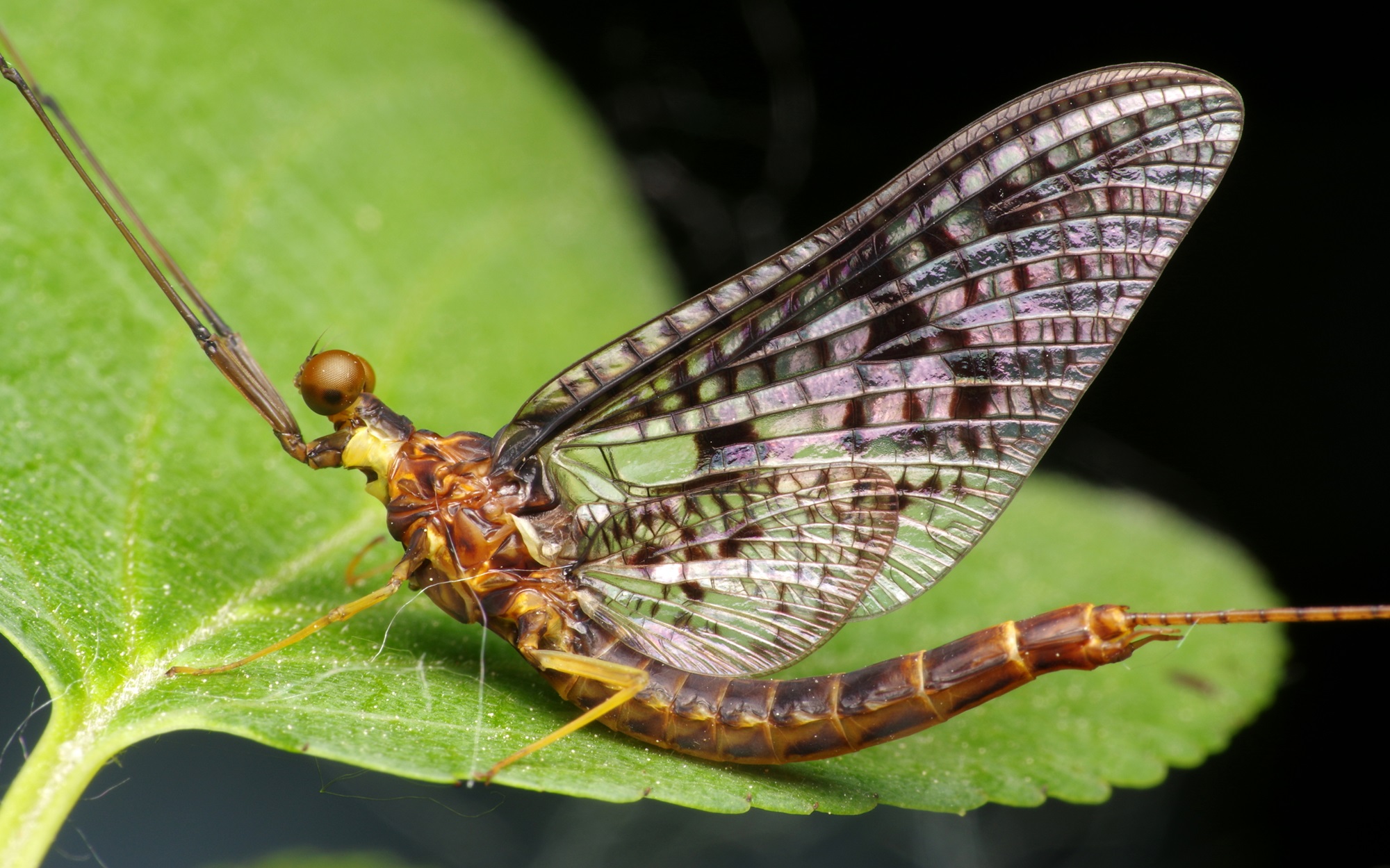
-
Article
Medicinal Crops
About a third of the world's estimated 400 000 species of higher or vascular plants have probably been used for medicinal purposes by indigenous societies, generally in a raw or minimally processed form.
"https://d3d0lqu00lnqvz.cloudfront.net/media/media/7fef297e-e301-4ad4-8cc1-d64bd2f9e902.jpg" // resources/views/front/categories/view.blade.php
https://d3d0lqu00lnqvz.cloudfront.net/media/media/7fef297e-e301-4ad4-8cc1-d64bd2f9e902.jpg