
Browse "Military"
-
Article
Battle of Chippawa National Historic Site of Canada
The battleground was designated as a national historic site in 1920, but is owned and administered by the Niagara Parks Commission. Called Chippawa Battlefield Park, it lies on the west side of the Niagara River Parkway.
"https://d3d0lqu00lnqvz.cloudfront.net/media/media/0a912643-d9dd-44f2-bc07-3664e3cee776.jpg" // resources/views/front/categories/view.blade.php
https://d3d0lqu00lnqvz.cloudfront.net/media/media/0a912643-d9dd-44f2-bc07-3664e3cee776.jpg
-
Article
Battle of Cook's Mills National Historic Site of Canada
The Historic Sites and Monuments Board of Canada designated the battleground at Cook's Mills as a national historic site in 1921. Two years later, a plaque summarizing the story of the skirmish was mounted on a stone cairn on the field of action.
"https://thecanadianencyclopedia.ca/images/tce_placeholder.jpg?v=e9dca980c9bdb3aa11e832e7ea94f5d9" // resources/views/front/categories/view.blade.php
https://thecanadianencyclopedia.ca/images/tce_placeholder.jpg?v=e9dca980c9bdb3aa11e832e7ea94f5d9
-
Article
Battle of Courcelette
The Battle of Courcelette, or the Battle of Flers-Courcelette, was part of the Somme offensive during the First World War. The Battle of Courcelette was fought from 15 to 22 September 1916. It resulted in thousands of battlefield casualties, but also signalled the start of new thinking in military tactics that would eventually solve the riddle of the trenches and help turn the tide of the war. Tanks were used in battle for the first time during the Battle of Courcelette as well as the creeping artillery barrage.
"https://d3d0lqu00lnqvz.cloudfront.net/media/media/09ca7acc-025e-4cca-9499-ecda8d450331.jpg" // resources/views/front/categories/view.blade.php
https://d3d0lqu00lnqvz.cloudfront.net/media/media/09ca7acc-025e-4cca-9499-ecda8d450331.jpg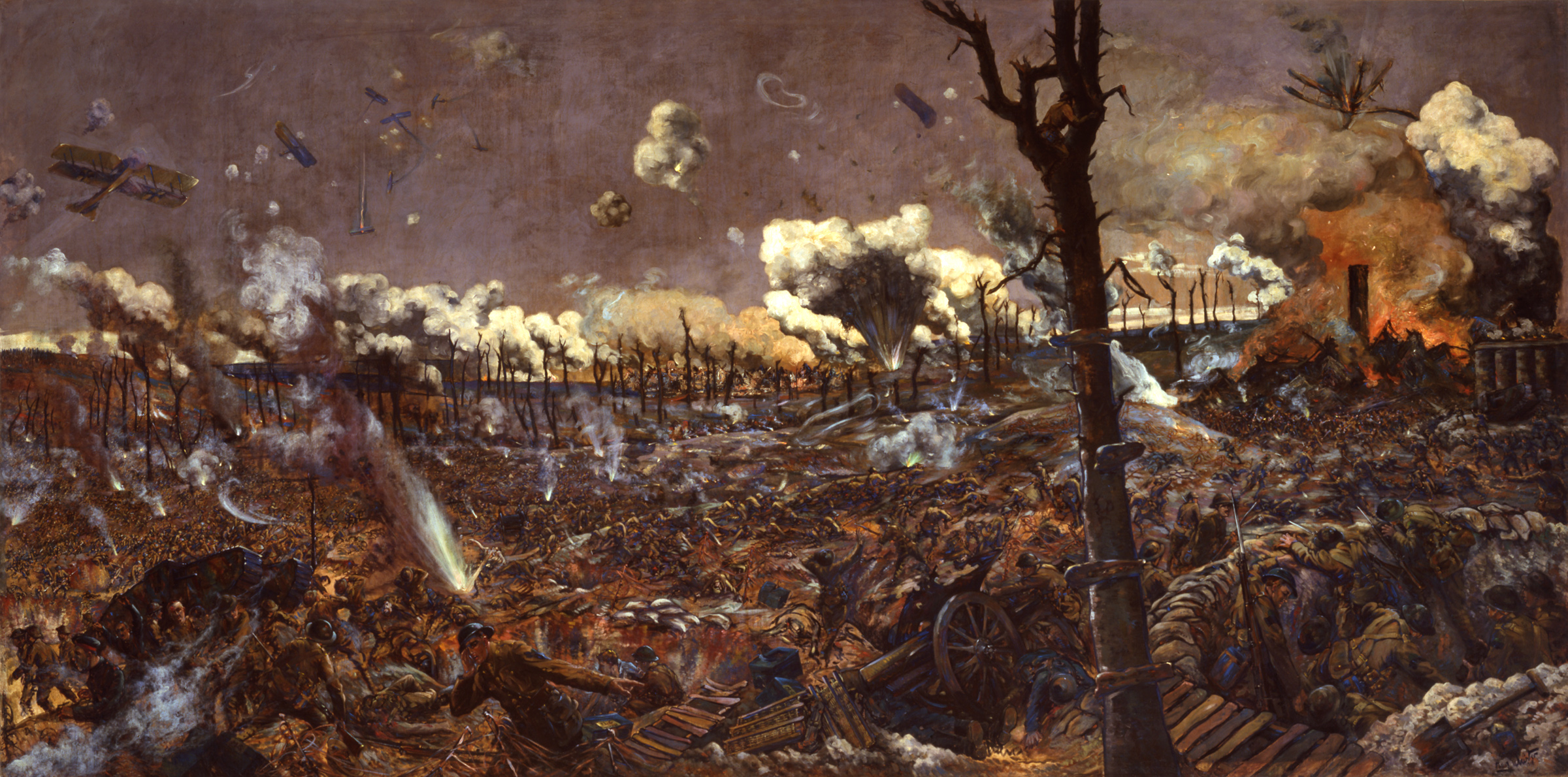
-
Article
Battle of Crysler's Farm
The Battle of Crysler’s Farm was a decisive land battle in the War of 1812. It was fought on 11 November 1813 on a farmer's field between Morrisburg and Cornwall, Ontario, along the shores of the St. Lawrence River. The Battle of Crysler's Farm was the Americans' last attempt at capturing Montreal and many consider it a disastrous defeat for their army.
"https://d3d0lqu00lnqvz.cloudfront.net/battle-of-cryslers-farm.jpg" // resources/views/front/categories/view.blade.php
https://d3d0lqu00lnqvz.cloudfront.net/battle-of-cryslers-farm.jpg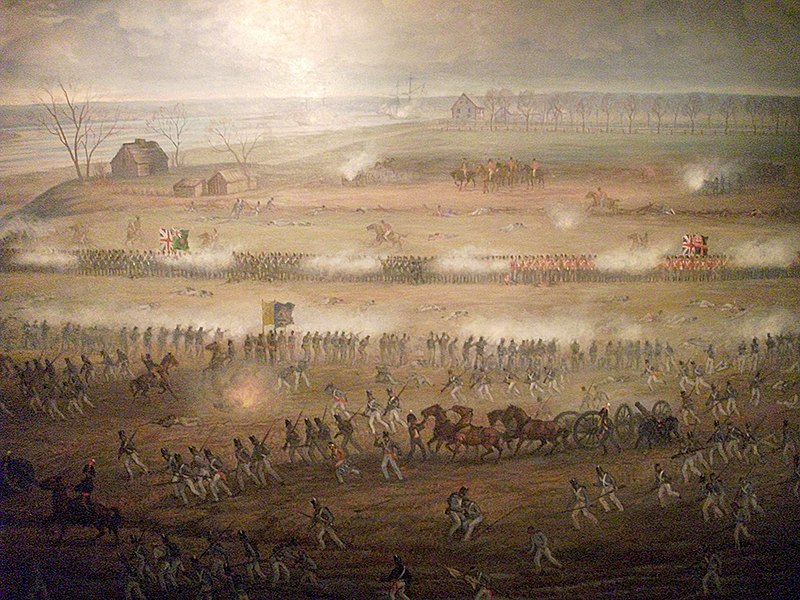
-
Article
Battle of Crysler's Farm National Historic Site of Canada
The Battle of Crysler's Farm National Historic Site commemorates a battle fought during the War of 1812 on the fields of farmer John Crysler on the banks of the St Lawrence River near Morrisburg, Ontario, on 11 November 1813. The British were outnumbered at this battle but defeated an American army, ending their plans to attack Montreal.
"https://d3d0lqu00lnqvz.cloudfront.net/battle-of-cryslers-farm.jpg" // resources/views/front/categories/view.blade.php
https://d3d0lqu00lnqvz.cloudfront.net/battle-of-cryslers-farm.jpg
-
Article
Battle of Cut Knife
The Battle of Cut Knife is a significant battle that took place during the North-West Resistance of 1885. The Cut Knife battlefield is located on the Poundmaker Reserve, about 40 km west of Battleford, Saskatchewan, just north of Cut Knife Hill, a feature named for a Sarcee warrior who died near there. A cairn sits near the middle of the battlefield, near the grave of Pitikwahanapiwiyin (Poundmaker).
"https://d3d0lqu00lnqvz.cloudfront.net/media/media/fd1cfa92-6771-4edb-aa49-9f9379a3d359.jpg" // resources/views/front/categories/view.blade.php
https://d3d0lqu00lnqvz.cloudfront.net/media/media/fd1cfa92-6771-4edb-aa49-9f9379a3d359.jpg
-
Article
Battle of Duck Lake
On 26 March 1885, the North-West Resistance began west of the settlement of Duck Lake on the old Carlton Trail, north of modern Rosthern, Sask.
"https://d3d0lqu00lnqvz.cloudfront.net/media/media/867f193d-c63a-4822-a3e7-c0a38fa063cb.jpg" // resources/views/front/categories/view.blade.php
https://d3d0lqu00lnqvz.cloudfront.net/media/media/867f193d-c63a-4822-a3e7-c0a38fa063cb.jpg
-
Article
Canada and the Battle of Festubert
The Battle of Festubert was the second major engagement fought by Canadian troops in the First World War. The First Canadian Division (see Canadian Expeditionary Force) was part of a wider British offensive against German lines near the village of Festubert, France, from 15 to 25 May 1915. The result was slaughter on all sides, and precious little gained.
"https://d3d0lqu00lnqvz.cloudfront.net/Festubert.jpg" // resources/views/front/categories/view.blade.php
https://d3d0lqu00lnqvz.cloudfront.net/Festubert.jpg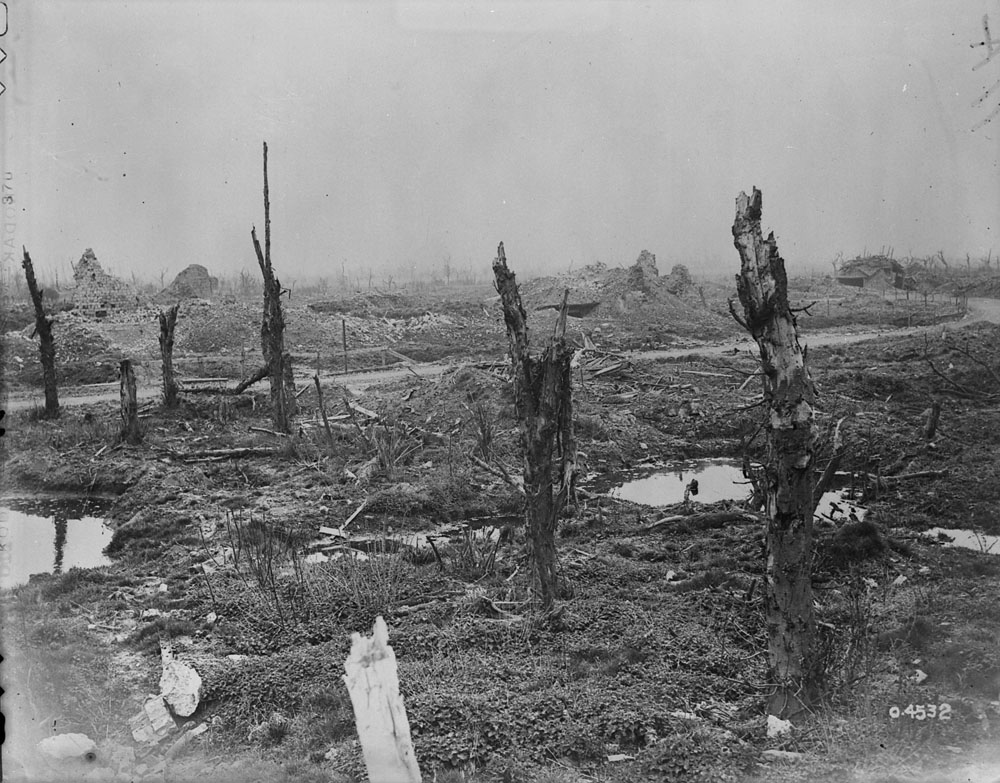
-
Article
Battle of Fort George
Fort George is situated on the west side of the Niagara River, currently in the town of Niagara-on-the-Lake.
"https://thecanadianencyclopedia.ca/images/tce_placeholder.jpg?v=e9dca980c9bdb3aa11e832e7ea94f5d9" // resources/views/front/categories/view.blade.php
https://thecanadianencyclopedia.ca/images/tce_placeholder.jpg?v=e9dca980c9bdb3aa11e832e7ea94f5d9
-
Article
Battle of Frenchman's Butte
The 1885 battle was fought north of a prominent hill called Frenchman's Butte, about 45 km northwest of modern Lloydminster.
"https://d3d0lqu00lnqvz.cloudfront.net/Battle_Frenchmans_Butte.jpg" // resources/views/front/categories/view.blade.php
https://d3d0lqu00lnqvz.cloudfront.net/Battle_Frenchmans_Butte.jpg
-
Article
Battle of Frenchtown
The Battle of Frenchtown, also known as the Battle of River Raisin or the River Raisin massacre, is the name given to a sequence of military actions during the War of 1812 that took place in Frenchtown, Michigan territory, in January 1813.
"https://d3d0lqu00lnqvz.cloudfront.net/media/media/3a527924-c65b-44fe-a02d-7165a66ccd2f.jpg" // resources/views/front/categories/view.blade.php
https://d3d0lqu00lnqvz.cloudfront.net/media/media/3a527924-c65b-44fe-a02d-7165a66ccd2f.jpg
-
Article
Battle of Hill 187
The Battle of Hill 187 took place on the night of 2–3 May 1953 during the Korean War. It was one of the last battles before the armistice was signed on 27 July 1953. During the engagement, Charlie Company of 3rd Battalion The Royal Canadian Regiment (3 RCR) was overrun by Chinese forces, resulting in heavy casualties.
"https://d3d0lqu00lnqvz.cloudfront.net/The-Memory-Project/image/14582_original.jpg" // resources/views/front/categories/view.blade.php
https://d3d0lqu00lnqvz.cloudfront.net/The-Memory-Project/image/14582_original.jpg
-
Article
Canada and the Battle of Hong Kong
Hong Kong was the first place Canadians fought a land battle in the Second World War. From 8 to 25 December 1941, almost 2,000 troops from Winnipeg and Quebec City — sent to Hong Kong expecting little more than guard duty — fought bravely against the overwhelming power of an invading Japanese force. When the British colony surrendered on Christmas Day, 290 Canadians had been killed in the fighting. Another 264 would die over the next four years, amid the inhumane conditions of Japanese prisoner-of-war camps.
"https://d3d0lqu00lnqvz.cloudfront.net/media/media/5be6fdf8-a437-4dbf-9898-d96aa6cd17eb.jpg" // resources/views/front/categories/view.blade.php
https://d3d0lqu00lnqvz.cloudfront.net/media/media/5be6fdf8-a437-4dbf-9898-d96aa6cd17eb.jpg
-
Article
Battle of Hudson Bay
The Battle of Hudson Bay took place on 5 September 1697 during King William’s War, the North American theatre of the Nine Years’ War between England and France. Throughout the conflict, French forces tried to capture enemy forts in and around Hudson Bay. One of these was York Factory, a lucrative and important trading post the Hudson’s Bay Company (HBC) built in 1684. The French captured York Factory in 1694, only to have the English take it back a year later. Then, in 1697, a naval battle ensued in Hudson Bay between English and French forces. Captain Pierre Le Moyne d'Iberville succeeded in taking York Factory for the French. The fort was later transferred back to the British after the Treaty of Utrecht of 1713. (See also Fur Trade in Canada.)
"https://d3d0lqu00lnqvz.cloudfront.net/The_Sinking_of_the_Pelican.jpg" // resources/views/front/categories/view.blade.php
https://d3d0lqu00lnqvz.cloudfront.net/The_Sinking_of_the_Pelican.jpg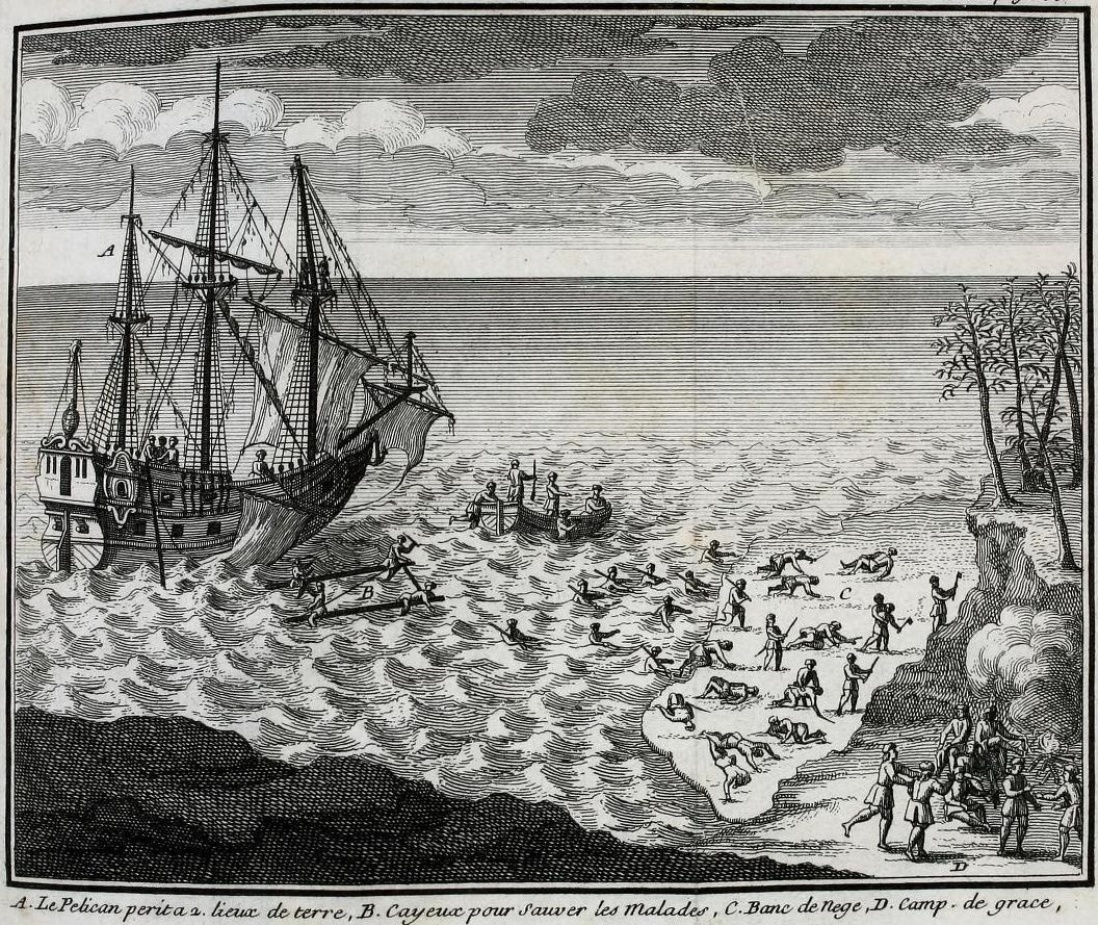
-
Article
Battle of Lacolle Mill
First Skirmish at Lacolle Mill, 1812 This brief skirmish at Lacolle Mill (now Lacolle, Que) during the War of 1812 marked the end of the American campaign to invade Lower Canada and take Montréal in the fall of 1812.
"https://thecanadianencyclopedia.ca/images/tce_placeholder.jpg?v=e9dca980c9bdb3aa11e832e7ea94f5d9" // resources/views/front/categories/view.blade.php
https://thecanadianencyclopedia.ca/images/tce_placeholder.jpg?v=e9dca980c9bdb3aa11e832e7ea94f5d9